Demand For Bonds Increases In Miami-Dade
Description

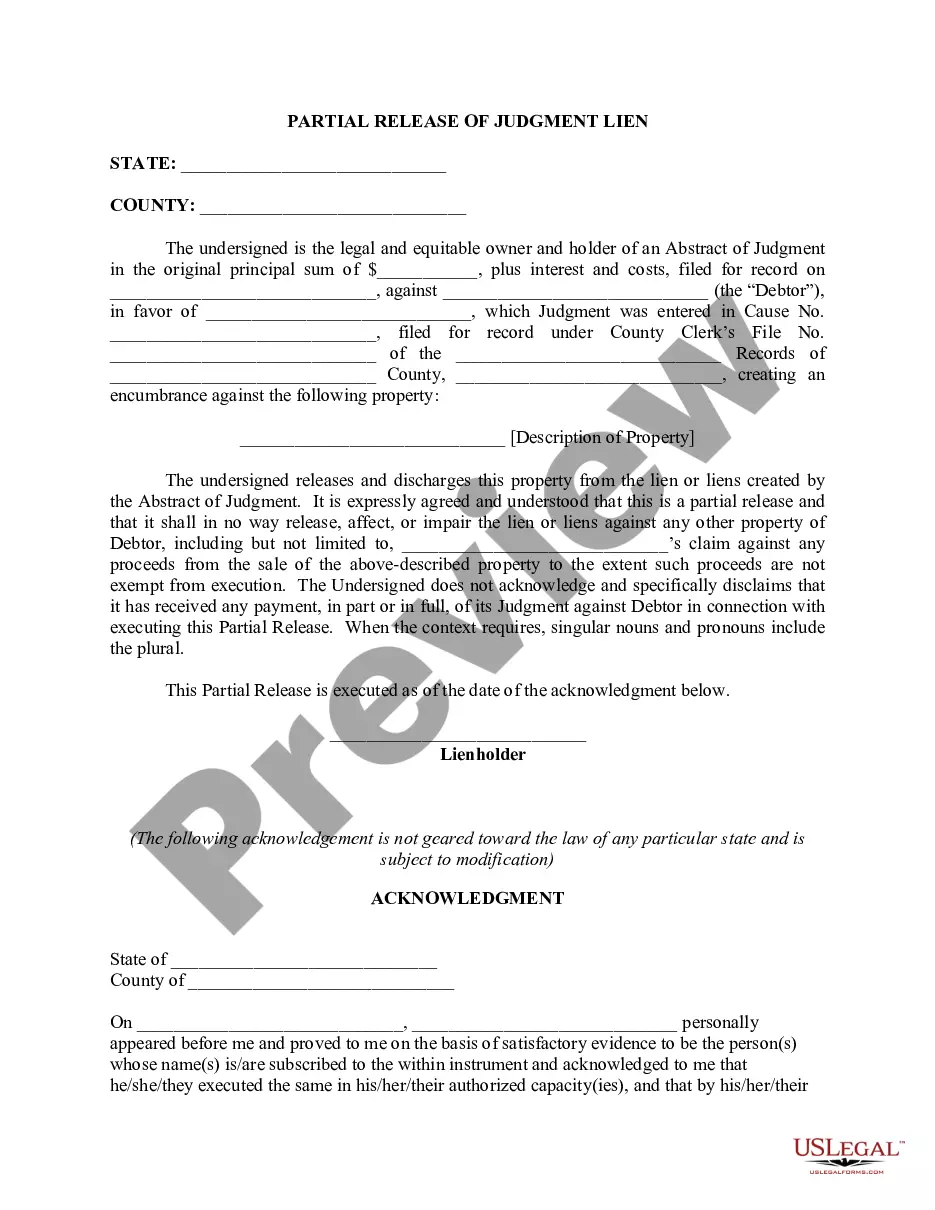
Get your form ready online
Our built-in tools help you complete, sign, share, and store your documents in one place.
Make edits, fill in missing information, and update formatting in US Legal Forms—just like you would in MS Word.
Download a copy, print it, send it by email, or mail it via USPS—whatever works best for your next step.
Sign and collect signatures with our SignNow integration. Send to multiple recipients, set reminders, and more. Go Premium to unlock E-Sign.
If this form requires notarization, complete it online through a secure video call—no need to meet a notary in person or wait for an appointment.
We protect your documents and personal data by following strict security and privacy standards.

Make edits, fill in missing information, and update formatting in US Legal Forms—just like you would in MS Word.

Download a copy, print it, send it by email, or mail it via USPS—whatever works best for your next step.

Sign and collect signatures with our SignNow integration. Send to multiple recipients, set reminders, and more. Go Premium to unlock E-Sign.

If this form requires notarization, complete it online through a secure video call—no need to meet a notary in person or wait for an appointment.

We protect your documents and personal data by following strict security and privacy standards.
Looking for another form?









Form popularity
FAQ
Apart from purchasing power, inflation can influence bonds in another way. When inflation rises above a certain level, interest rates also tend to rise as central banks try to put pressure on consumers to reduce spending. In response, bond prices fall which can reduce their total return.
Bond supply is affected by various factors such as fiscal policy, the financial health of bond issuers, and interest rates' direction. Bond demand is affected by factors such as liquidity, risk, and wealth.
Fitch Ratings has assigned Miami-Dade County, Florida, an 'AA+' long-term issuer default rating with a stable outlook due to its strong financial resilience, healthy reserves, and broad revenue-raising powers.
If the interest rate is expected to increase for any reason (including, but not limited to, expected increases in inflation), bond prices are expected to fall, so the quantity demanded will decrease.
The Bond will fund a series of projects that will transform the future of Miami by investing a total of $400 million in five key categories, which align with the City's most pressing needs: Sea-Level Rise and Flood Prevention, Roadways, Parks and Cultural Facilities, Public Safety and Affordable Housing.
The demand curve for bonds shifts due to changes in wealth, expected relative returns, risk, and liquidity. Wealth, returns, and liquidity are positively related to demand; risk is inversely related to demand.
When interest rates fall, bond prices rise, thereby increasing the market value of the portfolio. Meanwhile, the rising rate portfolio in scenario 3 experiences an initial decline in value as rates rise.
Munis can generally be classified into two camps—general obligation bonds and revenue bonds. General obligation, or GO, bonds are backed by the general revenue of the issuing municipality, while revenue bonds are supported by a specific revenue source, such as income from a toll road or sewer system.
The general obligation bonds are legally backed by the full faith and credit of the County, which has committed future taxes over the next 40 years to repay the bonds. General obligation bonds typically are the least expensive type of debt available to government.
To begin posting bail online, just call or text Bail Bonds Now any time to receive an access code at (786)-500-9999. We service all cities throughout Miami-Dade County, including: Aventura.

