Bond Claim Form Sa In Bexar
Description

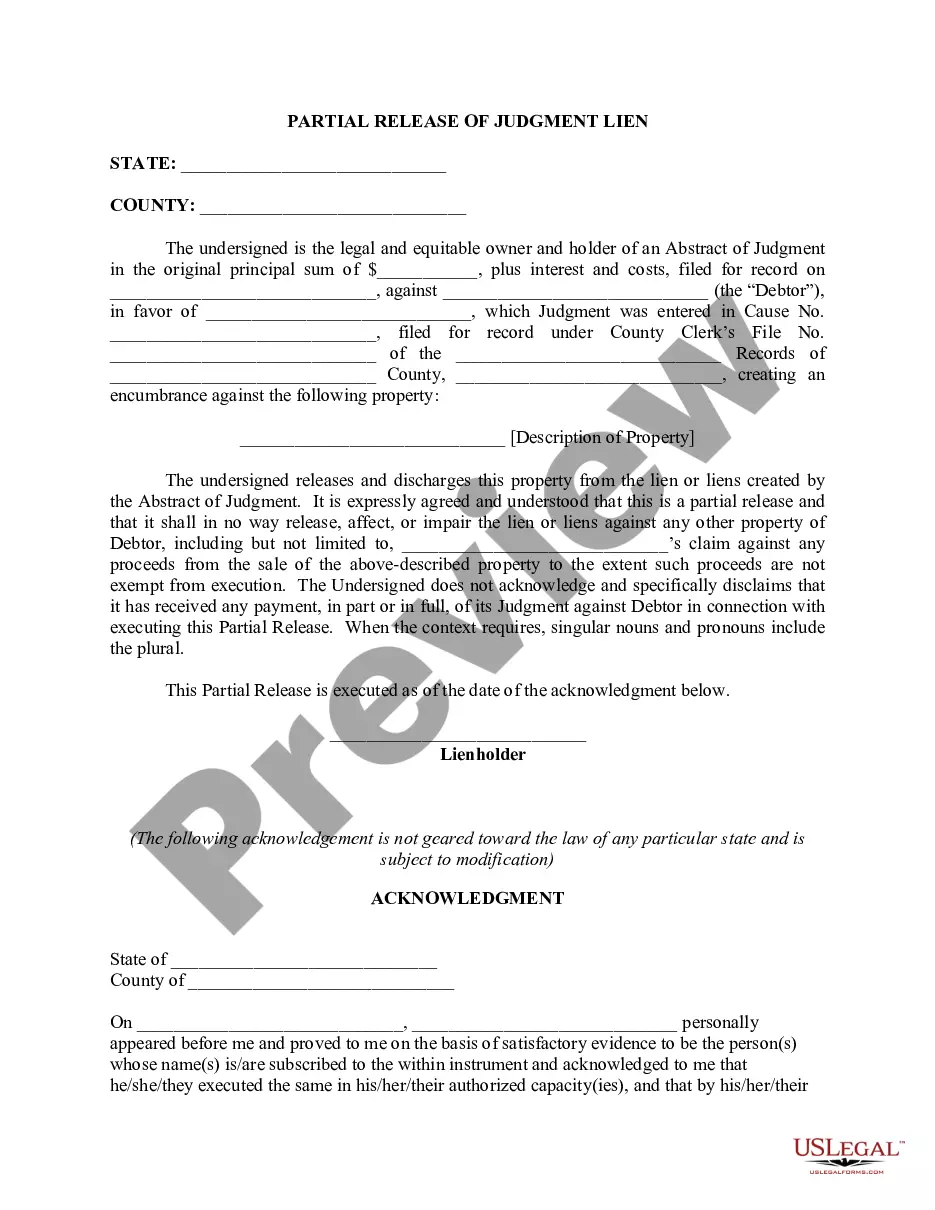
Get your form ready online
Our built-in tools help you complete, sign, share, and store your documents in one place.
Make edits, fill in missing information, and update formatting in US Legal Forms—just like you would in MS Word.
Download a copy, print it, send it by email, or mail it via USPS—whatever works best for your next step.
Sign and collect signatures with our SignNow integration. Send to multiple recipients, set reminders, and more. Go Premium to unlock E-Sign.
If this form requires notarization, complete it online through a secure video call—no need to meet a notary in person or wait for an appointment.
We protect your documents and personal data by following strict security and privacy standards.

Make edits, fill in missing information, and update formatting in US Legal Forms—just like you would in MS Word.

Download a copy, print it, send it by email, or mail it via USPS—whatever works best for your next step.

Sign and collect signatures with our SignNow integration. Send to multiple recipients, set reminders, and more. Go Premium to unlock E-Sign.

If this form requires notarization, complete it online through a secure video call—no need to meet a notary in person or wait for an appointment.

We protect your documents and personal data by following strict security and privacy standards.
Looking for another form?

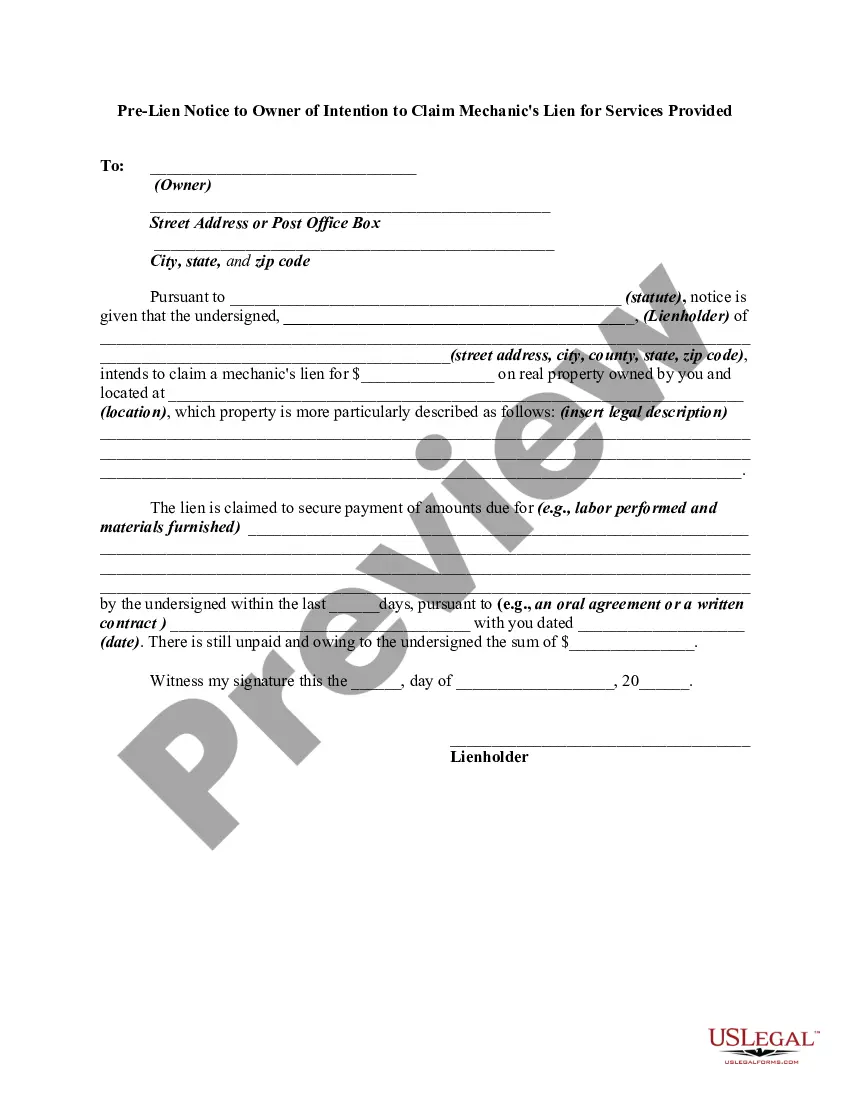
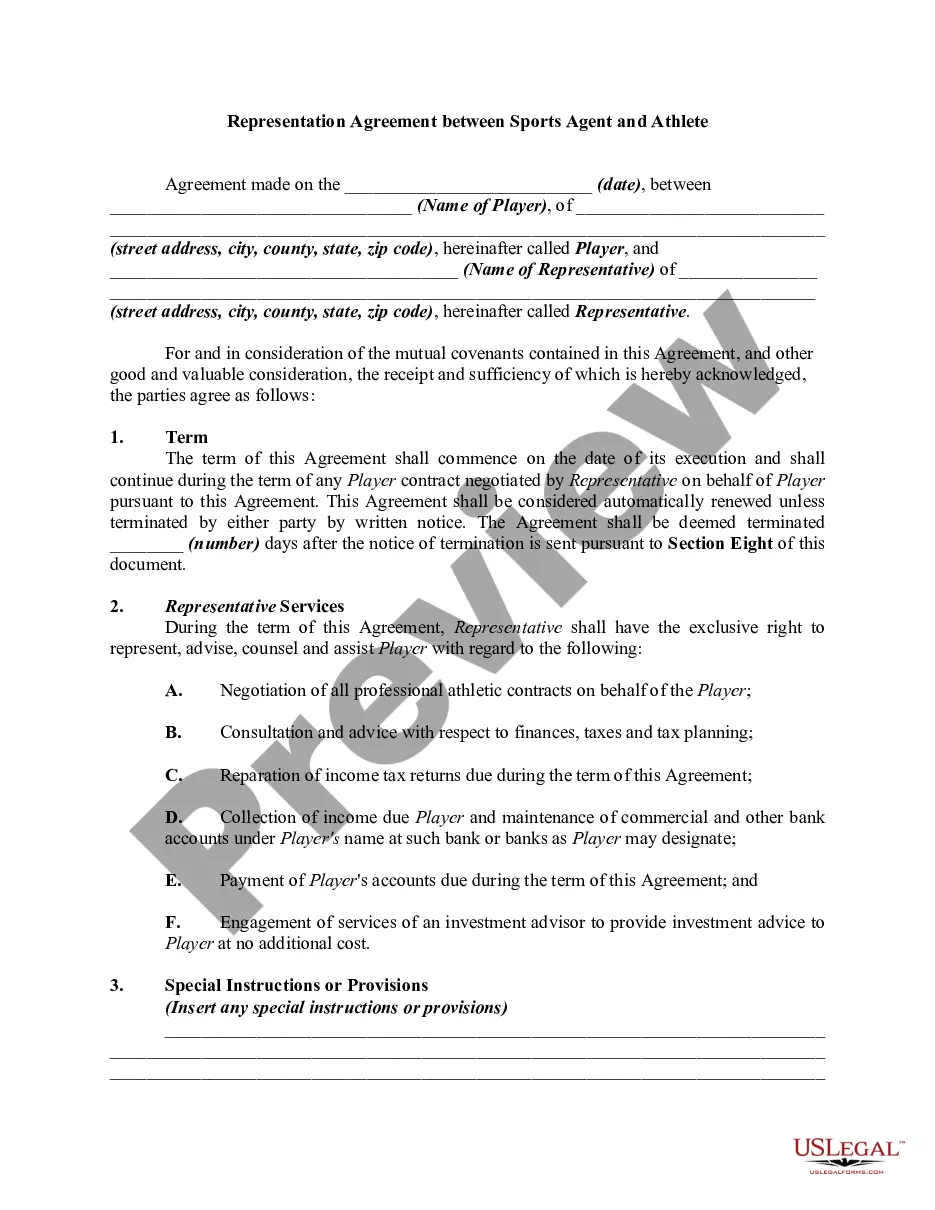
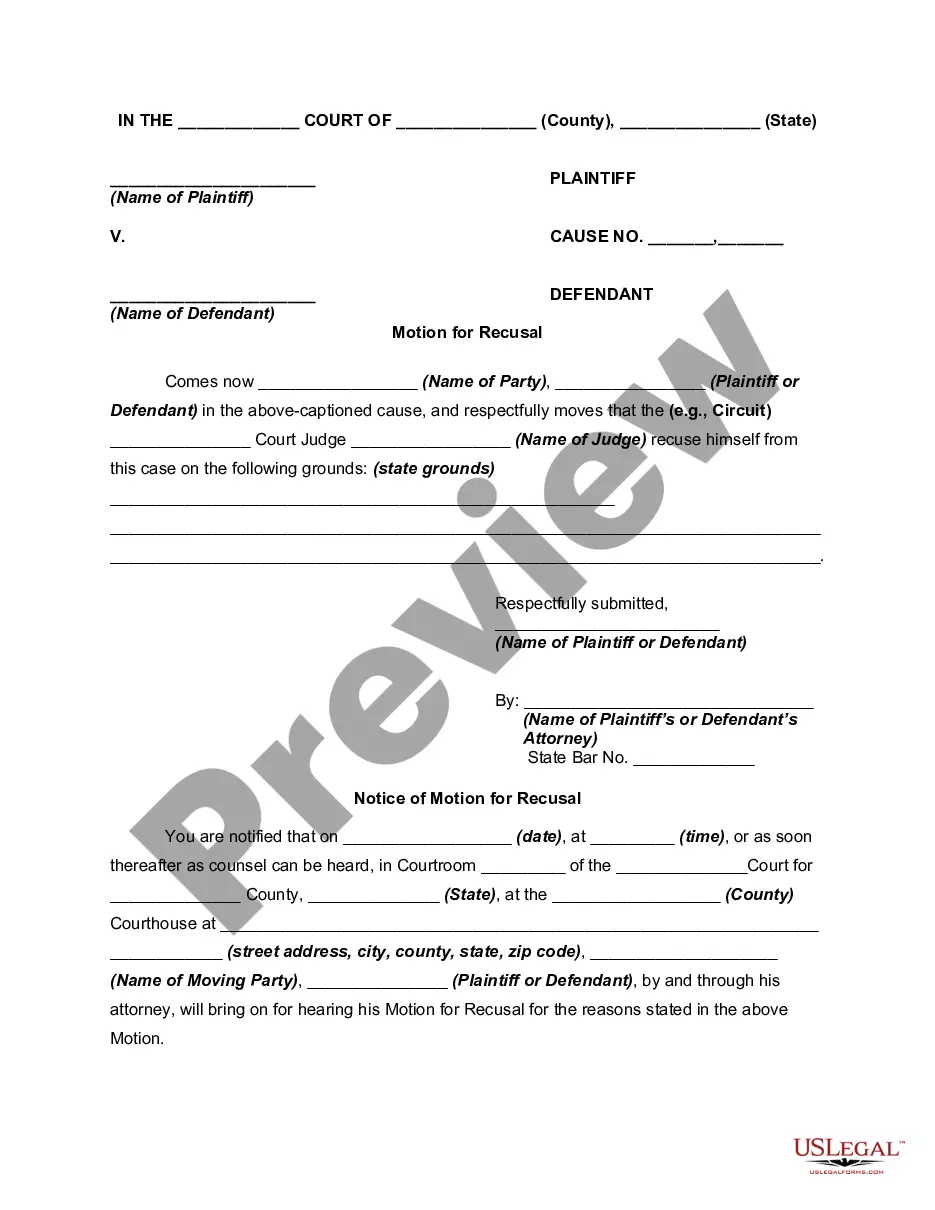
Form popularity
FAQ
A bond forfeiture case is filed when a misdemeanor defendant failed to appear for a hearing or trial. If an answer is not filed in a timely fashion, the plaintiff may take a default judgment. For case information or citation inquiries, contact our Bond Forfeiture Department at 210-335-2237.
After you post bond, the jail typically releases the individual within a few hours, but the process can sometimes take up to 24 hours. Delays may occur due to administrative backlogs, the time it takes to verify the bond's authenticity, and the timing of the bond's posting.
TDI handles complaints that involve forfeiture or refund of collateral for bail bonds involving a corporate surety. Most other complaints or questions involving bail bonds should be directed to the appropriate authority, either the Bail Bond Board or the County Sheriff.
After being arrested and processed a person will see a magistrate “without delay and no later than 48 hours. The magistrate will decide the bail amount and include any conditions they feel are appropriate.
Texas law requires every bondsman to take at least 8 hours of in-person classes approved by the state bar of Texas. Bondmen must also be age 18 or older. Further, any conviction for a misdemeanor involving moral turpitude or a felony will disqualify someone from being a bondsman.
You can file a complaint with the county clerk's office or the county bail bond board if one exists. Find Contact Information: This information can usually be found on the county's official website or by contacting the county clerk's office directly.
Typically, a cosigner can withdraw from a bail bond by demonstrating to the court or bail bond company that they no longer wish to be responsible. This process may involve legal proceedings and requires cooperation from the bail bond company and sometimes the defendant.
Most Bexar County precincts allow you to file your small claims lawsuit through the following methods: In-person. You can go to the court you wish to file your small claims lawsuit and file the forms with a court clerk in person.

