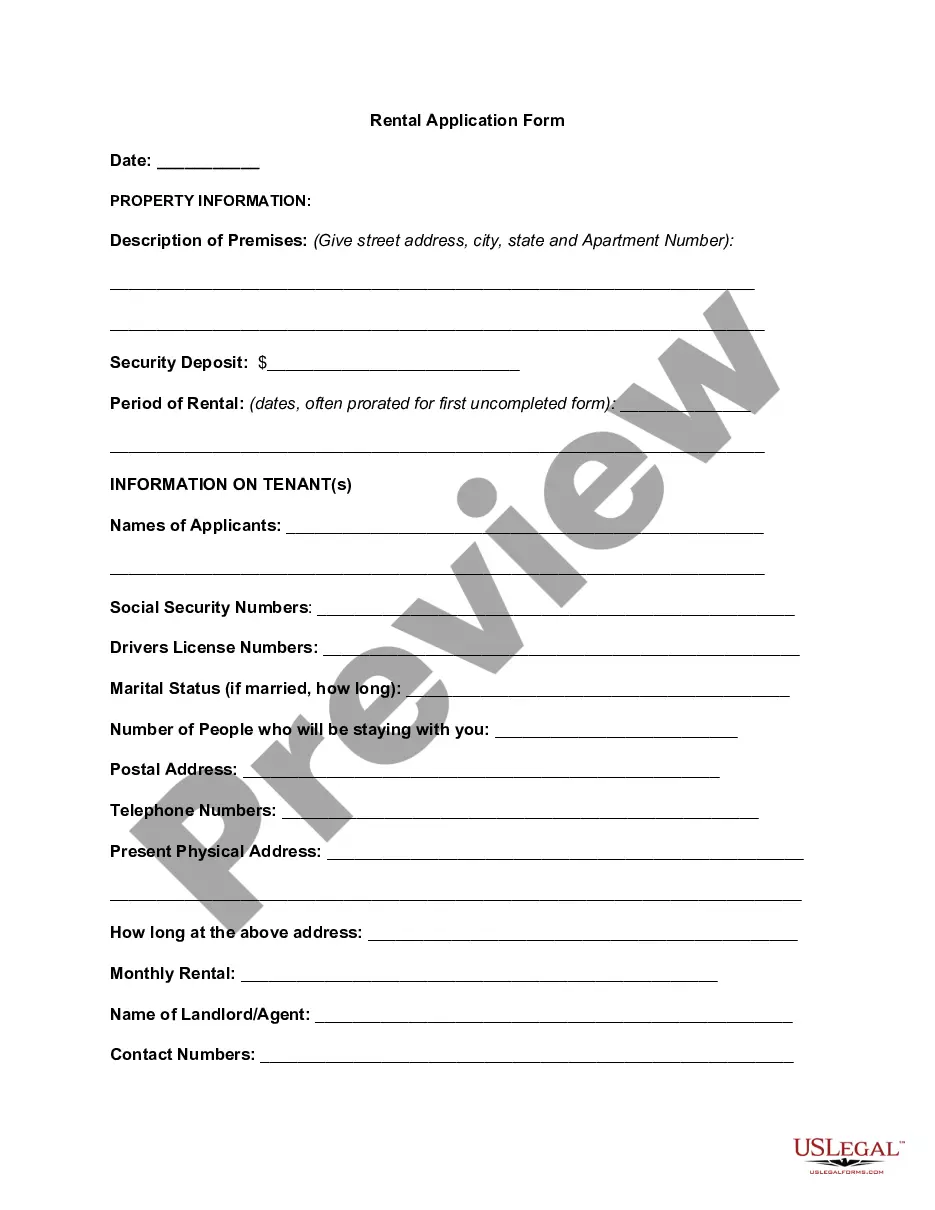
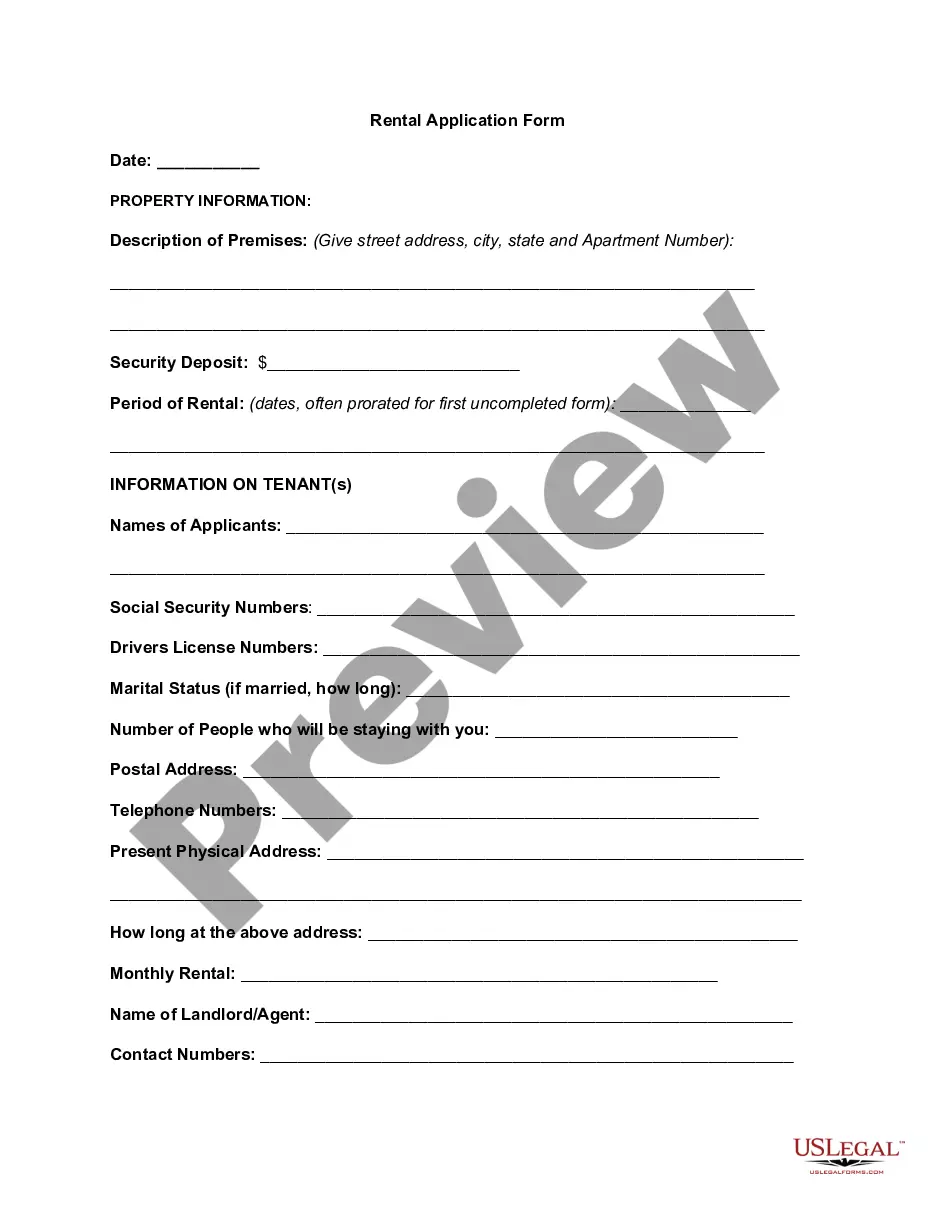
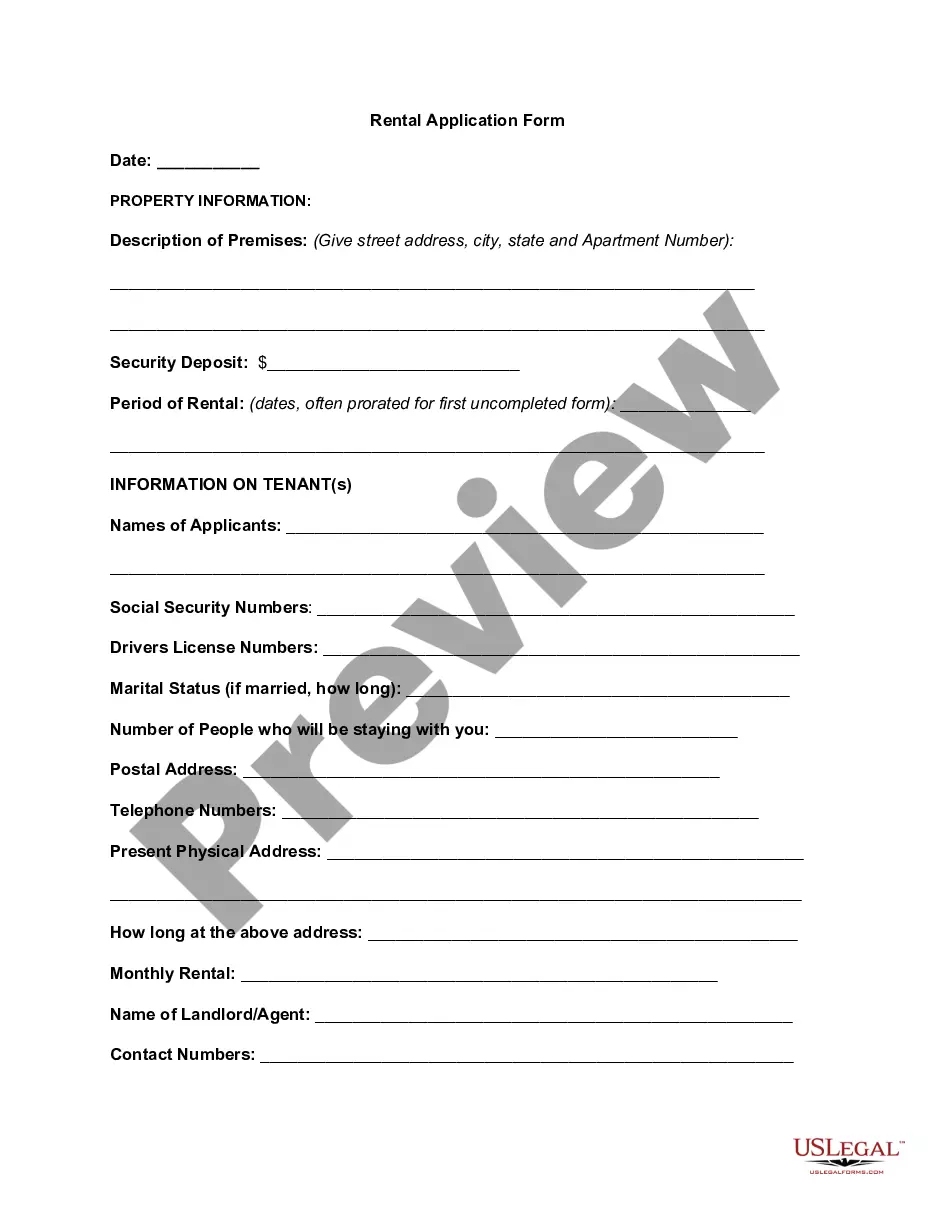
Rental Application Credit Check Without Permission In Philadelphia
Description


Get your form ready online
Our built-in tools help you complete, sign, share, and store your documents in one place.
Make edits, fill in missing information, and update formatting in US Legal Forms—just like you would in MS Word.
Download a copy, print it, send it by email, or mail it via USPS—whatever works best for your next step.
Sign and collect signatures with our SignNow integration. Send to multiple recipients, set reminders, and more. Go Premium to unlock E-Sign.
If this form requires notarization, complete it online through a secure video call—no need to meet a notary in person or wait for an appointment.
We protect your documents and personal data by following strict security and privacy standards.

Make edits, fill in missing information, and update formatting in US Legal Forms—just like you would in MS Word.

Download a copy, print it, send it by email, or mail it via USPS—whatever works best for your next step.

Sign and collect signatures with our SignNow integration. Send to multiple recipients, set reminders, and more. Go Premium to unlock E-Sign.

If this form requires notarization, complete it online through a secure video call—no need to meet a notary in person or wait for an appointment.

We protect your documents and personal data by following strict security and privacy standards.
Looking for another form?
Form popularity
FAQ
Below is a list of the top 10 most common types of employment background checks. Criminal History Checks. Social Media Checks. Employment Verification. Credit Reports Checks. Education Verification Check. Reference Checks. Professional Qualifications Checks. Civil Checks.
The majority of apartment background checks will look at your credit, employment, and rental history for the past 7-10 years.
A thorough apartment background check should include the following: Criminal history. Detailed credit report. Income verification. Past evictions. Employment verification.
The Renters' Access Act supports fair access to housing by creating uniform screening criteria for applicants' rental and credit history. Landlords should follow these guidelines when they screen prospective tenants. The full law appears in Sections 9-1108 (3) and (4) and Section 9-810 of the Philadelphia Code.
Some landlords use tenant screening services that can generate details not found on credit reports, such as employment verification and rental history. While policies vary by landlord and property management company, the factors below are often part of the screening process.
First, the city can fine you $300 per day for every day your property has been rented without a license. For example, if the tenant has been living there for a year, you're looking at 365 days of fines – that's 365 times $300, which can add up very quickly.
The Department of Licenses and Inspections (L&I) doles out these licenses. It's a code violation to rent without a license in Philadelphia. Thus, anyone who does so will be subject to a $300 daily fine.
Pennsylvania's Notice Requirements Pennsylvania landlords must typically provide reasonable advance notice before entering a rental property unless there are urgent circumstances. Although state law doesn't specify a minimum notice period, many landlords adopt a 24-hour notice policy.
