Rental Application Rejection Letter Without Notice In Maryland
Description


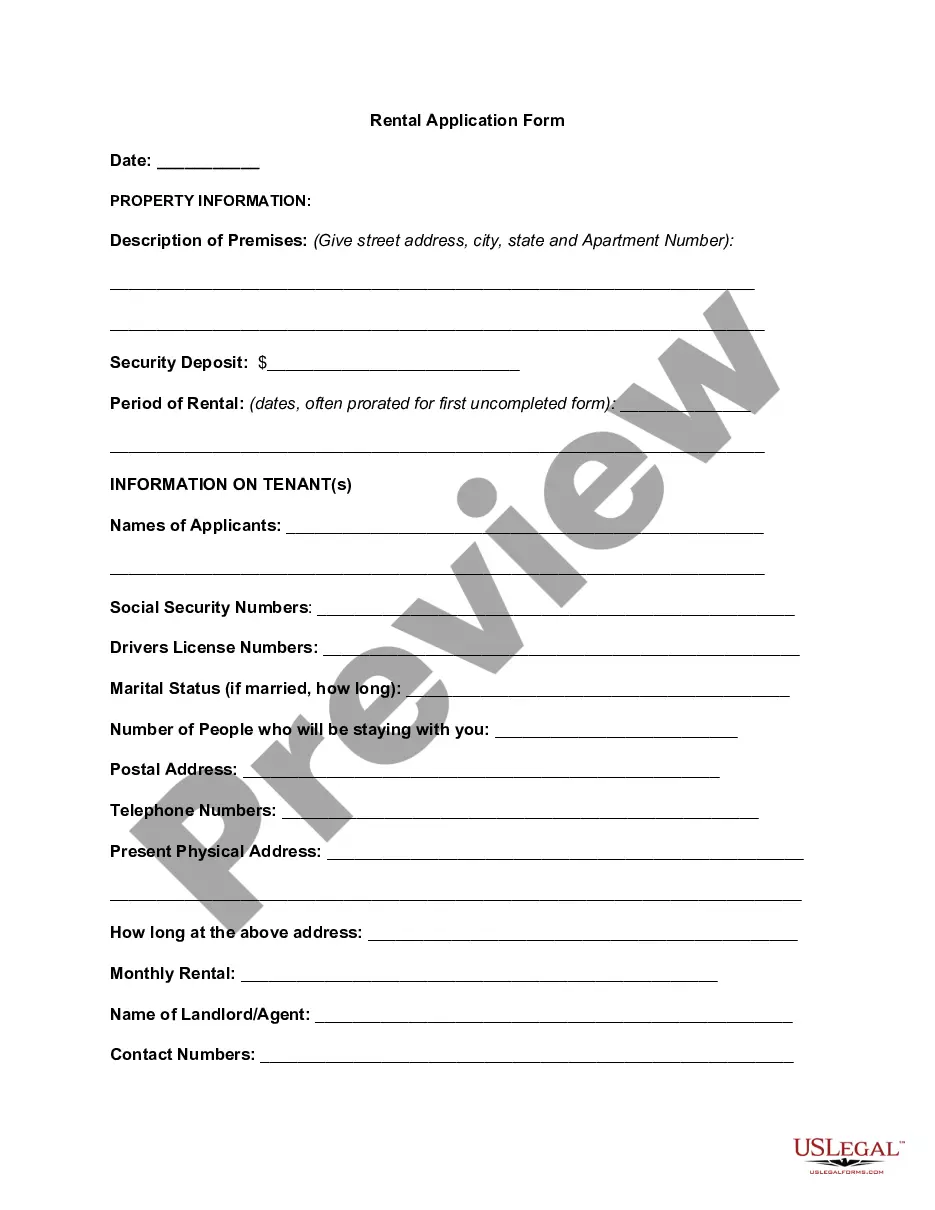
Get your form ready online
Our built-in tools help you complete, sign, share, and store your documents in one place.
Make edits, fill in missing information, and update formatting in US Legal Forms—just like you would in MS Word.
Download a copy, print it, send it by email, or mail it via USPS—whatever works best for your next step.
Sign and collect signatures with our SignNow integration. Send to multiple recipients, set reminders, and more. Go Premium to unlock E-Sign.
If this form requires notarization, complete it online through a secure video call—no need to meet a notary in person or wait for an appointment.
We protect your documents and personal data by following strict security and privacy standards.

Make edits, fill in missing information, and update formatting in US Legal Forms—just like you would in MS Word.

Download a copy, print it, send it by email, or mail it via USPS—whatever works best for your next step.

Sign and collect signatures with our SignNow integration. Send to multiple recipients, set reminders, and more. Go Premium to unlock E-Sign.

If this form requires notarization, complete it online through a secure video call—no need to meet a notary in person or wait for an appointment.

We protect your documents and personal data by following strict security and privacy standards.
Looking for another form?
Form popularity
FAQ
If you didn't meet the landlord's requirements before, but you do now, the landlord will likely reconsider you as a tenant. However, if the reason for the rejection remains, then reapplying will typically result in another rejected application.
In some cities, the odds of getting denied for an apartment can be as high as 30% or more, making it essential to understand why applications get rejected and how you can improve your chances of securing your ideal rental.
This is to determine if the tenant treated the property well, was considerate to neighboring tenants, followed all rules, etc. If an applicant's previous landlord reports negative habits like late payments, negligent care, or aggressive behavior, this is a valid reason to send a rental application denial letter.
This federal law requires a landlord who rejects or denies your tenant application because of information in a tenant screening report to notify you about the rejection. The notification is called an adverse action notice, and it must: Be given in writing, orally, or electronically.
Yes, landlords can enter a rental unit for emergency repairs without giving notice. They also need to give generally a 24 hour notice prior to doing scheduled repairs (non-emergent) and you do not need to be there for them to do this.
Maryland does not have a statewide cap on rent increases. Landlords must follow lease agreements and provide proper notice for any changes.
Before a landlord can enter a property for any reason other than an emergency, they generally must provide the tenant with notice. The landlord must give notice at a reasonable time before the proposed entry.
The only law in Maryland focuses on when to send the notice to vacate, which is 30 days for month-to-month and seven days for week-to-week leases.
Month-to Month Leases – Typically, a month-to-month lease requires landlords to provide 60-days' notice depending on the terms of the agreement. Annual Leases – Terminating or non-renewing a standard 12-month lease requires 90 days' notice.
The tenant has a reasonable right of privacy; that is, the landlord does not have the right to enter the premises at any time and for any reason. If the landlord does this, the landlord may be guilty of trespassing.