Rental Application With No Rental History In Harris
Description


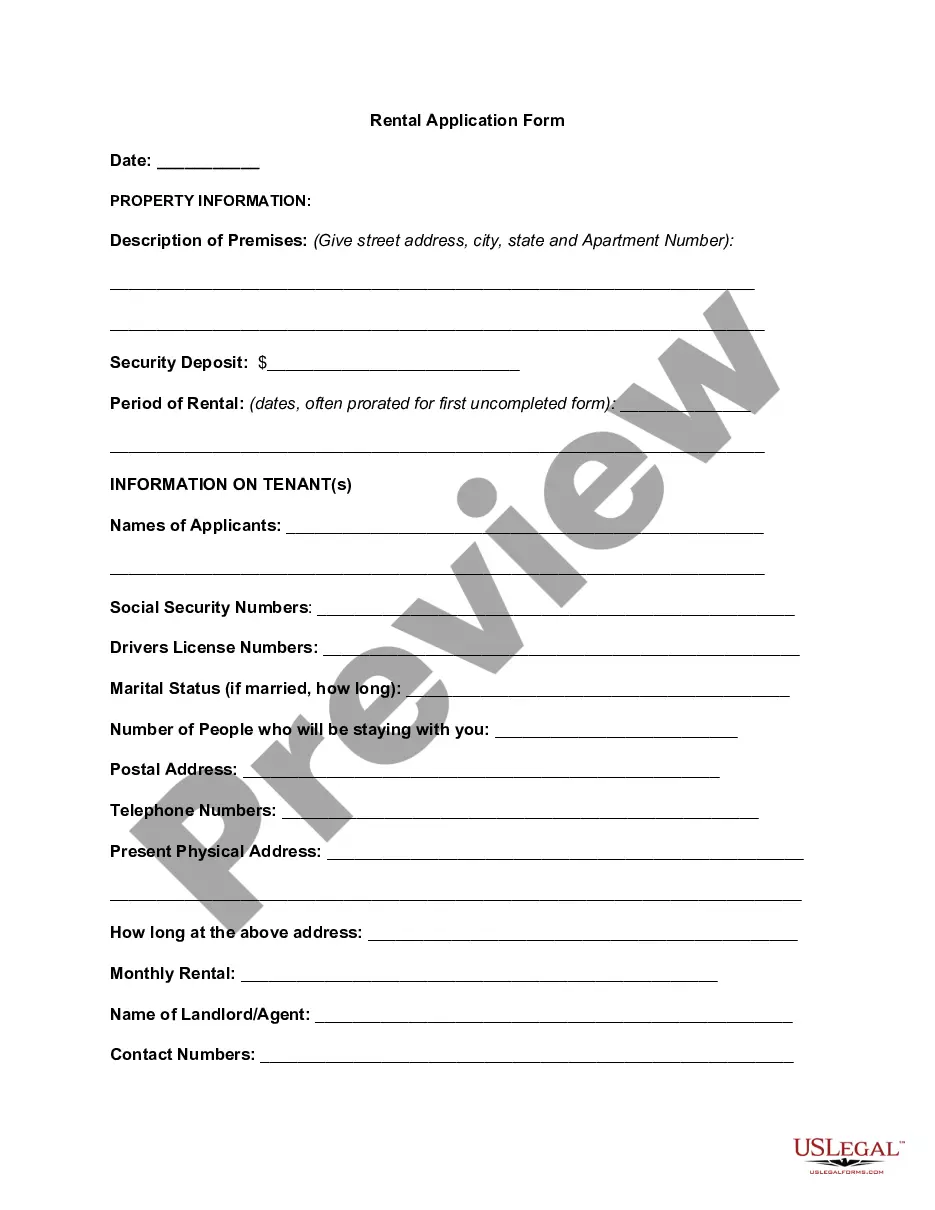
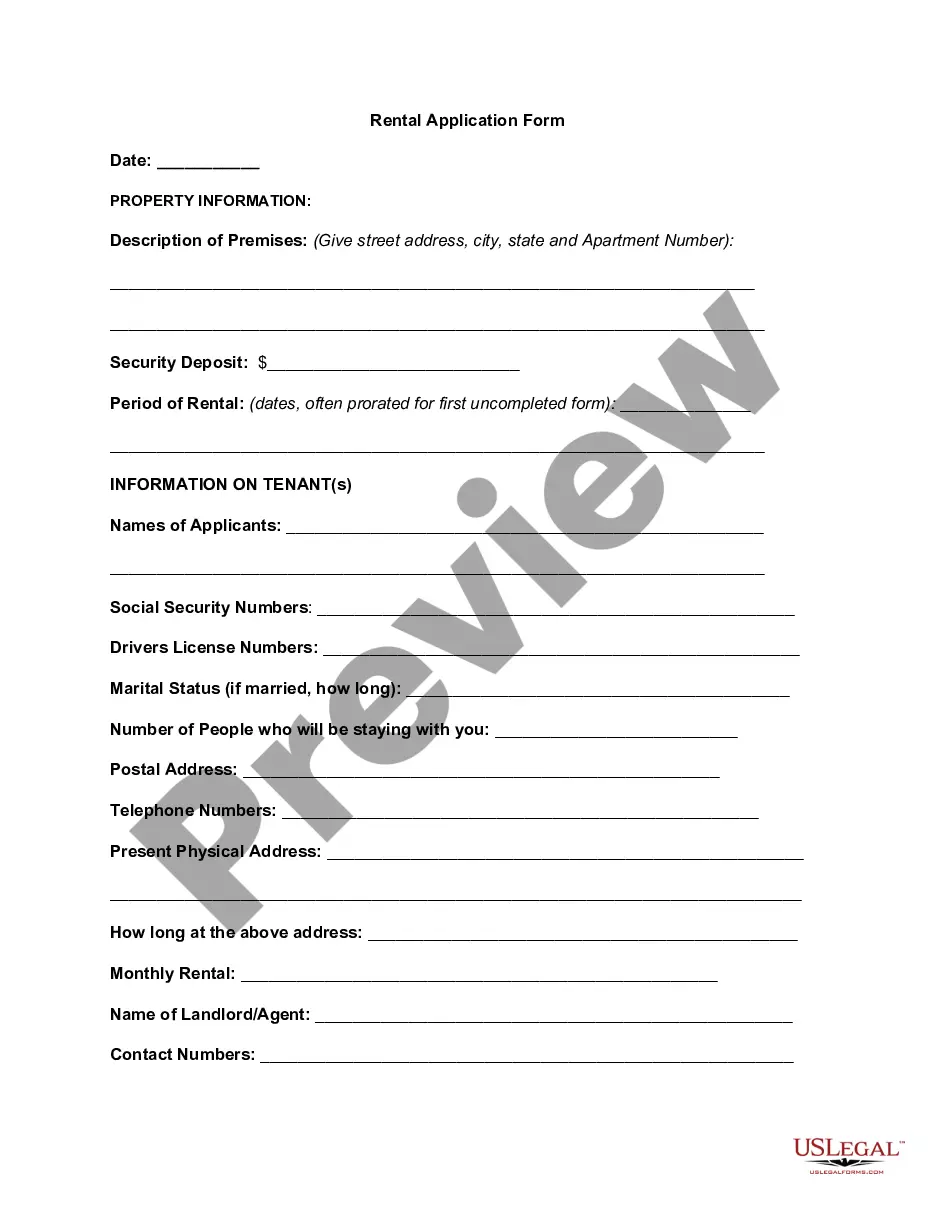
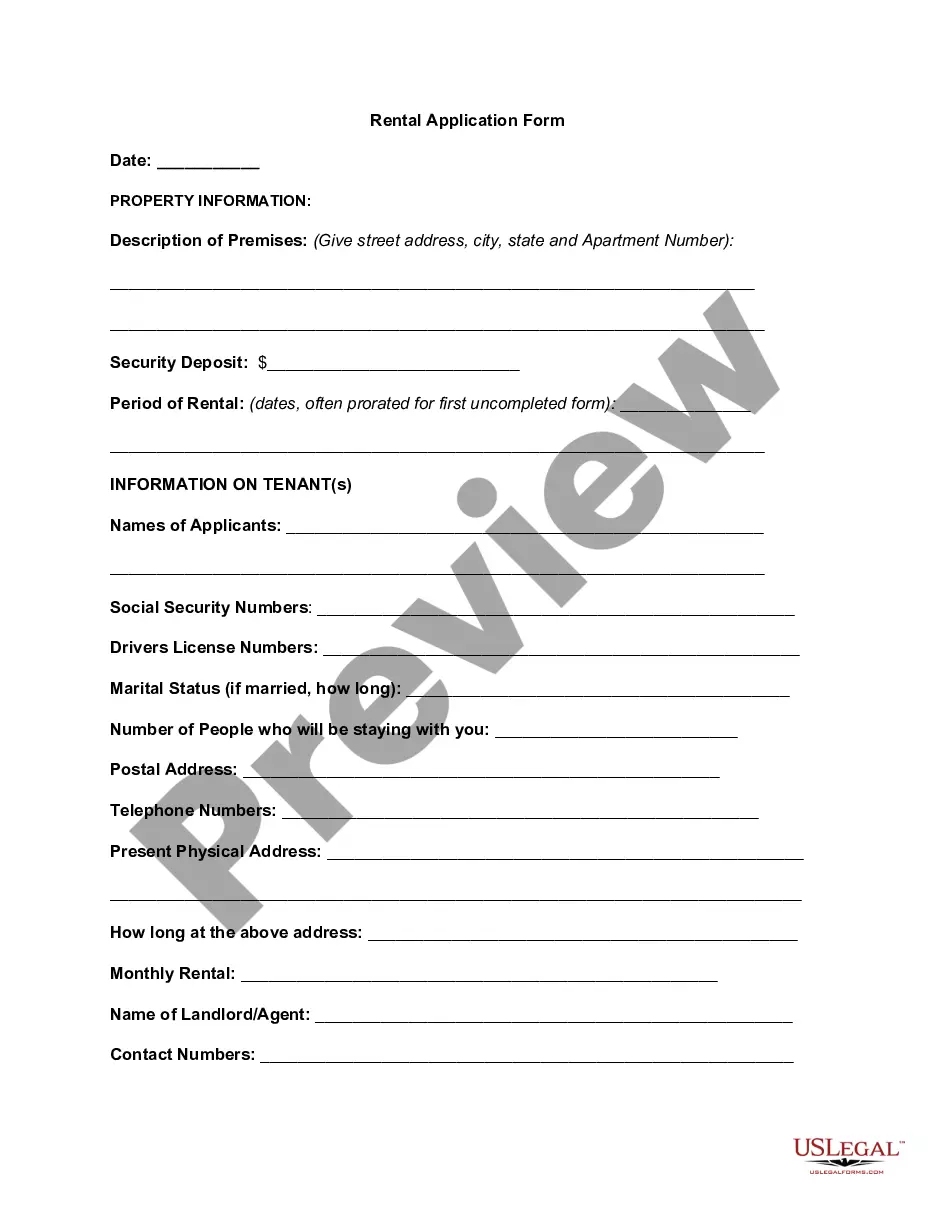
Get your form ready online
Our built-in tools help you complete, sign, share, and store your documents in one place.
Make edits, fill in missing information, and update formatting in US Legal Forms—just like you would in MS Word.
Download a copy, print it, send it by email, or mail it via USPS—whatever works best for your next step.
Sign and collect signatures with our SignNow integration. Send to multiple recipients, set reminders, and more. Go Premium to unlock E-Sign.
If this form requires notarization, complete it online through a secure video call—no need to meet a notary in person or wait for an appointment.
We protect your documents and personal data by following strict security and privacy standards.

Make edits, fill in missing information, and update formatting in US Legal Forms—just like you would in MS Word.

Download a copy, print it, send it by email, or mail it via USPS—whatever works best for your next step.

Sign and collect signatures with our SignNow integration. Send to multiple recipients, set reminders, and more. Go Premium to unlock E-Sign.

If this form requires notarization, complete it online through a secure video call—no need to meet a notary in person or wait for an appointment.

We protect your documents and personal data by following strict security and privacy standards.
Looking for another form?
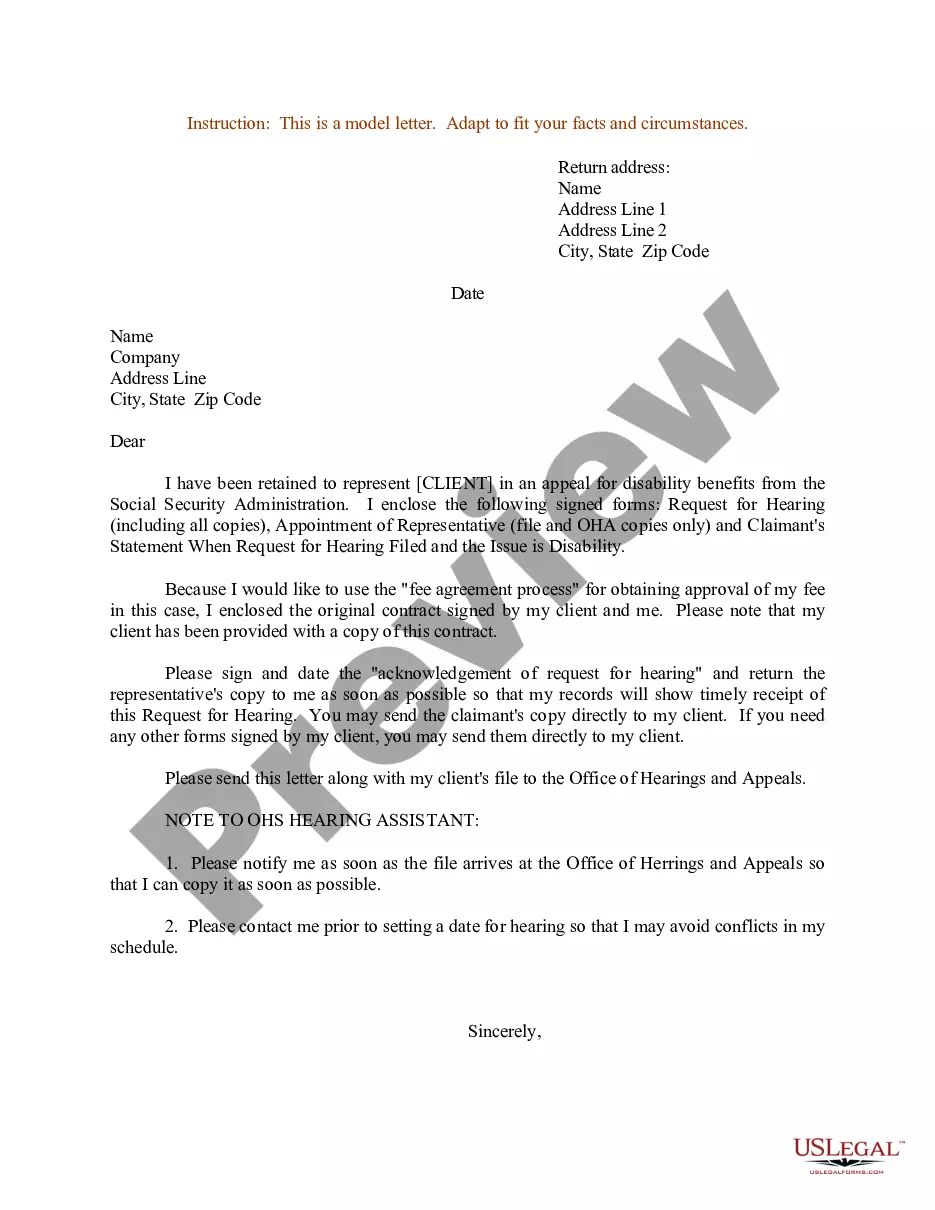


Form popularity
FAQ
A prospective tenant might tour an apartment (in-person or virtually), apply, get approved and sign a lease, all on the same day. In other situations, however, the process may take up to a week.
Sometimes, if everything runs smoothly, your referencing company can complete the check in around 48 hours. But, this isn't always the case. The process can be delayed by a number of factors, such as: If a previous landlord drags their feet about giving a reference.
In general, you can expect to move into a rented property within 1-2 weeks of finding a suitable property and completing the necessary paperwork. However, it may take longer if there are any delays in the paperwork process.
Finally, the landlord or the agency will only perform a soft check on your file. This means they'll only check the public information, and this check won't be visible afterwards. This soft check won't affect your credit score and should take less than 48 hours.
No, you cannot hide your rental history. Because it is based on information retrieved from multiple sources such as a background check and credit report, it is virtually impossible to hide information that has been reported by a former landlord or property management and financial agency.
Wealthier, more competitive areas will require a higher minimum score, as will new or luxury buildings. However, a good rule of thumb is that most landlords look for a credit score of at least 600. Anything under 600 is considered bad credit, but don't worry – there are many ways to get around bad credit.
Common questions about rental history reports Evictions remain for up to 7 years, as can judgments. Chapter 13 bankruptcy remains for seven years, and Chapter 7 for up to 10 years. Likewise, late payments and collection accounts could also be reportable for up to 7 years.
Landlords typically check a tenant's rental history as part of the screening process to assess their reliability and suitability as a renter.
9 Ways to Get Approved With No Rental History Increasing The Security Deposit. Show Proof of Income. Provide Proof of Employment. Consider Renting with a Roommate. Collect References. Get a Cosigner. Get a Guarantor. Show Proof of Regular Payments.
