Rental Application Withdrawal In Chicago
Description


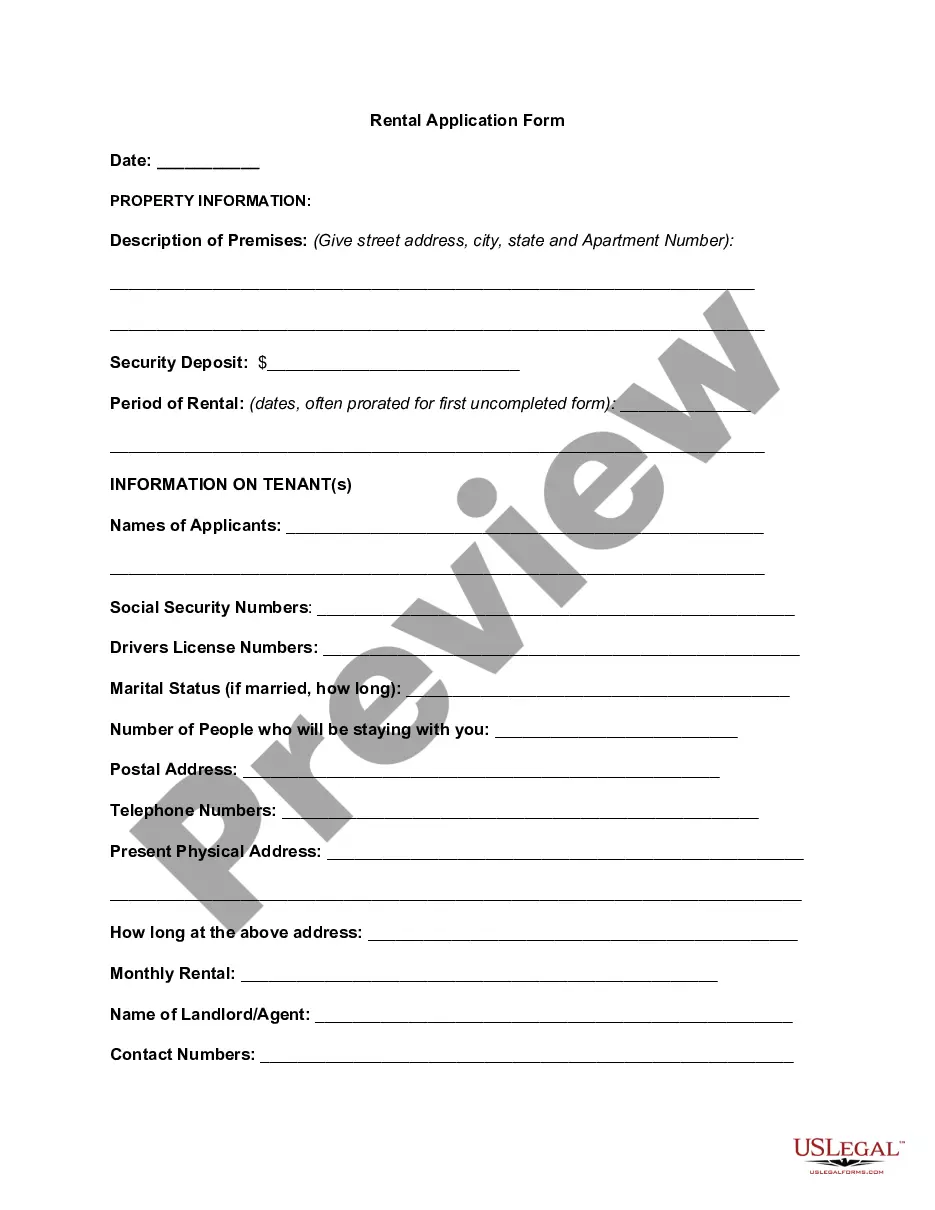
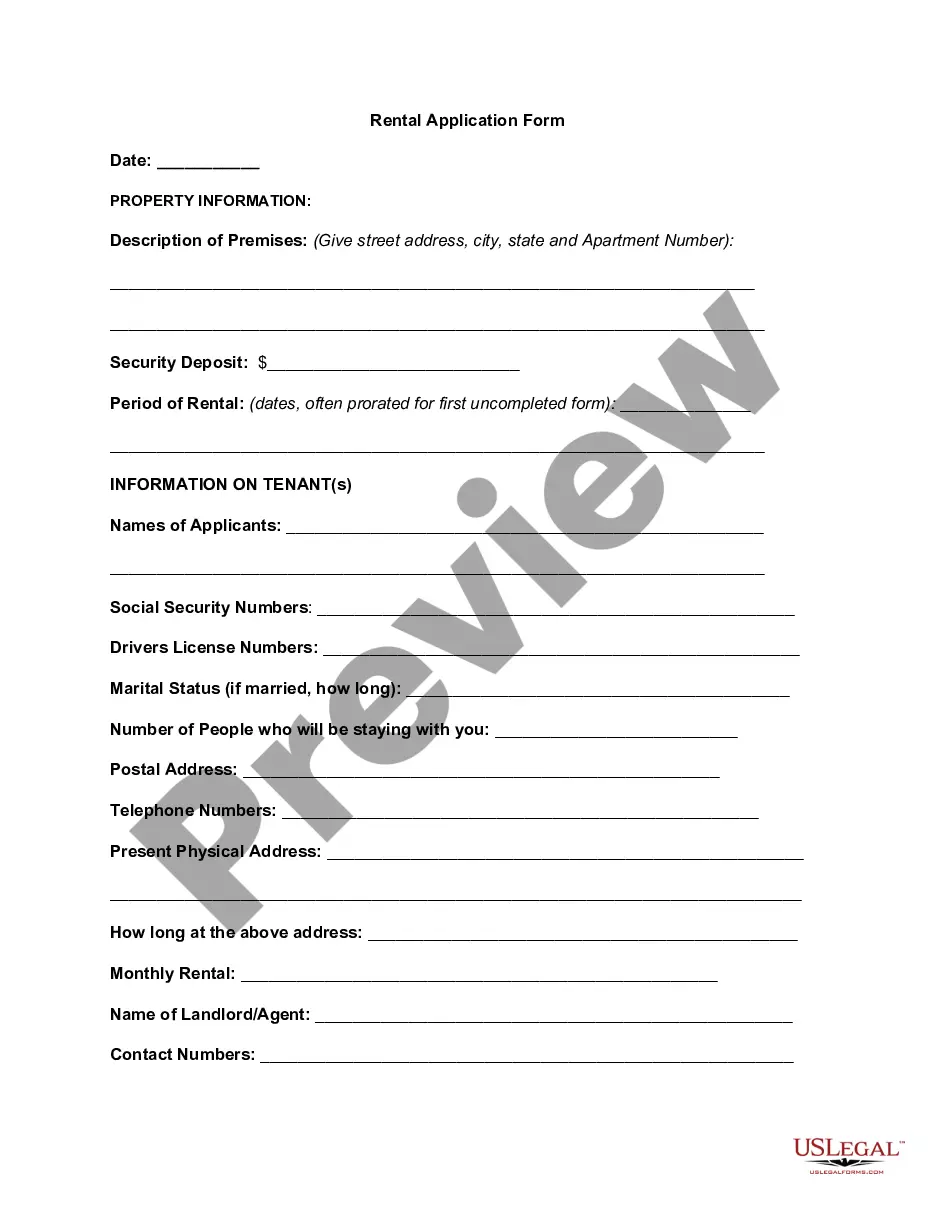
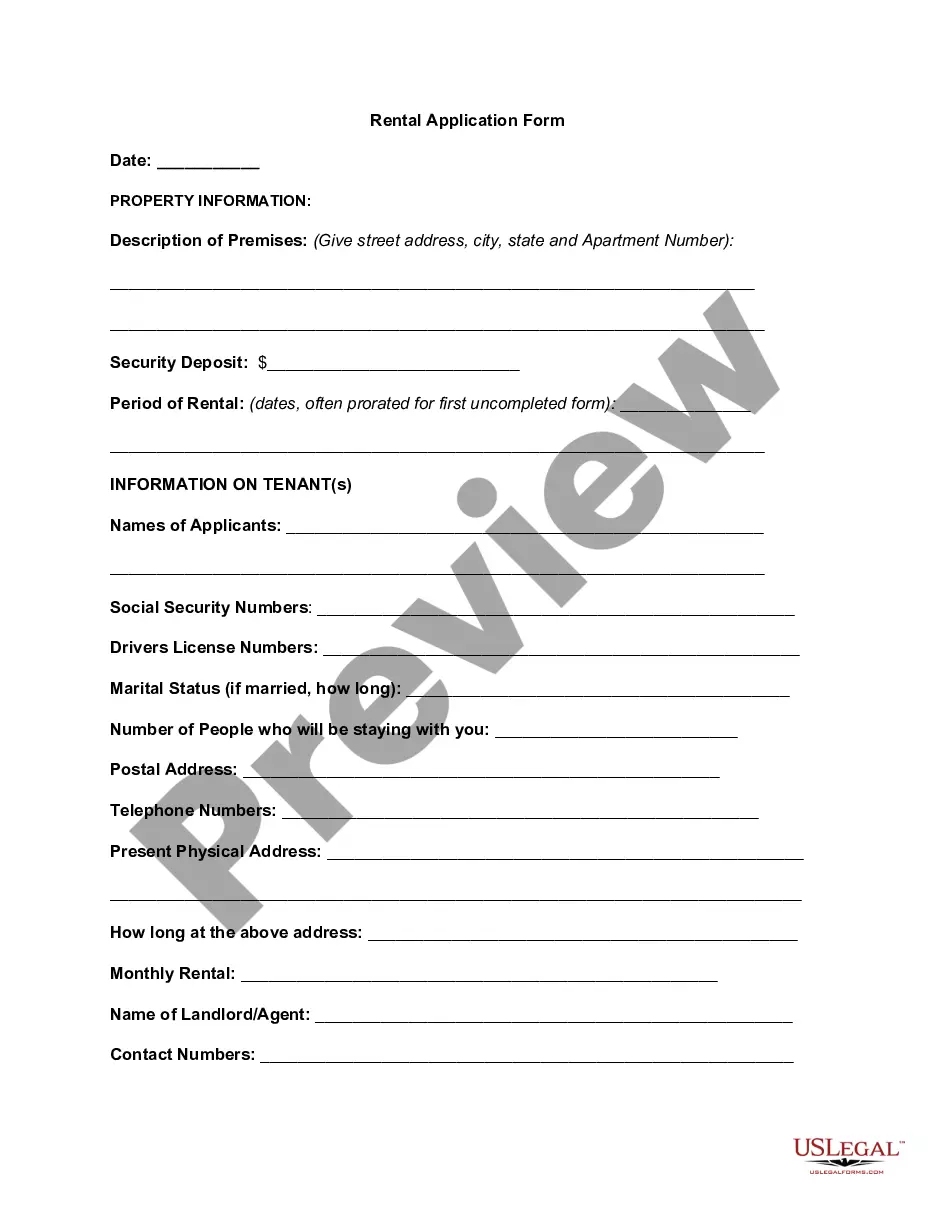
Get your form ready online
Our built-in tools help you complete, sign, share, and store your documents in one place.
Make edits, fill in missing information, and update formatting in US Legal Forms—just like you would in MS Word.
Download a copy, print it, send it by email, or mail it via USPS—whatever works best for your next step.
Sign and collect signatures with our SignNow integration. Send to multiple recipients, set reminders, and more. Go Premium to unlock E-Sign.
If this form requires notarization, complete it online through a secure video call—no need to meet a notary in person or wait for an appointment.
We protect your documents and personal data by following strict security and privacy standards.

Make edits, fill in missing information, and update formatting in US Legal Forms—just like you would in MS Word.

Download a copy, print it, send it by email, or mail it via USPS—whatever works best for your next step.

Sign and collect signatures with our SignNow integration. Send to multiple recipients, set reminders, and more. Go Premium to unlock E-Sign.

If this form requires notarization, complete it online through a secure video call—no need to meet a notary in person or wait for an appointment.

We protect your documents and personal data by following strict security and privacy standards.
Looking for another form?
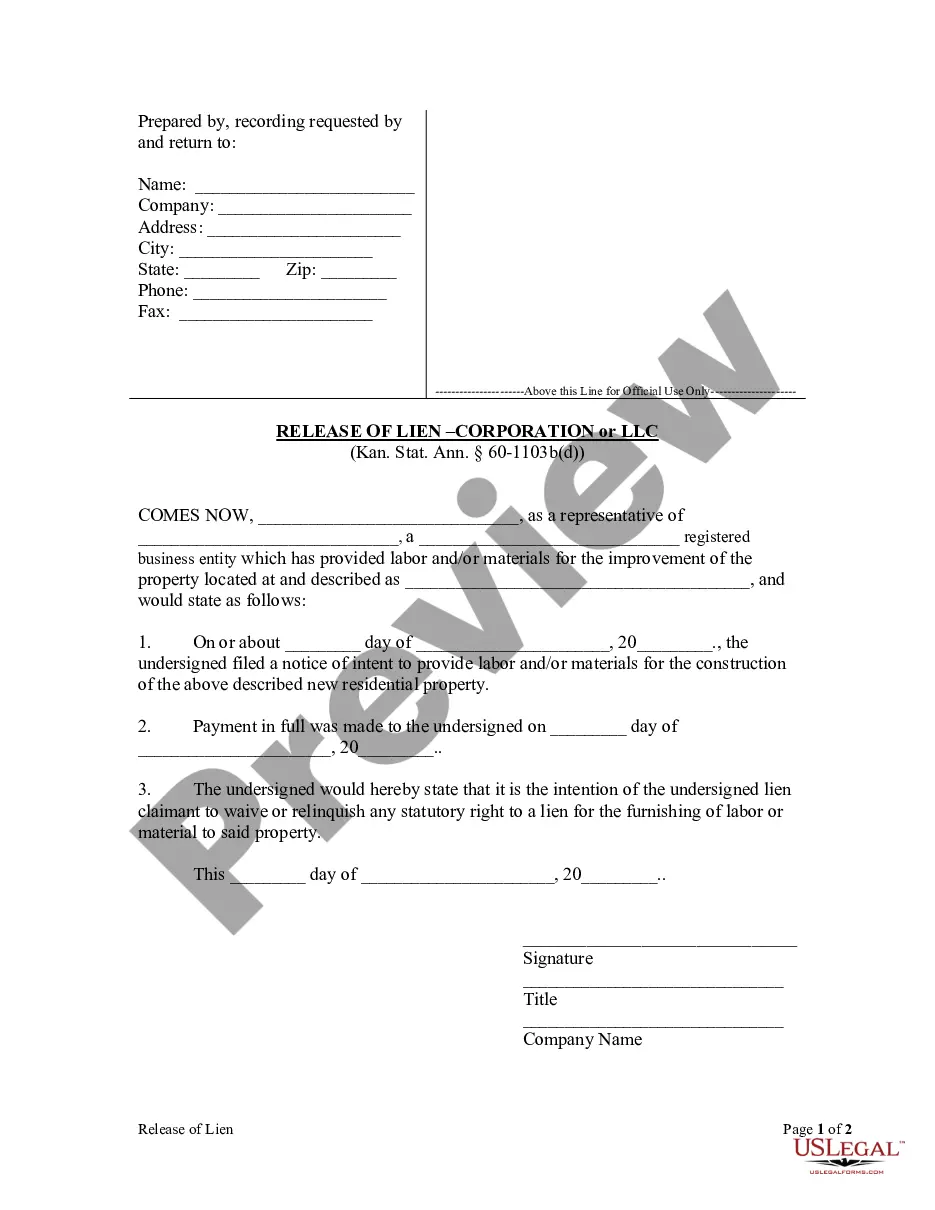

Form popularity
FAQ
In Illinois, security deposits are capped at no more than 2 months' rent for unfurnished units and 3 months' rent for furnished units. Landlords must return security deposits within 45 days after the lease ends. Allowable deductions include unpaid rent, late fees, and damage beyond normal wear and tear.
Tenants are not allowed to withhold rent or break their lease until they have (1) given the landlord a written notice and (2) given the landlord at least 14 days to fix the problem after the landlord gets the written notice.
In Illinois, security deposits are capped at no more than 2 months' rent for unfurnished units and 3 months' rent for furnished units. Landlords must return security deposits within 45 days after the lease ends. Allowable deductions include unpaid rent, late fees, and damage beyond normal wear and tear.
Yep; what this guy said. The municipal code is very clear on this. There is no way that a landlord can reasonably withhold over $1000 for ``cleaning'' - the municipal code only allows for unpaid rent or actual damage (excluding normal wear and tear) to be withheld.
Within 45 days of the date the tenant vacates the dwelling unit, a landlord must return all security deposit and required interest, if any, minus unpaid rent and expenses for damages.
The Illinois 30-day notice to quit is a document from a landlord informing their tenant that they wish to terminate their periodic lease. The landlord does not need a reason to use this termination letter, but they do have to give the tenant 30 days to pack up and vacate the premises.
For year-to-year tenancies, other than a lease of farmland, either party may terminate the lease by giving 60 days of written notice at any time within the four months preceding the last 60 days of the lease.
In a week-to-week or month-to-month tenancy, the landlord can raise your rent by any amount if he/she gives you seven days' notice for a week-to-week lease or 30 days' notice for a month-to-month lease. Your landlord cannot raise your rent if you have a fixed-term lease.
Illinois law: In Chicago, a tenant can stop paying rent when there is no hot water, rodents or bugs are infesting in the area, failure to dispose the garbage or waste and to maintain the floors and stairs.
There are several options to consider when deciding how to break a lease, they are: By written agreement with the landlord; Buyout clauses; Subleasing; Re-renting; Violations of the RLTO.