Joint Tenants Definition In Law In Washington
Description

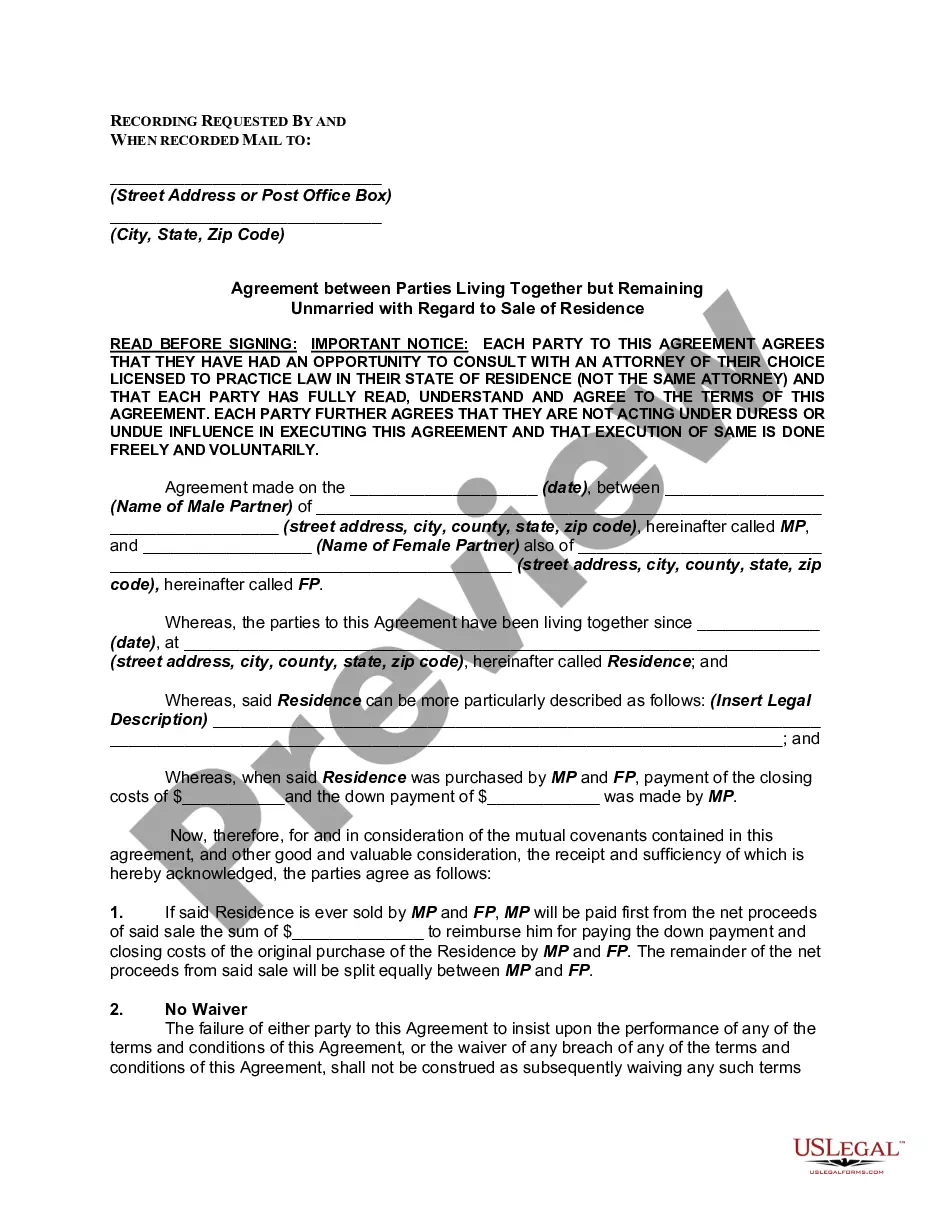
Get your form ready online
Our built-in tools help you complete, sign, share, and store your documents in one place.
Make edits, fill in missing information, and update formatting in US Legal Forms—just like you would in MS Word.
Download a copy, print it, send it by email, or mail it via USPS—whatever works best for your next step.
Sign and collect signatures with our SignNow integration. Send to multiple recipients, set reminders, and more. Go Premium to unlock E-Sign.
If this form requires notarization, complete it online through a secure video call—no need to meet a notary in person or wait for an appointment.
We protect your documents and personal data by following strict security and privacy standards.

Make edits, fill in missing information, and update formatting in US Legal Forms—just like you would in MS Word.

Download a copy, print it, send it by email, or mail it via USPS—whatever works best for your next step.

Sign and collect signatures with our SignNow integration. Send to multiple recipients, set reminders, and more. Go Premium to unlock E-Sign.

If this form requires notarization, complete it online through a secure video call—no need to meet a notary in person or wait for an appointment.

We protect your documents and personal data by following strict security and privacy standards.
Looking for another form?

Form popularity
FAQ
Joint tenancy is most common among married couples because it helps property owners avoid probate. Without joint tenancy, a spouse would have to wait for their partner's Last Will to go through a legal review process—which can take months or even years.
By jointly owning property, you may find yourself party to a lawsuit if your co-owner is sued or the asset could be lost to a creditor of your co-owner. If your co-owner becomes incapacitated, you could find yourself “owning” the property with the co-owner's guardian or the courts.
Tenants in common gives you more protections and you can specify in a deed of trust what you would want to happen in the event of relationship breakdown (eg if one of you has first dibs to buy the other out, or a time limit on doing so etc) which is definitely better to decide now whilst you still like each other!
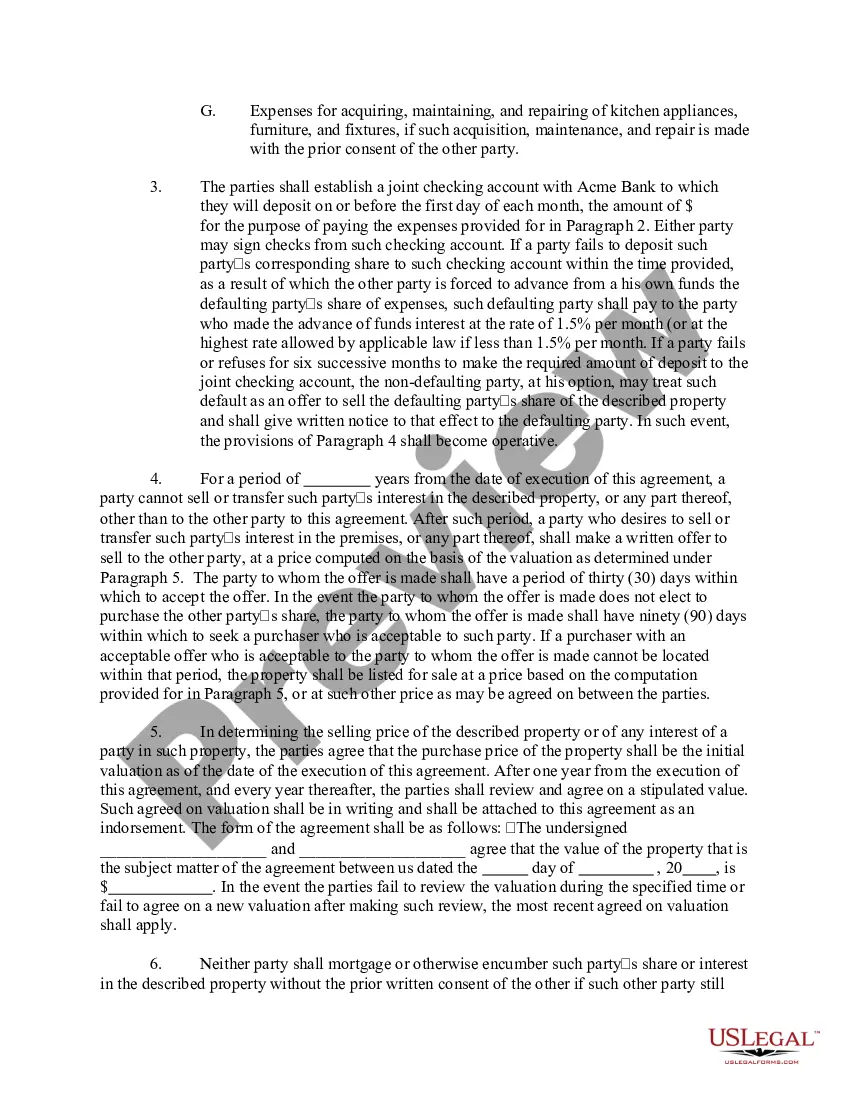
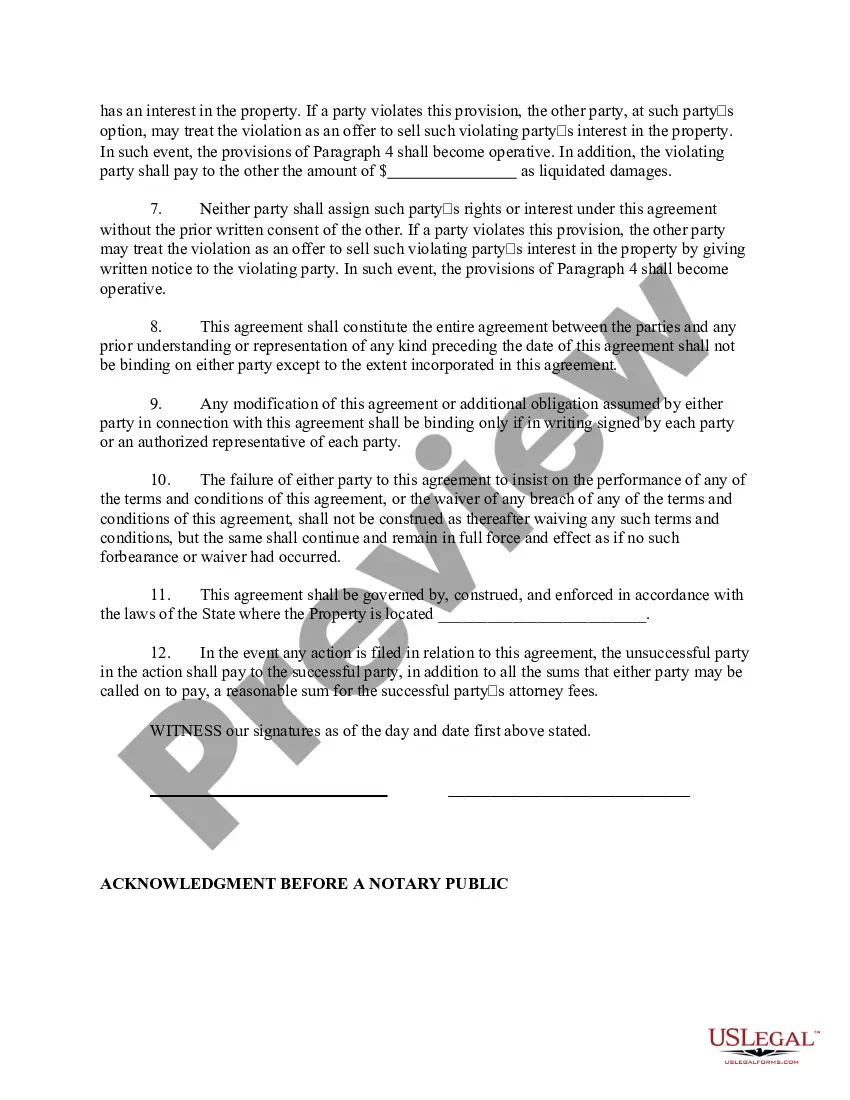
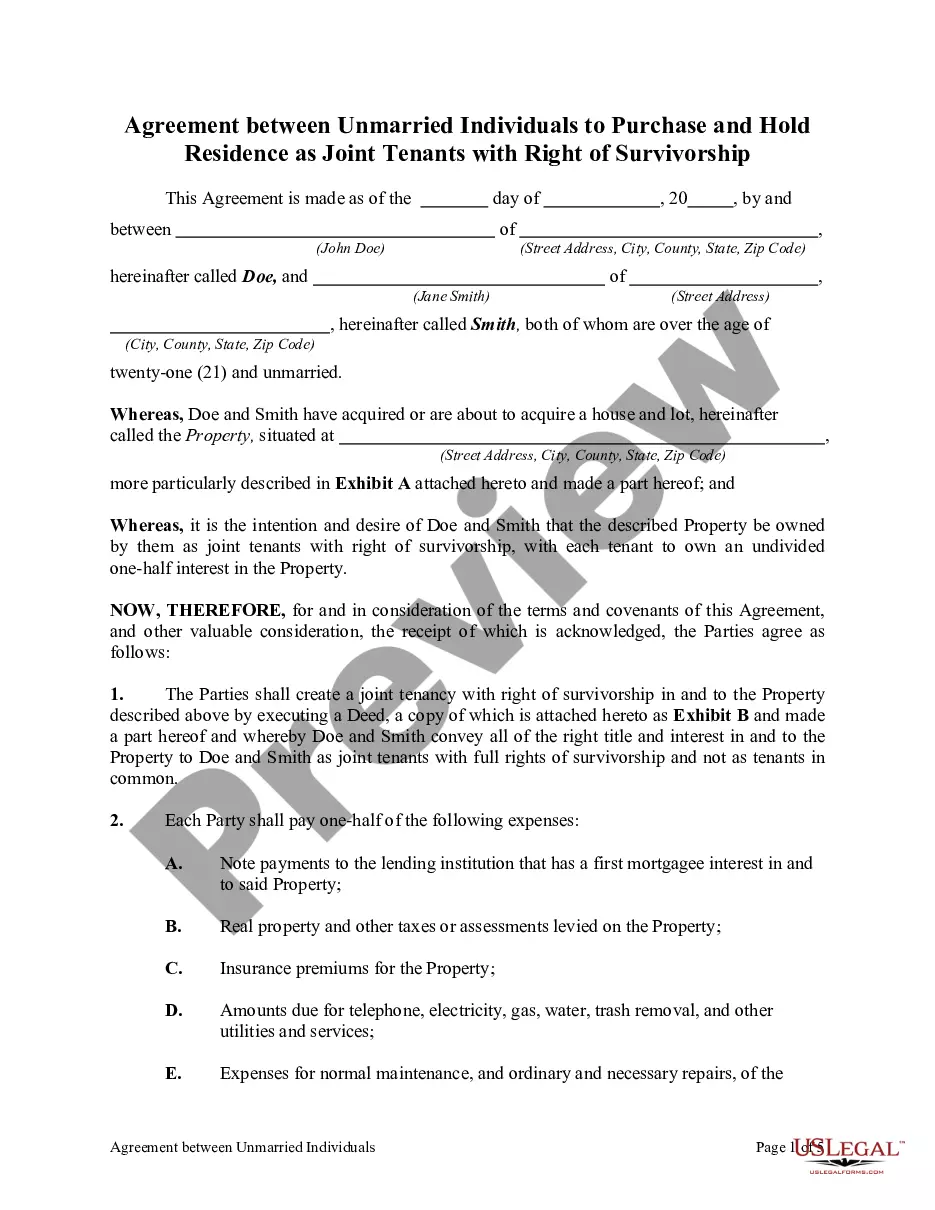
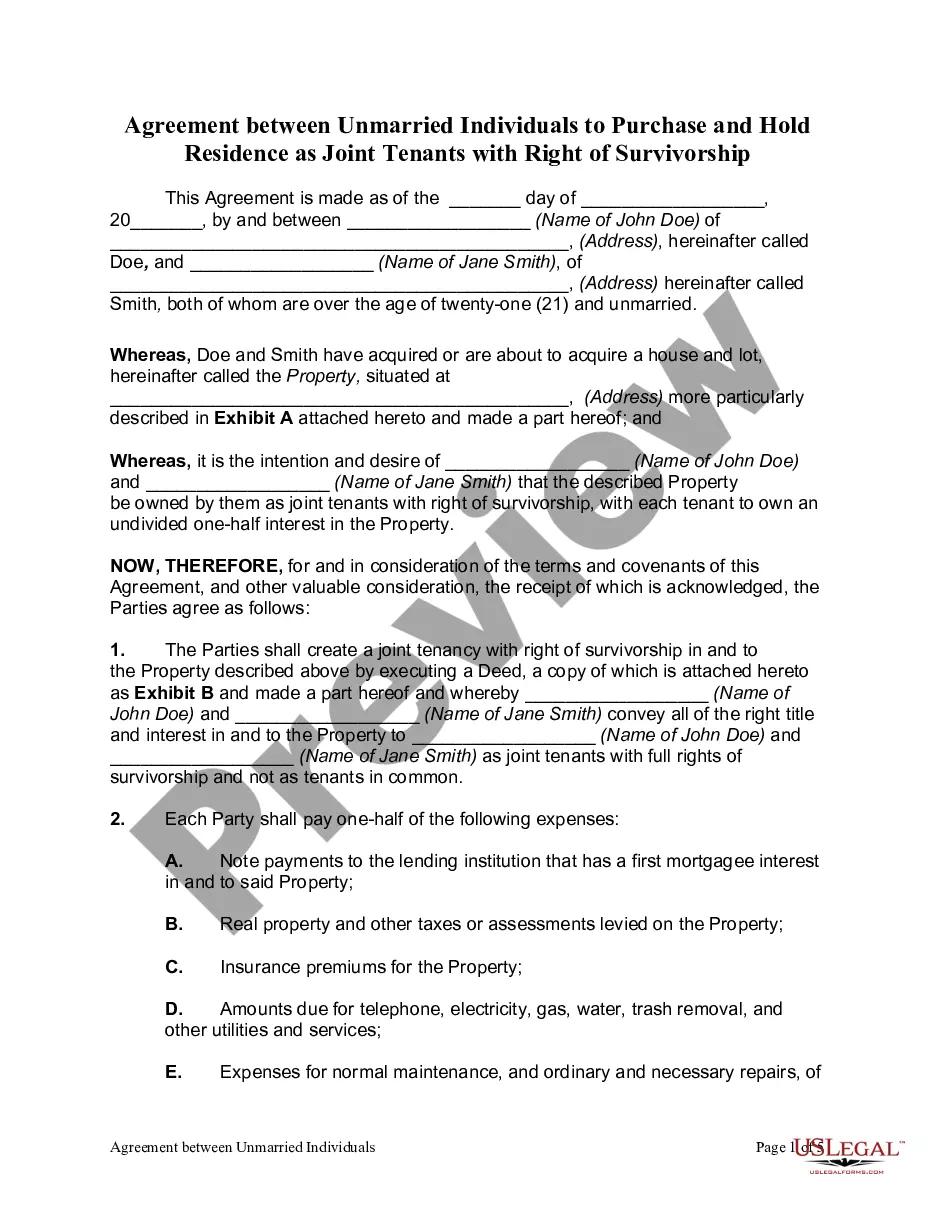
A joint tenancy shall have the incidents of survivorship and severability as at common law, including the unilateral right of each tenant to sever the joint tenancy. Joint tenancy shall be created only by written instrument, which instrument shall expressly declare the interest created to be a joint tenancy.
Further tenancy in common allows parties to hold unequal shares of property interest. Joint tenancy requires each co-owner to hold equal shares of property. Further, co-owners must transfer the deed at the same time. In this sense, joint tenancy is rigid compared to tenancy in common.
Joint Tenancy With Right of Survivorship If you own property with someone else as joint tenants with "right of survivorship," then the surviving owner automatically owns the property when the other owner dies.
Unlike joint tenancy, where each owner has an equal share, tenancy in common allows for specific parts or percentages of the property to be owned by each tenant. This type of ownership is often seen in situations where family members or business partners want to maintain separate shares.
There are exceptions, but generally stated, community property is liable for debts of either spouse, whereas the separate property of the non-debtor spouse, or the one-half joint tenancy interest of the non-debtor spouse, is not liable for debts of the other spouse.
This post will explore how Washington's “joint tenancy with right of survivorship” allows certain assets of an estate to pass from one individual to another upon their death, removing the need for the asset to be subject to probate.
But when there is a surviving spouse, matters change a little bit. In this case, your spouse is entitled to your half of the community property and half of your separate property. Your children are allotted the other half of your separate property.
