Joint Tenancy Form Colorado In Washington
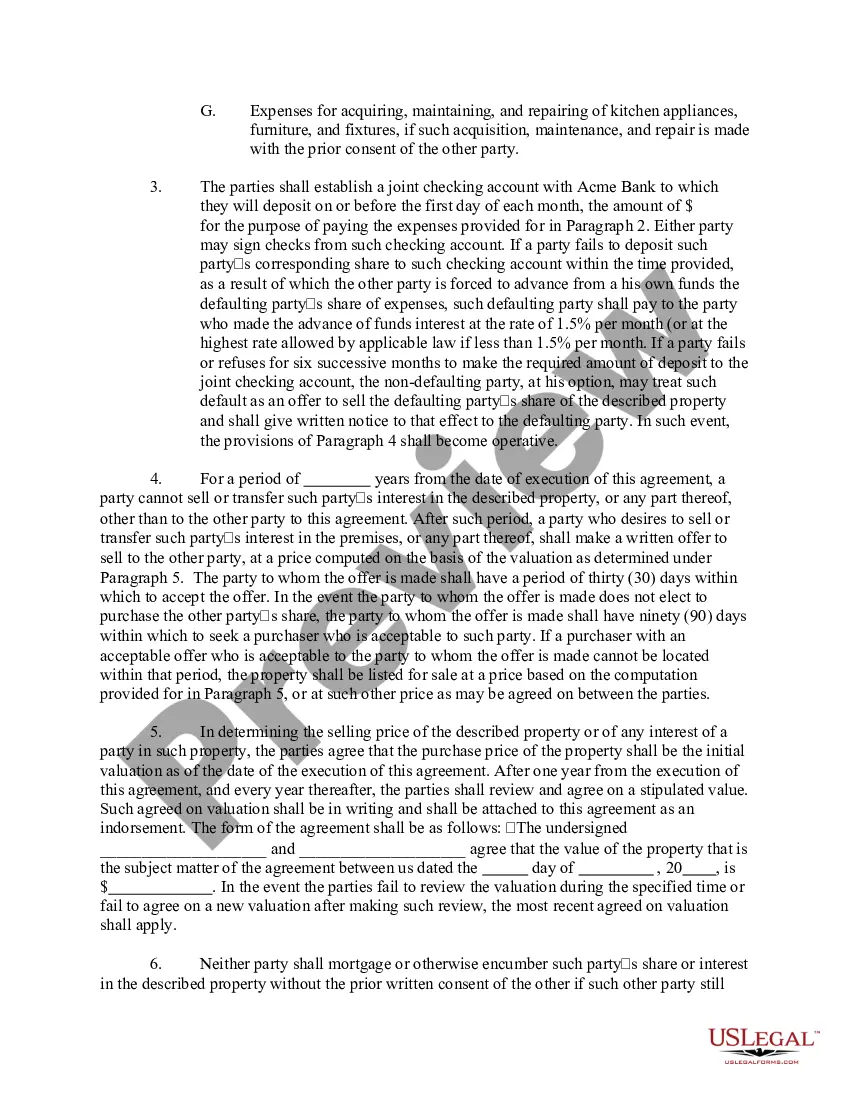
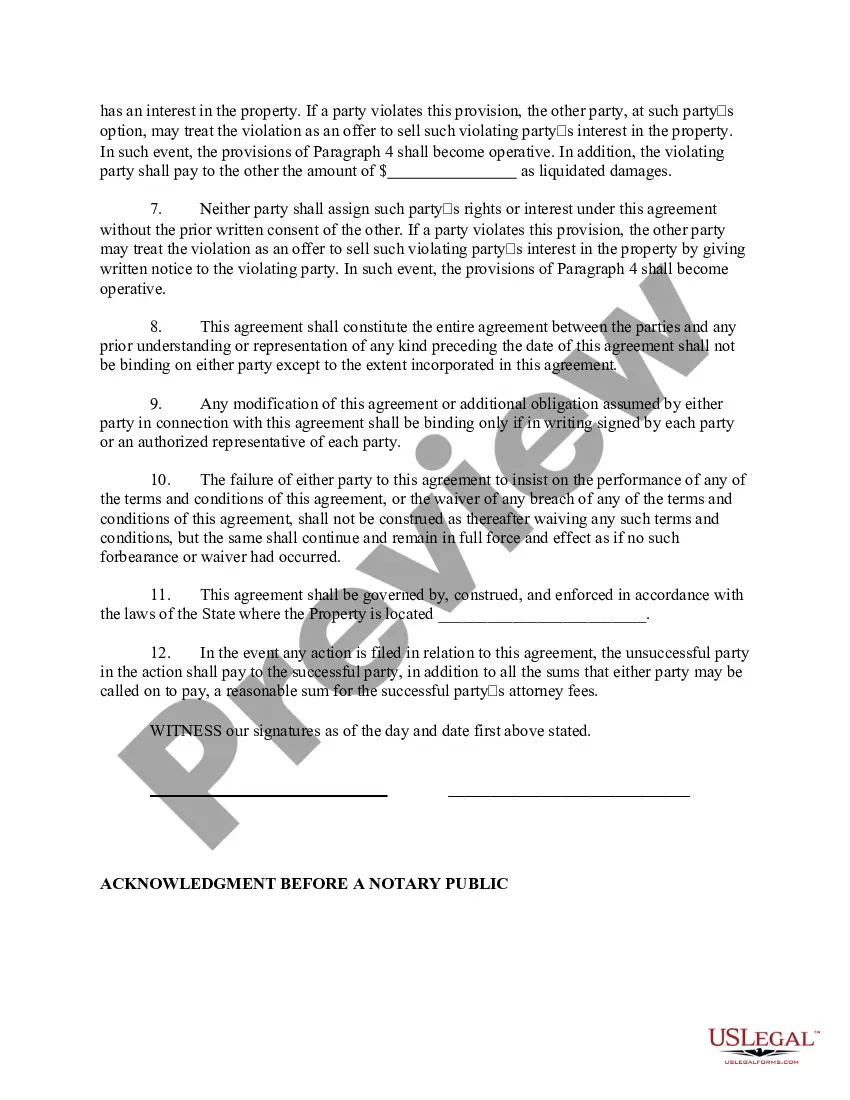
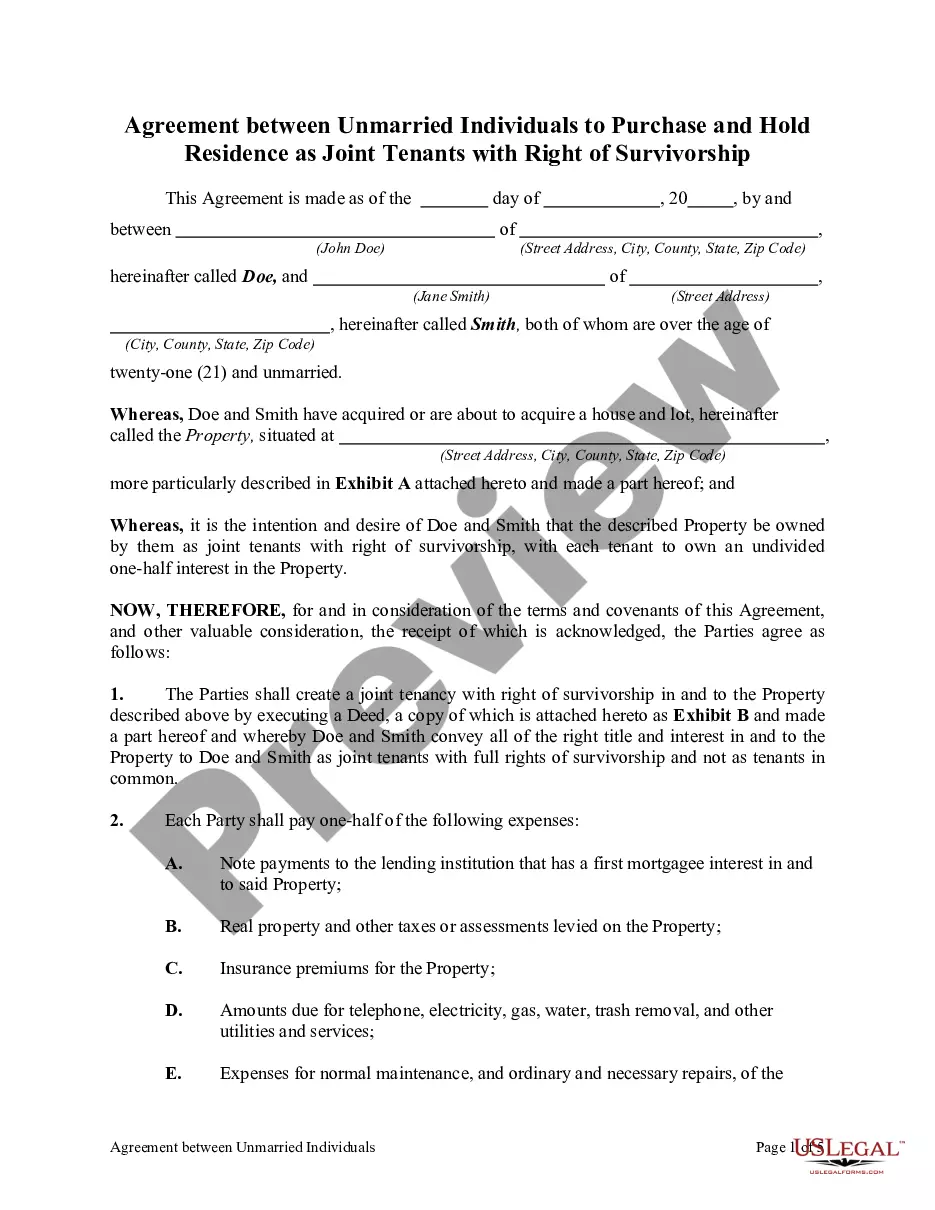
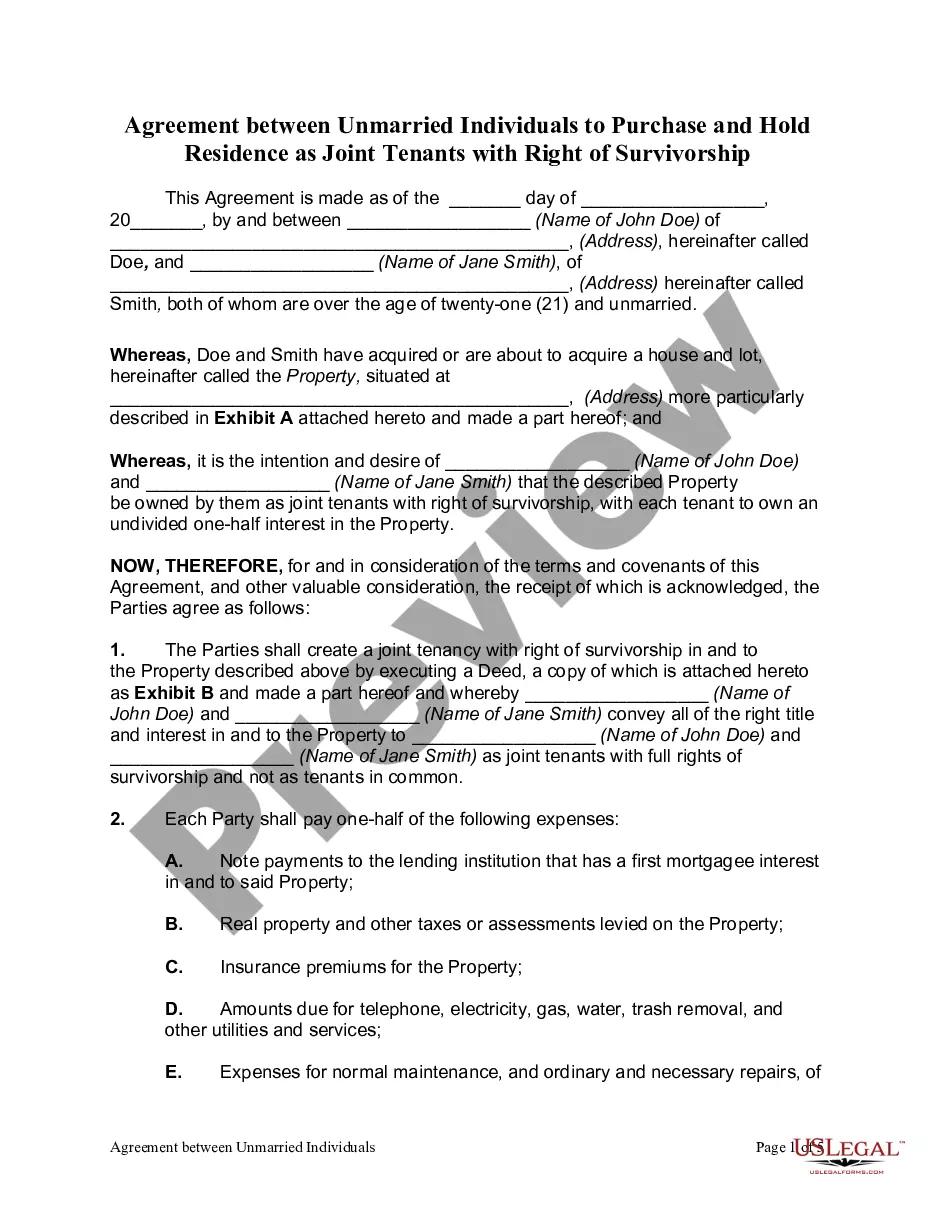
Description

Get your form ready online
Our built-in tools help you complete, sign, share, and store your documents in one place.
Make edits, fill in missing information, and update formatting in US Legal Forms—just like you would in MS Word.
Download a copy, print it, send it by email, or mail it via USPS—whatever works best for your next step.
Sign and collect signatures with our SignNow integration. Send to multiple recipients, set reminders, and more. Go Premium to unlock E-Sign.
If this form requires notarization, complete it online through a secure video call—no need to meet a notary in person or wait for an appointment.
We protect your documents and personal data by following strict security and privacy standards.

Make edits, fill in missing information, and update formatting in US Legal Forms—just like you would in MS Word.

Download a copy, print it, send it by email, or mail it via USPS—whatever works best for your next step.

Sign and collect signatures with our SignNow integration. Send to multiple recipients, set reminders, and more. Go Premium to unlock E-Sign.

If this form requires notarization, complete it online through a secure video call—no need to meet a notary in person or wait for an appointment.

We protect your documents and personal data by following strict security and privacy standards.
Looking for another form?







Form popularity
FAQ
The affidavit shall include a statement that a certificate of death, verification of death document, or certified copy thereof cannot be procured, and the reason therefor, the legal description of the real property, the date and place of death of the deceased person, and a statement that the person referred to in the ...
Joint tenancy is most common among married couples because it helps property owners avoid probate. Without joint tenancy, a spouse would have to wait for their partner's Last Will to go through a legal review process—which can take months or even years.
Joint Tenants in Colorado For non-spouses, Colorado recognizes joint tenancy with right of survivorship as a common form of joint ownership. This form allows multiple people or entities to own a title interest to the property, and comes with various rights and responsibilities.
(1) Joint tenancy interests held in the names of both spouses or both domestic partners, whether or not in conjunction with others, are presumed to be their community property, the same as other property held in the name of both spouses or both domestic partners.
Property in Colorado can only be owned be- tween two or more individuals in joint tenancy or as tenants in common. What if I Want to Add Someone as a Joint Owner on My Asset? Before you change the title or ownership of an asset, under- stand that any such change can cause significant legal and/ or tax consequences.
Joint tenancy property passes directly to the surviving joint tenant(s) and does not go through the probate process.
If you want the title in Joint Tenancy with Rights of Survivorship, you will need a completed Department of Revenue form DR 2395 Joint Tenancy Form signed by all parties. You can find this DR2395 Form online at dmvlorado, or we can provide that Form to you.
Community Property with Right of Survivorship Under this form of property ownership, if one spouse dies, the other spouse automatically inherits the interest of the other spouse. This type of property ownership is useful for couples who want to avoid having their estate go into probate when one of them passes away.