Joint Tenants Definition In Law In Virginia
Description





Form popularity
FAQ
Without a written agreement, your lease goes for 12 months. You can negotiate with your landlord to end or change it, but be sure to get any changes in writing. Your landlord can't end or change the agreement within the first 12 months unless you both agree.
State Laws: When a Guest Legally Becomes a Tenant StateRules on Guests Becoming Tenants Virginia No official cutoff. Landlord must specify in lease Washington No official cutoff. Landlord must specify in lease West Virginia No official cutoff. Landlord must specify in lease47 more rows •
In Joint Tenancy in Virginia, all owners must control equal shares of the property. This is as opposed to Tenants in Common, where two people may own 50% each, or four people own 25% each, or some other portion of the whole. In Tenancy by the Entirety, each married spouse owns 100% of the property.
: one who has the occupation or temporary possession of lands or tenements of another. specifically : one who rents or leases a dwelling (such as a house) from a landlord. b. : one who holds or possesses real estate or sometimes personal property (such as a security) by any kind of right.
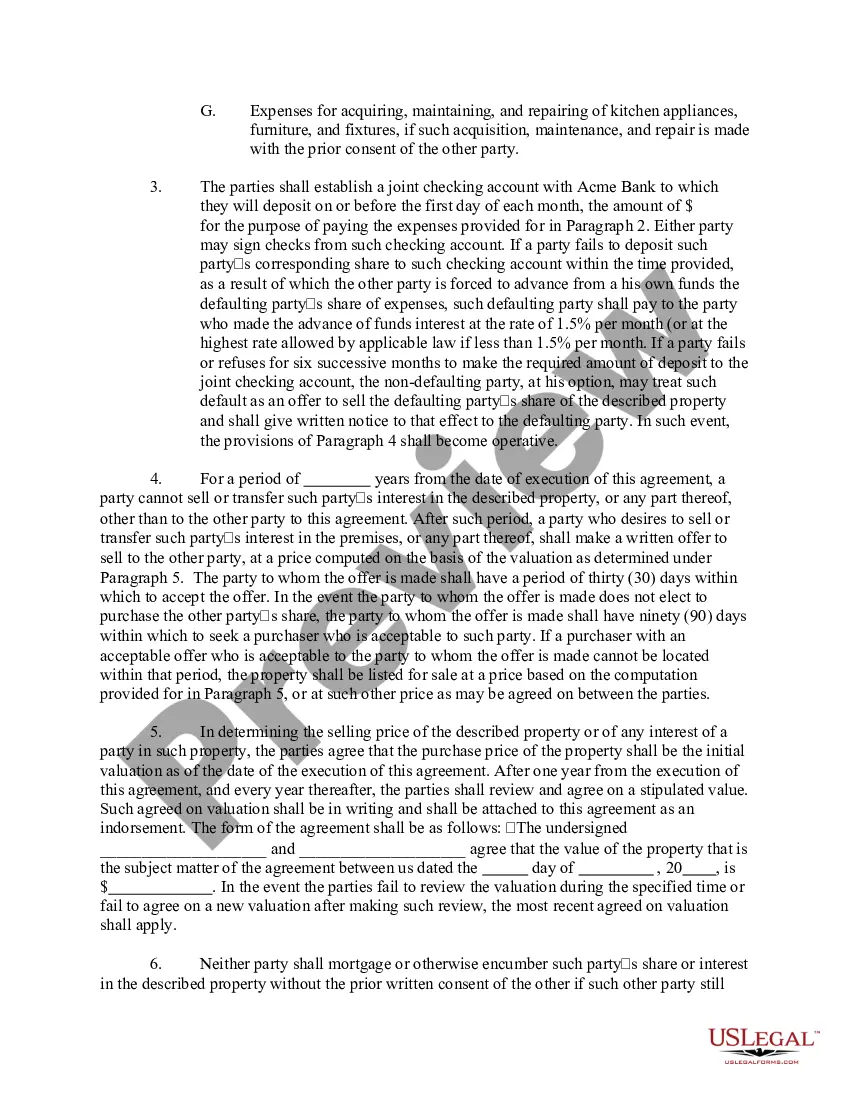
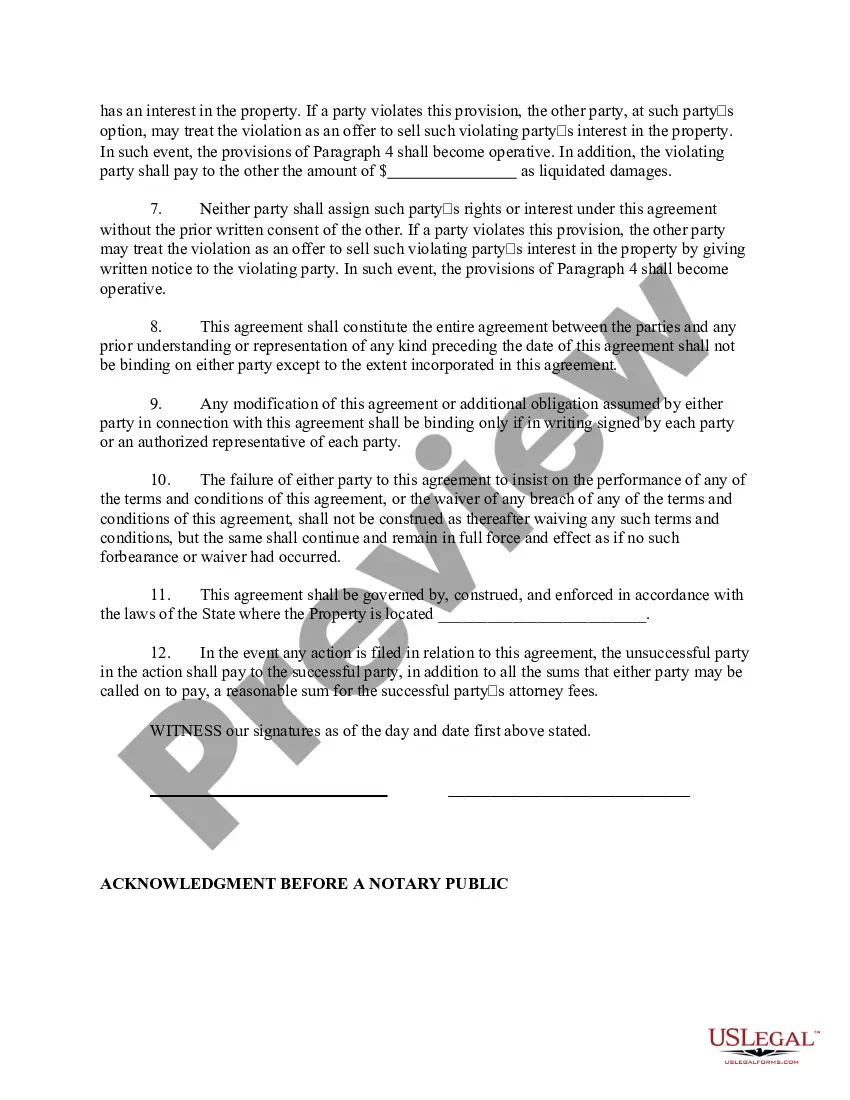
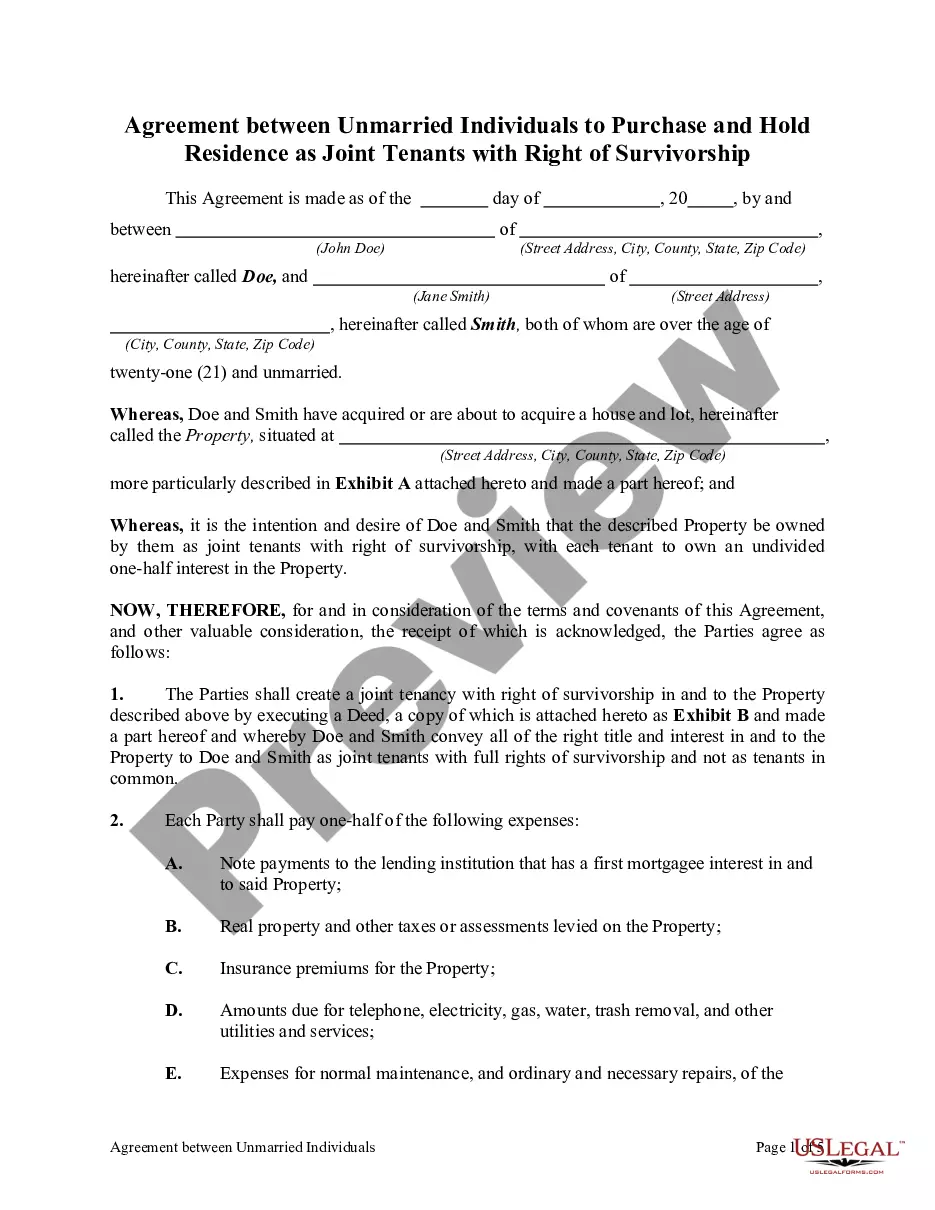
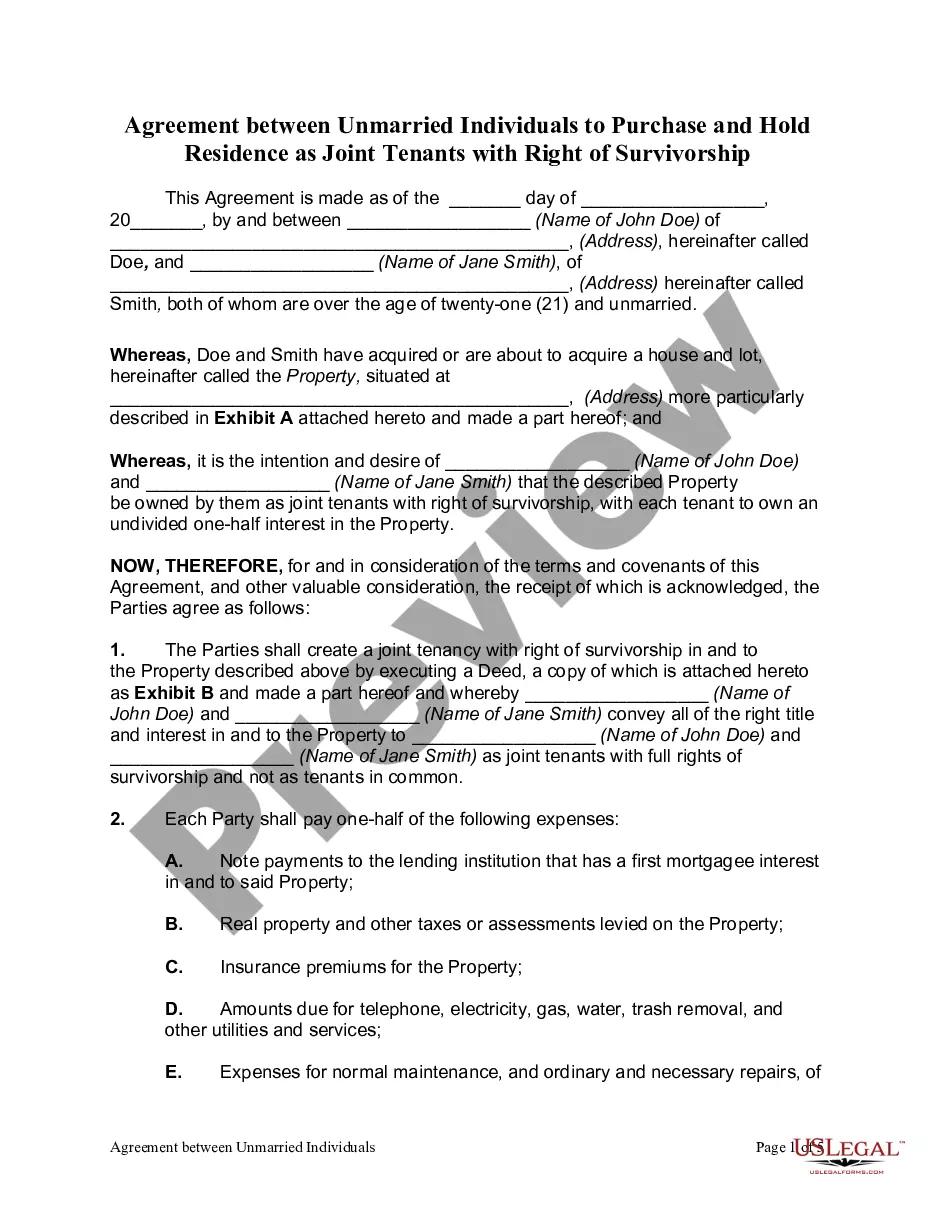
Virginia recognizes the ability of two or more individuals to hold concurrent interests in a property. There are four types of co-ownership structures recognized under the Virginia law: (1) tenancy in common, (2) joint tenancy, (3) tenancy by entirety, and (4) coparcenary.
"Sublease" means the transfer by any tenant of any but not all interests created by a rental agreement. "Tenant" means a person entitled only under the terms of a rental agreement to occupy a dwelling unit to the exclusion of others and includes a roomer.
Further tenancy in common allows parties to hold unequal shares of property interest. Joint tenancy requires each co-owner to hold equal shares of property. Further, co-owners must transfer the deed at the same time. In this sense, joint tenancy is rigid compared to tenancy in common.
The landlord or the tenant may terminate a month-to-month tenancy by serving a written notice on the other at least 30 days prior to the next rent due date, unless the rental agreement provides for a different notice period. The landlord and the tenant may agree in writing to an early termination of a rental agreement.
No trust relating to real estate shall fail nor shall any use relating to real estate be defeated because no beneficiaries are specified by name in the recorded deed of conveyance to the trustee or because no duties are imposed upon the trustee.
Tenants by the entirety in real and personal property; certain trusts. A. Spouses may own real or personal property as tenants by the entirety for as long as they are married.
