Joint Ownership Form Meaning In Travis
Description

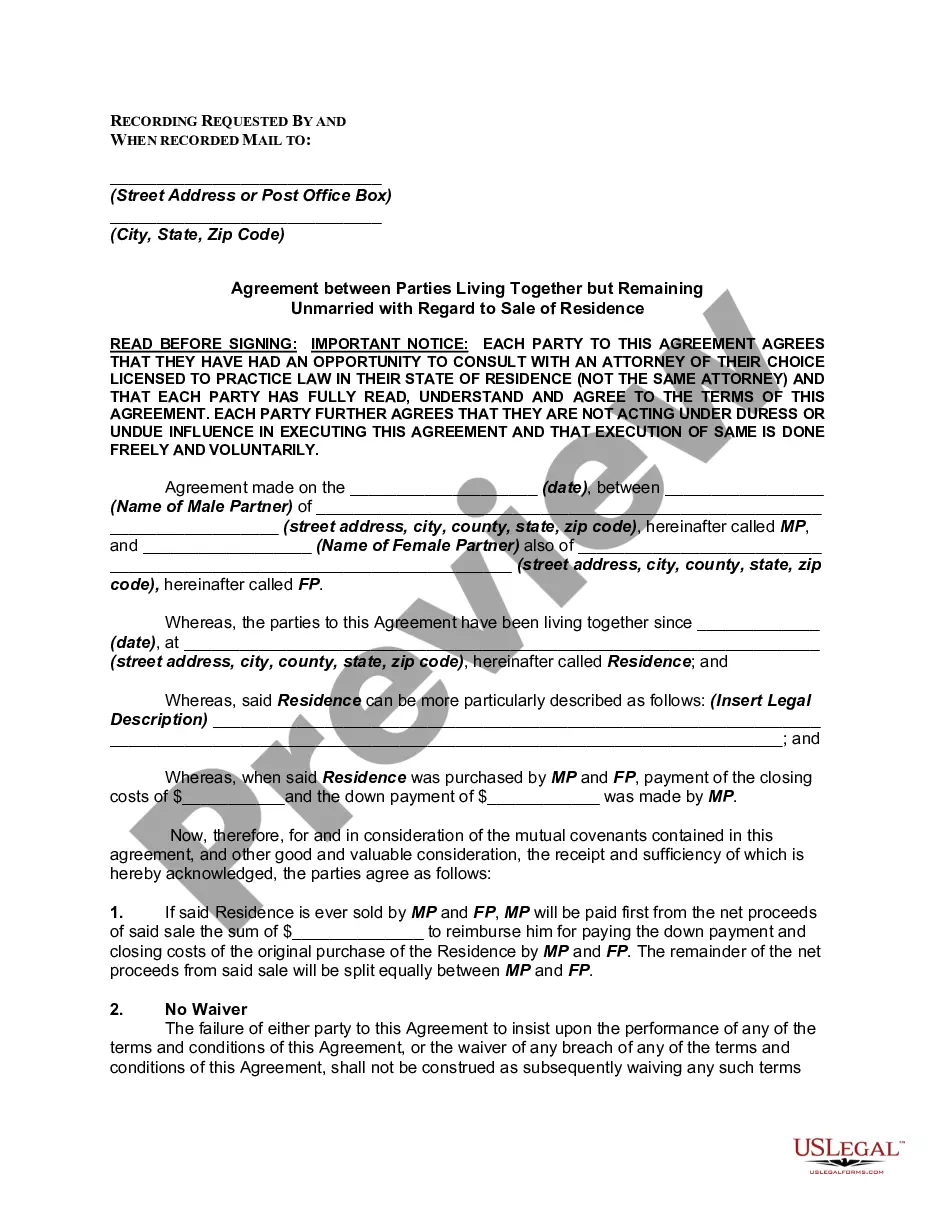
Get your form ready online
Our built-in tools help you complete, sign, share, and store your documents in one place.
Make edits, fill in missing information, and update formatting in US Legal Forms—just like you would in MS Word.
Download a copy, print it, send it by email, or mail it via USPS—whatever works best for your next step.
Sign and collect signatures with our SignNow integration. Send to multiple recipients, set reminders, and more. Go Premium to unlock E-Sign.
If this form requires notarization, complete it online through a secure video call—no need to meet a notary in person or wait for an appointment.
We protect your documents and personal data by following strict security and privacy standards.

Make edits, fill in missing information, and update formatting in US Legal Forms—just like you would in MS Word.

Download a copy, print it, send it by email, or mail it via USPS—whatever works best for your next step.

Sign and collect signatures with our SignNow integration. Send to multiple recipients, set reminders, and more. Go Premium to unlock E-Sign.

If this form requires notarization, complete it online through a secure video call—no need to meet a notary in person or wait for an appointment.

We protect your documents and personal data by following strict security and privacy standards.
Looking for another form?









Form popularity
FAQ
For example, business partners and unrelated people who own property together often decide to own the property as Tenants-in-Common. Joint Tenancy is the other form of combined ownership, whereby all of the registered owners own the entire property together at the same time.
Joint-owned property is any property that's held in the name of two or more parties. They can be business partners or any other combination of people who have a reason to own property together. The matrimonial status of joint ownership of assets occurs when the two parties are spouses.
Documents proving joint ownership are: mortgage statements, credit card statements, bank statements, property tax statements and current, non-expired residential leasing agreements listing both parties' names as co-owners.
2. Joint tenancy with rights of survivorship (JTWROS) Type of owner: married couplesThe most common form of property ownership for married couples is joint tenancy with rights of survivorship, which awards both parties undivided ownership.
A joint owner or co-owner means that both owners have the same access to the account. As an owner of the account, both co-owners can deposit, withdraw, or close the account. You most likely want to reserve this for someone with whom you already have a financial relationship, such as a family member.
A joint owner or co-owner means that both owners have the same access to the account. As an owner of the account, both co-owners can deposit, withdraw, or close the account. You most likely want to reserve this for someone with whom you already have a financial relationship, such as a family member.
Joint ownership is a concept in property law that refers to the ownership of property by two or more people. There are four main types of joint ownership: joint tenancy with rights of survivorship ; tenancy by the entirety ; tenancy in common and community property .
A joint ownership ing to the law of property is a type of enterprise where two or more persons (natural persons or legal persons, public or private) can own one or several asset items. A joint ownership is not a legal person, like for instance a limited company, a general partnership or an association.
