Joint Tenancy For Bank Account In Tarrant
Description

Get your form ready online
Our built-in tools help you complete, sign, share, and store your documents in one place.
Make edits, fill in missing information, and update formatting in US Legal Forms—just like you would in MS Word.
Download a copy, print it, send it by email, or mail it via USPS—whatever works best for your next step.
Sign and collect signatures with our SignNow integration. Send to multiple recipients, set reminders, and more. Go Premium to unlock E-Sign.
If this form requires notarization, complete it online through a secure video call—no need to meet a notary in person or wait for an appointment.
We protect your documents and personal data by following strict security and privacy standards.

Make edits, fill in missing information, and update formatting in US Legal Forms—just like you would in MS Word.

Download a copy, print it, send it by email, or mail it via USPS—whatever works best for your next step.

Sign and collect signatures with our SignNow integration. Send to multiple recipients, set reminders, and more. Go Premium to unlock E-Sign.

If this form requires notarization, complete it online through a secure video call—no need to meet a notary in person or wait for an appointment.

We protect your documents and personal data by following strict security and privacy standards.
Looking for another form?





Form popularity
FAQ
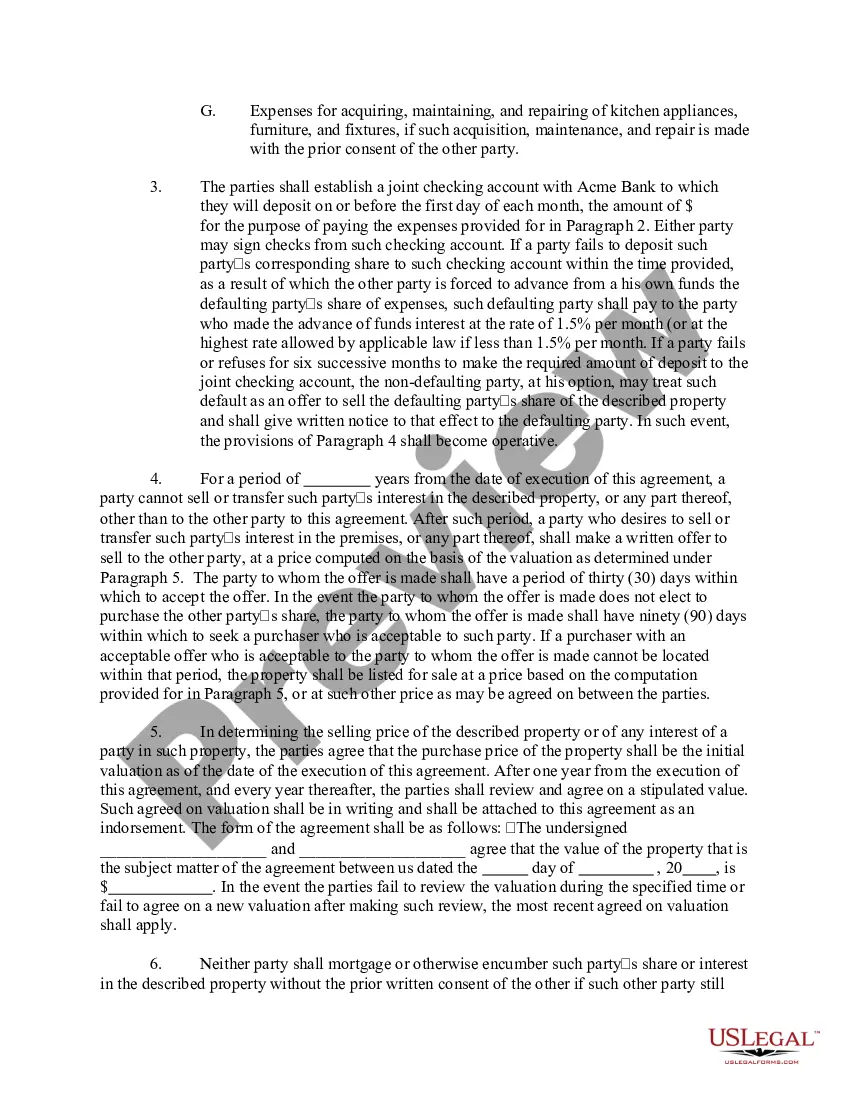
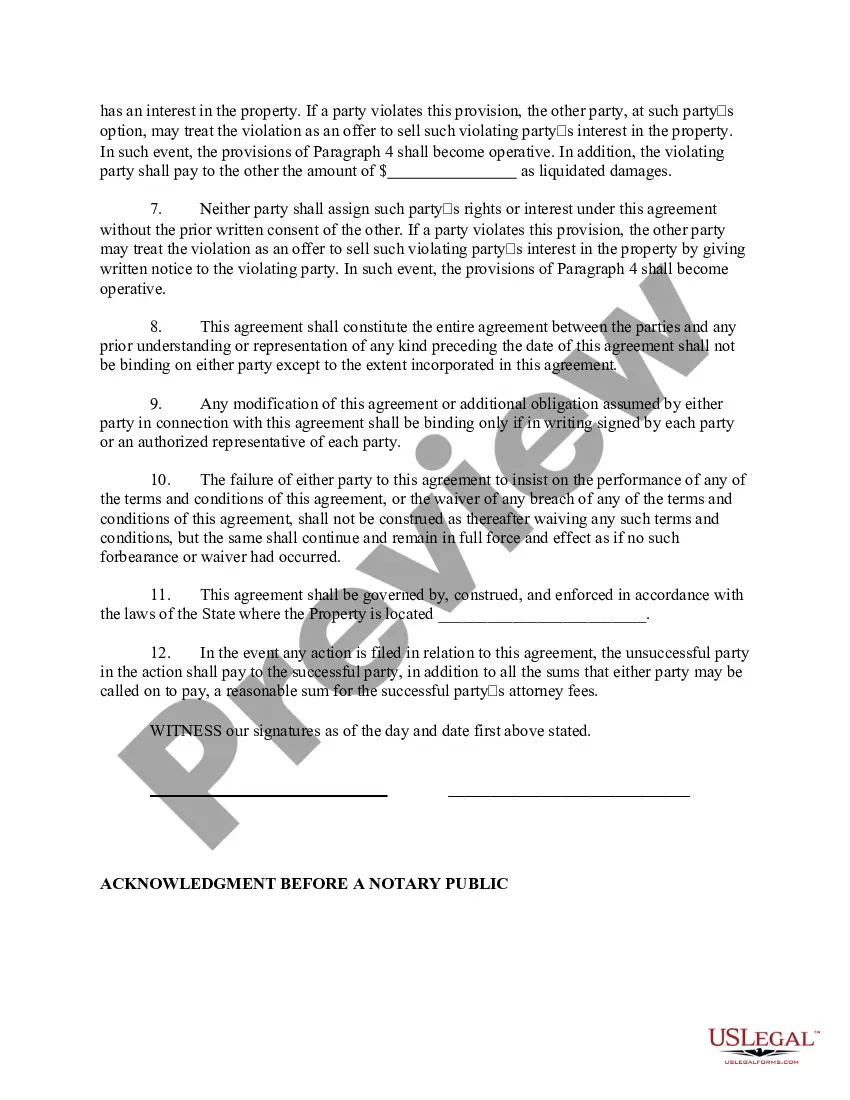
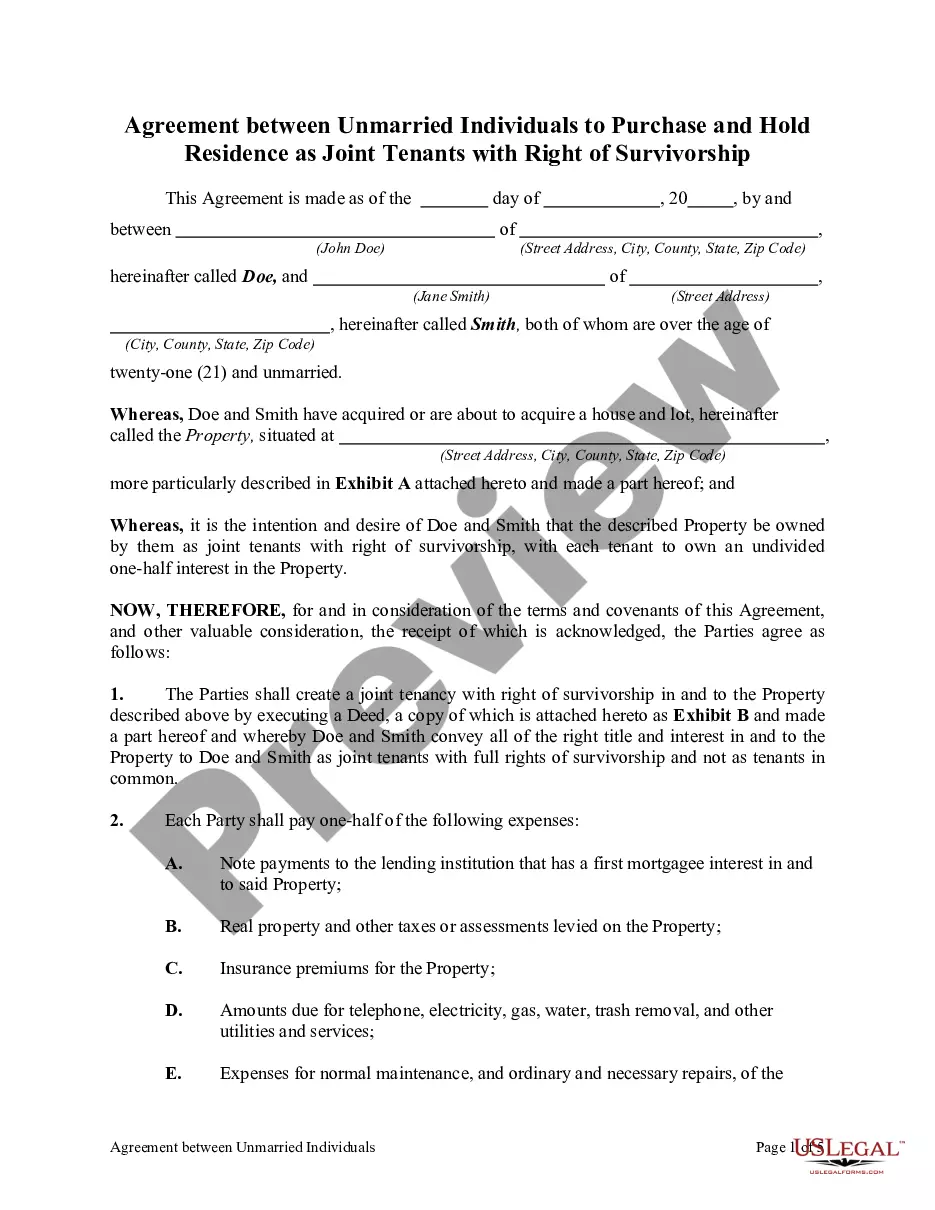
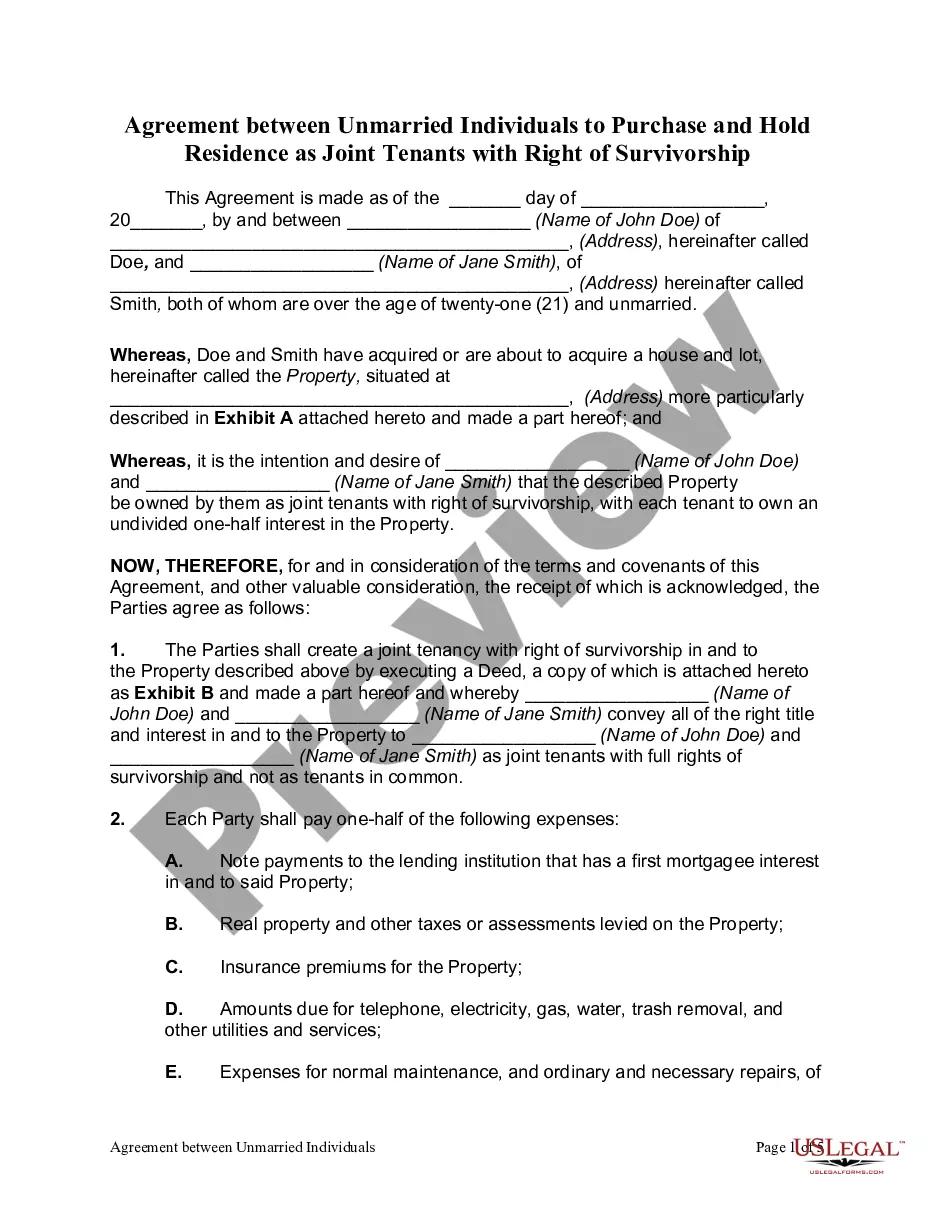
A joint account is a bank or brokerage account shared by two or more individuals. Joint account holders have equal access to funds but also share equal responsibility for any fees or charges incurred. Transactions conducted through a joint account may require the signature of all parties or just one.
Not all property becomes subject to the Texas probate process after one passes away. Assets such as jointly owned real estate, bank accounts, or insurance policies for which a beneficiary has been designated will transfer without becoming a part of the deceased's probate estate.
Right of Survivorship This property passes automatically to the surviving named joint account owner on the death of the other owner.
The specific requirements for opening a joint account may vary slightly between banks, but generally, you will need: Identification Documents: You need to present valid IDs for all account holders (e.g., passport, driver's license, SSS/GSIS ID) to open a joint bank account.
If you decide to open a joint account, you'll need proof of identification and proof of address. Depending on your bank, you may need more than one proof of address document. There are a number of different documents you can use which are accepted, some common types include: Passport.
To open a joint current account, you typically need to provide: Identity proof for both account holders (e.g., Aadhaar card, PAN card, passport) Address proof for both account holders (e.g., utility bills, rental agreement) Income proof (e.g., salary slips, bank statements)
Together, you can choose the checking or savings account that works for you. To open a joint account, you'll need: Identification for both account owners, like a driver's license, state ID or passport. Personal information for both account owners, including your date of birth, Social Security number and current address.
The best way to open a joint account is for the account holders to visit a bank location together because all participants will need to sign the signature card. Good news: no credit check is required. You'll need: Identification for all account owners, like a driver's license, state ID or passport.
Contrary to popular belief, joint bank accounts are not only for couples. They can be used by family members who share responsibilities (and ownership) of a family cottage, roommates who share ownership of their dwelling (such as a condo), or between a parent and their child.