Property Agreement For Unmarried Couples In Santa Clara
Description

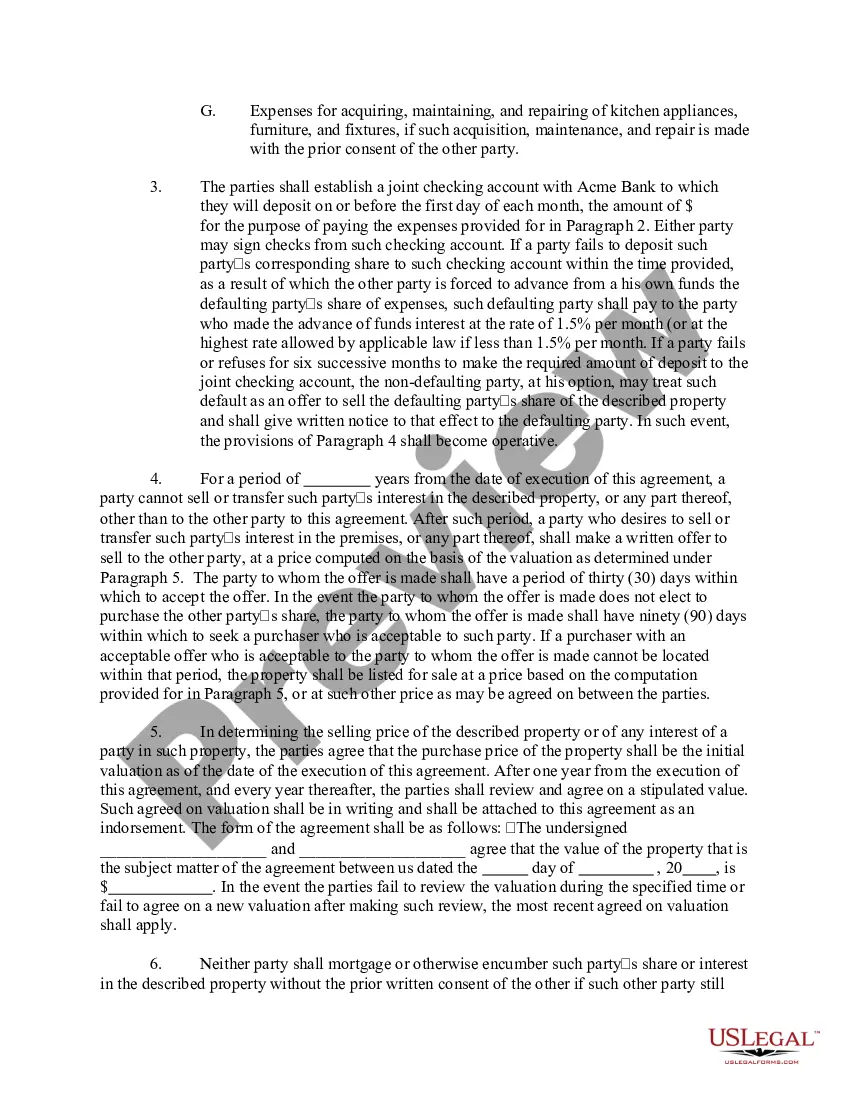
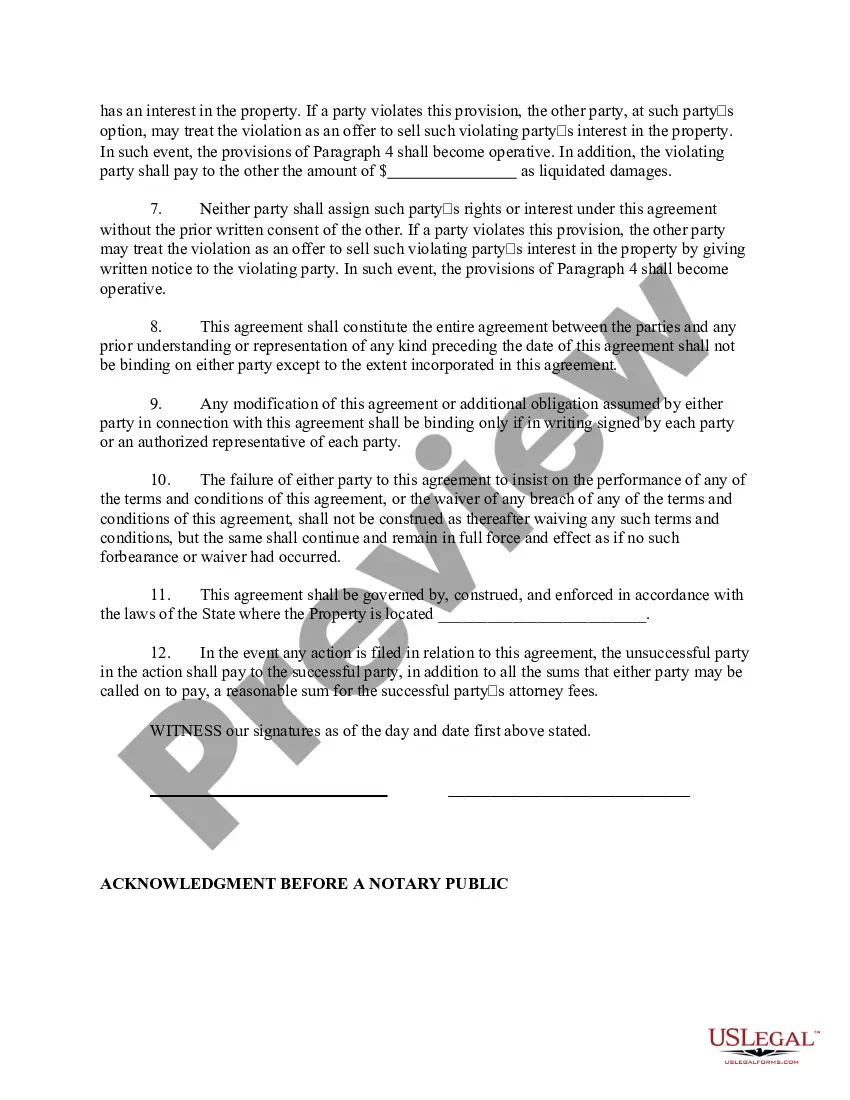
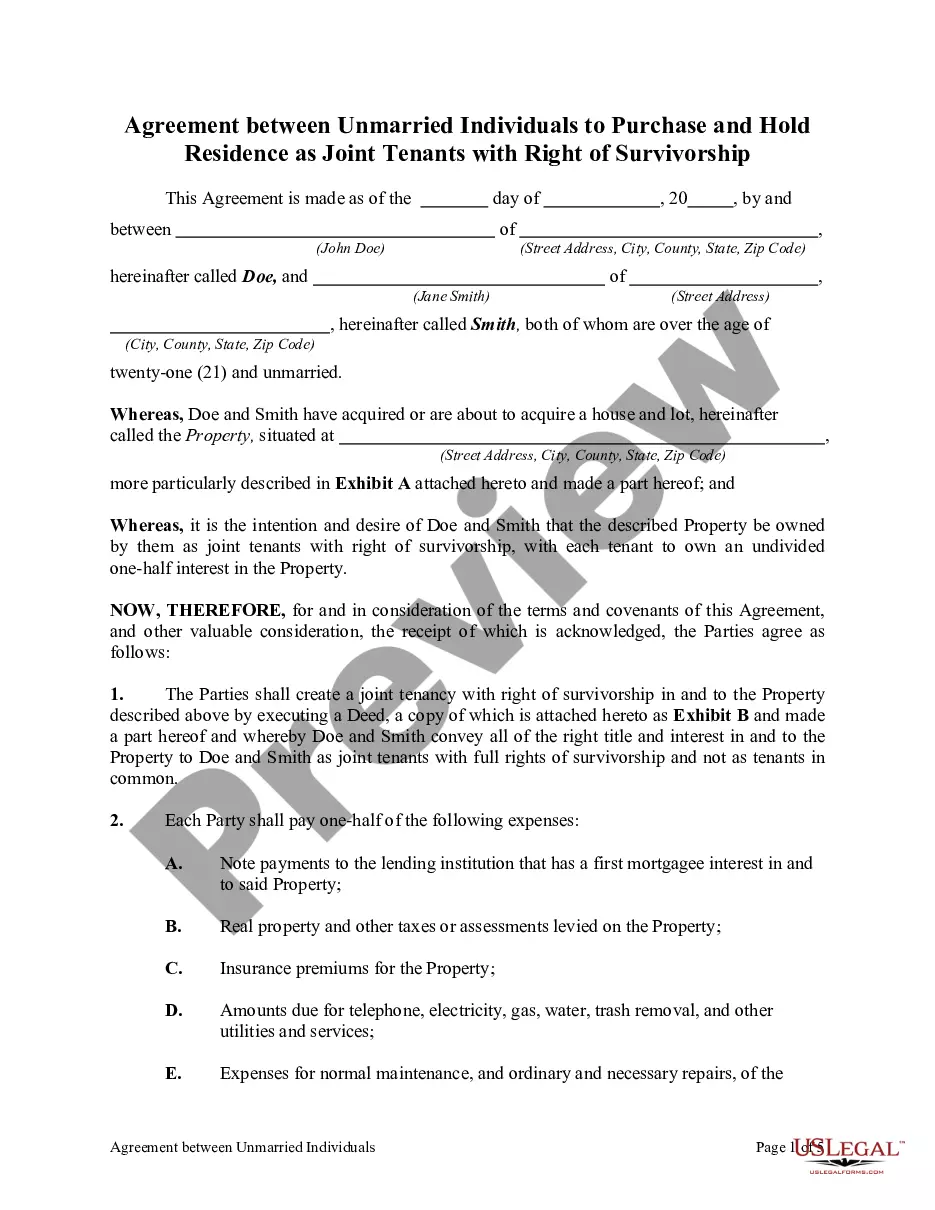
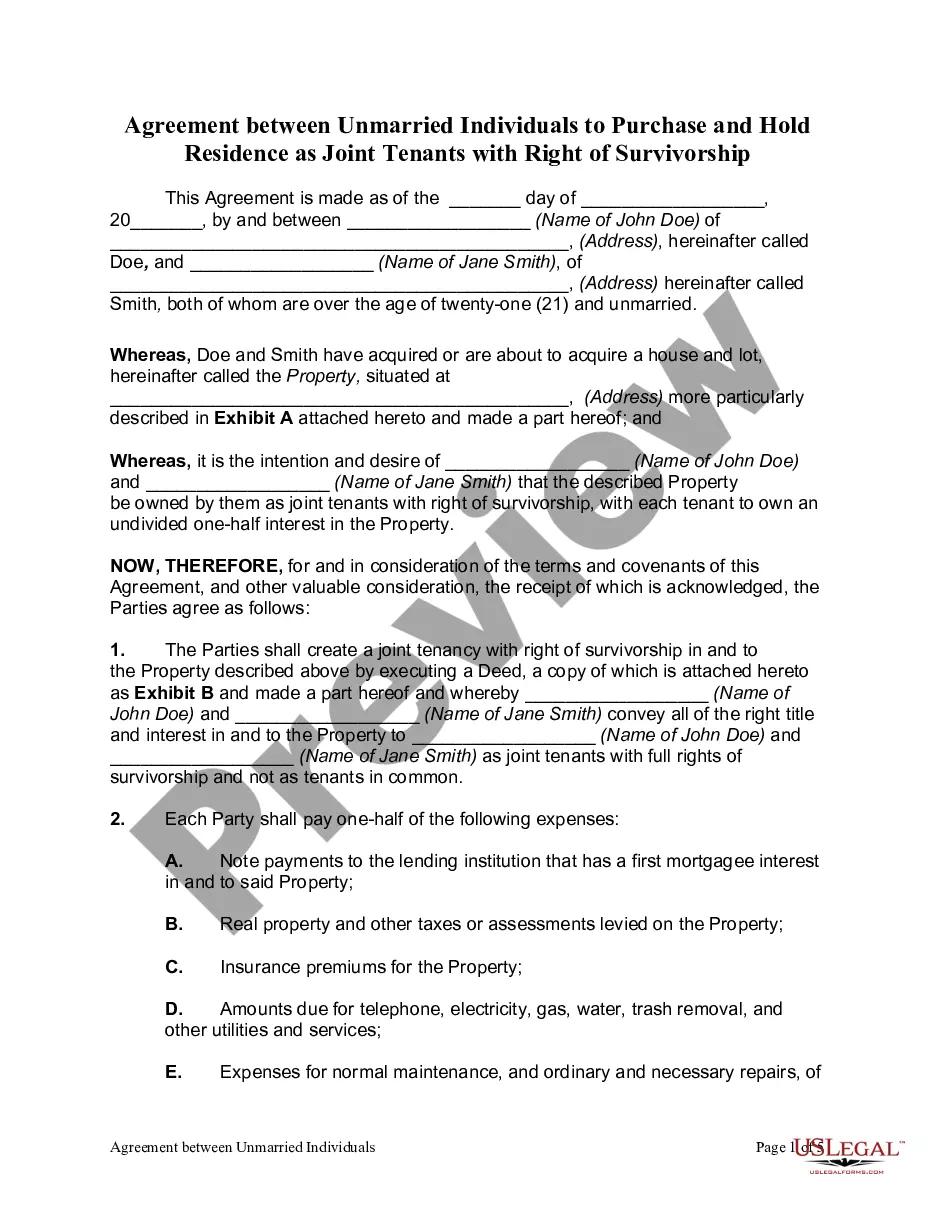
Get your form ready online
Our built-in tools help you complete, sign, share, and store your documents in one place.
Make edits, fill in missing information, and update formatting in US Legal Forms—just like you would in MS Word.
Download a copy, print it, send it by email, or mail it via USPS—whatever works best for your next step.
Sign and collect signatures with our SignNow integration. Send to multiple recipients, set reminders, and more. Go Premium to unlock E-Sign.
If this form requires notarization, complete it online through a secure video call—no need to meet a notary in person or wait for an appointment.
We protect your documents and personal data by following strict security and privacy standards.

Make edits, fill in missing information, and update formatting in US Legal Forms—just like you would in MS Word.

Download a copy, print it, send it by email, or mail it via USPS—whatever works best for your next step.

Sign and collect signatures with our SignNow integration. Send to multiple recipients, set reminders, and more. Go Premium to unlock E-Sign.

If this form requires notarization, complete it online through a secure video call—no need to meet a notary in person or wait for an appointment.

We protect your documents and personal data by following strict security and privacy standards.
Looking for another form?
Form popularity
FAQ
Joint Tenancy. If you take title as joint tenants, you share equal ownership of the property and each of you has the right to use the entire property. If one joint tenant dies, the other automatically becomes the owner of the deceased person's share, even if there's a will to the contrary.
Because California is not a state that recognizes common law marriage, your girlfriend has no rights to your assets by virtue of the relationship that you had. Any assets that you own individually are yours and not subject to claim by her unless she has some other cause of action against you, such as in contract.
If an asset was owned solely by an individual before the partnership began, he/she will retain sole ownership after the split. However, any co-owned property must be divided equally after the end of the partnership. Sometimes, disputes arise because of difficulties in proving that an asset is co-owned.
Property. If an unmarried couple owns a house, or other substantial property together, it will be divided equally upon separation.
In California, one large subset of unmarried people – cohabitants – generally have no right to support from each other and no interest in or right to use any property that the other cohabitant has acquired. Long-term cohabitation by itself does not change that.
In California, the state follows a 50/50 law, which means that any assets that were acquired during the marriage are split equally between both spouses. While this may seem like a fair approach to asset division, it can create problems for individuals who want to keep what's theirs.
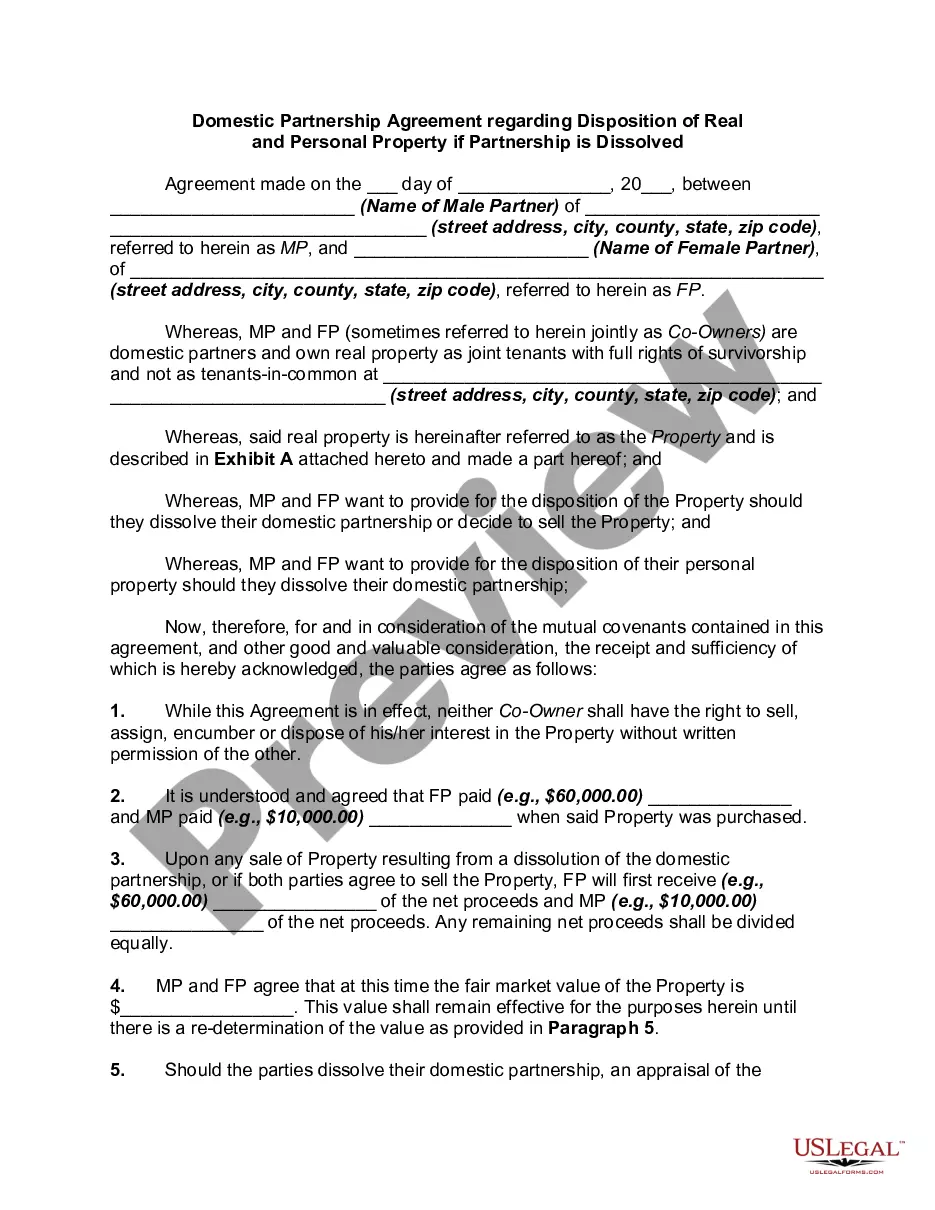
Unmarried couples are not entitled to the property, inheritance, and spousal support rights of married couples, but they do have the right to enter into an agreement that specifies how these issues are handled. That said, California does place some restrictions on agreements between unmarried couples.
Unmarried couples who live together in California fall under the legal umbrella of 'cohabitation. ' A new law in California allows cohabitating romantic couples to file to be known as a domestic partnership. While this law affords couples similar rights to married couples, the law is only recognized within California.
Unmarried couples are not entitled to the property, inheritance, and spousal support rights of married couples, but they do have the right to enter into an agreement that specifies how these issues are handled. That said, California does place some restrictions on agreements between unmarried couples.
