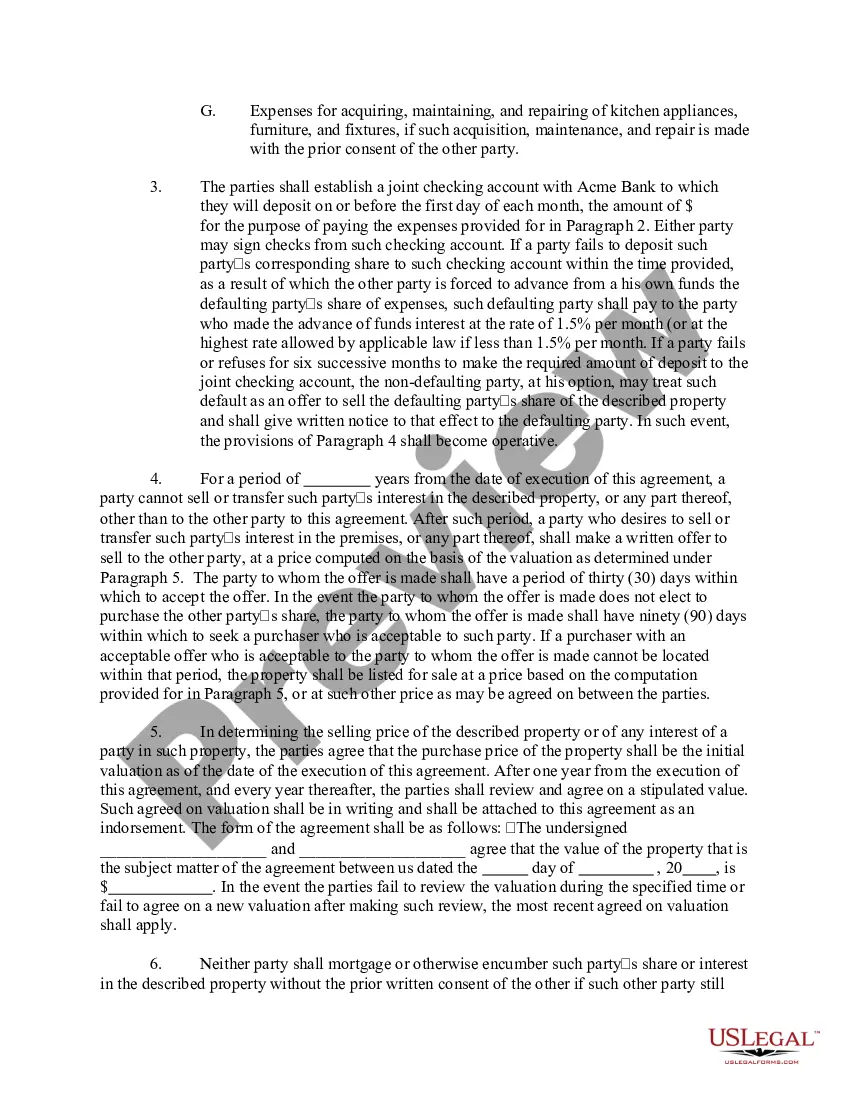
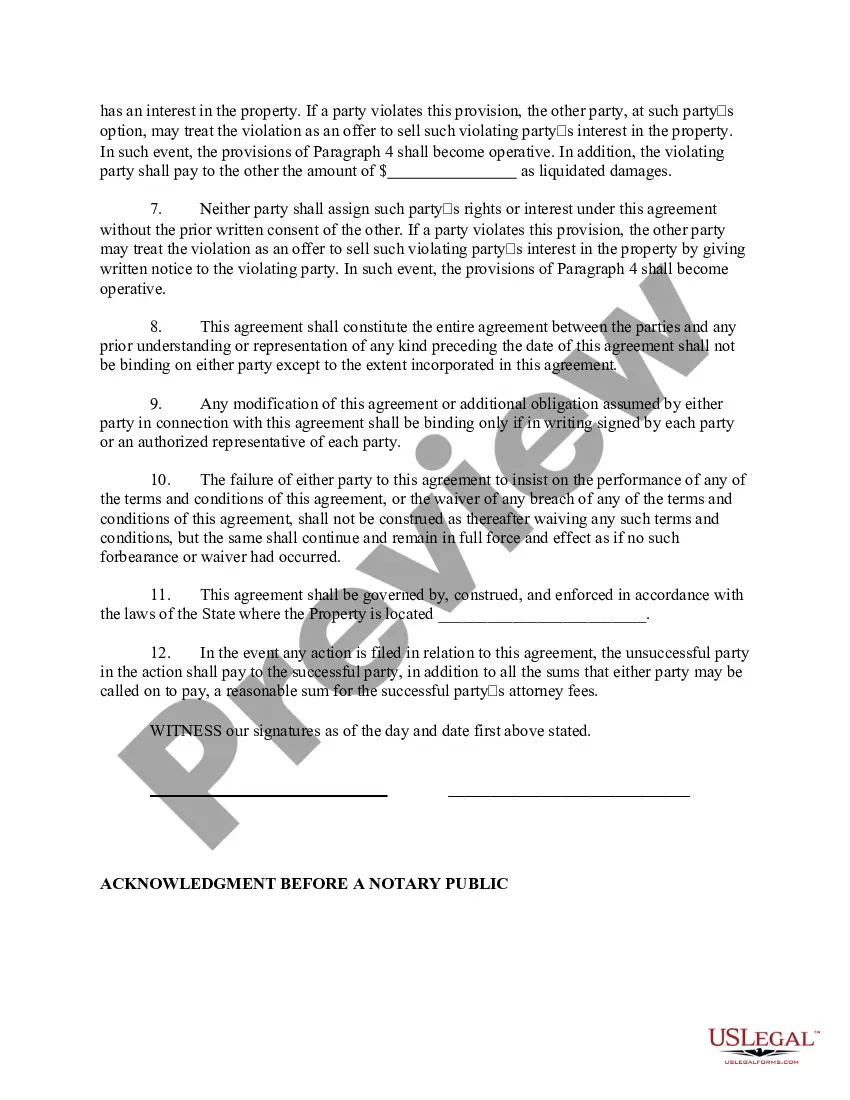
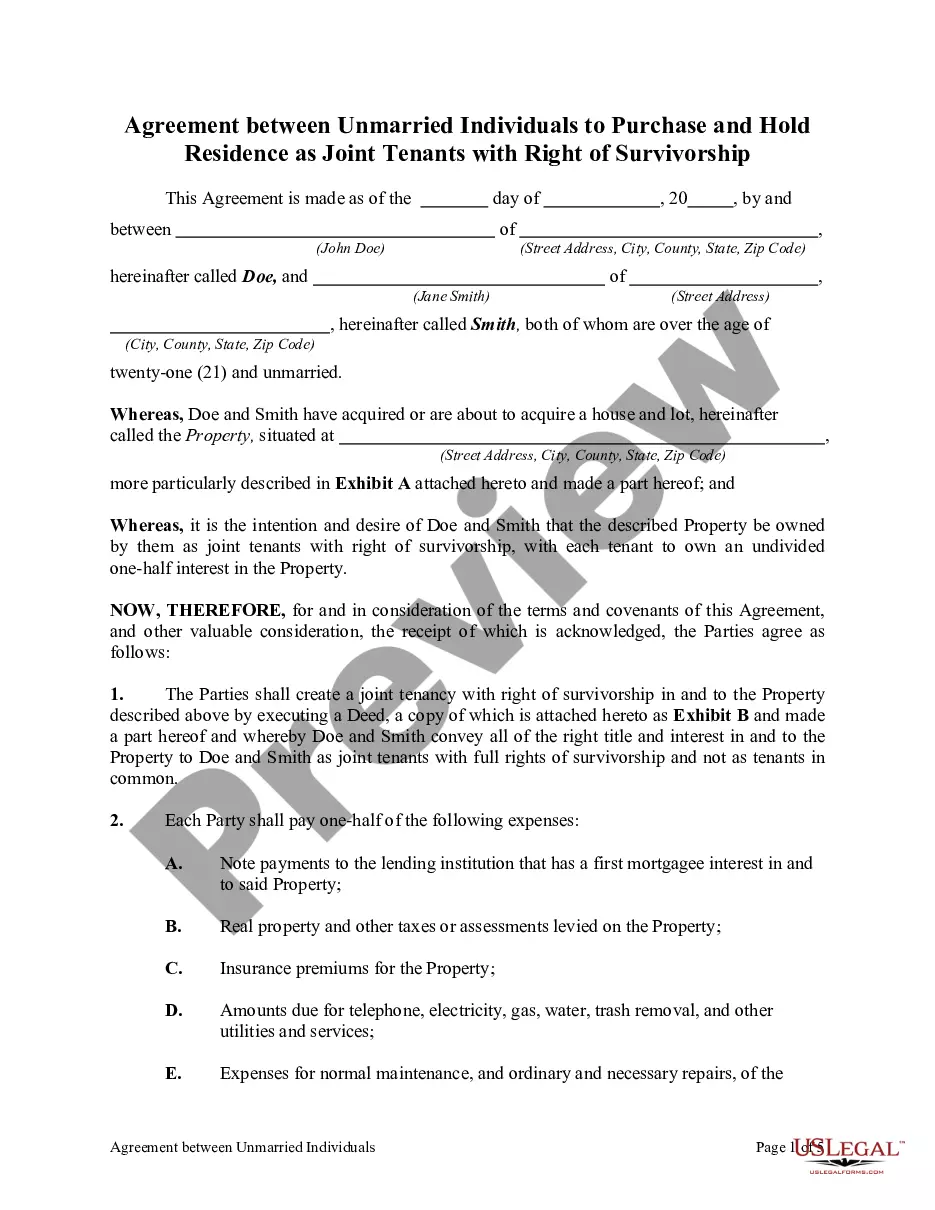
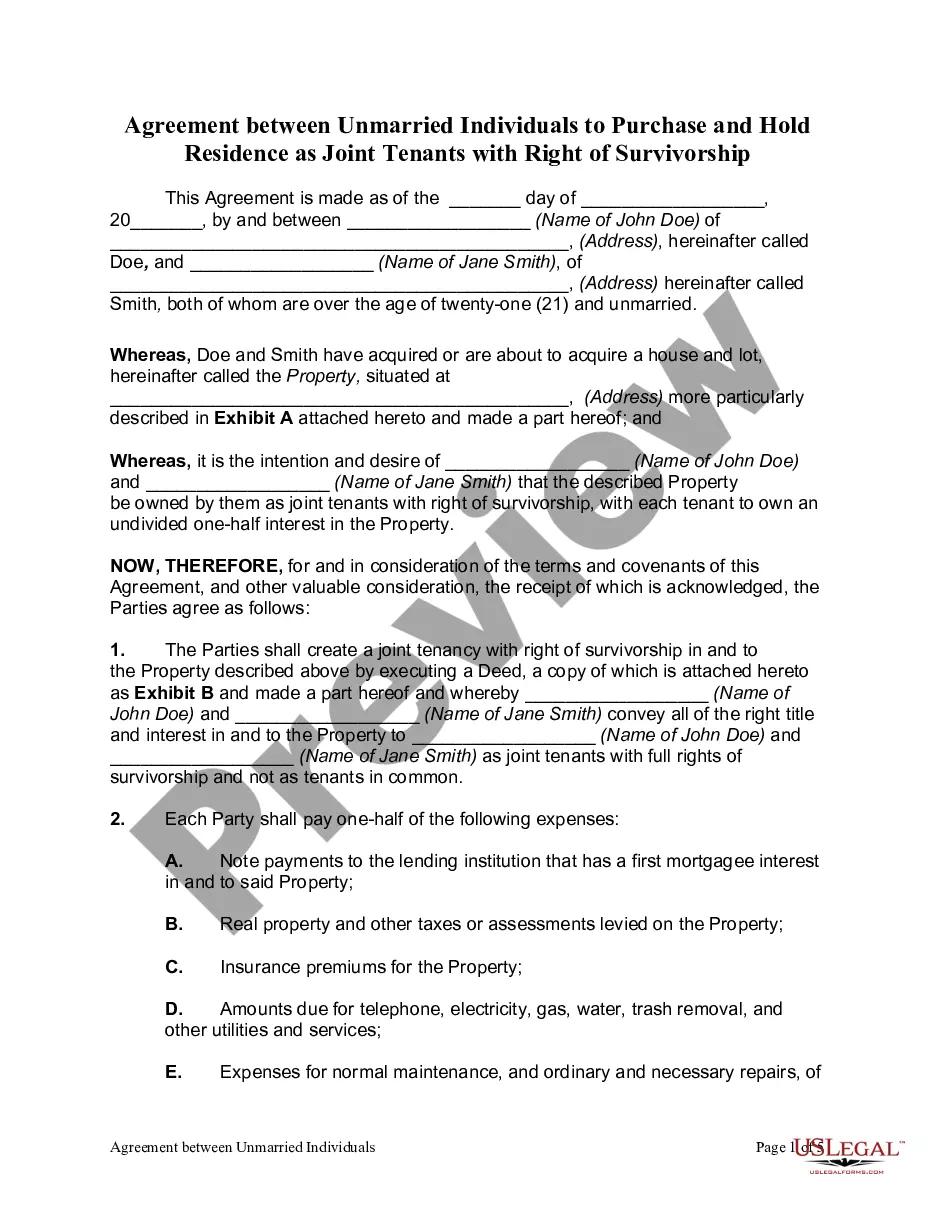
Joint Tenancy Definition With Death In Philadelphia
Description

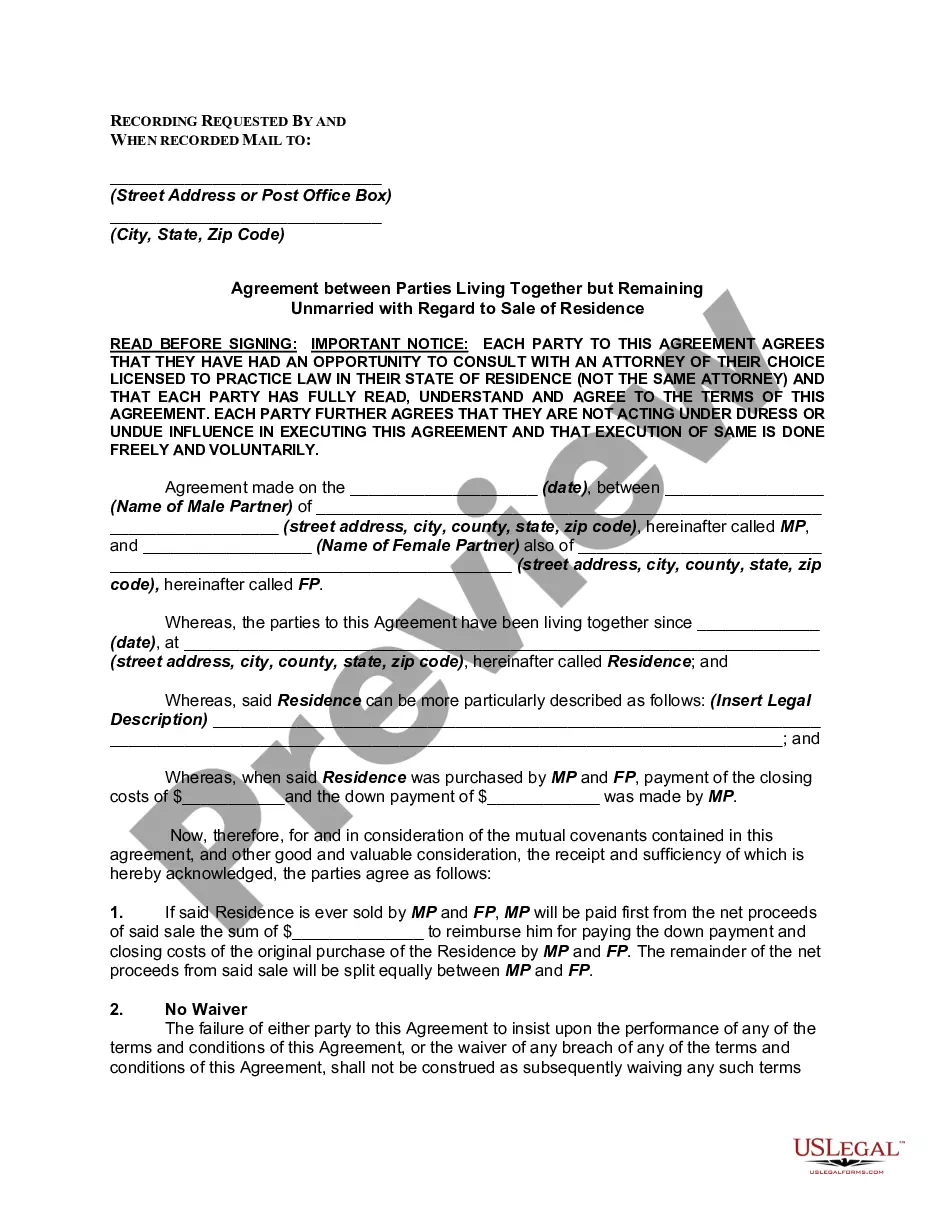
Get your form ready online
Our built-in tools help you complete, sign, share, and store your documents in one place.
Make edits, fill in missing information, and update formatting in US Legal Forms—just like you would in MS Word.
Download a copy, print it, send it by email, or mail it via USPS—whatever works best for your next step.
Sign and collect signatures with our SignNow integration. Send to multiple recipients, set reminders, and more. Go Premium to unlock E-Sign.
If this form requires notarization, complete it online through a secure video call—no need to meet a notary in person or wait for an appointment.
We protect your documents and personal data by following strict security and privacy standards.

Make edits, fill in missing information, and update formatting in US Legal Forms—just like you would in MS Word.

Download a copy, print it, send it by email, or mail it via USPS—whatever works best for your next step.

Sign and collect signatures with our SignNow integration. Send to multiple recipients, set reminders, and more. Go Premium to unlock E-Sign.

If this form requires notarization, complete it online through a secure video call—no need to meet a notary in person or wait for an appointment.

We protect your documents and personal data by following strict security and privacy standards.
Looking for another form?









Form popularity
FAQ
(1) “TEN COM” means tenants in common. (2) “TEN ENT” means tenants by the entireties. (3) “JT TEN” or “JT” means joint tenants with the right of survivorship and not as tenants in common.
For example, if two unmarried partners make equal contributions toward purchasing a inium and they choose to hold title as joint tenants, the surviving joint tenant will automatically become the sole and separate owner of the inium after the first joint tenant dies.
Section 9108 - Joint tenancy (a) When any property is held in the names of two or more persons or is deposited in a financial institution in the names of two or more persons so that, upon the death of one of them, the survivor or survivors have a right to the immediate ownership or possession and enjoyment of the whole ...
Joint tenants (JT), or joint tenants with rights of survivorship (JTWROS), are the forms of ownership most commonly used by married couples. In general this means that both parties own 100% of the property and there is no divided interest as there is with TIC.
Joint tenancy is a form of property ownership that is important for several reasons, primarily due to its unique characteristics and advantages. There are several different types of joint tenancy.
In most cases, you'll enter what's called a joint tenants with right of survivorship agreement. Known by its acronym, JTWROS, this agreement spells out the legal rights of all owners of a property and outlines what happens if one of the owners dies or wants to sell the home.
Disadvantages. Limited Control: Joint Ownership: Joint owners each have equal control over the property. This may lead to conflicts or decisions that are not aligned with the original owner's intentions.
Joint tenancy is most common among married couples because it helps property owners avoid probate. Without joint tenancy, a spouse would have to wait for their partner's Last Will to go through a legal review process—which can take months or even years.
The difference between a joint tenancy and tenancy in common is significant. Under a joint tenancy with rights to survivorship, upon the death of the first owner, it automatically passes to the surviving owner. In a tenancy in common situation, you each own 50% of the property.
Yes. Generally, the right of survivorship will take precedence over a Last Will and Testament if the jointly-owned property is distributed wrongfully in someone's estate plans. Therefore, you shouldn't list any property in your Will that you and another person(s) jointly own with the right of survivorship.
