Agreement Unmarried With Spouse In Ohio
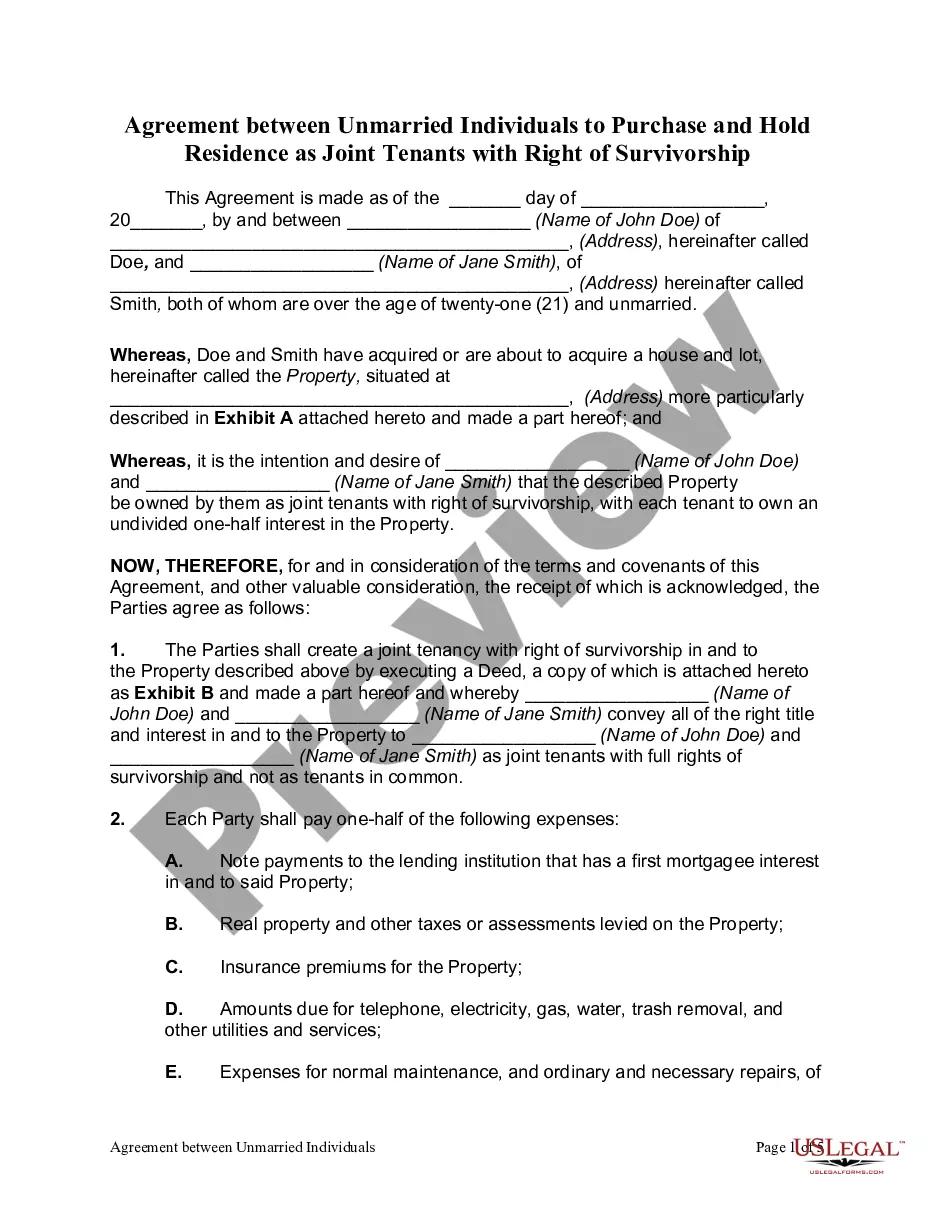
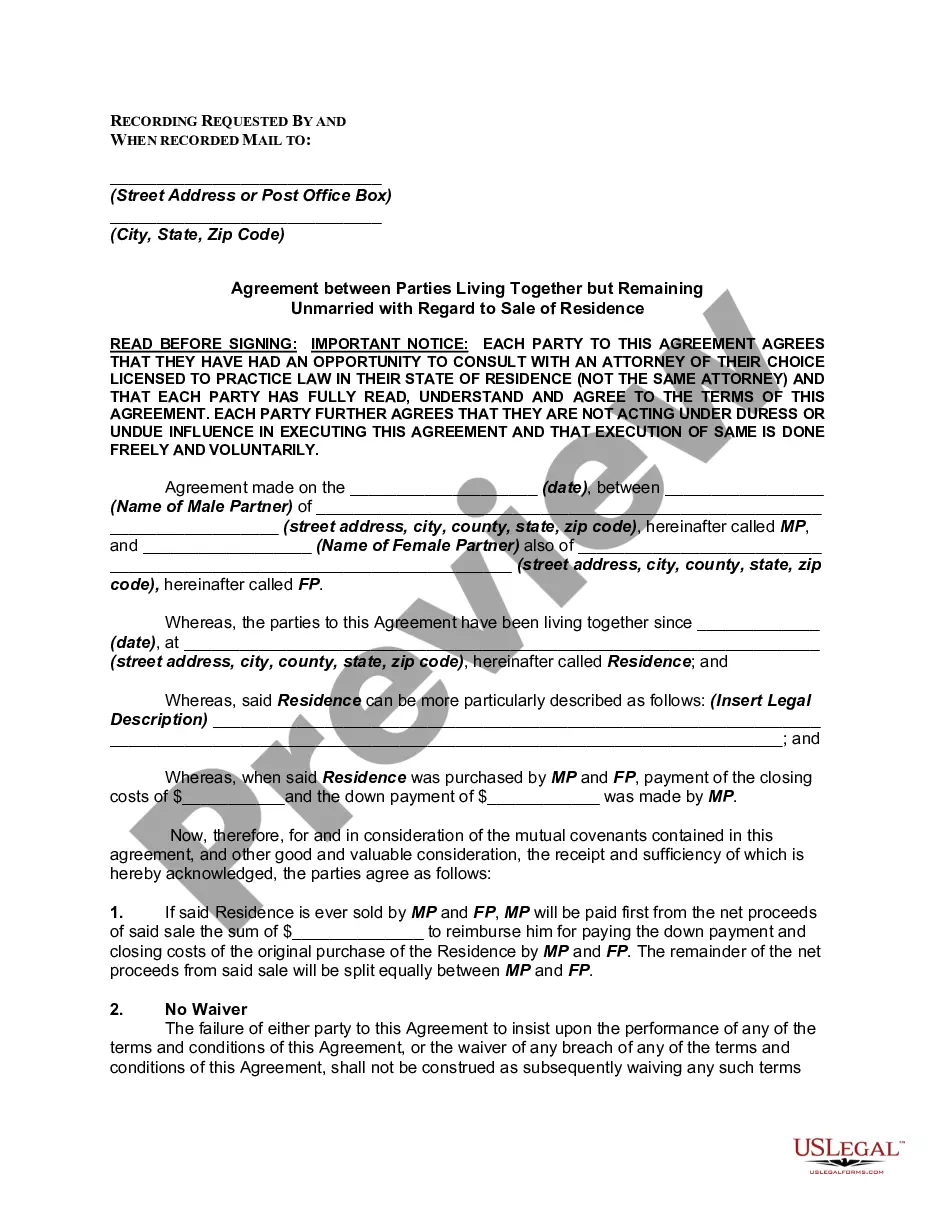
Description

Get your form ready online
Our built-in tools help you complete, sign, share, and store your documents in one place.
Make edits, fill in missing information, and update formatting in US Legal Forms—just like you would in MS Word.
Download a copy, print it, send it by email, or mail it via USPS—whatever works best for your next step.
Sign and collect signatures with our SignNow integration. Send to multiple recipients, set reminders, and more. Go Premium to unlock E-Sign.
If this form requires notarization, complete it online through a secure video call—no need to meet a notary in person or wait for an appointment.
We protect your documents and personal data by following strict security and privacy standards.

Make edits, fill in missing information, and update formatting in US Legal Forms—just like you would in MS Word.

Download a copy, print it, send it by email, or mail it via USPS—whatever works best for your next step.

Sign and collect signatures with our SignNow integration. Send to multiple recipients, set reminders, and more. Go Premium to unlock E-Sign.

If this form requires notarization, complete it online through a secure video call—no need to meet a notary in person or wait for an appointment.

We protect your documents and personal data by following strict security and privacy standards.
Looking for another form?










Form popularity
FAQ
Prenuptial agreements have long been valid in Ohio and couples with a disparity in net worth or creating blended families often turn, before saying “I do,” to such agreements to protect assets and/or provide for children of a former relationship.
Ohio still recognizes a statute that protects both husbands and wives regarding an interest in real estate where a spouse does not hold title to the property (only one spouse signed their name on the deed).
Unmarried people living together have no rights to the other person's property unless they have entered into a cohabitation agreement, which can be either written or implied. The built-in protections that a spouse has as a married person do not exist when two people live together.
Effective March 23, 2023, post-nuptial agreements will be legally valid and enforceable in the State of Ohio. Up until now, Ohio was one of only a couple of states which did not permit a postnuptial agreement.
A prenup is more likely to be enforceable than a postnup if one of the signers attempts to dispute it following dissolution of the union. Divorce courts tend to presume that coercion is less likely when independent people are signing before they are actually married and have mixed their assets.
Legal Status of Postnuptial Agreements in Ohio That is, spouses could not enter into contracts with one another that would alter their legal relations after marriage. Ohio recently joined 48 other states and legalized postnuptial agreements that meet specific requirements.
There is no specific time period required. You must have an agreement that the two of you are married and have held yourself out as man and wife. SIDEBAR: Common law marriages can be "verified" by the parties by making and registering a "declaration of informal marriage" in the county in which they reside.
Unmarried people living together have no rights to the other person's property unless they have entered into a cohabitation agreement, which can be either written or implied. The built-in protections that a spouse has as a married person do not exist when two people live together.
As long as you and your ex can agree on how to divide up your assets, there is no need to involve lawyers or the court system. Even if children are involved, in most states you have the opportunity to separate in private, ing to whatever arrangements the two of you agree on.
PROPERTY RIGHTS Unmarried people living together have no rights to the other person's property unless they have entered into a cohabitation agreement, which can be either written or implied.