Property Agreement For Unmarried Couples In Michigan
Description

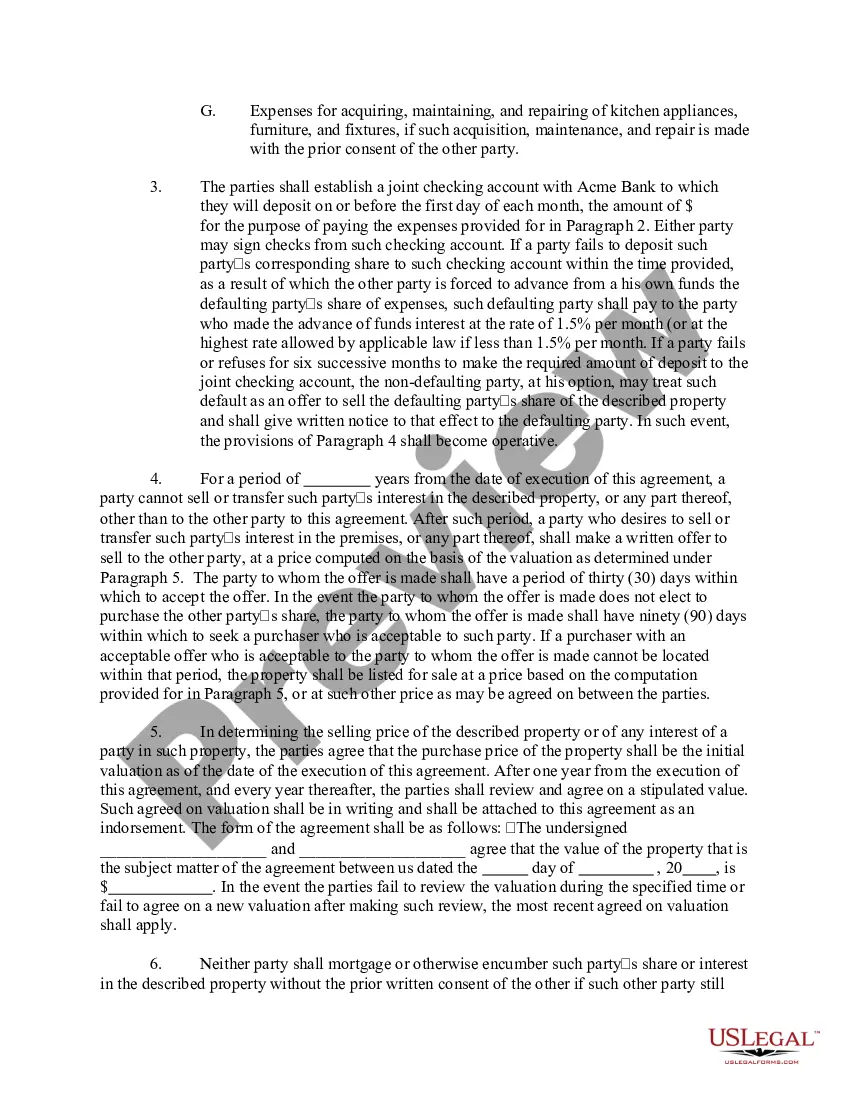
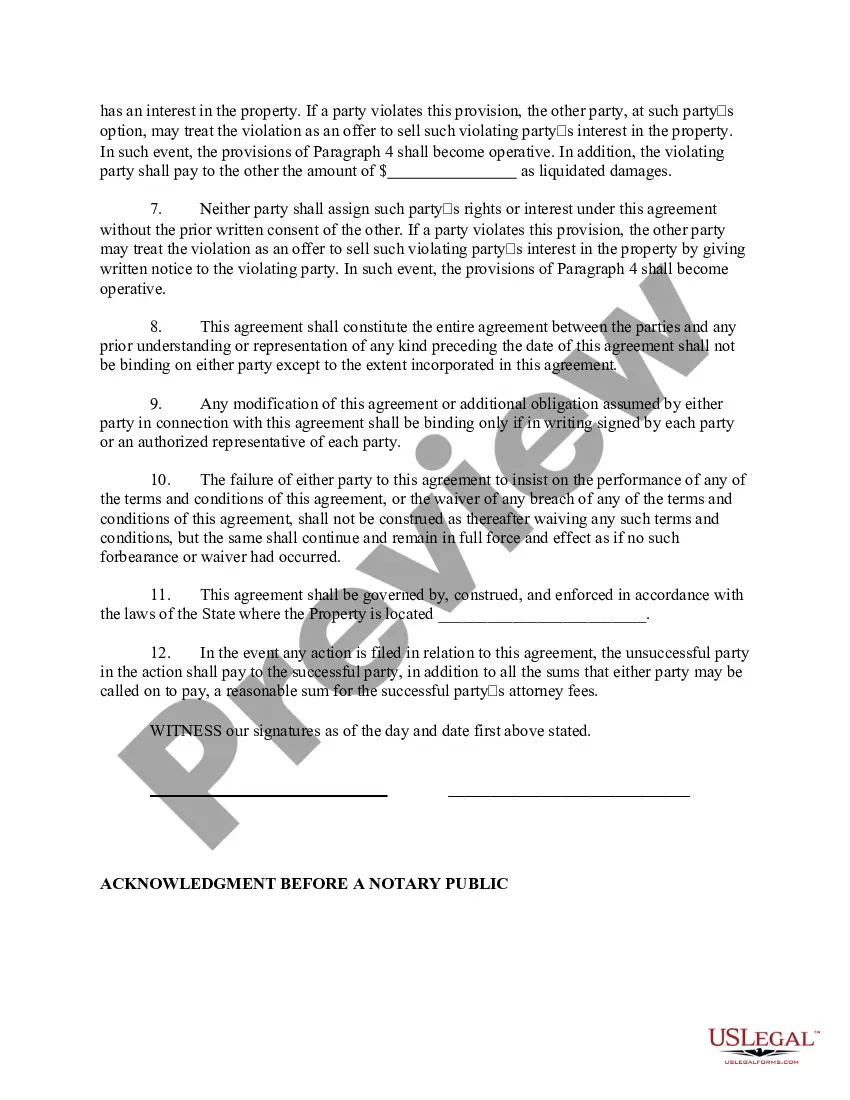
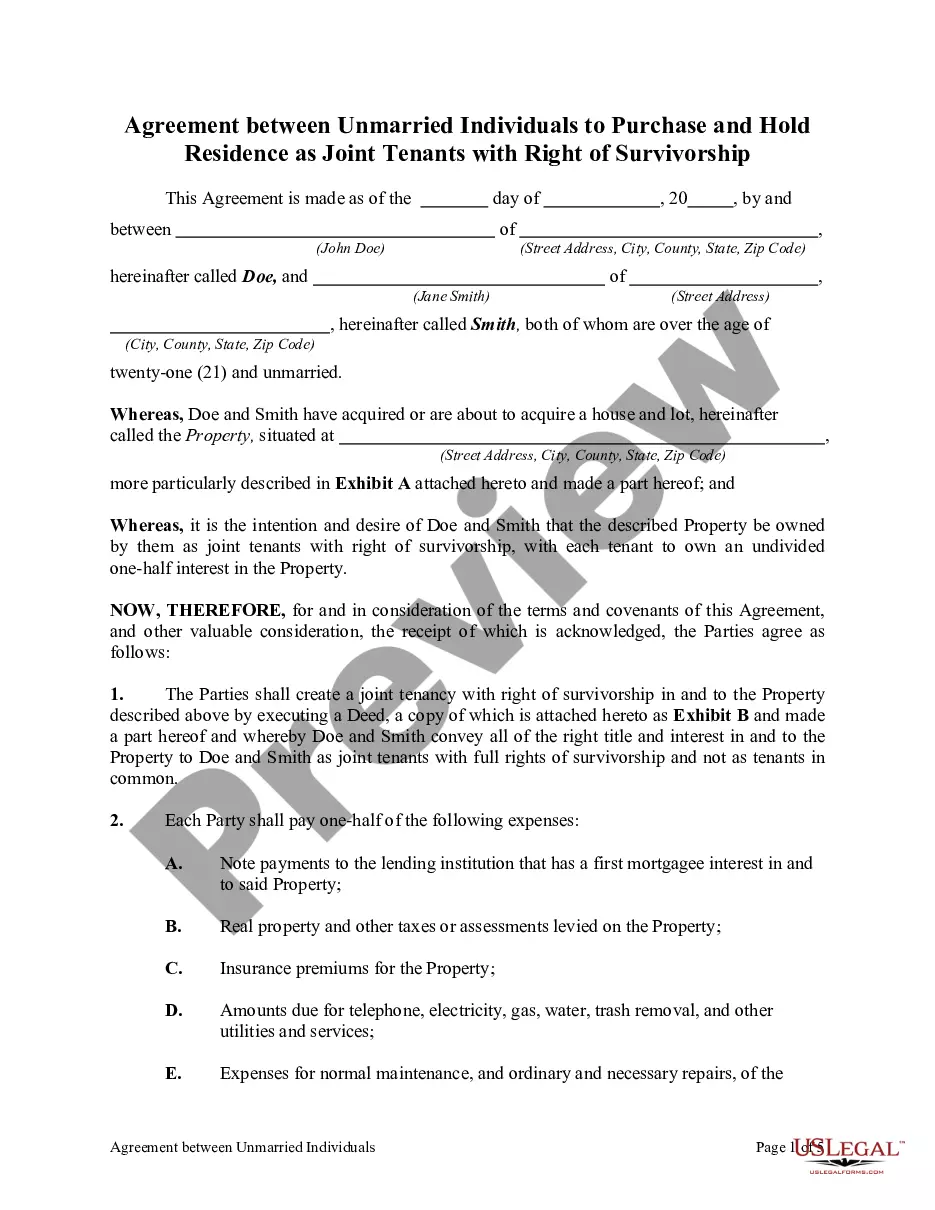
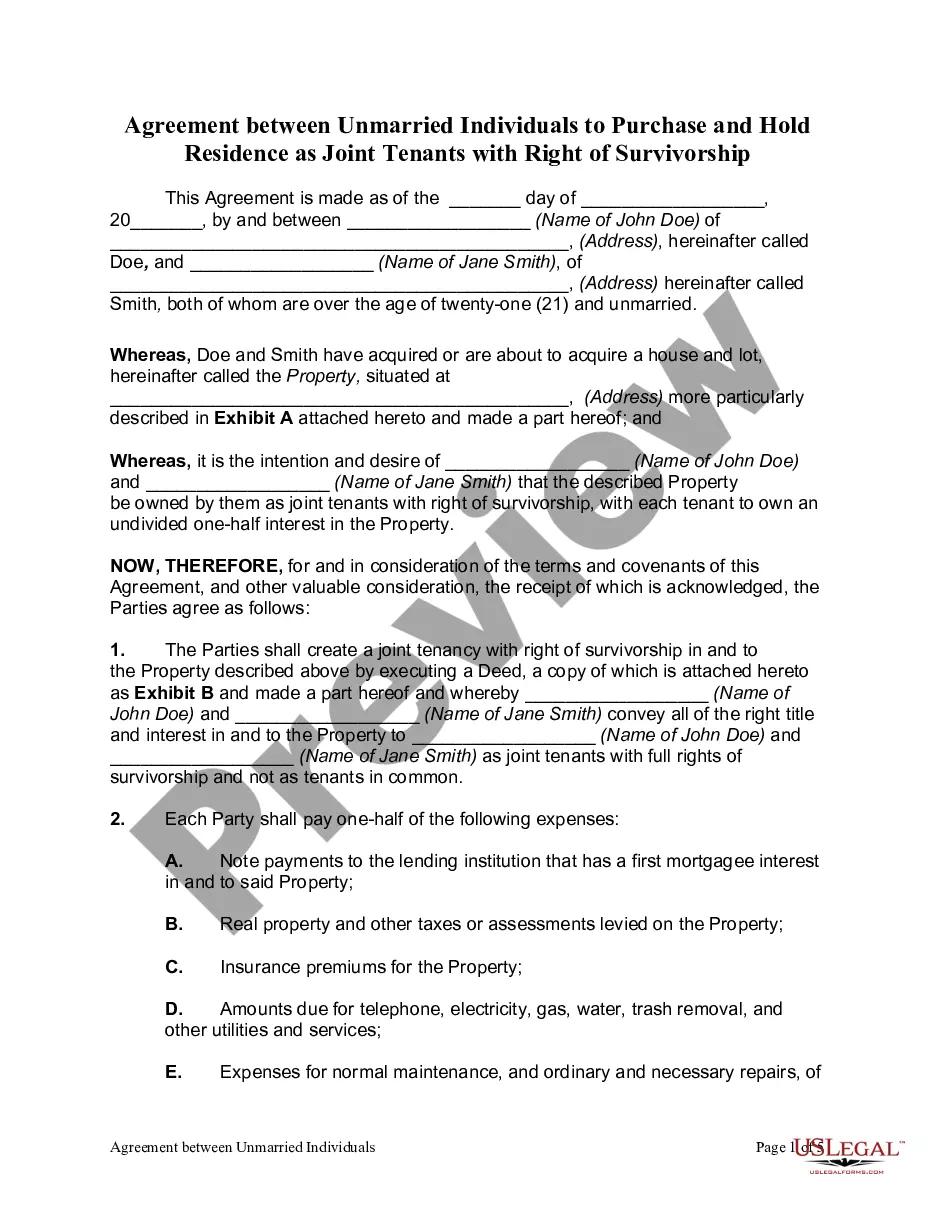
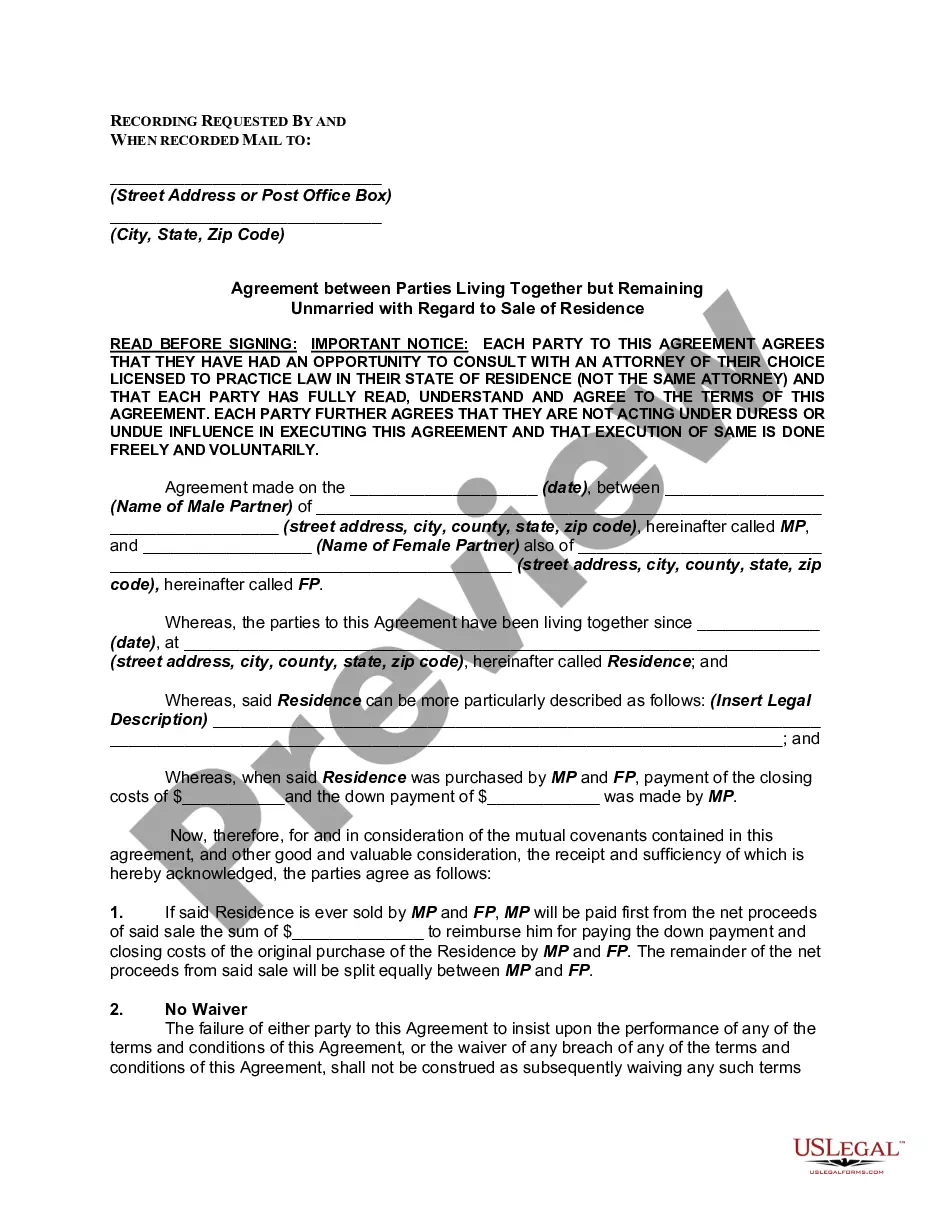
Get your form ready online
Our built-in tools help you complete, sign, share, and store your documents in one place.
Make edits, fill in missing information, and update formatting in US Legal Forms—just like you would in MS Word.
Download a copy, print it, send it by email, or mail it via USPS—whatever works best for your next step.
Sign and collect signatures with our SignNow integration. Send to multiple recipients, set reminders, and more. Go Premium to unlock E-Sign.
If this form requires notarization, complete it online through a secure video call—no need to meet a notary in person or wait for an appointment.
We protect your documents and personal data by following strict security and privacy standards.

Make edits, fill in missing information, and update formatting in US Legal Forms—just like you would in MS Word.

Download a copy, print it, send it by email, or mail it via USPS—whatever works best for your next step.

Sign and collect signatures with our SignNow integration. Send to multiple recipients, set reminders, and more. Go Premium to unlock E-Sign.

If this form requires notarization, complete it online through a secure video call—no need to meet a notary in person or wait for an appointment.

We protect your documents and personal data by following strict security and privacy standards.
Looking for another form?





Form popularity
FAQ
Couples often live together before they marry, and many live together indefinitely without getting married at all. Property laws generally treat an unmarried couple as separate individuals with no legal rights or responsibilities if the relationship ends.
In many cases, the spouse can inherit your house even if their name was not on the deed. This is because of how the probate process works. When someone dies intestate, their surviving spouse is the first one who gets a chance to file a petition with the court that would initiate administration of the estate.
If a couple has not planned for the worst-case scenario and does not have an agreement in place, in many instances the simple answer is there is no set process. Unmarried couples going through a breakup must, on their own, reach an agreement on what to do with jointly owned property.
Joint Tenancy. If you take title as joint tenants, you share equal ownership of the property and each of you has the right to use the entire property. If one joint tenant dies, the other automatically becomes the owner of the deceased person's share, even if there's a will to the contrary.
Depending on where you live, there might be other legal ways to protect the unmarried partner. For example a combination of a cohabitation agreement, a will, co-owning the house, and life insurance can get you far.
In Michigan, marital property laws and many other rights married couples enjoy do not extend to unmarried couples. Even couples in very long-term and committed relationships do not have the same legal rights as married couples.
In instances of divorce after 10 years of marriage in Michigan, an ex-spouse has the right to claim up to half of the other's workers' compensation benefits, Social Security benefits, and military pension benefits.
Housing rights at the end of a relationship. At the end of your relationship, a court can give you or your partner rights to the home, for example: the right to stay in your home. the right to come back home to get your things.
Unlike married couples, common-law couples don't need a court decision to make their separation official. You can settle all the issues that arise when you break up without going to court. But sometimes it's a good idea to have a lawyer or notary help you.
The issue you will find yourself in is whether your new house will be considered marital property or not. WHAT DOES MICHIGAN LAW SAY? In Michigan the law supports that property purchased during the marriage in presumed to be marital, even if acquired after separation or during a pending divorce.
