Joint Tenants Without Right Of Survivorship In Miami-Dade
Description

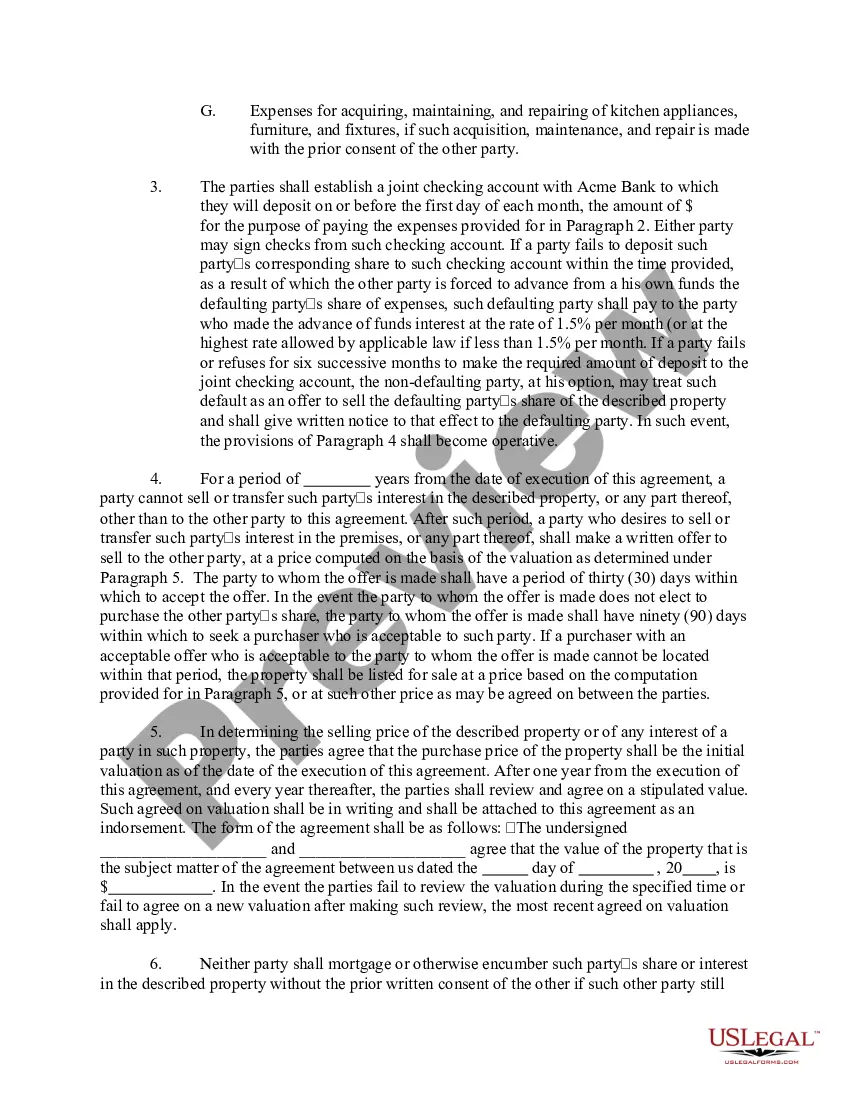
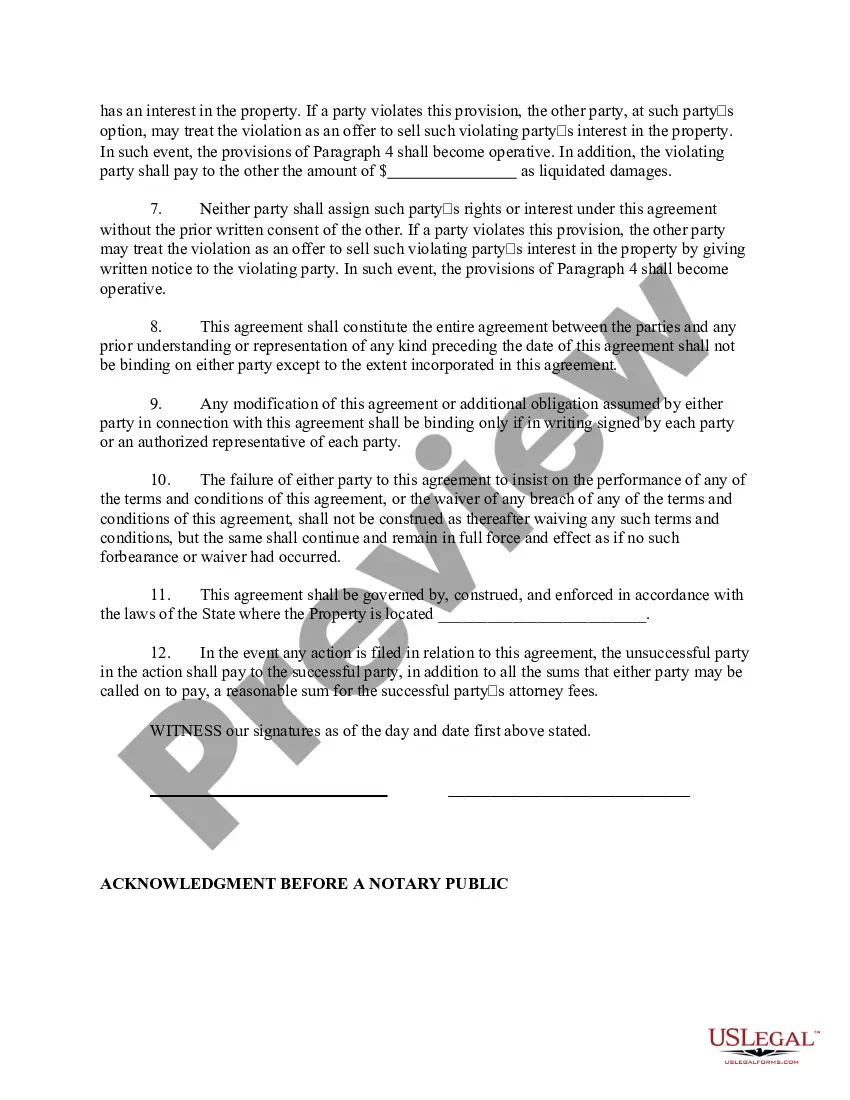
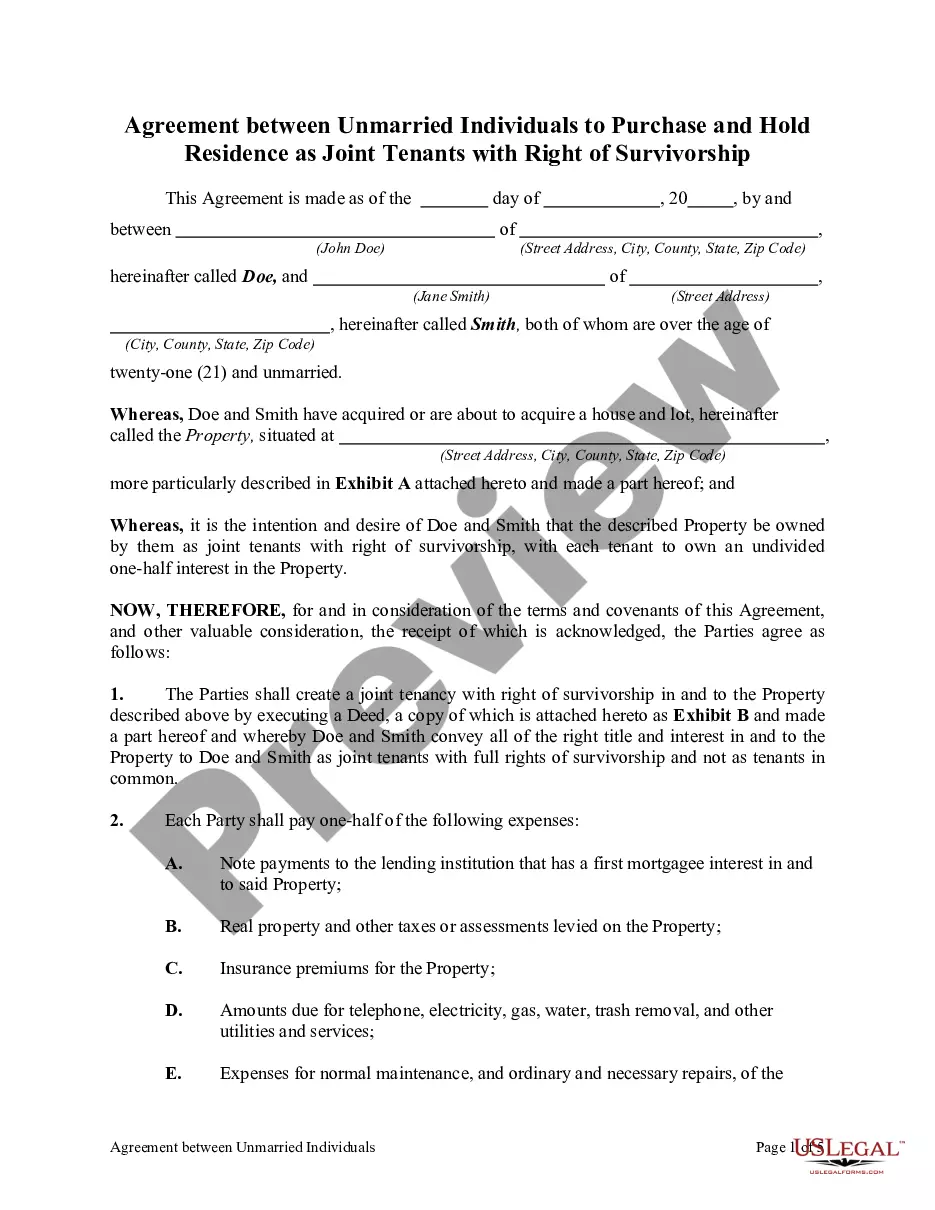
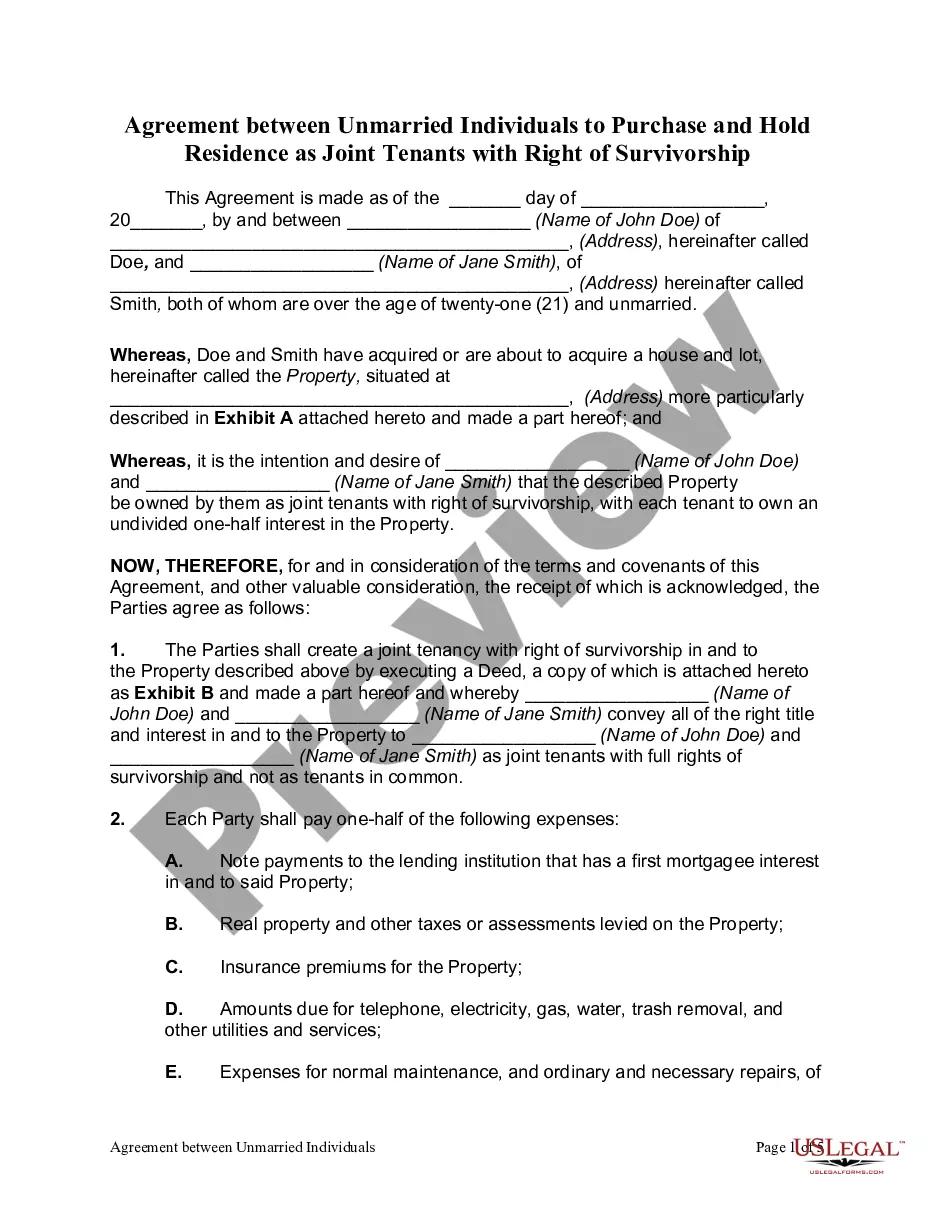
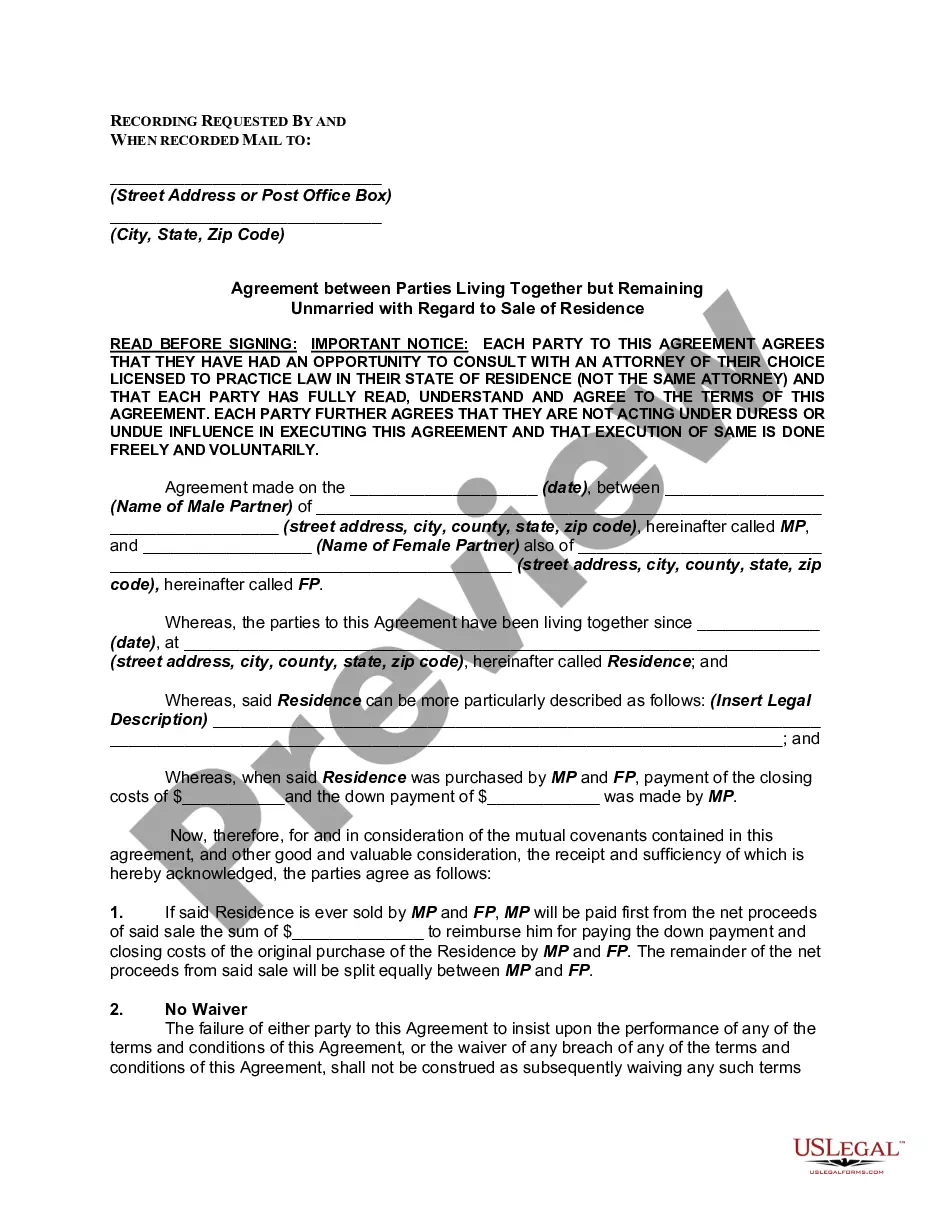
Get your form ready online
Our built-in tools help you complete, sign, share, and store your documents in one place.
Make edits, fill in missing information, and update formatting in US Legal Forms—just like you would in MS Word.
Download a copy, print it, send it by email, or mail it via USPS—whatever works best for your next step.
Sign and collect signatures with our SignNow integration. Send to multiple recipients, set reminders, and more. Go Premium to unlock E-Sign.
If this form requires notarization, complete it online through a secure video call—no need to meet a notary in person or wait for an appointment.
We protect your documents and personal data by following strict security and privacy standards.

Make edits, fill in missing information, and update formatting in US Legal Forms—just like you would in MS Word.

Download a copy, print it, send it by email, or mail it via USPS—whatever works best for your next step.

Sign and collect signatures with our SignNow integration. Send to multiple recipients, set reminders, and more. Go Premium to unlock E-Sign.

If this form requires notarization, complete it online through a secure video call—no need to meet a notary in person or wait for an appointment.

We protect your documents and personal data by following strict security and privacy standards.
Looking for another form?








Form popularity
FAQ
If one of you wants to leave If your joint tenancy is for a fixed term (for example, 12 months), you must normally get the agreement of your landlord and the other tenants to give notice to end the tenancy. If you end your tenancy it ends for everyone.
To legally create JTWRS in the state of Florida, the right of survivorship must be expressly stated in the instrument creating the joint tenancy (typically a deed). In ance with § 689.15, Fla.
Yes, JTWROS can be terminated by mutual agreement of all owners, or if one owner sells or transfers their share, converting the ownership to tenancy in common.
While the right of survivorship offers a straightforward method for property transfer upon the death of a co-owner, it's not immune to challenges. Seeking legal counsel and careful documentation are crucial steps to safeguard against disputes and ensure a smooth transfer of property ing to the owners' wishes.
Yes, JTWROS can be terminated by mutual agreement of all owners, or if one owner sells or transfers their share, converting the ownership to tenancy in common.
Rights to Lease Property: Co-owners can lease out jointly owned property, but they typically need mutual consent. If the co-ownership agreement specifies, one owner might lease the property independently. However, without such an agreement, unilateral leasing can lead to legal disputes and potential partition actions.
A joint tenancy is a form of co-ownership in which two or more individuals own a property together. In Florida, a joint tenancy can be terminated in several ways, including through the sale of the property, divorce, death of a joint tenant, or mutual agreement between the tenants.
—The doctrine of the right of survivorship in cases of real estate and personal property held by joint tenants shall not prevail in this state; that is to say, except in cases of estates by entirety, a devise, transfer or conveyance heretofore or hereafter made to two or more shall create a tenancy in common, unless ...
