Property Agreement For Unmarried Couples In Houston
Description

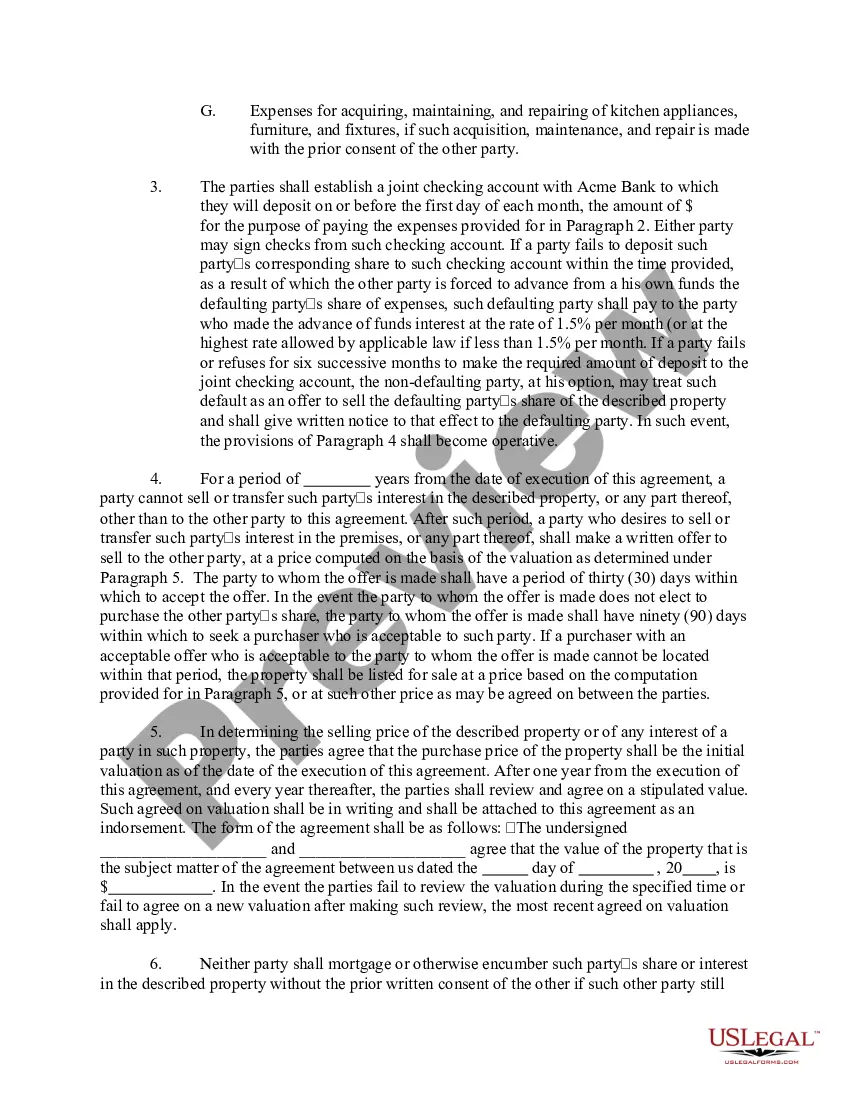
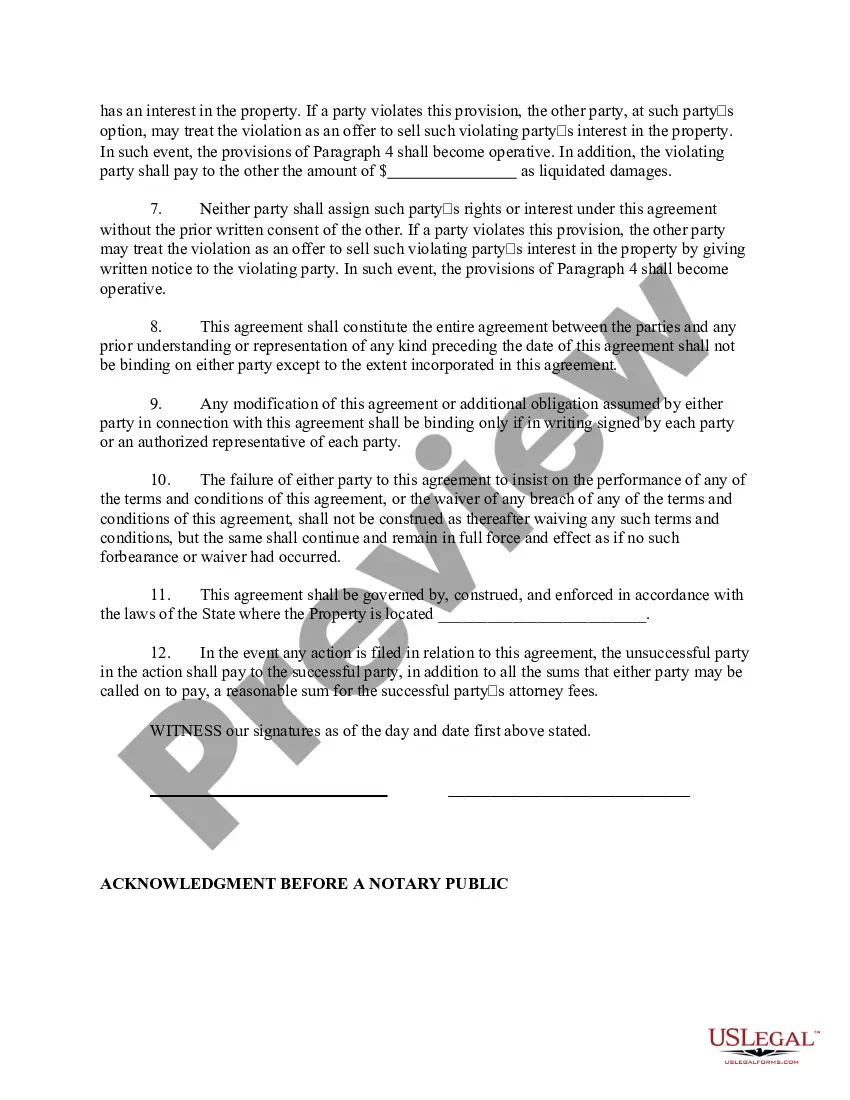
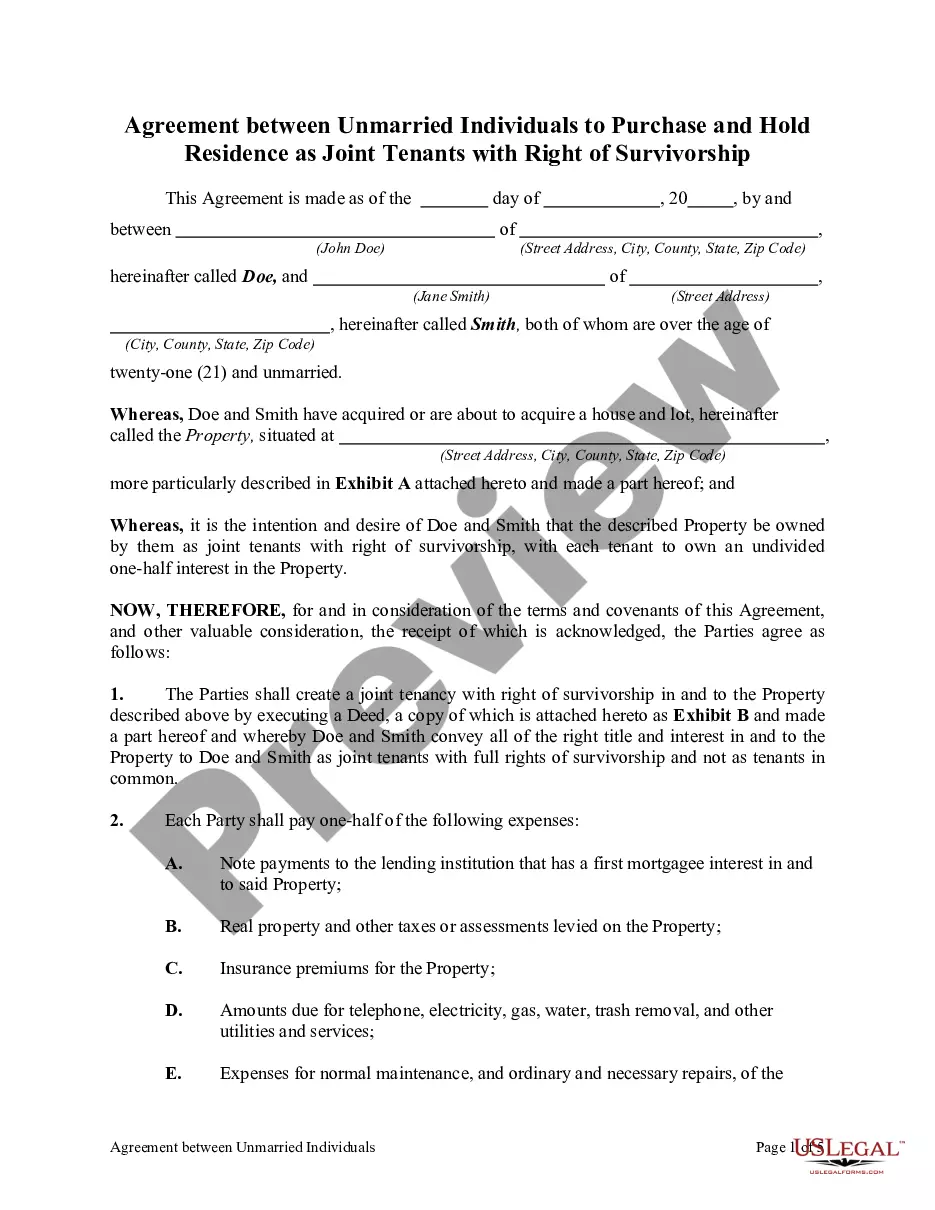
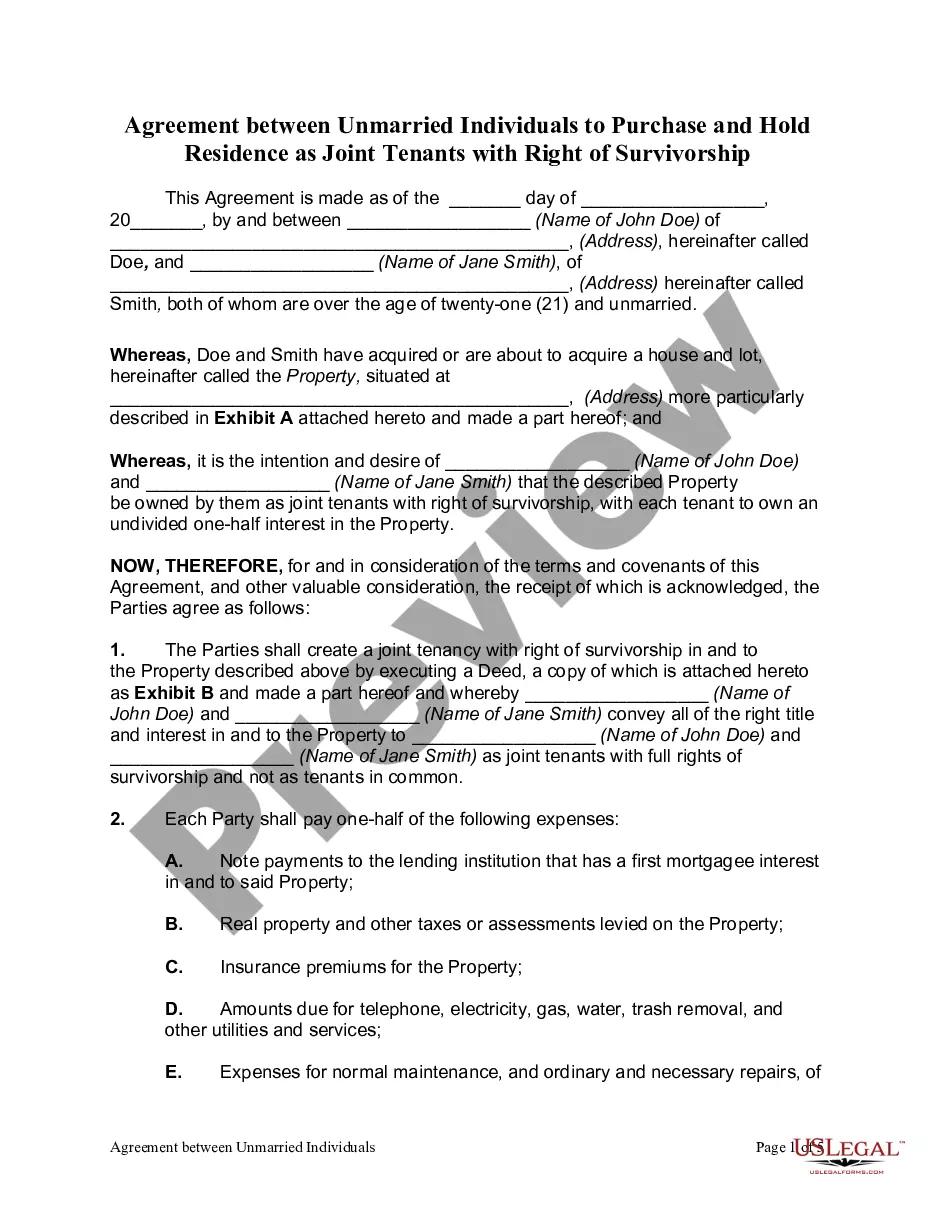
Get your form ready online
Our built-in tools help you complete, sign, share, and store your documents in one place.
Make edits, fill in missing information, and update formatting in US Legal Forms—just like you would in MS Word.
Download a copy, print it, send it by email, or mail it via USPS—whatever works best for your next step.
Sign and collect signatures with our SignNow integration. Send to multiple recipients, set reminders, and more. Go Premium to unlock E-Sign.
If this form requires notarization, complete it online through a secure video call—no need to meet a notary in person or wait for an appointment.
We protect your documents and personal data by following strict security and privacy standards.

Make edits, fill in missing information, and update formatting in US Legal Forms—just like you would in MS Word.

Download a copy, print it, send it by email, or mail it via USPS—whatever works best for your next step.

Sign and collect signatures with our SignNow integration. Send to multiple recipients, set reminders, and more. Go Premium to unlock E-Sign.

If this form requires notarization, complete it online through a secure video call—no need to meet a notary in person or wait for an appointment.

We protect your documents and personal data by following strict security and privacy standards.
Looking for another form?




Form popularity
FAQ
Perhaps the most common way for unmarried couples to take title to real property is as "tenants in common." Unlike a joint tenancy, a tenant in common has no automatic right to inherit the property when the other partner dies.
Unmarried partners can own property in two ways. They can be tenants in common, each having a distinct interest. Alternatively, they can be joint tenants with right of survivorship. In the latter case, if one partner dies, their share goes to the surviving partner.
Who Will Legally Own the House? In Texas, an unmarried couple can choose to hold the title in three different ways. One person can own the whole property. Both own as joint tenants with rights of survivorship, which means equal ownership and if one dies, the other becomes the property's full owner.
Property Rights for Unmarried Couples If you and your partner bought property together, proving ownership might require documentation. Living together does not grant the same legal protections as marriage. Courts generally treat unmarried couples like roommates, meaning each person keeps what they own.
Under Texas Family Code § 1.101, marriage is the only relationship that provides automatic financial and property rights between partners. Unmarried couples have no such protections. A cohabitation agreement can provide some of these protections by specifying: Property rights & division.
Texas laws consider property acquired during a marriage to be owned equally by both parties, no matter whose name is on the property. But this does not apply to those who are not considered married.
Unmarried couples do not enjoy the same rights as married couples. Texas laws consider property acquired during a marriage to be owned equally by both parties, no matter whose name is on the property. But this does not apply to those who are not considered married.
If you're set on buying a house without your spouse's name on the deed, you'll need to rustle up a sole ownership agreement faster than a jackrabbit on a date. This legal document clarifies that the home is your separate property, and it's as essential as having a good fence on your property.
