Tenants In Common Or Joint Tenants With Right Of Survivorship In Georgia
Description

Get your form ready online
Our built-in tools help you complete, sign, share, and store your documents in one place.
Make edits, fill in missing information, and update formatting in US Legal Forms—just like you would in MS Word.
Download a copy, print it, send it by email, or mail it via USPS—whatever works best for your next step.
Sign and collect signatures with our SignNow integration. Send to multiple recipients, set reminders, and more. Go Premium to unlock E-Sign.
If this form requires notarization, complete it online through a secure video call—no need to meet a notary in person or wait for an appointment.
We protect your documents and personal data by following strict security and privacy standards.

Make edits, fill in missing information, and update formatting in US Legal Forms—just like you would in MS Word.

Download a copy, print it, send it by email, or mail it via USPS—whatever works best for your next step.

Sign and collect signatures with our SignNow integration. Send to multiple recipients, set reminders, and more. Go Premium to unlock E-Sign.

If this form requires notarization, complete it online through a secure video call—no need to meet a notary in person or wait for an appointment.

We protect your documents and personal data by following strict security and privacy standards.
Looking for another form?
Form popularity
FAQ
Unlike Joint Tenancy with Rights of Survivorship, there is no right of survivorship in Tenancy in Common. If one owner dies, their share of the property is passed to their heirs through their Will or through the Georgia laws of intestacy, rather than automatically transferring to the surviving owner(s).
The right of survivorship does override any wills that are in place. That's because this kind of arrangement avoids probate. 5 But if the last surviving party in a JTWROS dies, the agreement no longer applies, which means the asset or property is included in their will and goes to their heirs.
Disadvantages of Right of Survivorship Potential Tax Implications: In some cases, the transfer of property via the Right of Survivorship could have tax consequences, such as impacting estate taxes, capital gains taxes, or property tax reassessment under California's Proposition 13.
The right of survivorship does override any wills that are in place. That's because this kind of arrangement avoids probate. 5 But if the last surviving party in a JTWROS dies, the agreement no longer applies, which means the asset or property is included in their will and goes to their heirs.
Risk to Assets: Jointly owned assets may be vulnerable if the co-owner faces financial or legal challenges. For example, if the co-owner goes through a divorce or encounters debt-related issues, the jointly owned assets could be exposed to creditors or included in property division.
Some of the main benefits of joint tenancy include avoiding probate courts, sharing responsibility, and maintaining continuity. The primary pitfalls are the need for agreement, the potential for assets to be frozen, and loss of control over the distribution of assets after death.
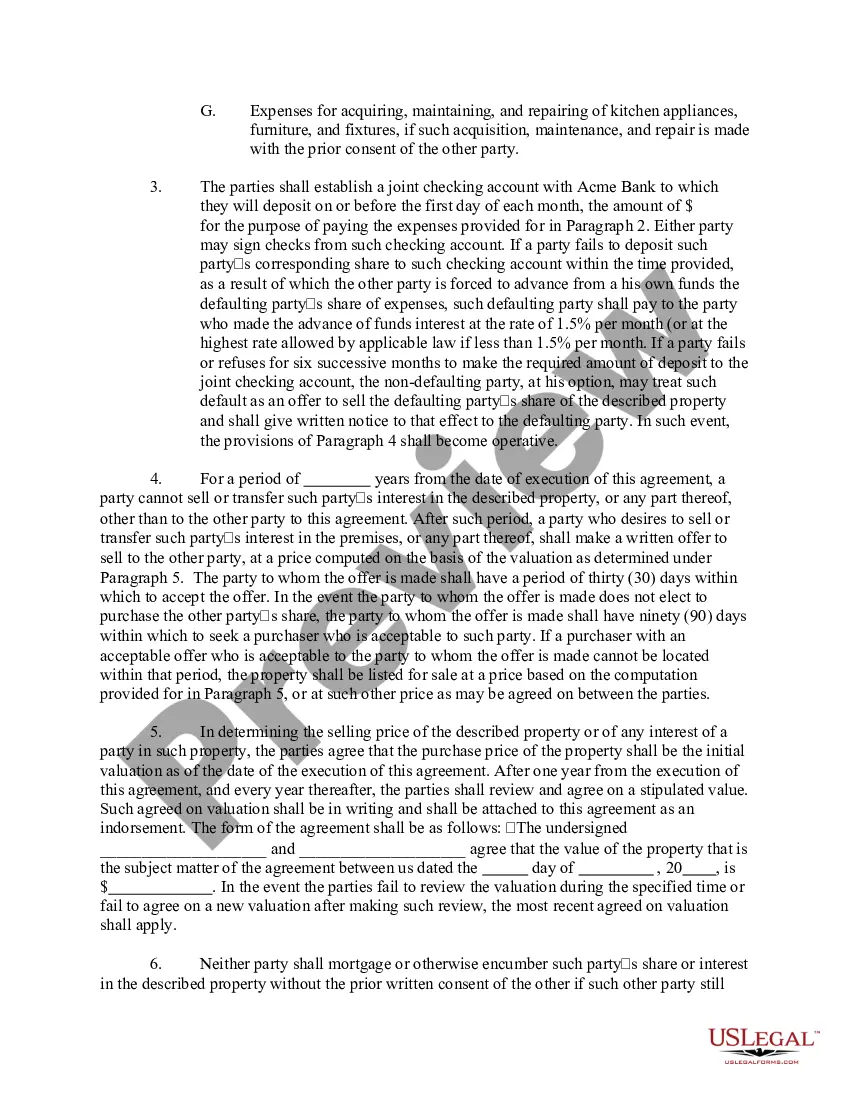
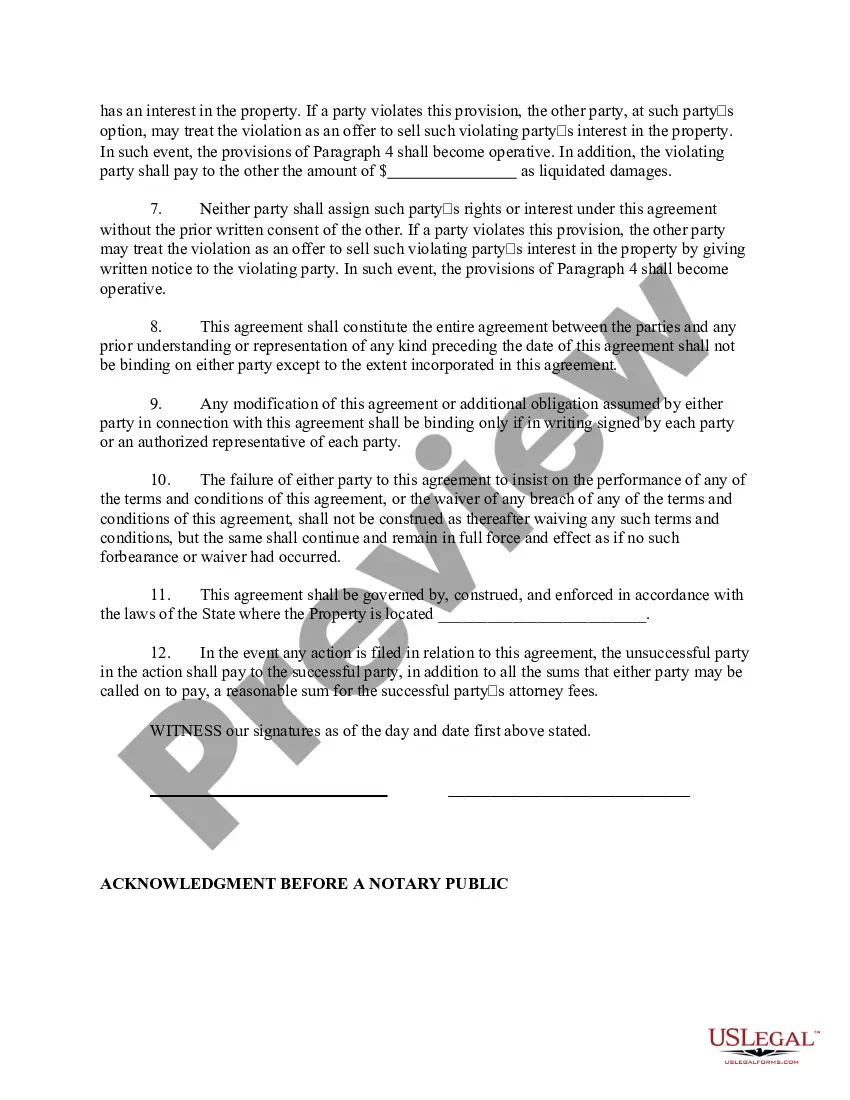
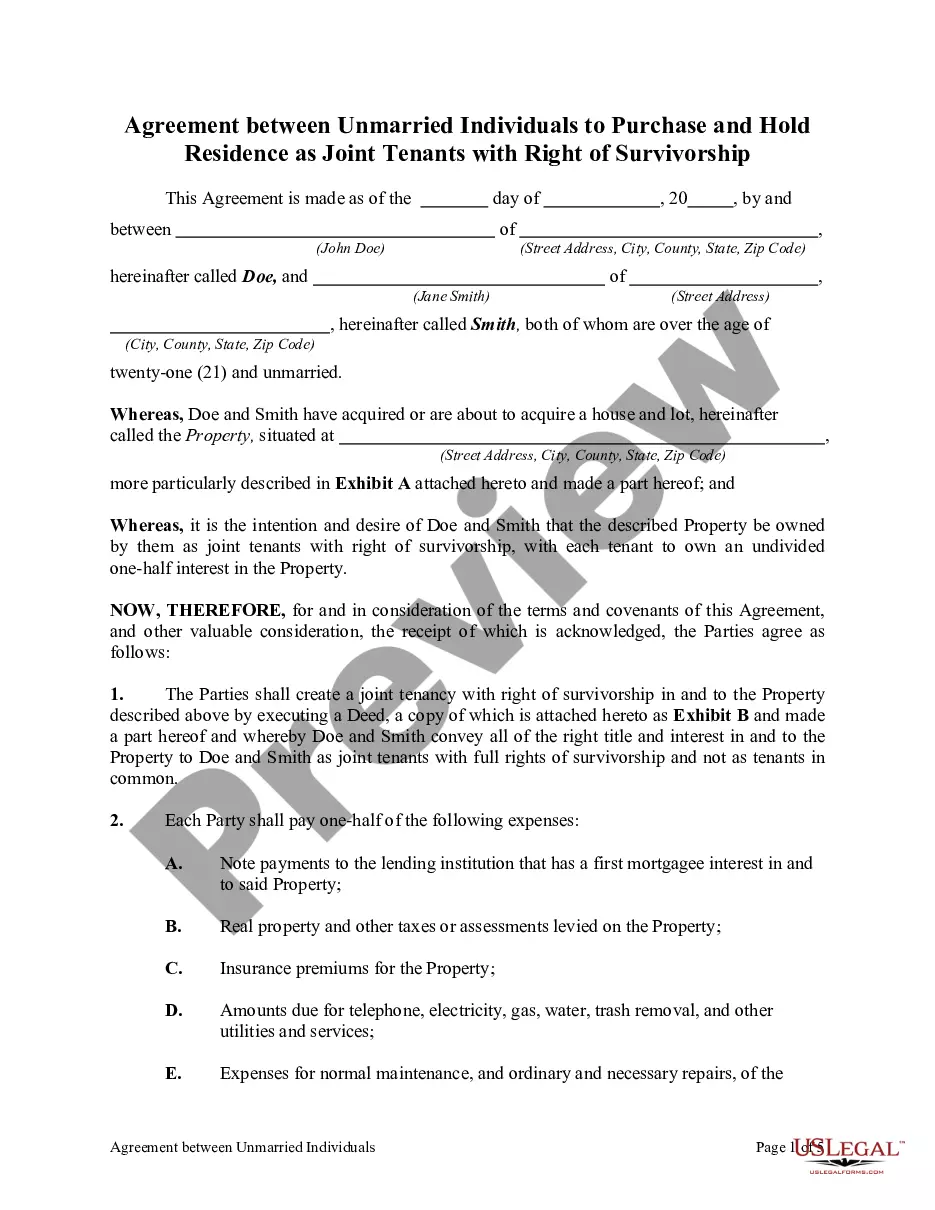
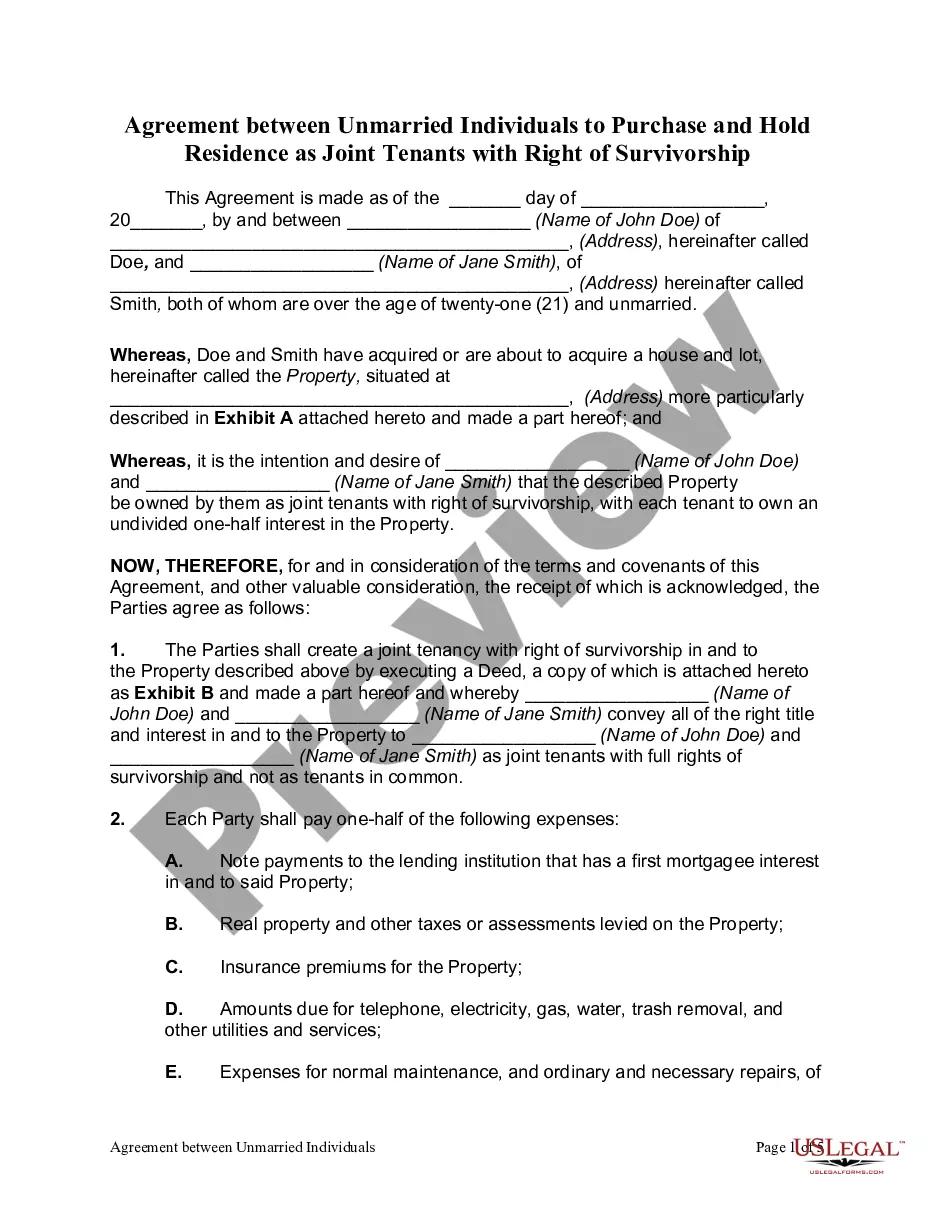
Under Georgia law, there are two types of joint ownership. The first, known as “Joint Ownership with Rights of Survivorship” means that two or more parties have simultaneous ownership of a property. When one of those parties dies, their share of the property passes to the surviving owner(s).
Unlike Joint Tenancy with Rights of Survivorship, there is no right of survivorship in Tenancy in Common. If one owner dies, their share of the property is passed to their heirs through their Will or through the Georgia laws of intestacy, rather than automatically transferring to the surviving owner(s).
A quit claim deed can be used to transfer property or titles. Deeds can be used to transfer property or titles from a grantor (or seller) to a grantee (or buyer). Warranty and limited warranty deeds are usually the most reliable because they offer a “covenant” proving that the land is indeed owned by the grantor.
The right of survivorship is a legal principle that allows property to pass automatically to a surviving co-owner upon the death of another. Unlike other forms of joint ownership, such as tenancy in common, the right of survivorship ensures a seamless transfer of ownership without the need for probate.
