Joint Tenancy Definition With Death In Florida
Description

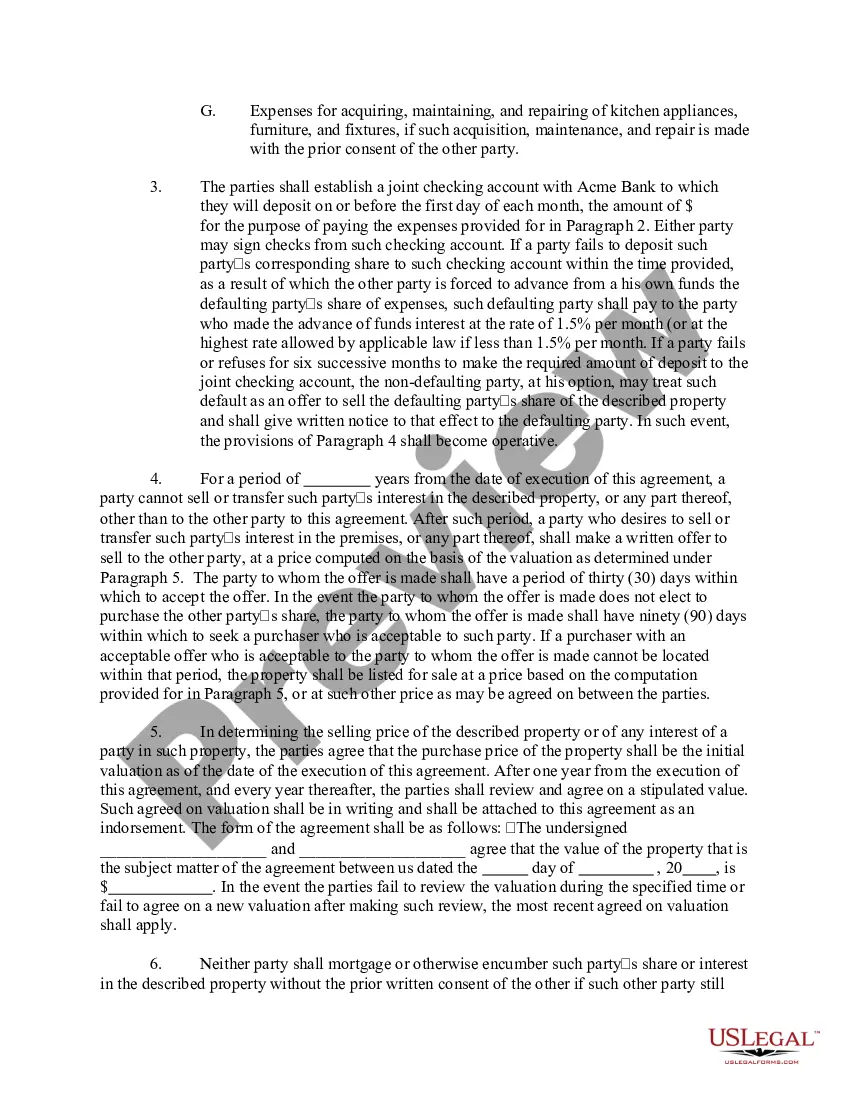
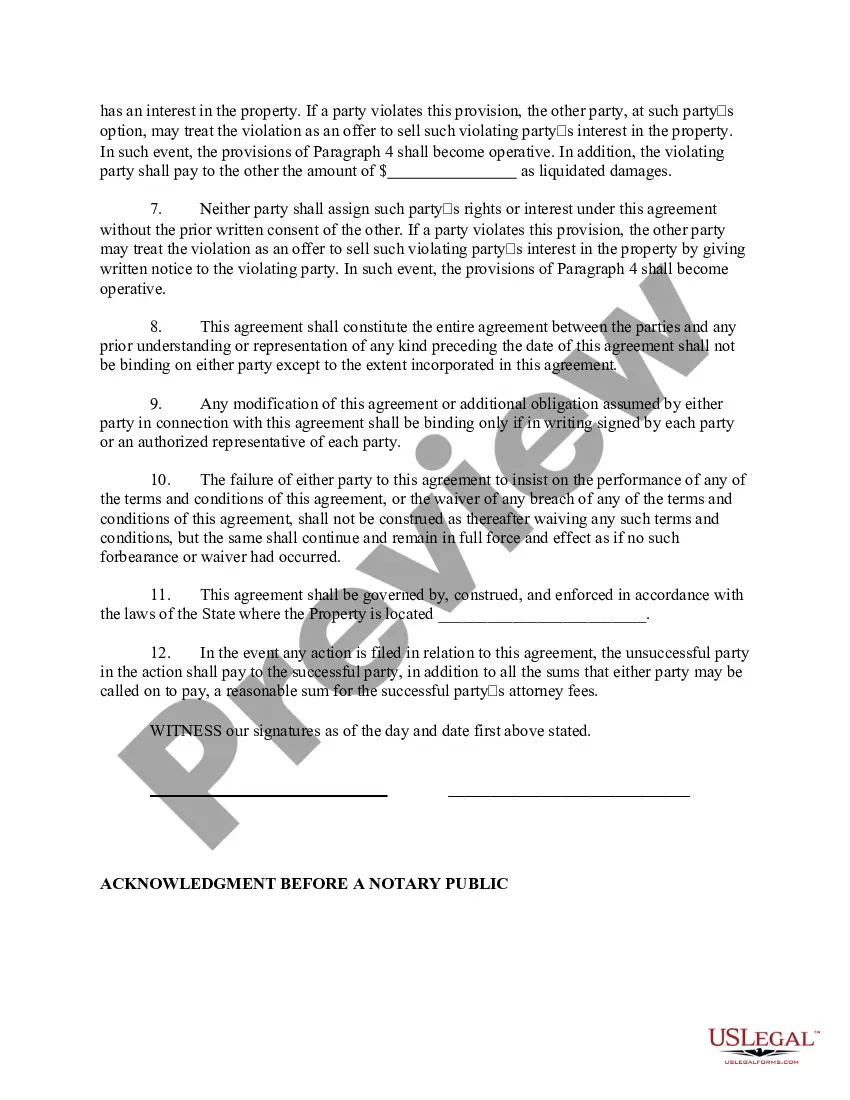
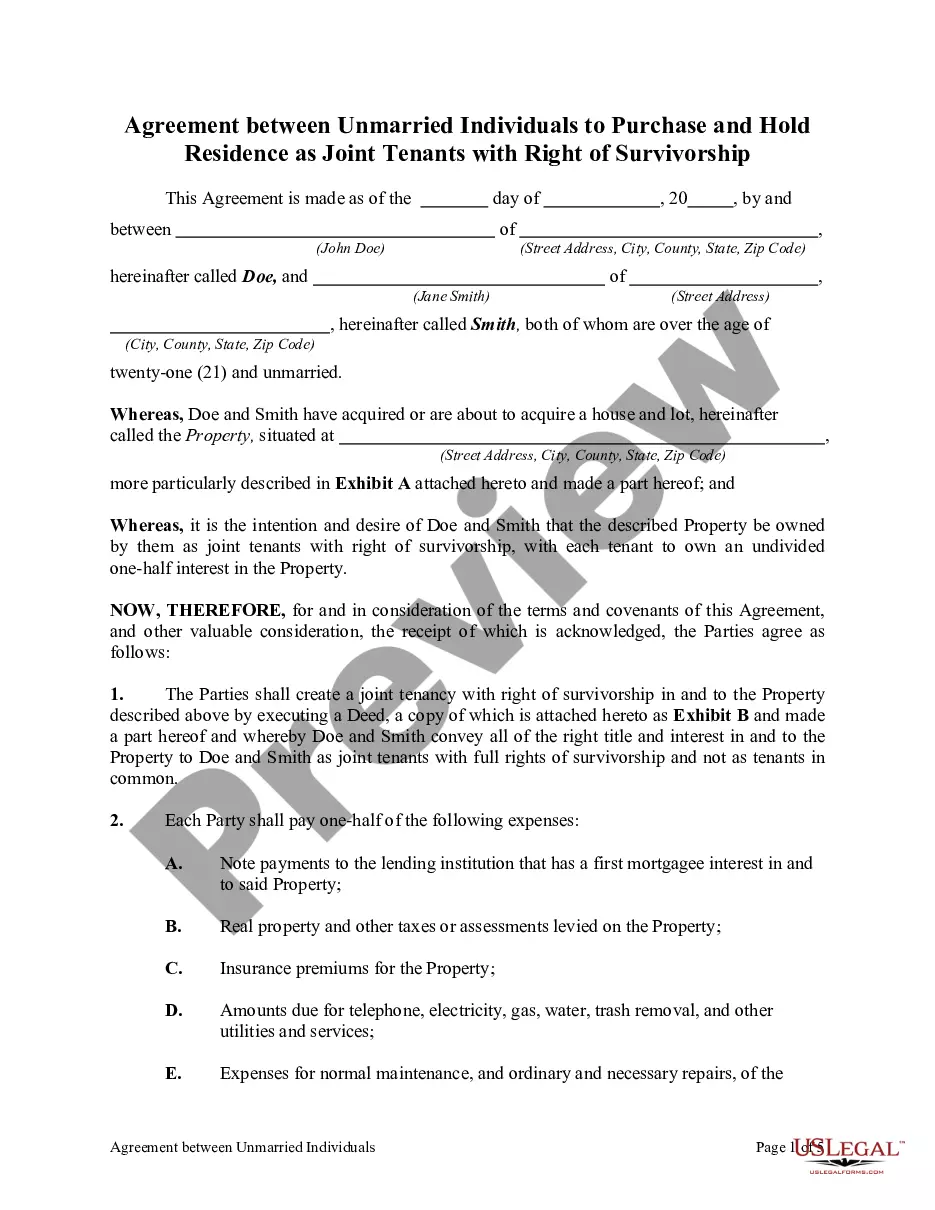
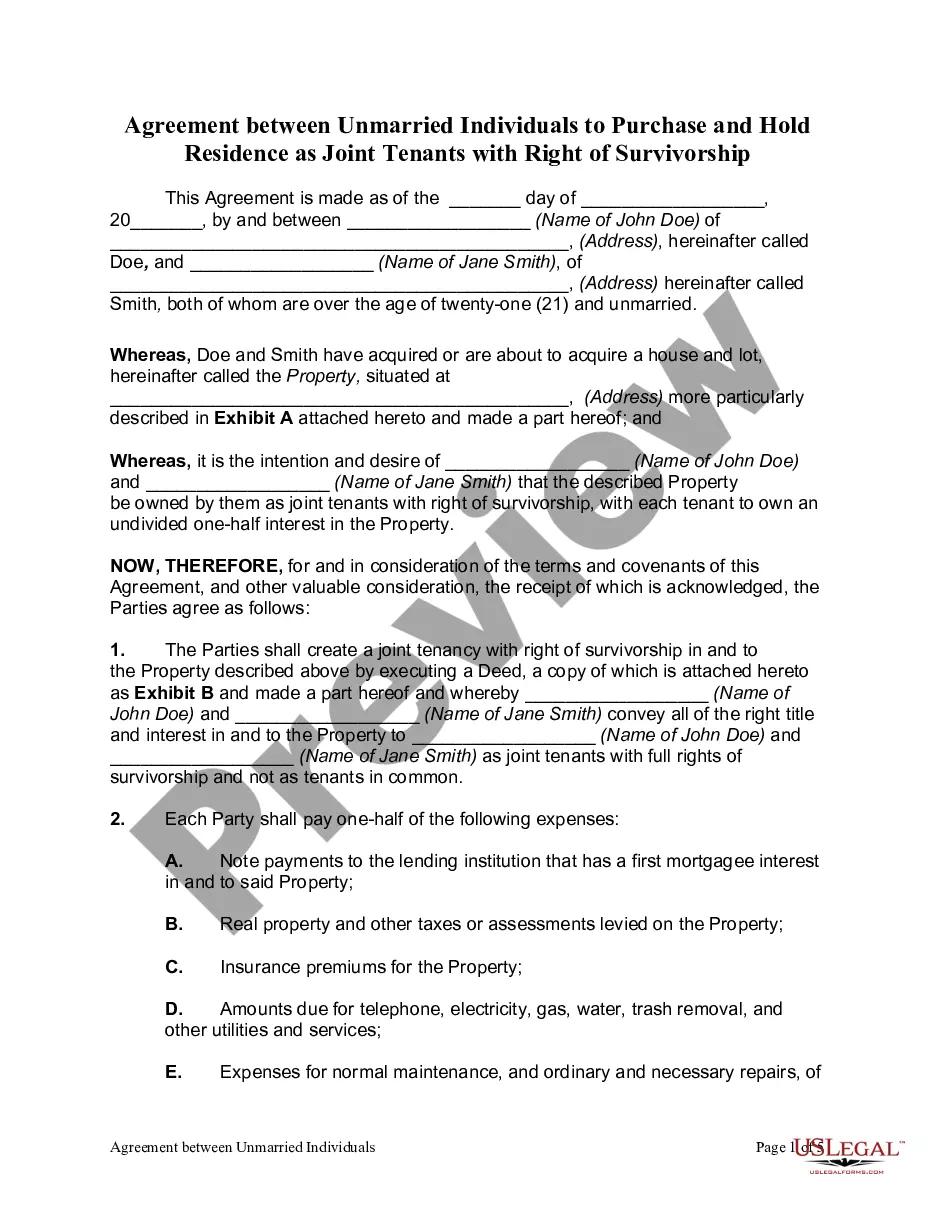
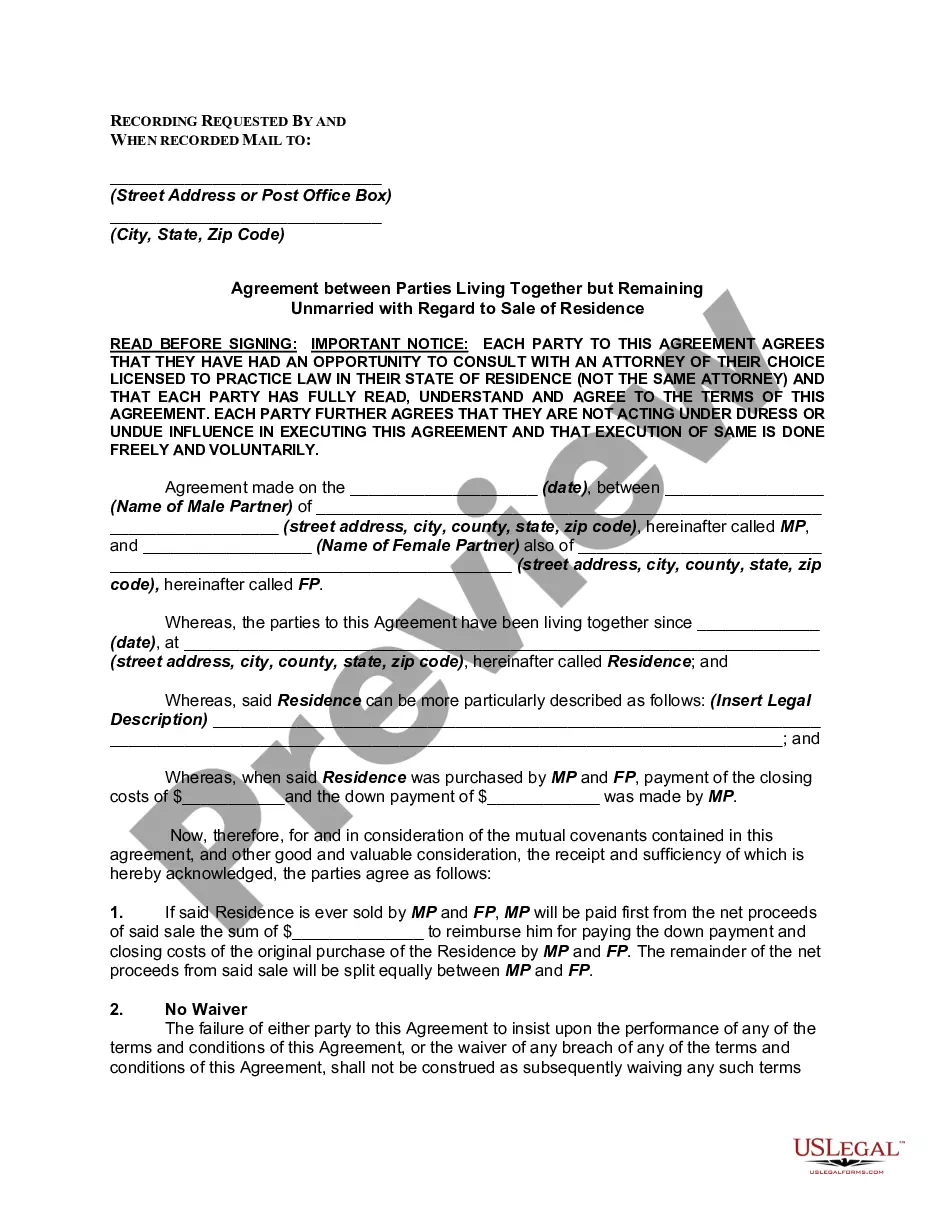
Get your form ready online
Our built-in tools help you complete, sign, share, and store your documents in one place.
Make edits, fill in missing information, and update formatting in US Legal Forms—just like you would in MS Word.
Download a copy, print it, send it by email, or mail it via USPS—whatever works best for your next step.
Sign and collect signatures with our SignNow integration. Send to multiple recipients, set reminders, and more. Go Premium to unlock E-Sign.
If this form requires notarization, complete it online through a secure video call—no need to meet a notary in person or wait for an appointment.
We protect your documents and personal data by following strict security and privacy standards.

Make edits, fill in missing information, and update formatting in US Legal Forms—just like you would in MS Word.

Download a copy, print it, send it by email, or mail it via USPS—whatever works best for your next step.

Sign and collect signatures with our SignNow integration. Send to multiple recipients, set reminders, and more. Go Premium to unlock E-Sign.

If this form requires notarization, complete it online through a secure video call—no need to meet a notary in person or wait for an appointment.

We protect your documents and personal data by following strict security and privacy standards.
Looking for another form?









Form popularity
FAQ
A joint tenancy in Florida has all the features of the tenancy in common except that all the joint tenants must have the same equal percentage of interest in the real property. The joint tenancy also does not avoid Florida probate.
Yes, JTWROS can be terminated by mutual agreement of all owners, or if one owner sells or transfers their share, converting the ownership to tenancy in common.
Florida law gives a surviving spouse at minimum a life estate in the homestead property previously titled solely in the name of the deceased spouse.
Florida law allows individuals to force the sale of a jointly owned property through a partition action. Regardless of their percentage ownership interest, any co-owner has the right to initiate this legal process to seek the sale and division of the property's proceeds.
If you own property jointly with someone else, and this ownership includes the "right of survivorship," then the surviving owner automatically owns the property when the other owner dies.
Yes, JTWROS can be terminated by mutual agreement of all owners, or if one owner sells or transfers their share, converting the ownership to tenancy in common.
Joint Tenancy with Right of Survivorship Florida A joint tenancy with right of survivorship has all the same features of a joint tenancy with the additional feature that when one joint tenant passes away, his or her interest in the real property will automatically pass to the survivor joint tenants by operational law.
How can I transfer a property deed from a deceased relative in Florida? If the controlling deed does not contain life estate language, then the only way to transfer property without a will is by either a summary administration or by a formal probate administration based on Florida's intestacy law.
To legally create JTWRS in the state of Florida, the right of survivorship must be expressly stated in the instrument creating the joint tenancy (typically a deed). In ance with § 689.15, Fla.
