Contracts For Unmarried Couples In Florida
Description

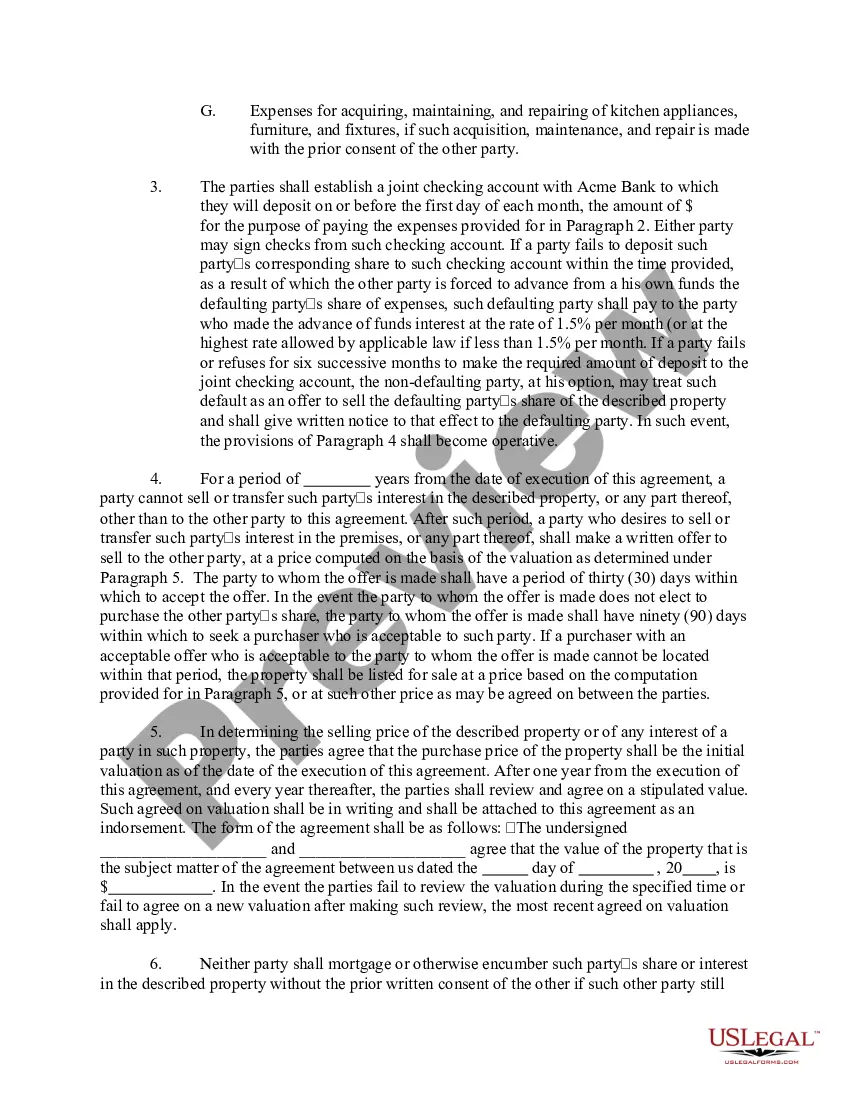
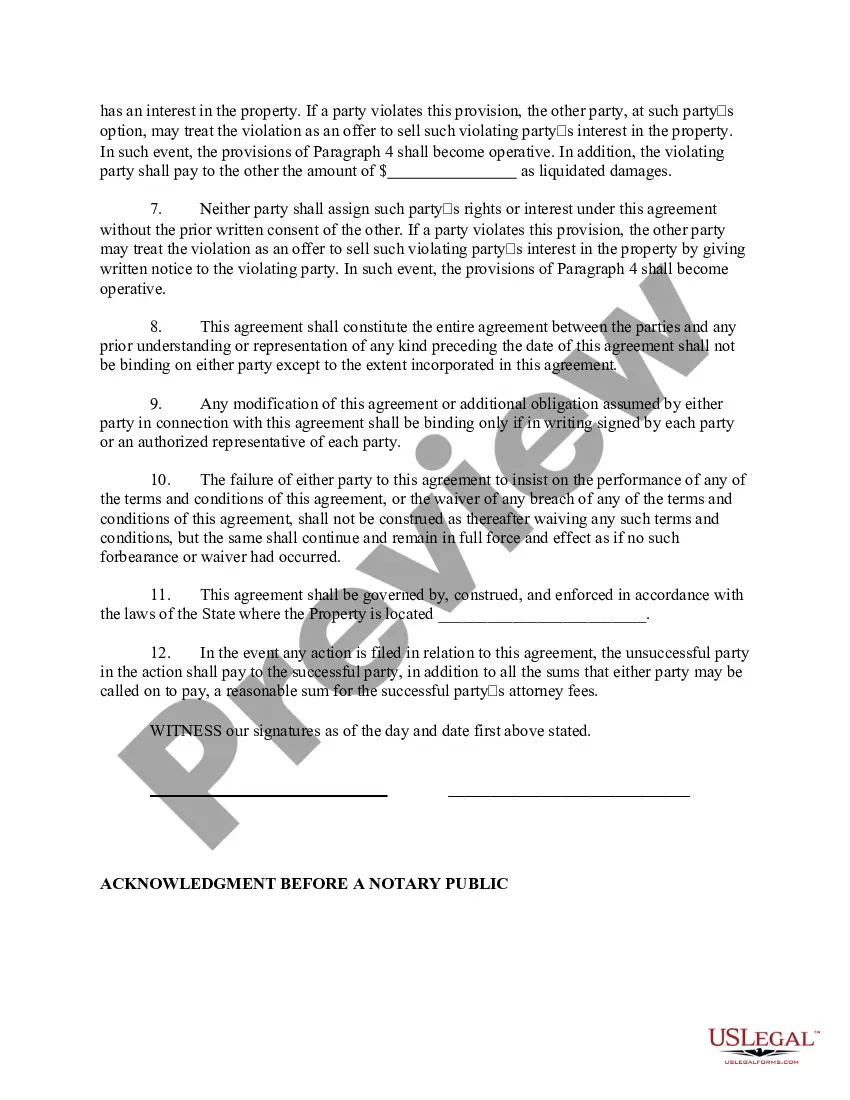
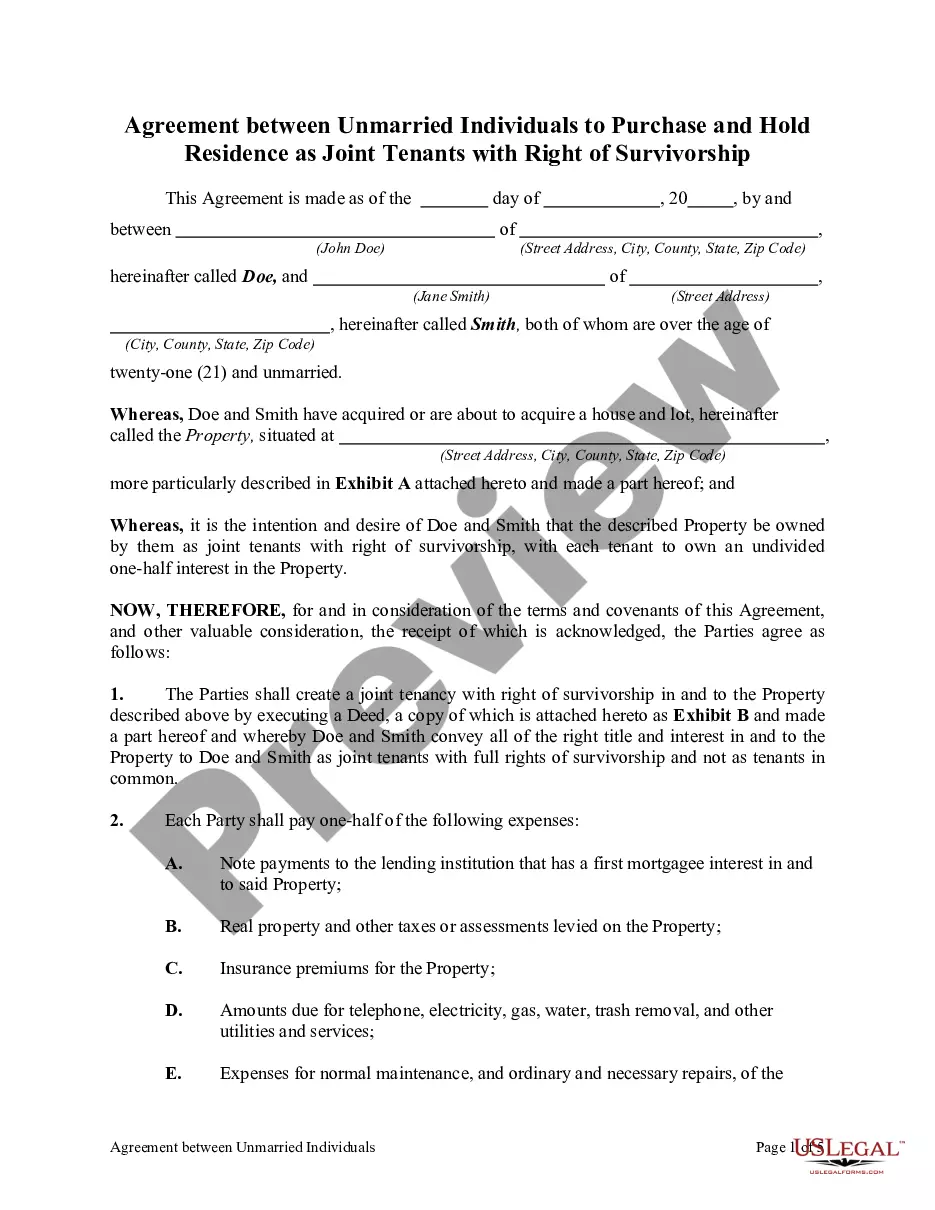
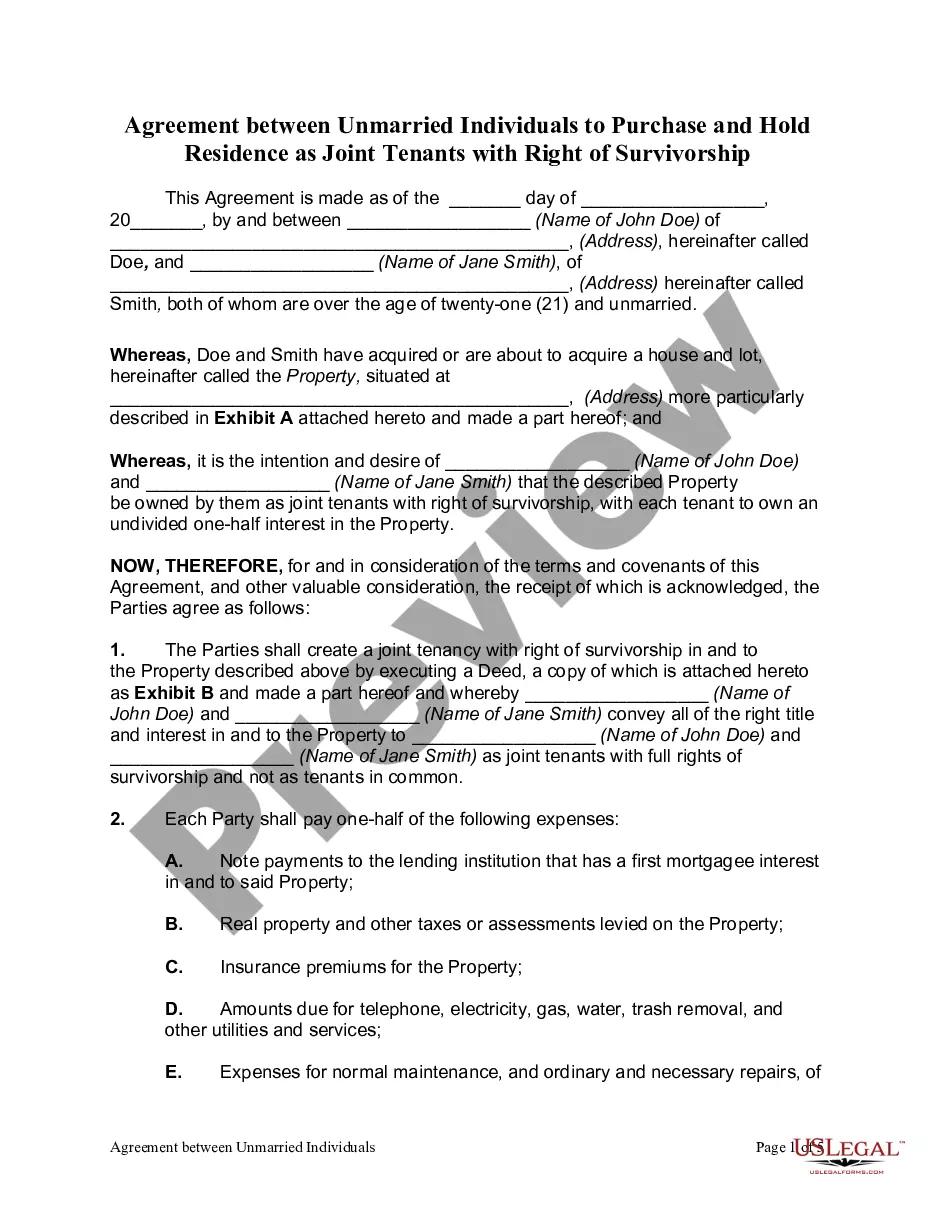
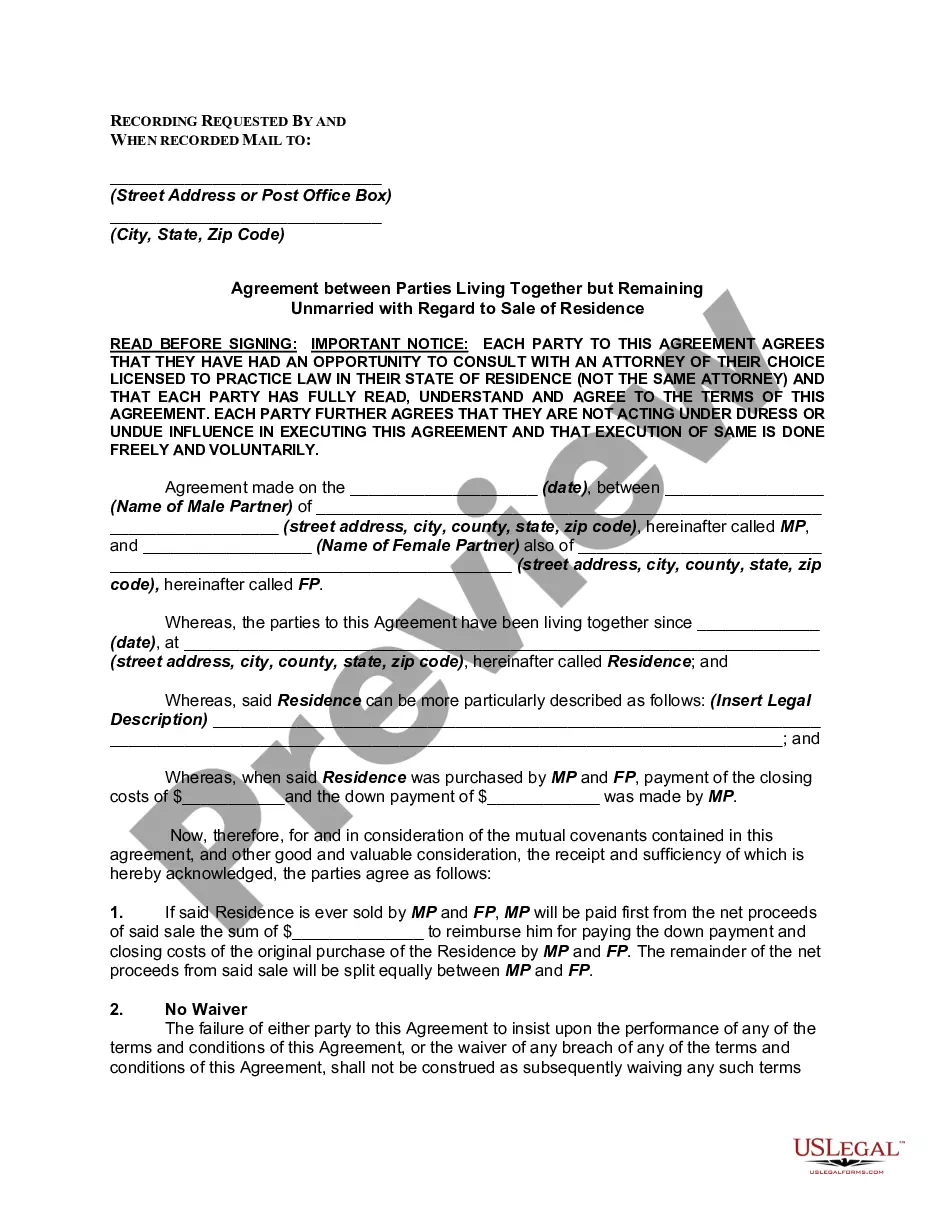
Get your form ready online
Our built-in tools help you complete, sign, share, and store your documents in one place.
Make edits, fill in missing information, and update formatting in US Legal Forms—just like you would in MS Word.
Download a copy, print it, send it by email, or mail it via USPS—whatever works best for your next step.
Sign and collect signatures with our SignNow integration. Send to multiple recipients, set reminders, and more. Go Premium to unlock E-Sign.
If this form requires notarization, complete it online through a secure video call—no need to meet a notary in person or wait for an appointment.
We protect your documents and personal data by following strict security and privacy standards.

Make edits, fill in missing information, and update formatting in US Legal Forms—just like you would in MS Word.

Download a copy, print it, send it by email, or mail it via USPS—whatever works best for your next step.

Sign and collect signatures with our SignNow integration. Send to multiple recipients, set reminders, and more. Go Premium to unlock E-Sign.

If this form requires notarization, complete it online through a secure video call—no need to meet a notary in person or wait for an appointment.

We protect your documents and personal data by following strict security and privacy standards.
Looking for another form?










Form popularity
FAQ
No, common-law marriages in Florida do not exist. Florida does not recognize couples as having entered into a marriage relationship or agreement after seven years—or any other length of time—of living together, even if the couple has otherwise developed the habits of and reputation as a married couple.
In Florida, unmarried partners seeking legal protection face certain challenges, as the state does not recognize common-law marriage. This means that, without formal marriage, individuals in a relationship do not automatically receive the rights and protections of a traditional spouse.
Perhaps the most common way for unmarried couples to take title to real property is as "tenants in common." Unlike a joint tenancy, a tenant in common has no automatic right to inherit the property when the other partner dies.
There are many misconceptions about common law marriage in Florida, one of the most persistent being that living together for a certain number of years will automatically result in a common law marriage. This is simply not true; since 1968, no new common law marriages have been recognized in the state.
To be a common law spouse you must live together for many years typically 7 years. Not many states recognize common law marriages anymore. the common law marriage was created for the settlers who may not see a member of the clergy or justice of the peace for several years.
Florida does not recognize common law marriages that were entered into after January 1, 1968. This means that even if you've lived together as unmarried partners for 15 years, you won't automatically gain the legal standing or rights that come with marriage.
No, common-law marriages in Florida do not exist. Florida does not recognize couples as having entered into a marriage relationship or agreement after seven years—or any other length of time—of living together, even if the couple has otherwise developed the habits of and reputation as a married couple.
You're not alone if you and your partner simply decide to live together as if you were married, a situation people often call a “common law marriage.” In the eyes of the law, however, common law marriage doesn't exist unless you live in a few select states—and Florida isn't one of them.
Definition and Recognition of Common Law Marriage As of January 1, 1968, Florida no longer recognizes new common law marriages. This means that while couples may live together and share a life, the state does not afford them the legal rights and benefits of marriage without a legally recognized marriage certificate.
What determines who gets the house when an unmarried couple splits up in Florida? In determining who gets the house when an unmarried couple splits up in Florida, legal ownership plays a pivotal role. If the property deed lists only one partner's name, that individual is generally considered the sole owner.
