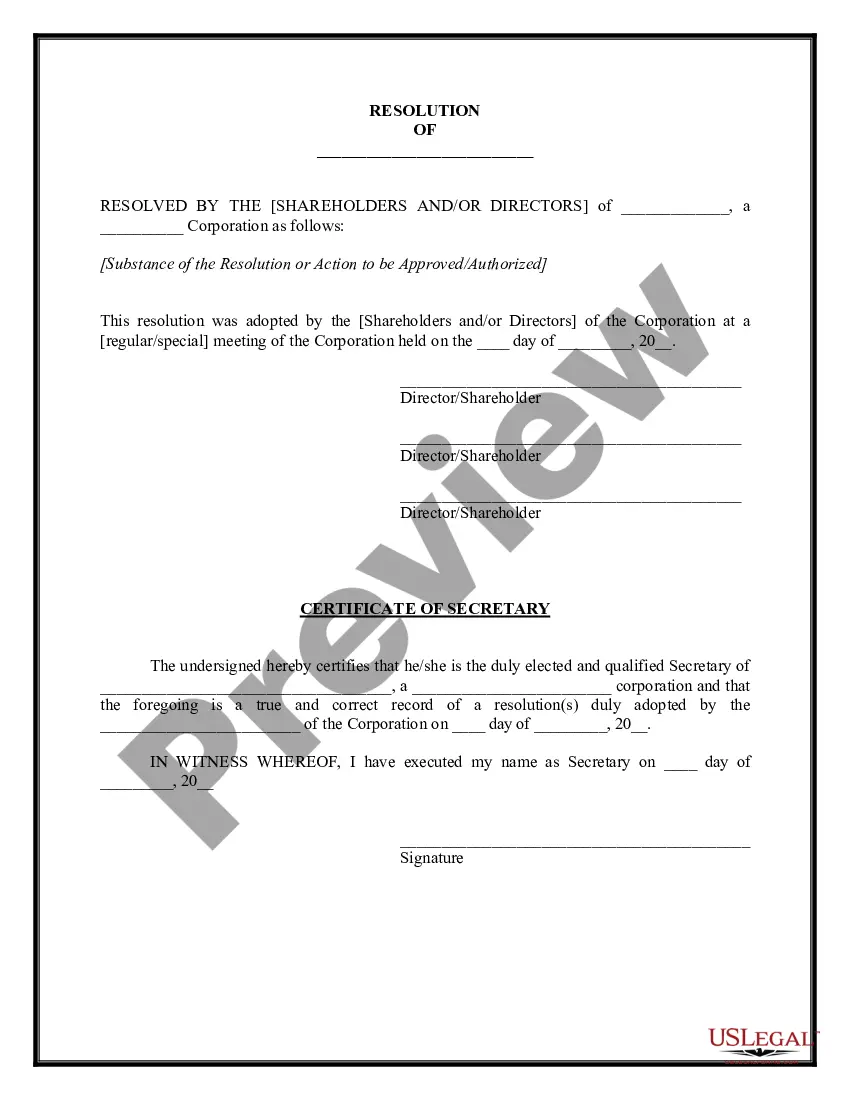
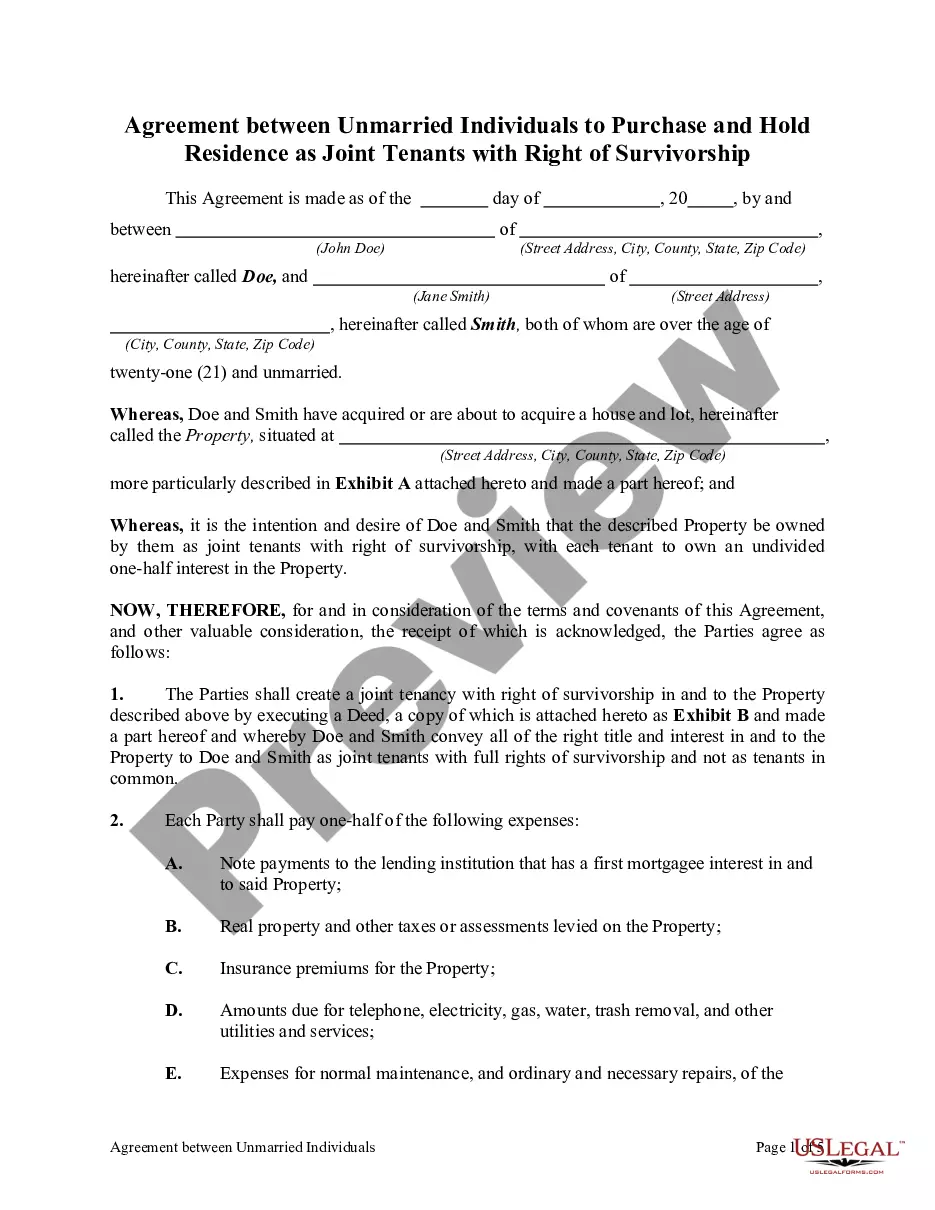
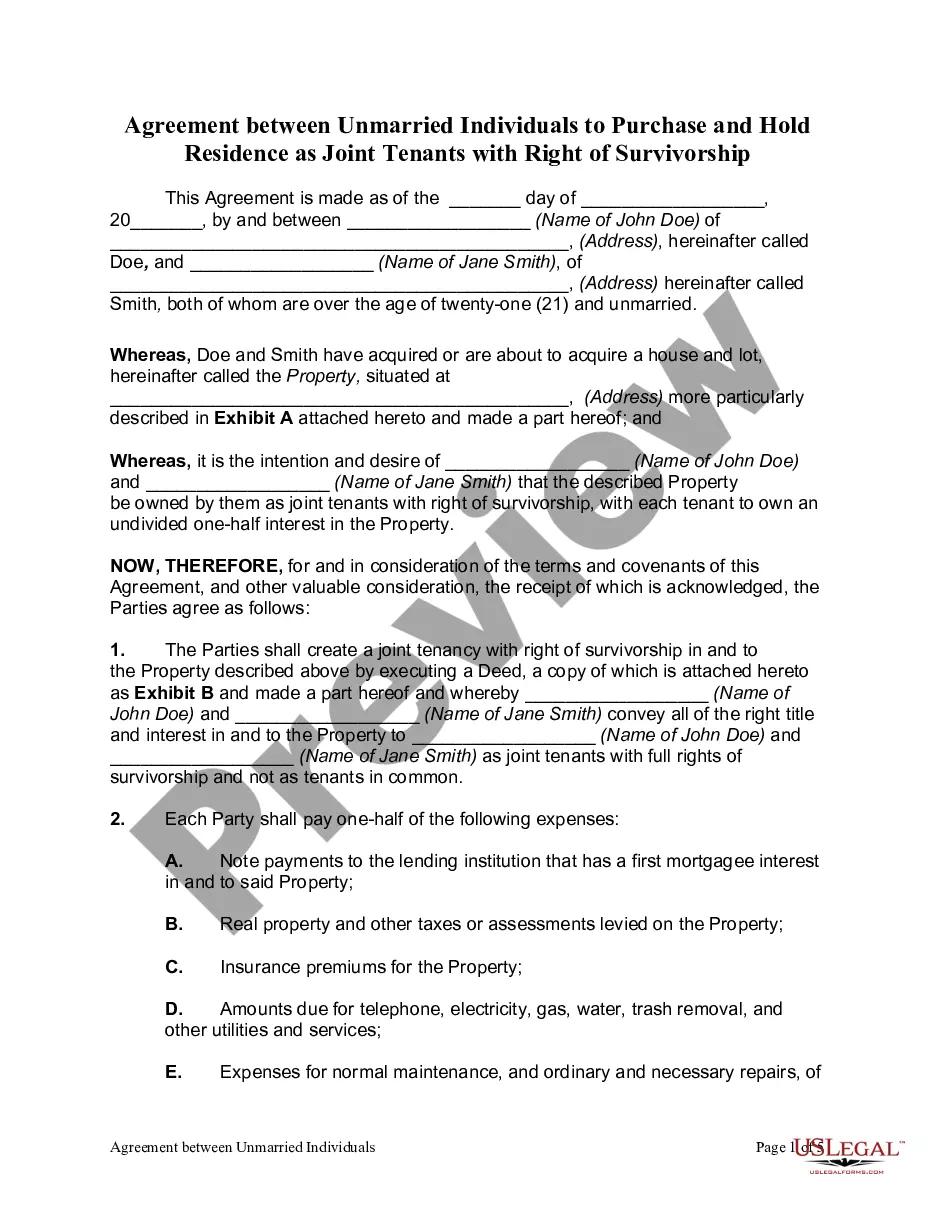
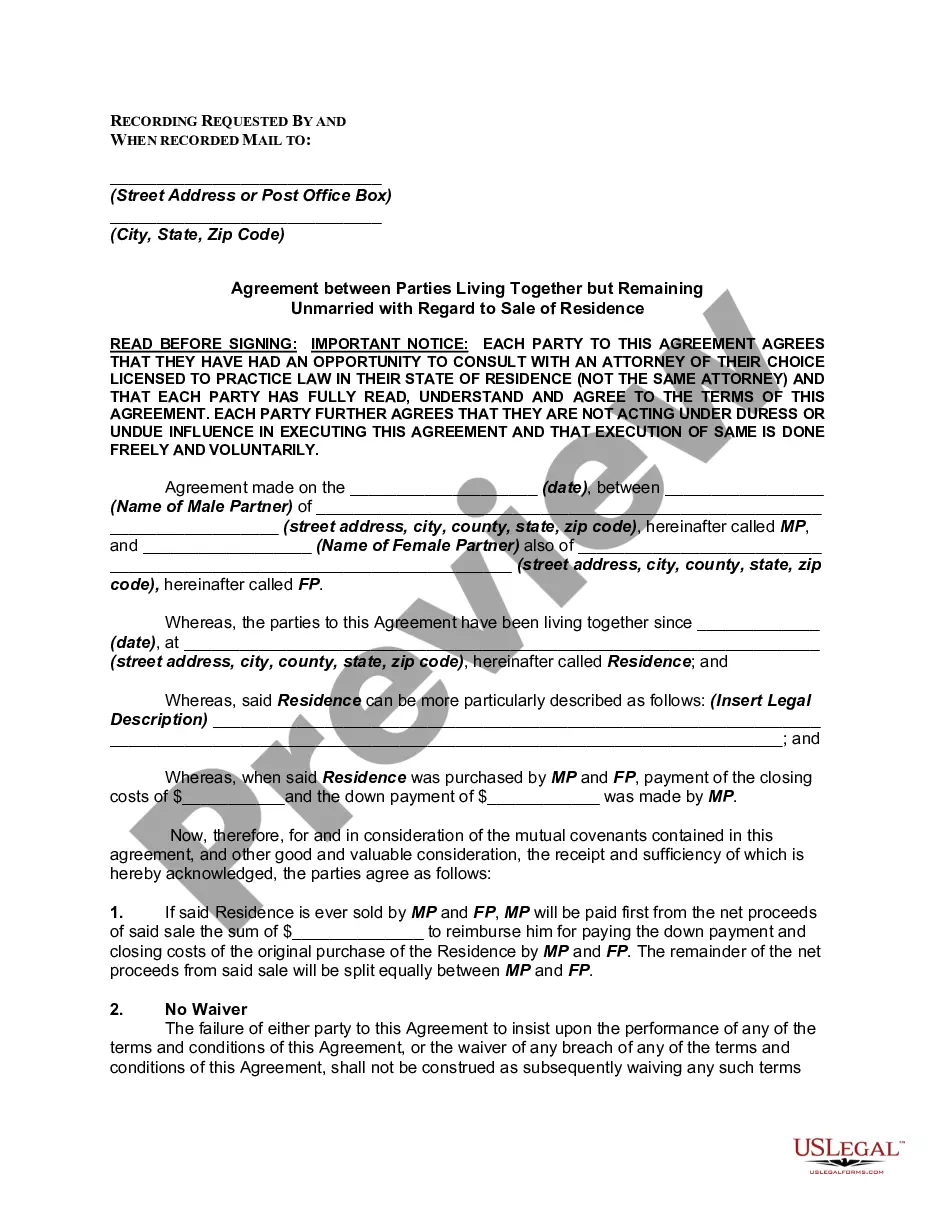
Agreement Unmarried With Spouse In Florida
Description

Get your form ready online
Our built-in tools help you complete, sign, share, and store your documents in one place.
Make edits, fill in missing information, and update formatting in US Legal Forms—just like you would in MS Word.
Download a copy, print it, send it by email, or mail it via USPS—whatever works best for your next step.
Sign and collect signatures with our SignNow integration. Send to multiple recipients, set reminders, and more. Go Premium to unlock E-Sign.
If this form requires notarization, complete it online through a secure video call—no need to meet a notary in person or wait for an appointment.
We protect your documents and personal data by following strict security and privacy standards.

Make edits, fill in missing information, and update formatting in US Legal Forms—just like you would in MS Word.

Download a copy, print it, send it by email, or mail it via USPS—whatever works best for your next step.

Sign and collect signatures with our SignNow integration. Send to multiple recipients, set reminders, and more. Go Premium to unlock E-Sign.

If this form requires notarization, complete it online through a secure video call—no need to meet a notary in person or wait for an appointment.

We protect your documents and personal data by following strict security and privacy standards.
Looking for another form?






Form popularity
FAQ
Before filing your divorce petition, you will need to have it notarized. Most likely, a notary will be available at the clerk's office where you file.
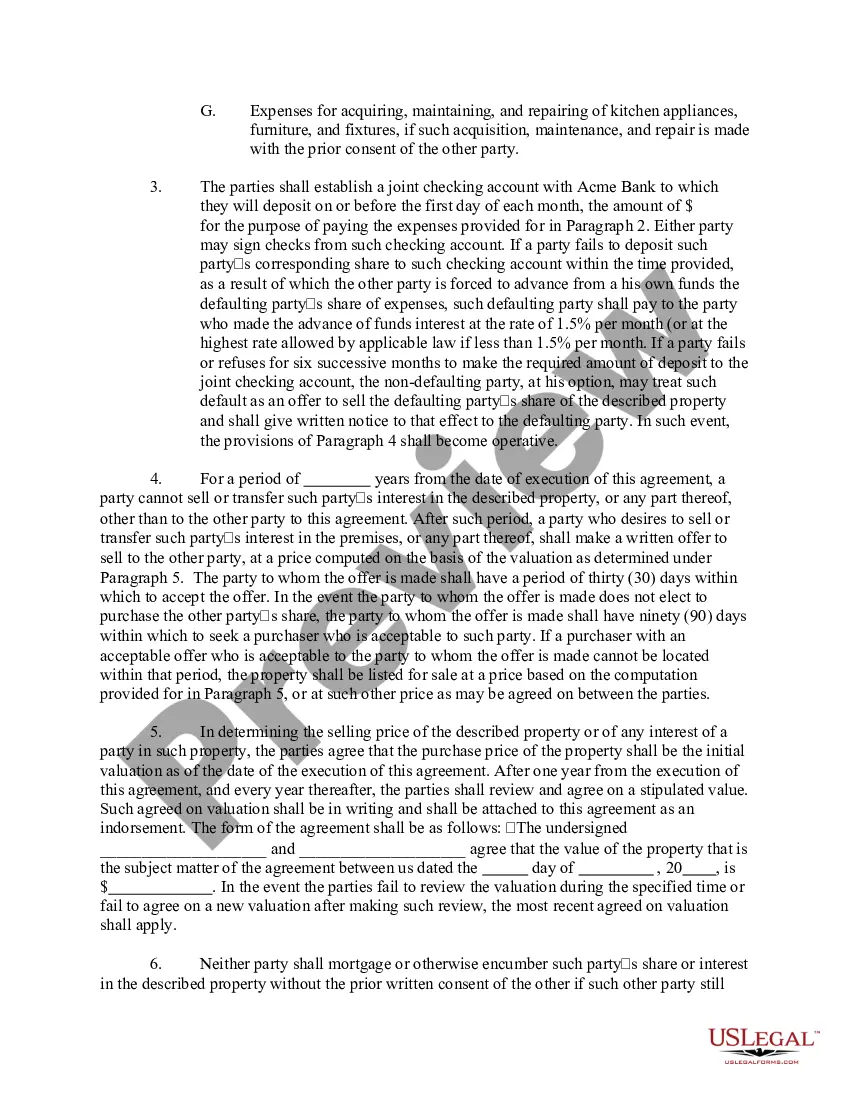
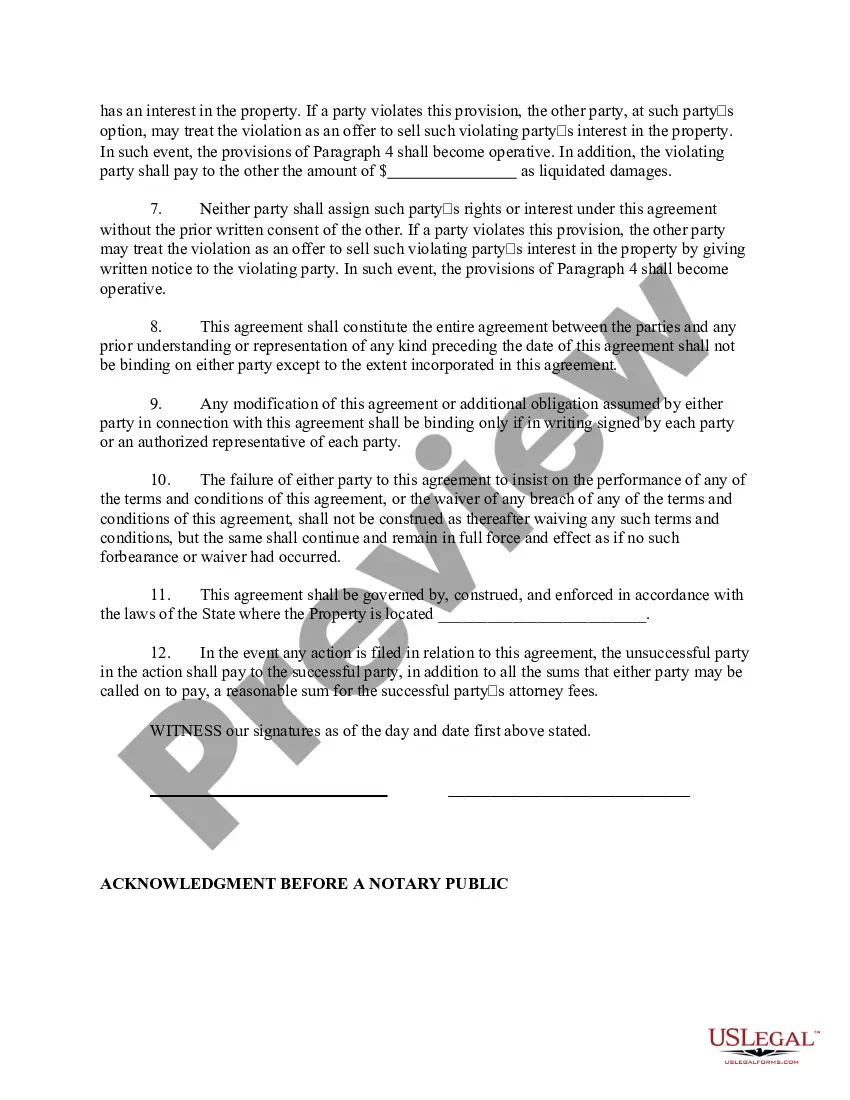
Both parties must sign the agreement and have their signatures witnessed by a notary public or deputy clerk. After completing this form, you should file this document with the clerk of the circuit court in the county where the petition was filed and keep a copy for your records.
What Is a Marital Settlement Agreement (MSA) in a Florida Divorce? A marital settlement agreement or MSA is a contract between spouses seeking a divorce. The couple agrees to all of the divorce terms, such as equitable division of property, spousal support, and child support.
Ing to Florida statute §741.211, Florida does not recognize any common-law marriage entered into after January 1, 1968. That means unmarried couples in Florida do not have legal spousal rights regardless of how long they have lived together.
Under Florida law, unmarried couples generally take title as either “tenants in common” or “joint tenants with rights of survivorship.” These terms may seem formalities, but they dictate how your property will be treated in case of separation, marriage, or death.
As experienced divorce attorneys, we know that enforcement of settlement agreements typically requires filing a request with the court so that the spouse who is not in compliance will go before a judge who will order him or her to comply with the terms set forth in the agreement.
In most cases, divorce records, including financial affidavits and marital settlement agreements, become part of the public domain. This lack of privacy extends to various divorce scenarios, such as mediation's, uncontested cases, or litigated cases, where sensitive information is laid bare for anyone to access.
Definition and Recognition of Common Law Marriage As of January 1, 1968, Florida no longer recognizes new common law marriages. This means that while couples may live together and share a life, the state does not afford them the legal rights and benefits of marriage without a legally recognized marriage certificate.