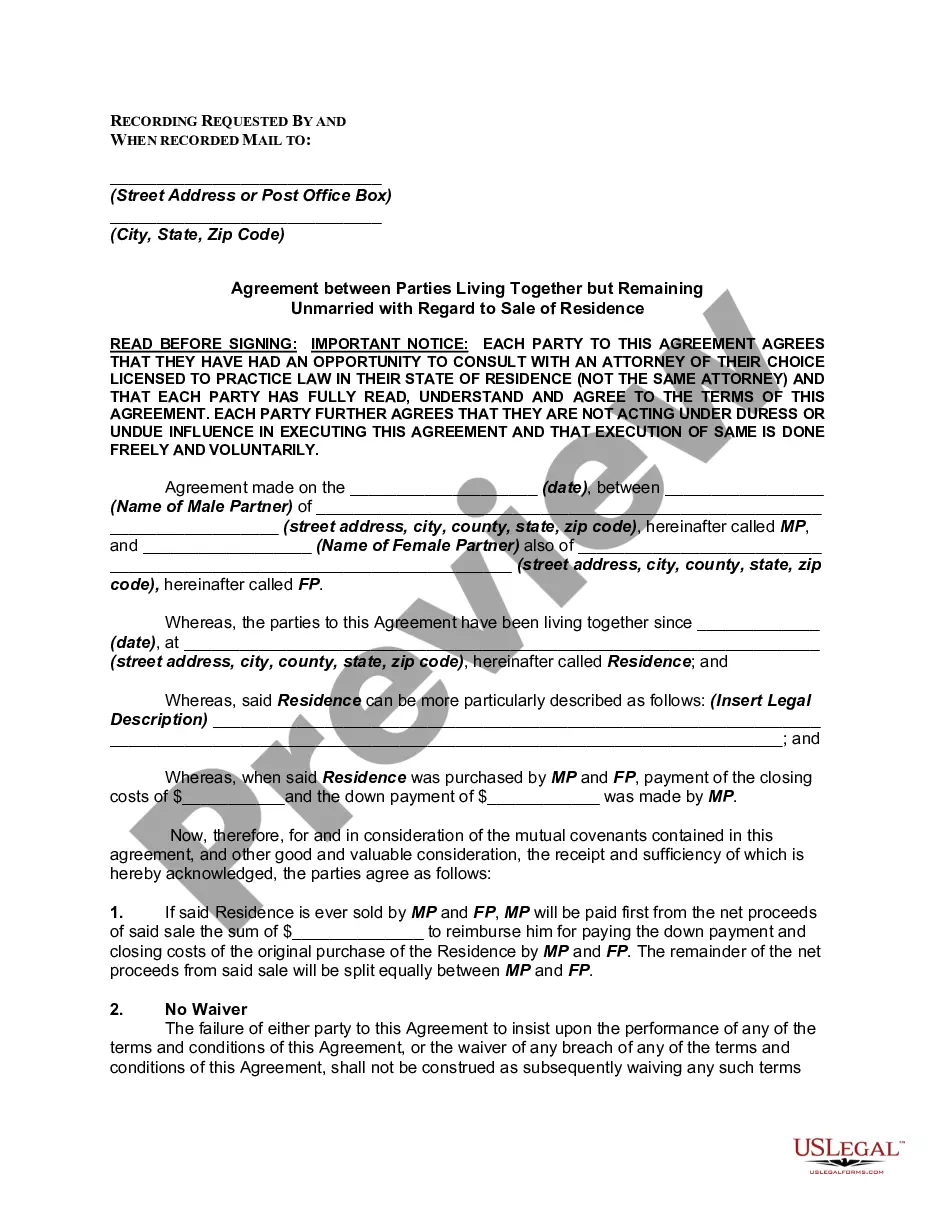
Contracts For Unmarried Couples In Fairfax
Description

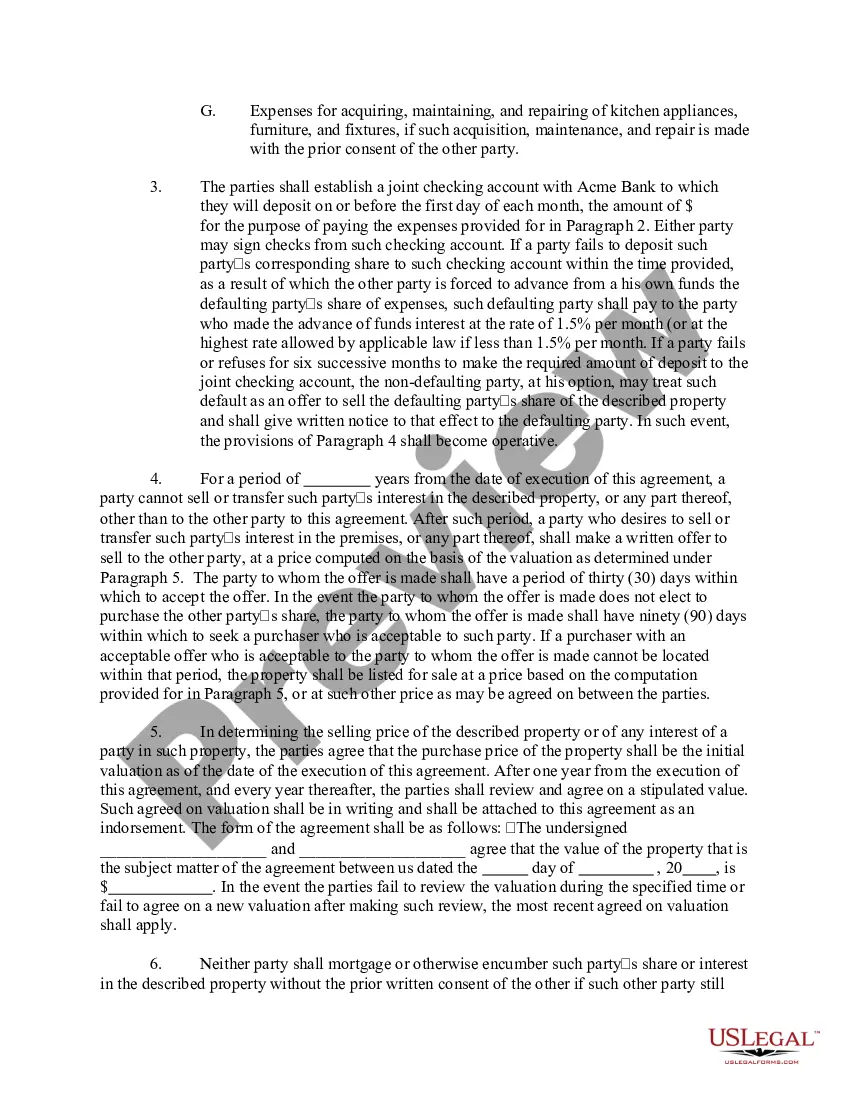
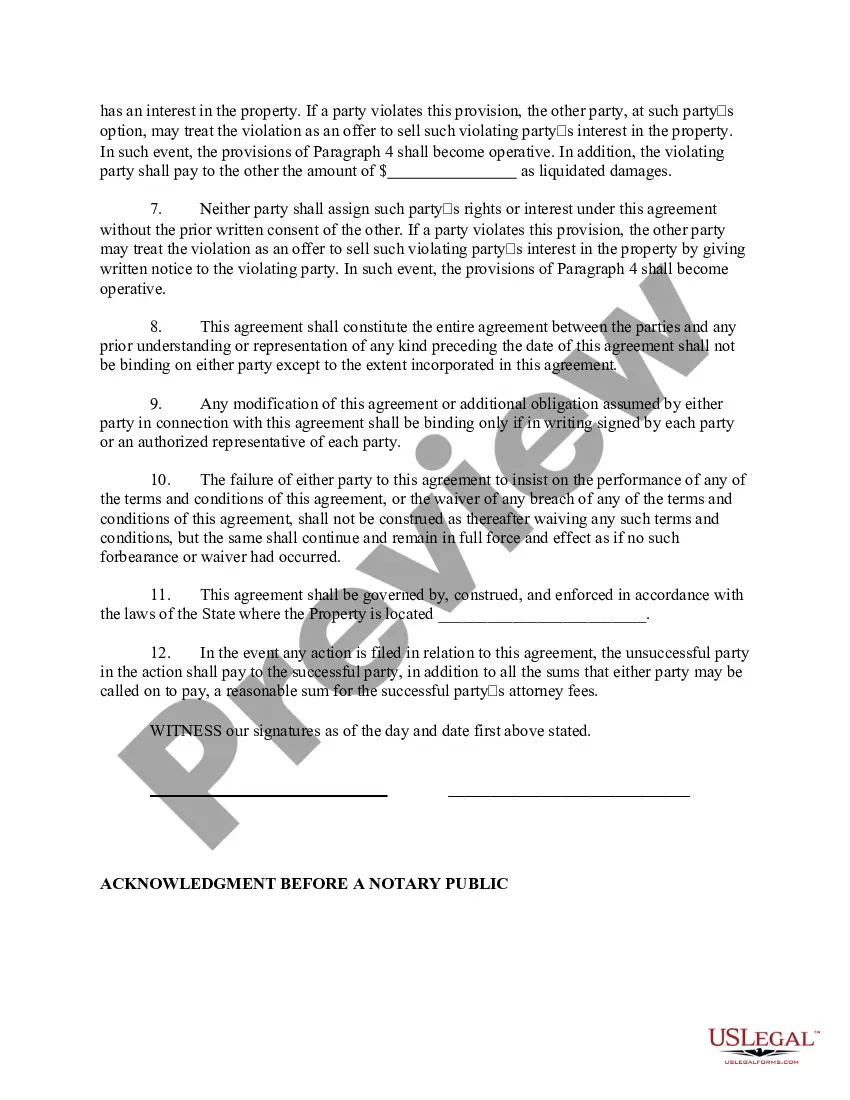
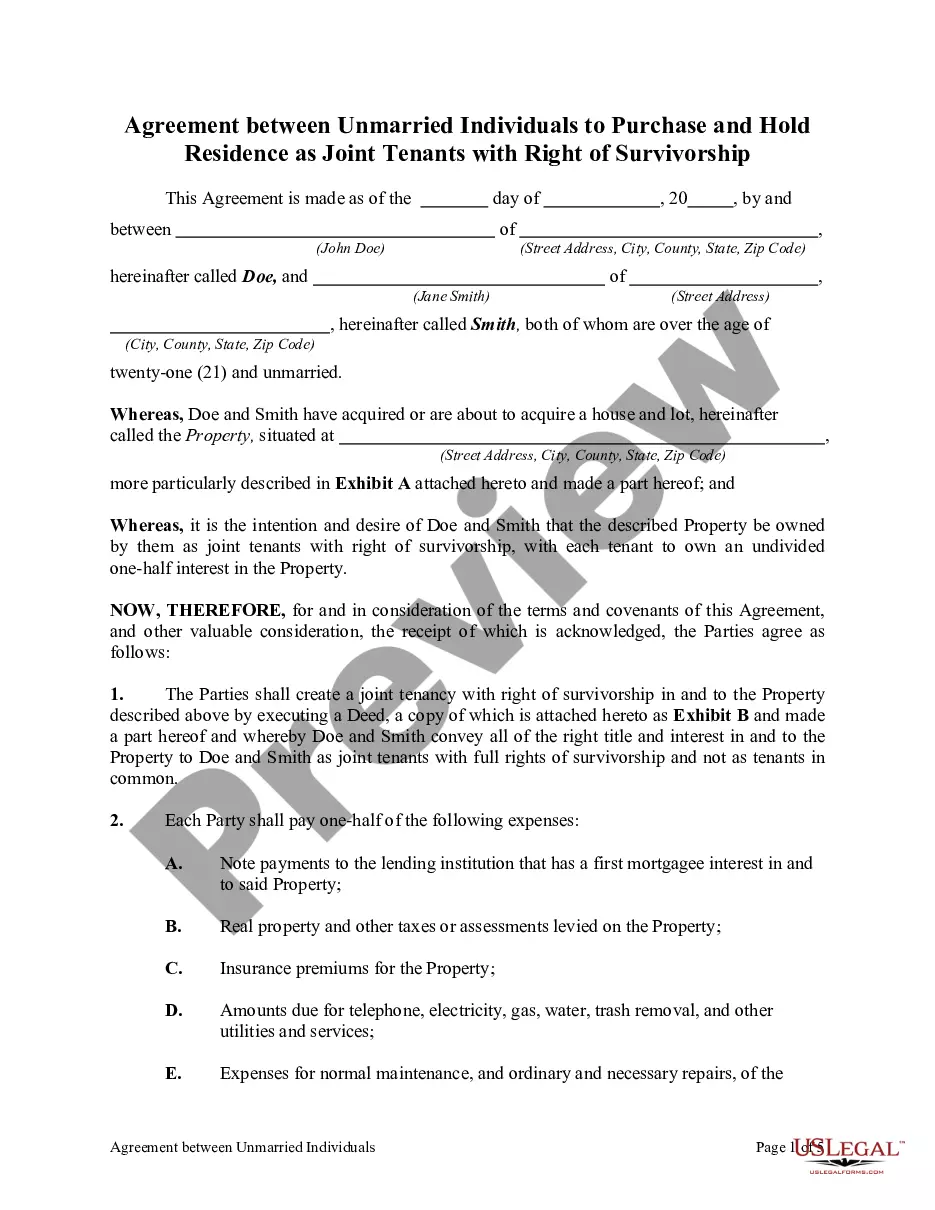
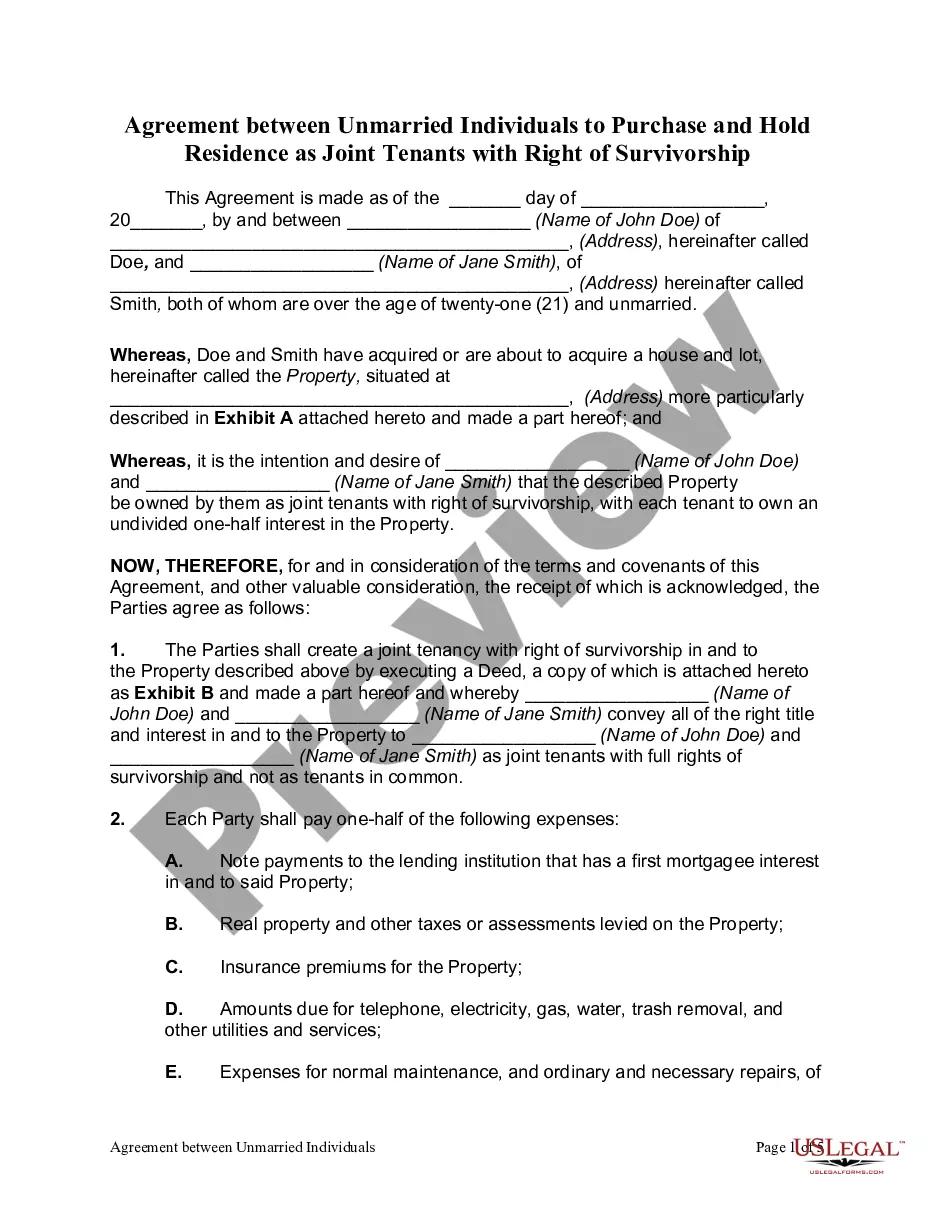
Get your form ready online
Our built-in tools help you complete, sign, share, and store your documents in one place.
Make edits, fill in missing information, and update formatting in US Legal Forms—just like you would in MS Word.
Download a copy, print it, send it by email, or mail it via USPS—whatever works best for your next step.
Sign and collect signatures with our SignNow integration. Send to multiple recipients, set reminders, and more. Go Premium to unlock E-Sign.
If this form requires notarization, complete it online through a secure video call—no need to meet a notary in person or wait for an appointment.
We protect your documents and personal data by following strict security and privacy standards.

Make edits, fill in missing information, and update formatting in US Legal Forms—just like you would in MS Word.

Download a copy, print it, send it by email, or mail it via USPS—whatever works best for your next step.

Sign and collect signatures with our SignNow integration. Send to multiple recipients, set reminders, and more. Go Premium to unlock E-Sign.

If this form requires notarization, complete it online through a secure video call—no need to meet a notary in person or wait for an appointment.

We protect your documents and personal data by following strict security and privacy standards.
Looking for another form?









Form popularity
FAQ
Virginia does not recognize common law marriage. This means that you and your unmarried partner's duties and obligations regarding parenting and property aren't specified unless you have a written cohabitation agreement.
Sign A Cohabitation Property Agreement Cohabitation agreements are contractual pacts that allow unmarried couples who live together to make clear who owns what and how joint assets will be allocated in a breakup. They can also be used to specify what financial aspects of living together each partner is responsible for.
Joint Tenancy. If you take title as joint tenants, you share equal ownership of the property and each of you has the right to use the entire property. If one joint tenant dies, the other automatically becomes the owner of the deceased person's share, even if there's a will to the contrary.
Perhaps the most common way for unmarried couples to take title to real property is as "tenants in common." Unlike a joint tenancy, a tenant in common has no automatic right to inherit the property when the other partner dies.
Unmarried couples typically hold title in one of two ways: joint or tenancy in common. Joint tenancy: This arrangement allows both parties equal ownership and rights to the property, if held as joint tenancy with the right of survivorship.
While an agreement between you and your former partner is the best bet, a partition proceeding is possible if you cannot reach a fair agreement. To do this, you must file a lawsuit against your former partner and schedule a hearing before a judge who will decide how to split the property based on the facts of the case.
Cohabitation is an arrangement where people who are not married, usually couples, live together. They are often involved in a romantic or sexually intimate relationship on a long-term or permanent basis.
Virginia does not have common law marriage. No duties or obligations arise between two adults by living together in the same household unless such duties or obligation are set out by express agreement.
