Agreement Unmarried With Child In Fairfax
Description

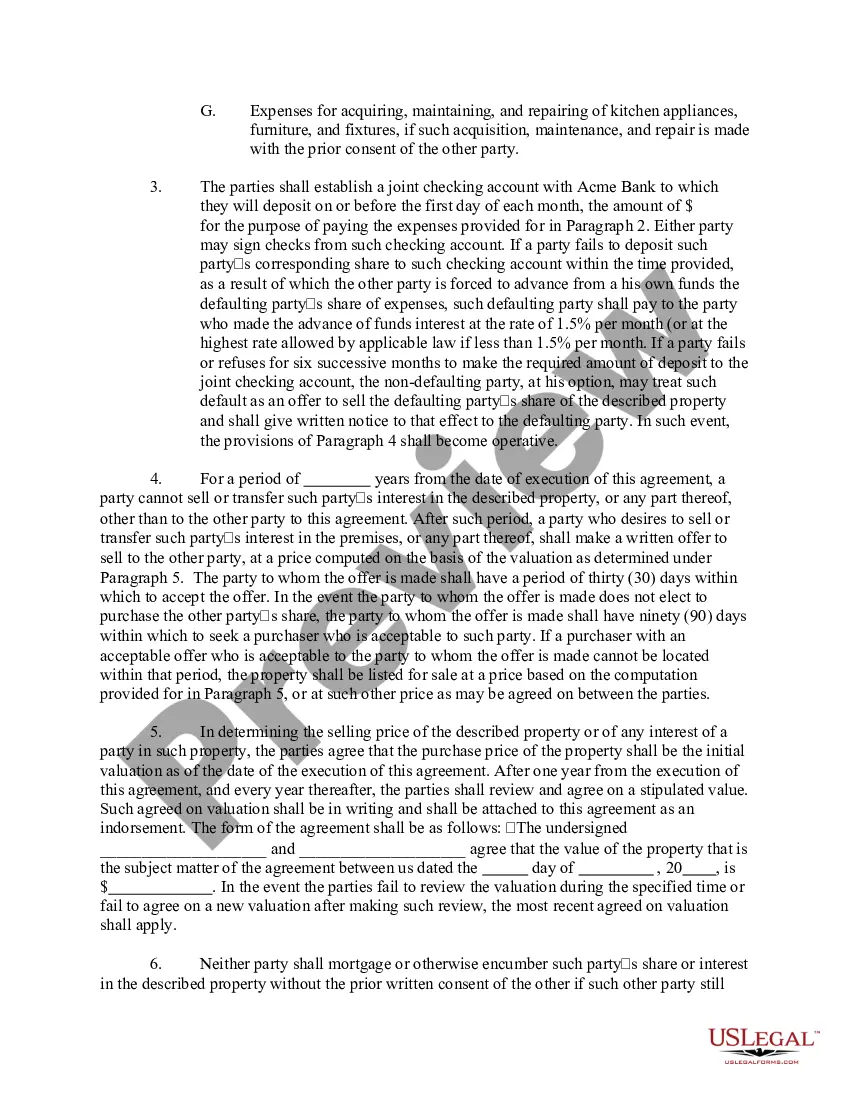
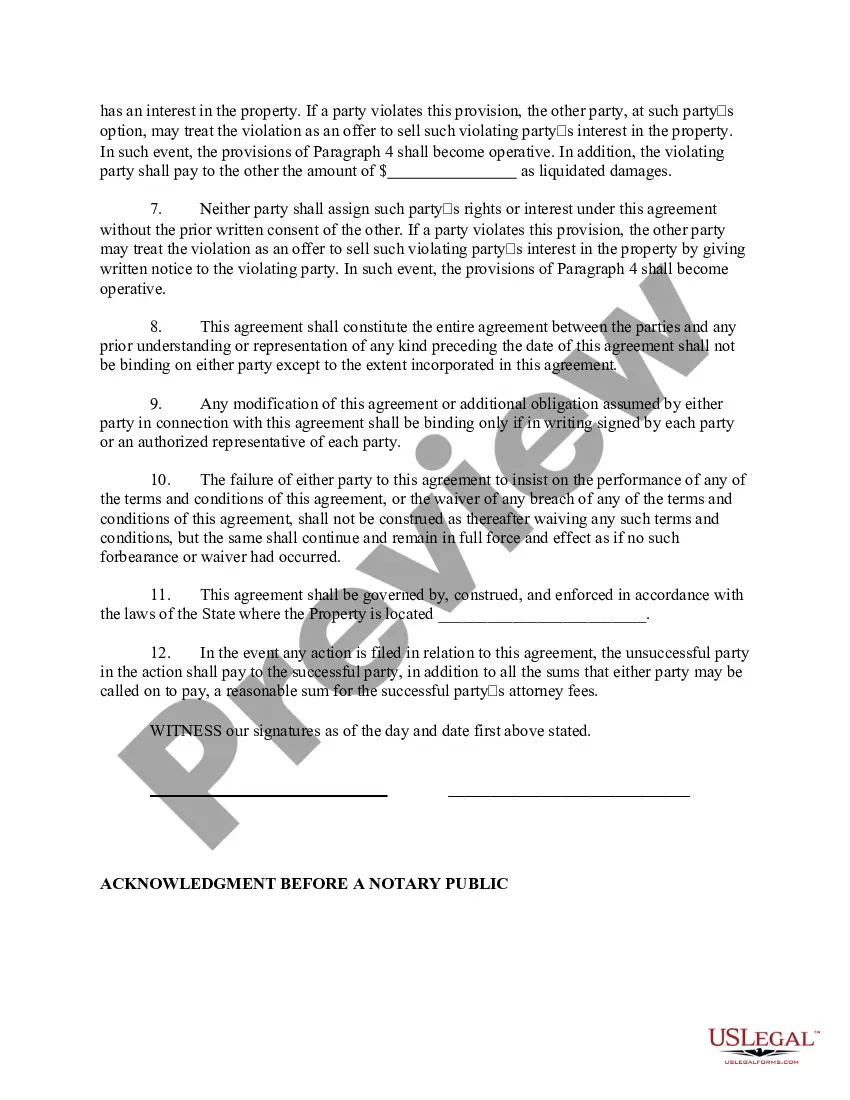
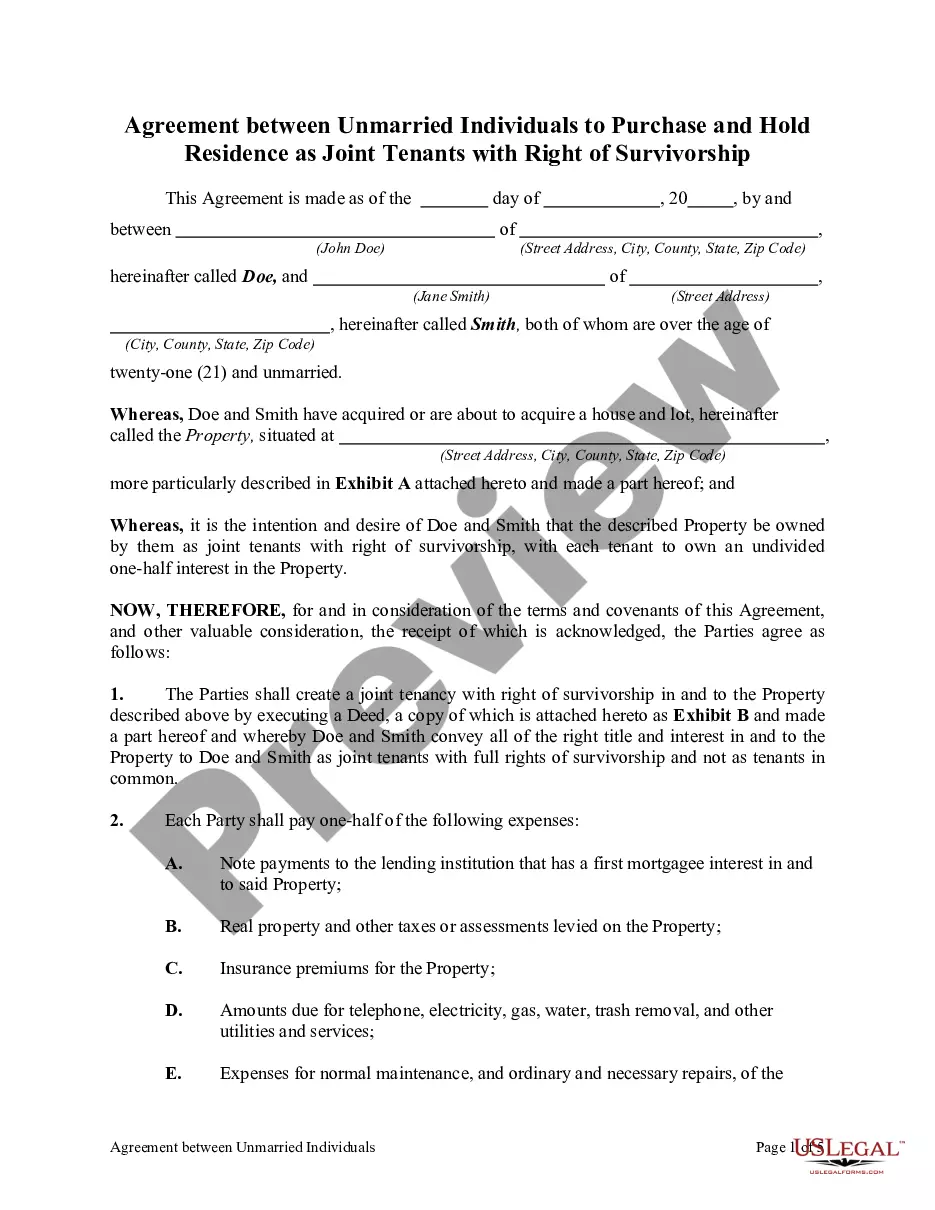
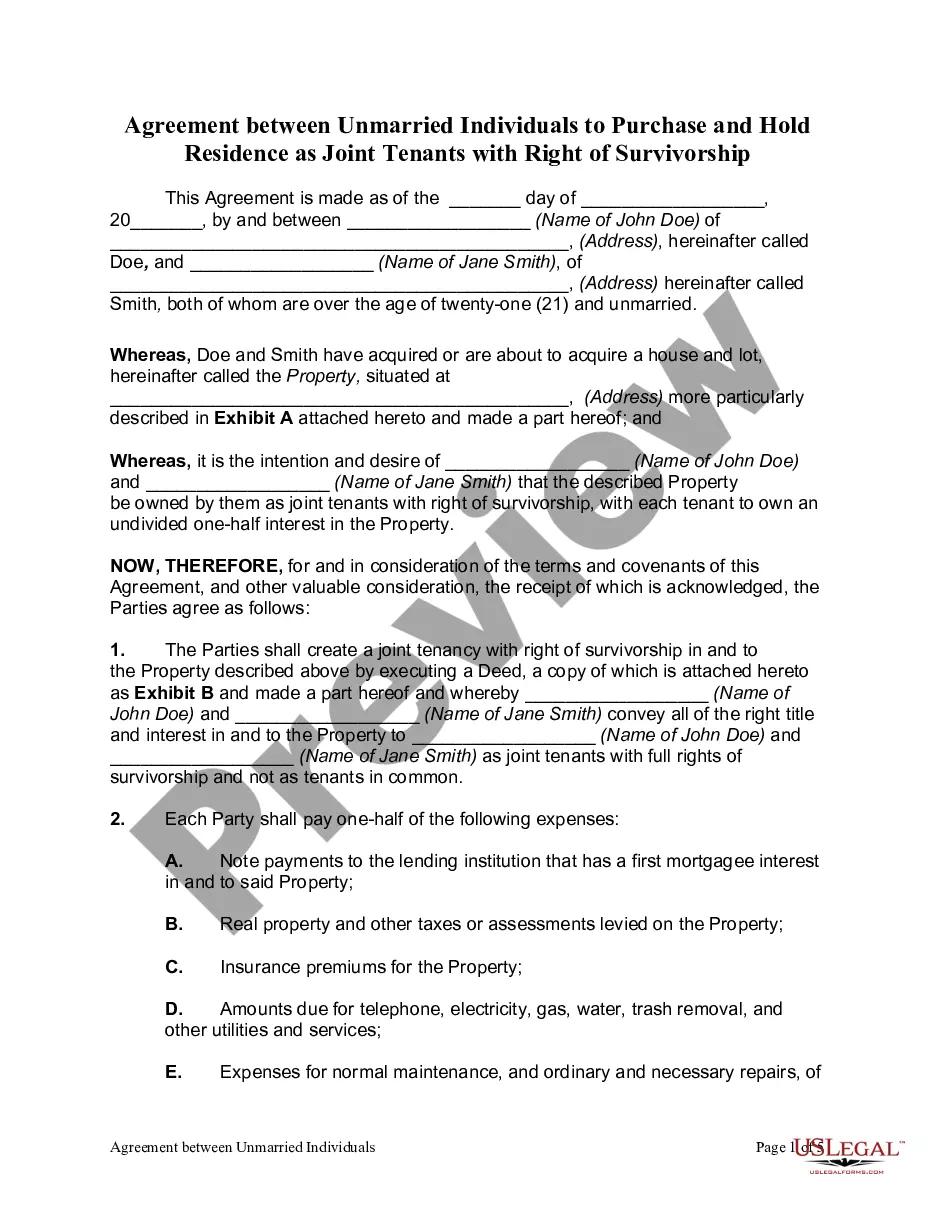
Get your form ready online
Our built-in tools help you complete, sign, share, and store your documents in one place.
Make edits, fill in missing information, and update formatting in US Legal Forms—just like you would in MS Word.
Download a copy, print it, send it by email, or mail it via USPS—whatever works best for your next step.
Sign and collect signatures with our SignNow integration. Send to multiple recipients, set reminders, and more. Go Premium to unlock E-Sign.
If this form requires notarization, complete it online through a secure video call—no need to meet a notary in person or wait for an appointment.
We protect your documents and personal data by following strict security and privacy standards.

Make edits, fill in missing information, and update formatting in US Legal Forms—just like you would in MS Word.

Download a copy, print it, send it by email, or mail it via USPS—whatever works best for your next step.

Sign and collect signatures with our SignNow integration. Send to multiple recipients, set reminders, and more. Go Premium to unlock E-Sign.

If this form requires notarization, complete it online through a secure video call—no need to meet a notary in person or wait for an appointment.

We protect your documents and personal data by following strict security and privacy standards.
Looking for another form?
Form popularity
FAQ
When there is no court order both parents have equal rights over the child or children. There is no parent more valuable than the other in the eyes of the law. Both mother and father have equal rights to spend as much time with the child as they want.
If there is no custody order in force: Either parent can move away and take the child with them as long as there is no injunction or other order preventing it. A move out of state—even if the party establishes residency there—does not necessarily affect the Virginia court's authority in the matter.
The father needs to take action in order to gain any level of custody. Once paternity is established, such as outlined in VA Code § 20-49.5 with an AOC or inclusion on the child's birth certificate, the court will not favor sides, and the unwed father can seek custody.
Sole and temporary custody in Virginia Additionally, the child lives full time with the parent who maintains sole custody. Child custody laws in Virginia favor neither the mother nor the father in custody cases. There is no legal preference for sole mother custody or sole father custody.
Usually, both parents of a child have equal rights to physical and legal custody of a child. Virginia law gives no preference to either parent, but requires regular contact of the child with both parents (when appropriate). Know: This is NOT true for a parent with a history of violence or abuse against a family member.
Virginia does not recognize common law marriage. This means that you and your unmarried partner's duties and obligations regarding parenting and property aren't specified unless you have a written cohabitation agreement.
This is, under Virginia Code, joint custody. The law, within § 20-124.2, recognizes three types of court-ordered custody, which would also be the default custody without a court order: Joint legal custody — Both parents have the legal right to determine medical, educational and religious decisions for the child.
As long as you and your ex can agree on how to divide up your assets, there is no need to involve lawyers or the court system. Even if children are involved, in most states you have the opportunity to separate in private, ing to whatever arrangements the two of you agree on.
Portable electronic devices are allowed inside the Fairfax Courthouse, subject to regulations, and may be used only in common areas. Even approved devices may not be used in courtrooms for any purpose, unless expressly authorized by the presiding judge.