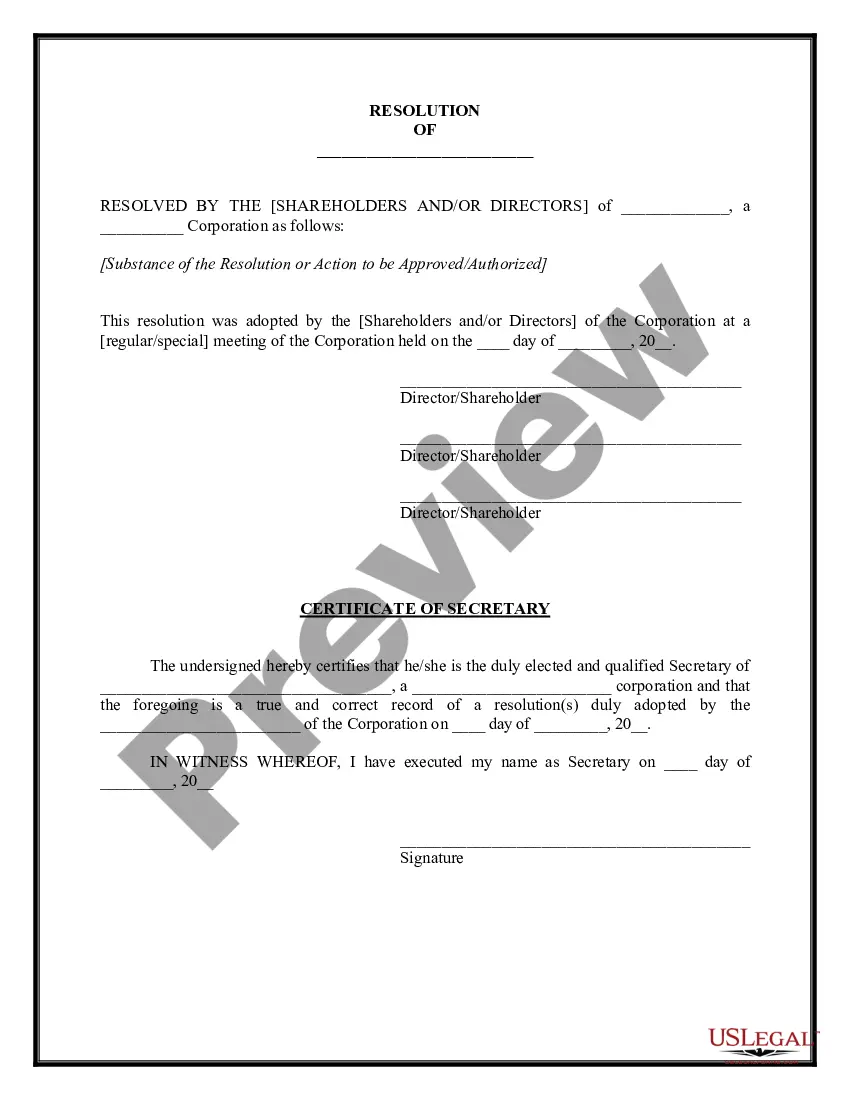
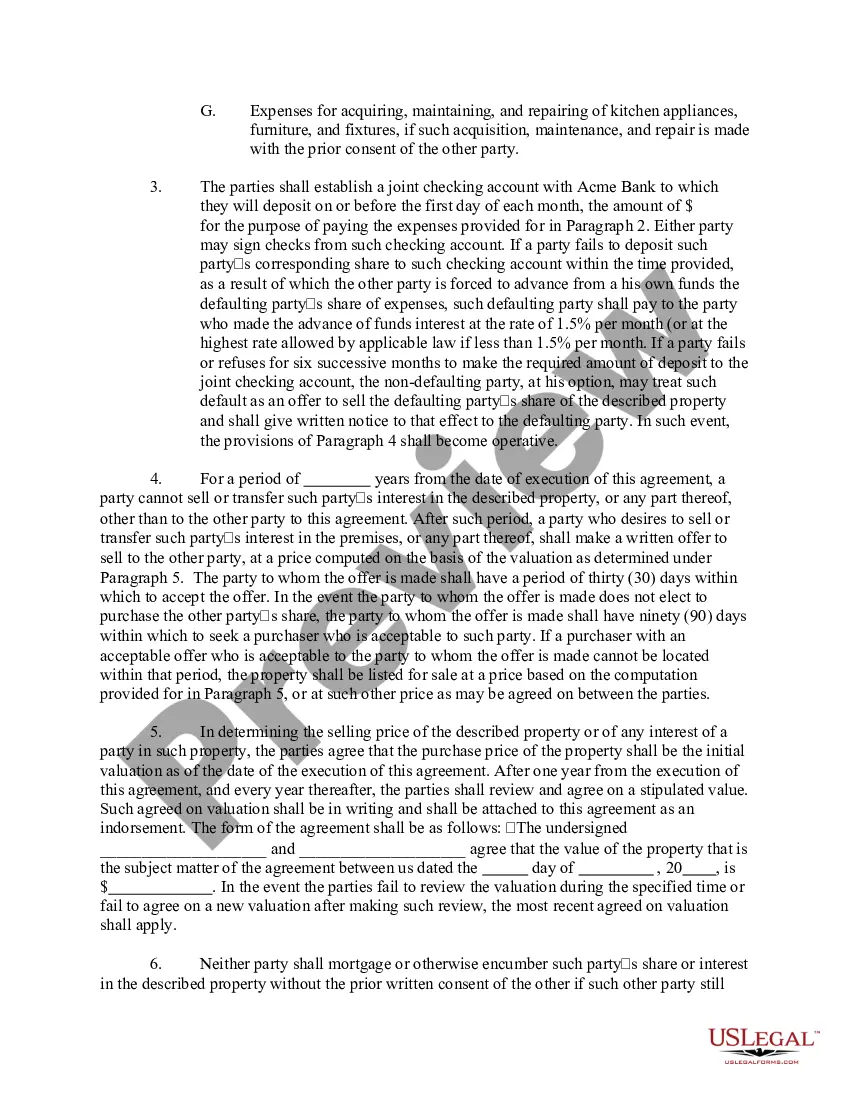
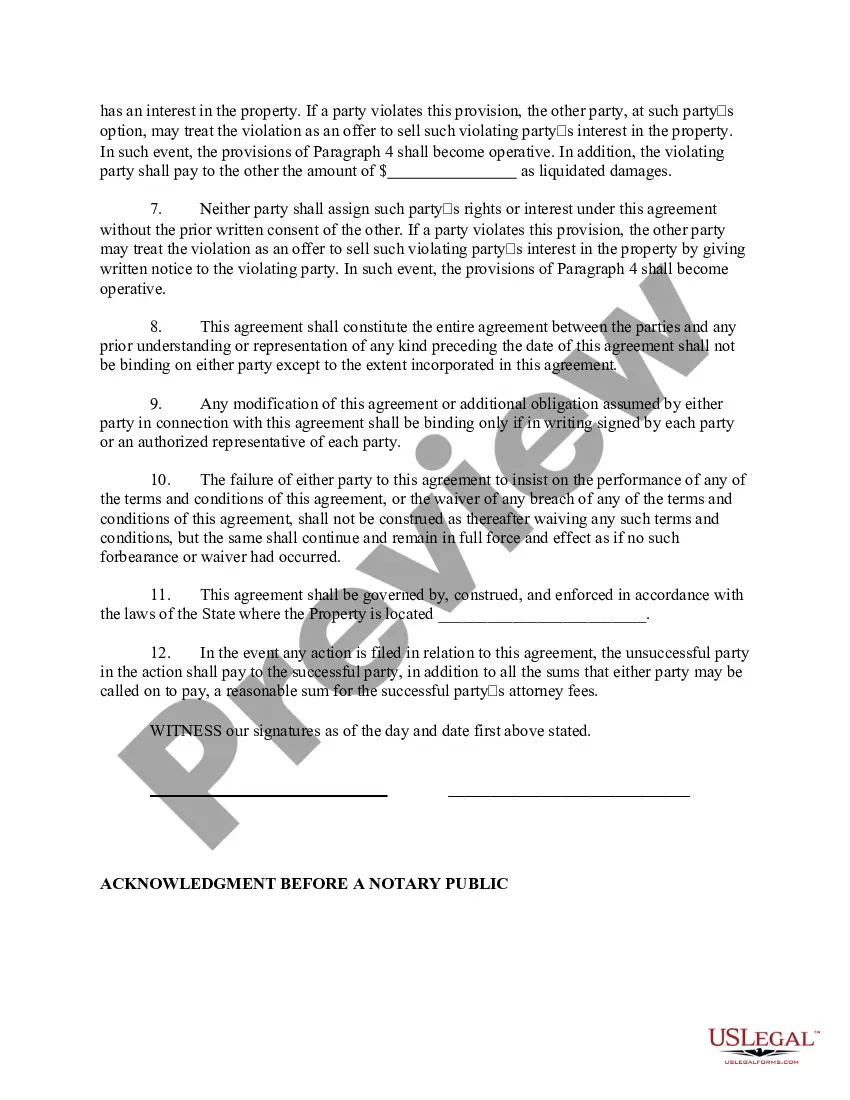
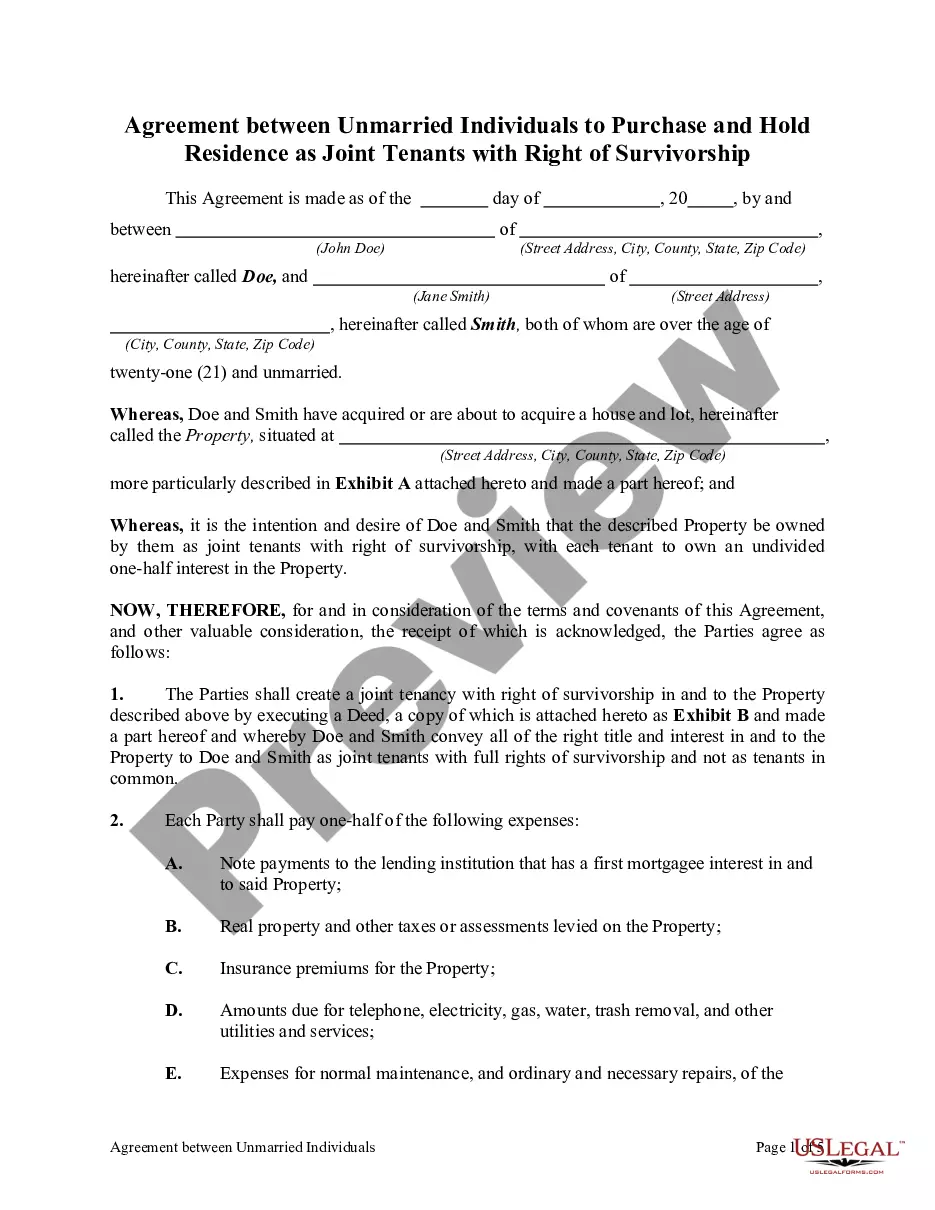
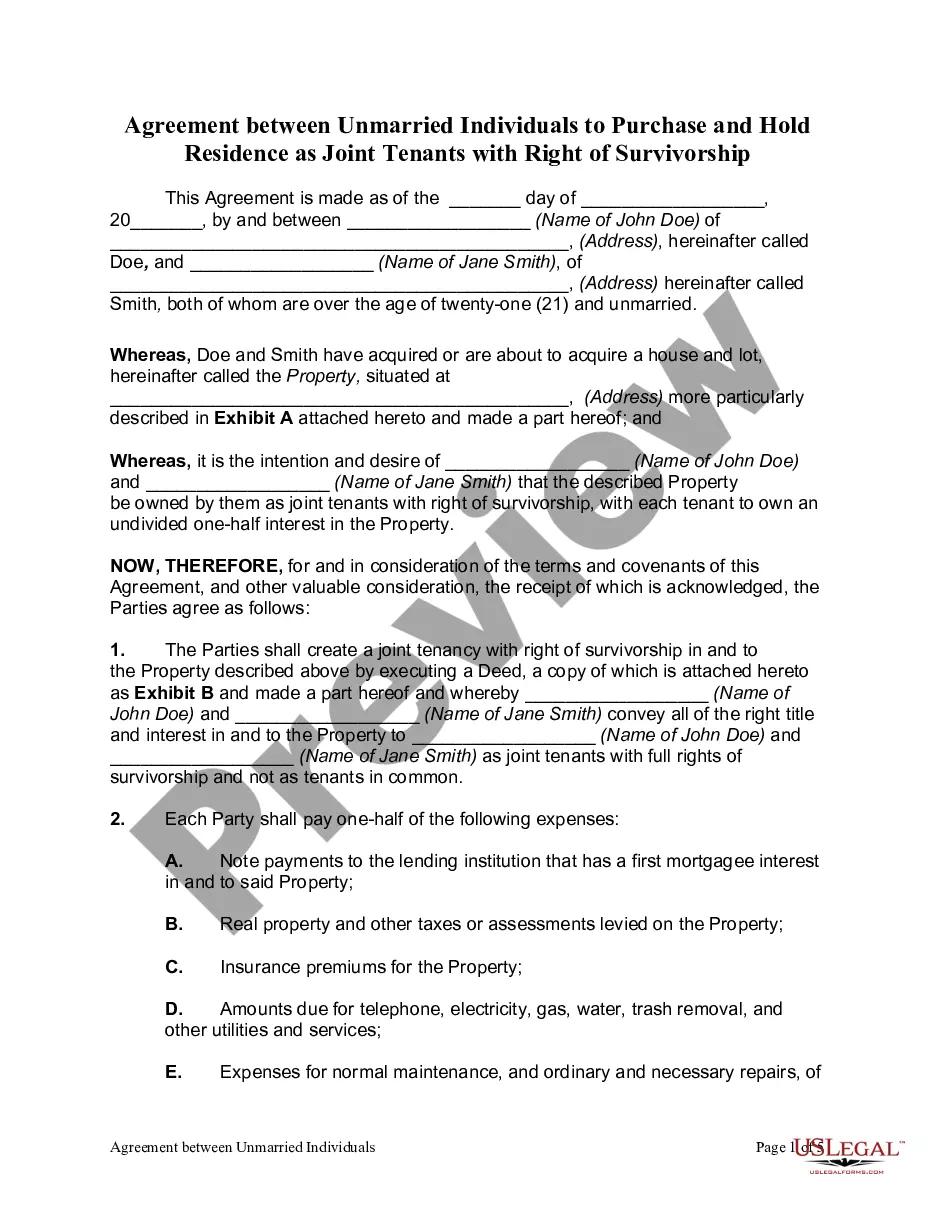
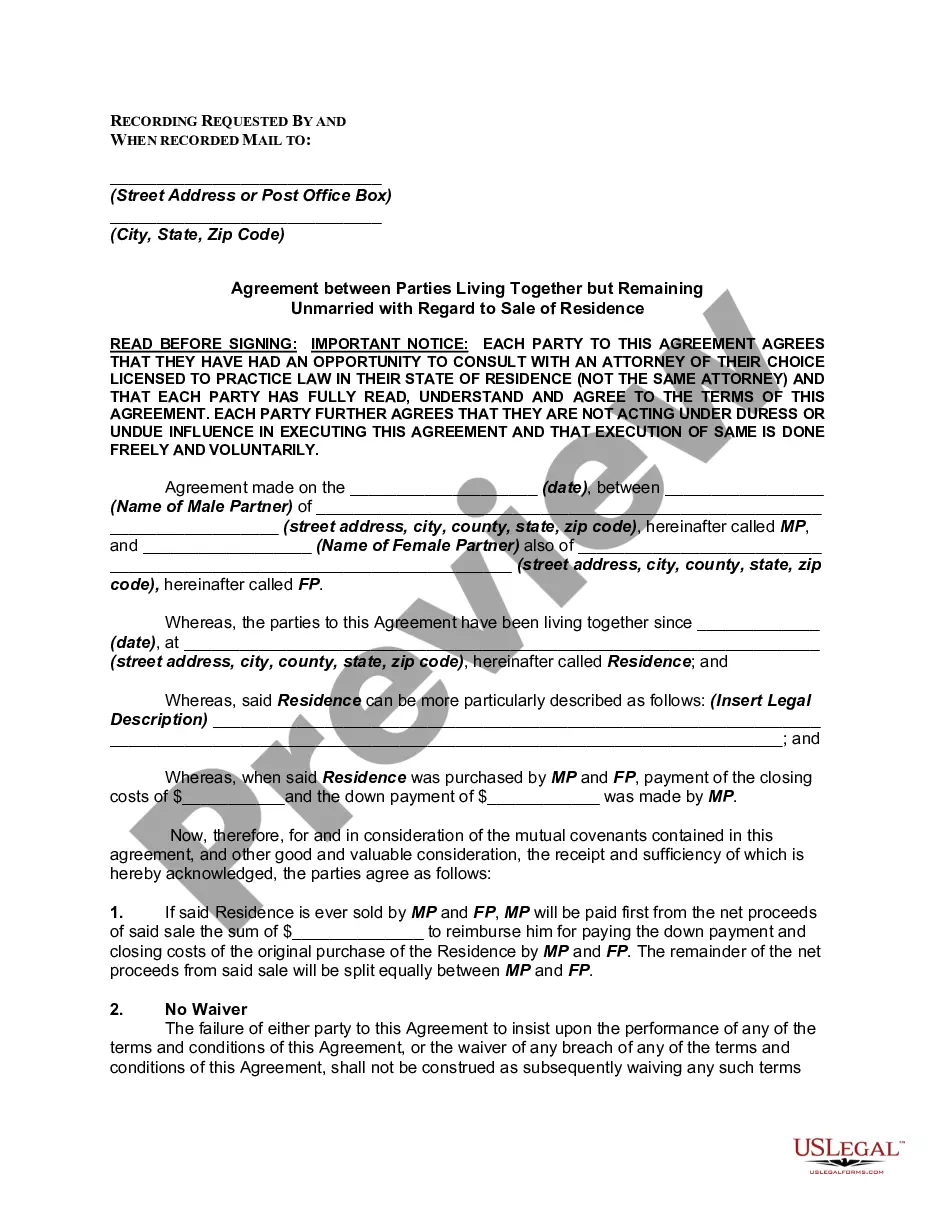
Agreement Unmarried With Spouse In Dallas
Description

Get your form ready online
Our built-in tools help you complete, sign, share, and store your documents in one place.
Make edits, fill in missing information, and update formatting in US Legal Forms—just like you would in MS Word.
Download a copy, print it, send it by email, or mail it via USPS—whatever works best for your next step.
Sign and collect signatures with our SignNow integration. Send to multiple recipients, set reminders, and more. Go Premium to unlock E-Sign.
If this form requires notarization, complete it online through a secure video call—no need to meet a notary in person or wait for an appointment.
We protect your documents and personal data by following strict security and privacy standards.

Make edits, fill in missing information, and update formatting in US Legal Forms—just like you would in MS Word.

Download a copy, print it, send it by email, or mail it via USPS—whatever works best for your next step.

Sign and collect signatures with our SignNow integration. Send to multiple recipients, set reminders, and more. Go Premium to unlock E-Sign.

If this form requires notarization, complete it online through a secure video call—no need to meet a notary in person or wait for an appointment.

We protect your documents and personal data by following strict security and privacy standards.
Looking for another form?


Form popularity
FAQ
Courts generally treat unmarried couples like roommates, meaning each person keeps what they own.
Comments Section All of these seem incredibly easy, thank you :) Generally speaking, to avoid creating a common law marriage in Texas avoid combining any of the following: Don't tell people you are married. Don't live together as husband any wife. Don't agree to be married. Don't live together as husband and wife.
Under Texas Family Code § 1.101, marriage is the only relationship that provides automatic financial and property rights between partners. Unmarried couples have no such protections. A cohabitation agreement can provide some of these protections by specifying: Property rights & division.
In Texas, specific rules govern the concept of common law marriage, including the “common law marriage 6 months rule.” This rule stipulates that couples can be considered legally married if they have lived together and presented themselves as a married couple for at least six months, along with meeting other criteria.
How long do we need to be together? Texas law does not require the couple to be together for a specific period of time before they can declare themselves to be in a common law marriage.
Unlike some states, Texas does not recognize common law marriage. This means that simply living together for a certain amount of time does not automatically entitle unmarried partners to the same legal rights and responsibilities as married couples.
There is no minimum amount of time a couple needs to live together to be considered common law married. For example, a couple could live together for one day and be considered common law married if they agree to be married and hold themselves out as such.
In Texas, specific rules govern the concept of common law marriage, including the “common law marriage 6 months rule.” This rule stipulates that couples can be considered legally married if they have lived together and presented themselves as a married couple for at least six months, along with meeting other criteria.
How long do we need to be together? Texas law does not require the couple to be together for a specific period of time before they can declare themselves to be in a common law marriage. As long as both parties agree to the three elements listed in Section 2.401, they meet the requirements of a common law marriage.
Texas is known as one of the more difficult states to receive maintenance but does have a "10-year rule." This rule only allows a spouse to seek spousal maintenance if the marriage lasted 10 years or longer but does not automatically guarantee that a spouse in a marriage of this duration will receive maintenance.