Joint Tenancy Definition With Right Of Survivorship In Cuyahoga
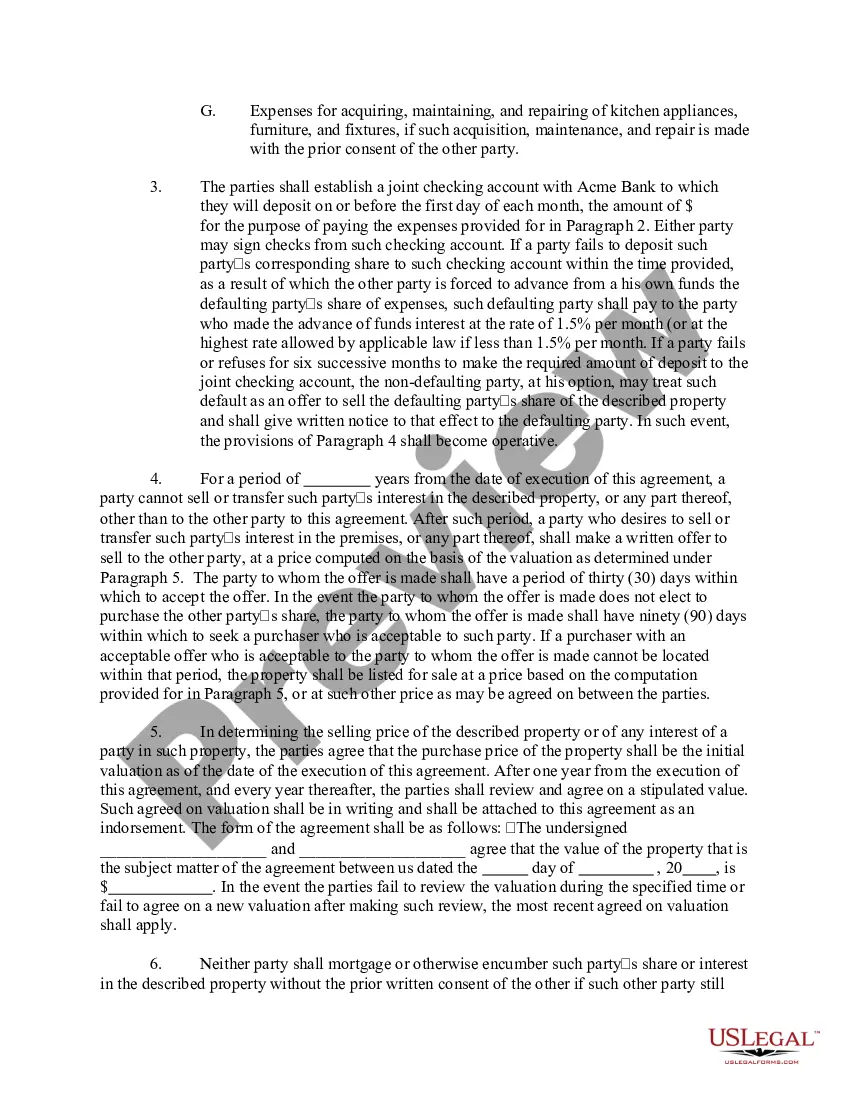
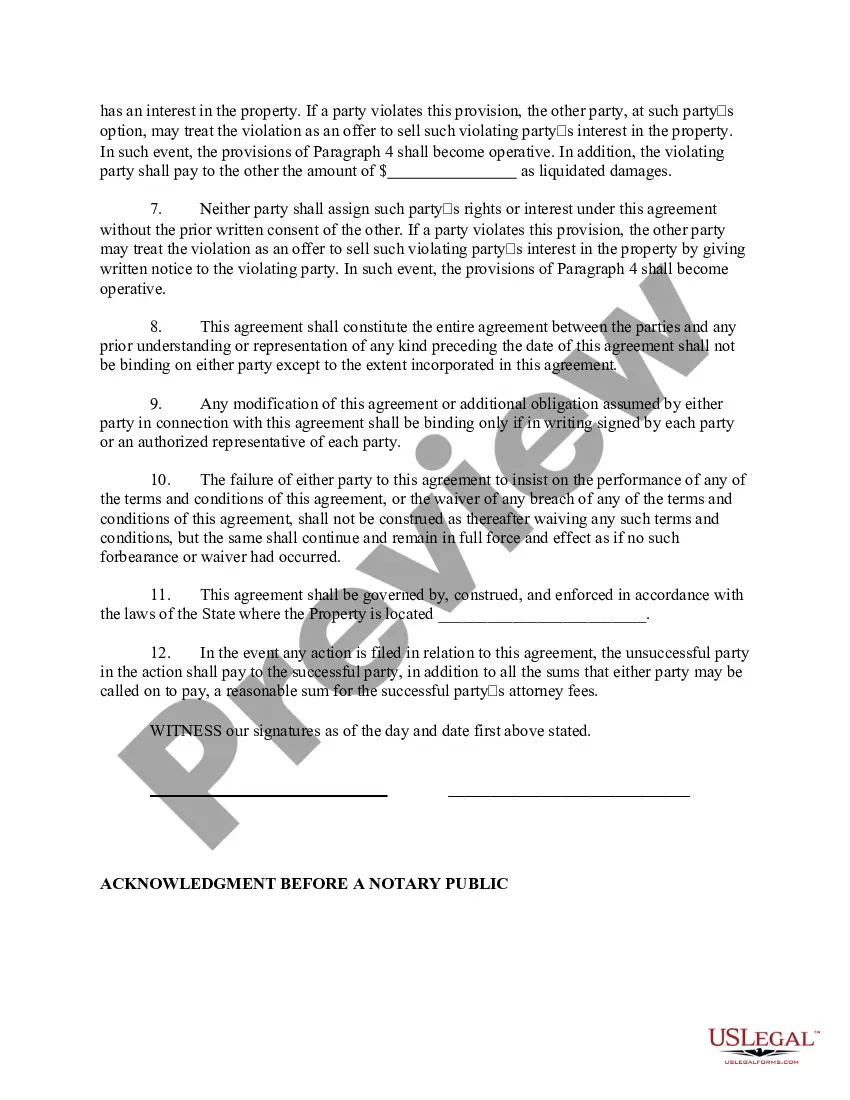
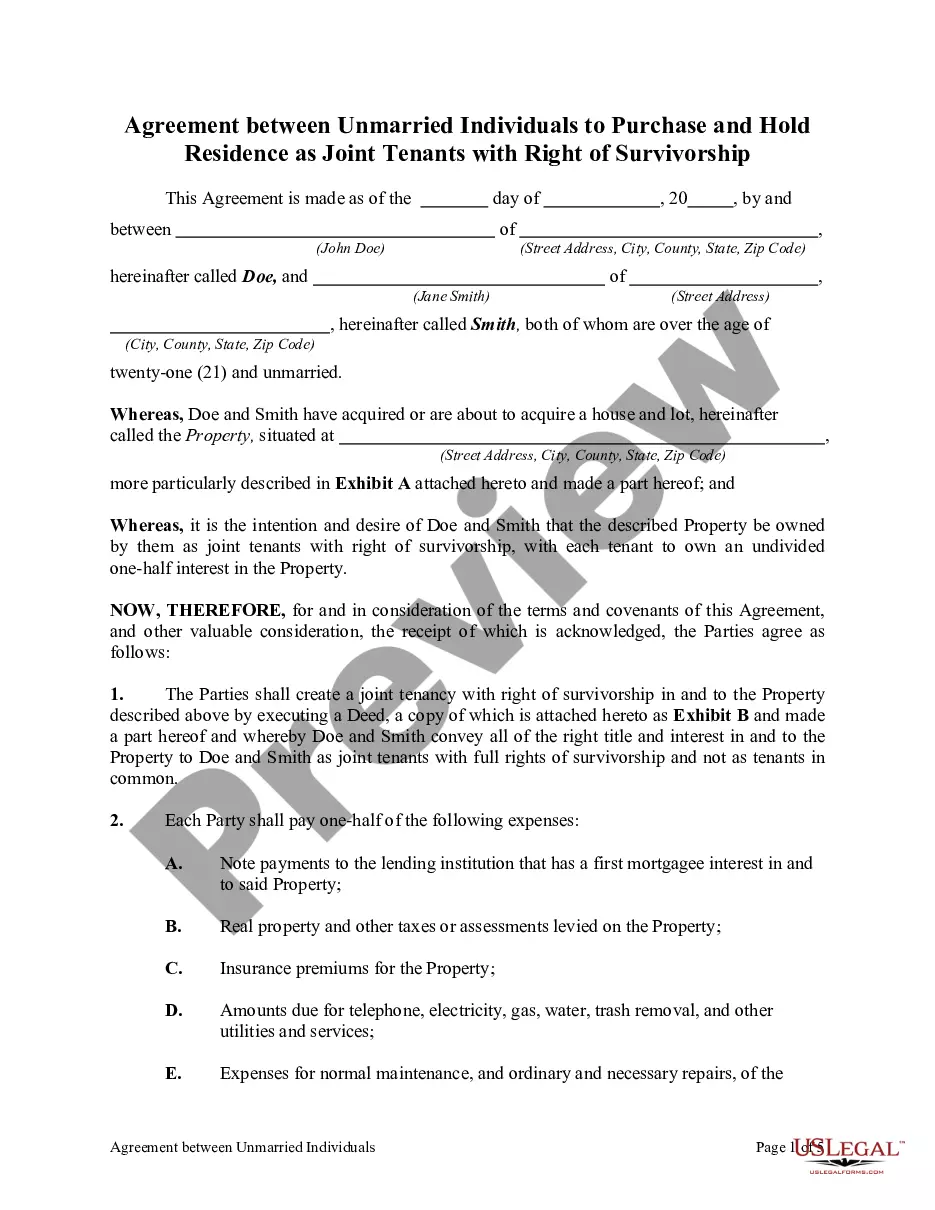
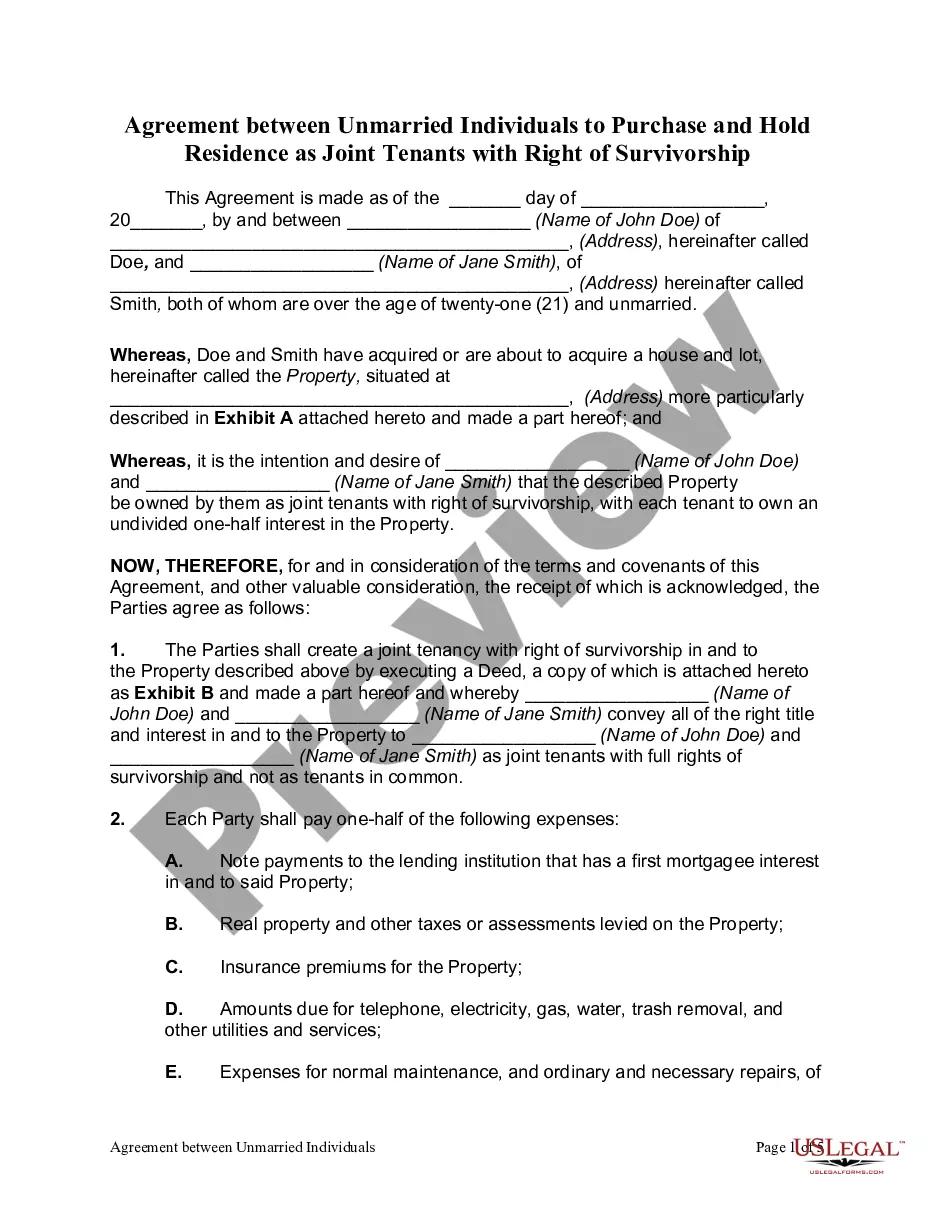
Description

Get your form ready online
Our built-in tools help you complete, sign, share, and store your documents in one place.
Make edits, fill in missing information, and update formatting in US Legal Forms—just like you would in MS Word.
Download a copy, print it, send it by email, or mail it via USPS—whatever works best for your next step.
Sign and collect signatures with our SignNow integration. Send to multiple recipients, set reminders, and more. Go Premium to unlock E-Sign.
If this form requires notarization, complete it online through a secure video call—no need to meet a notary in person or wait for an appointment.
We protect your documents and personal data by following strict security and privacy standards.

Make edits, fill in missing information, and update formatting in US Legal Forms—just like you would in MS Word.

Download a copy, print it, send it by email, or mail it via USPS—whatever works best for your next step.

Sign and collect signatures with our SignNow integration. Send to multiple recipients, set reminders, and more. Go Premium to unlock E-Sign.

If this form requires notarization, complete it online through a secure video call—no need to meet a notary in person or wait for an appointment.

We protect your documents and personal data by following strict security and privacy standards.
Looking for another form?






Form popularity
FAQ
A tenancy by the entirety can no longer be created in Ohio, but it's a valid form of ownership if it was created between February 9, 1972, and April 3, 1985. In Ohio, tenancy by the entirety is allowed for real estate only. (Ohio Rev. Code § 5302.22(A)(4) (2024).)
A survivorship deed is a deed conveying title to real estate into the names of two or more persons as joint tenants with rights of survivorship. Upon the death of one owner, the property passes to and vests in the name of the surviving owner or owners.
The affidavit shall certify that the owner of a survivorship tenancy interest in the title to a parcel or parcels of registered land has died and recite the names of the surviving tenants, the current residence address of each surviving tenant, the date of death of the decedent, a description of the land, and the ...
Joint tenancy is most common among married couples because it helps property owners avoid probate. Without joint tenancy, a spouse would have to wait for their partner's Last Will to go through a legal review process—which can take months or even years.
Real Estate can be titled in survivorship to avoid Probate; bank accounts can be joint accounts or POD/TOD, which stands for Payable on death or Transfer on death; vehicles can have survivorship beneficiaries or a TOD designation.
Joint tenancy is a form of property ownership that is important for several reasons, primarily due to its unique characteristics and advantages. There are several different types of joint tenancy.
Joint Tenancy with Right of Survivorship (JTWROS)
(1) “TEN COM” means tenants in common. (2) “TEN ENT” means tenants by the entireties. (3) “JT TEN” or “JT” means joint tenants with the right of survivorship and not as tenants in common.
Joint tenants (JT), or joint tenants with rights of survivorship (JTWROS), are the forms of ownership most commonly used by married couples. In general this means that both parties own 100% of the property and there is no divided interest as there is with TIC.
Instructions for filling out deeds Read the entire form carefully. Enter all the names of the current owners of the property as the grantors on the deed. Enter all the names of the persons you want to be owners of the property as the grantees. Attach the legal description of the property from the prior deed.
