Joint Tenancy Definition In Real Estate In Cook
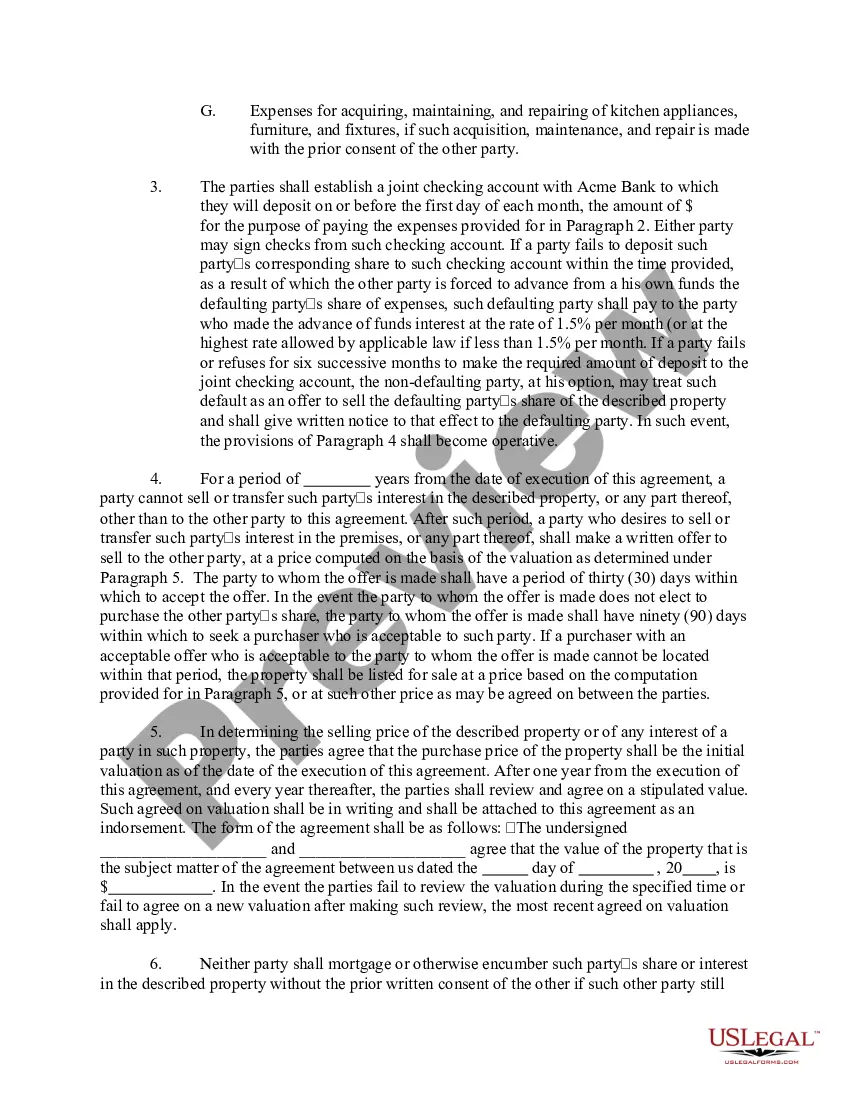
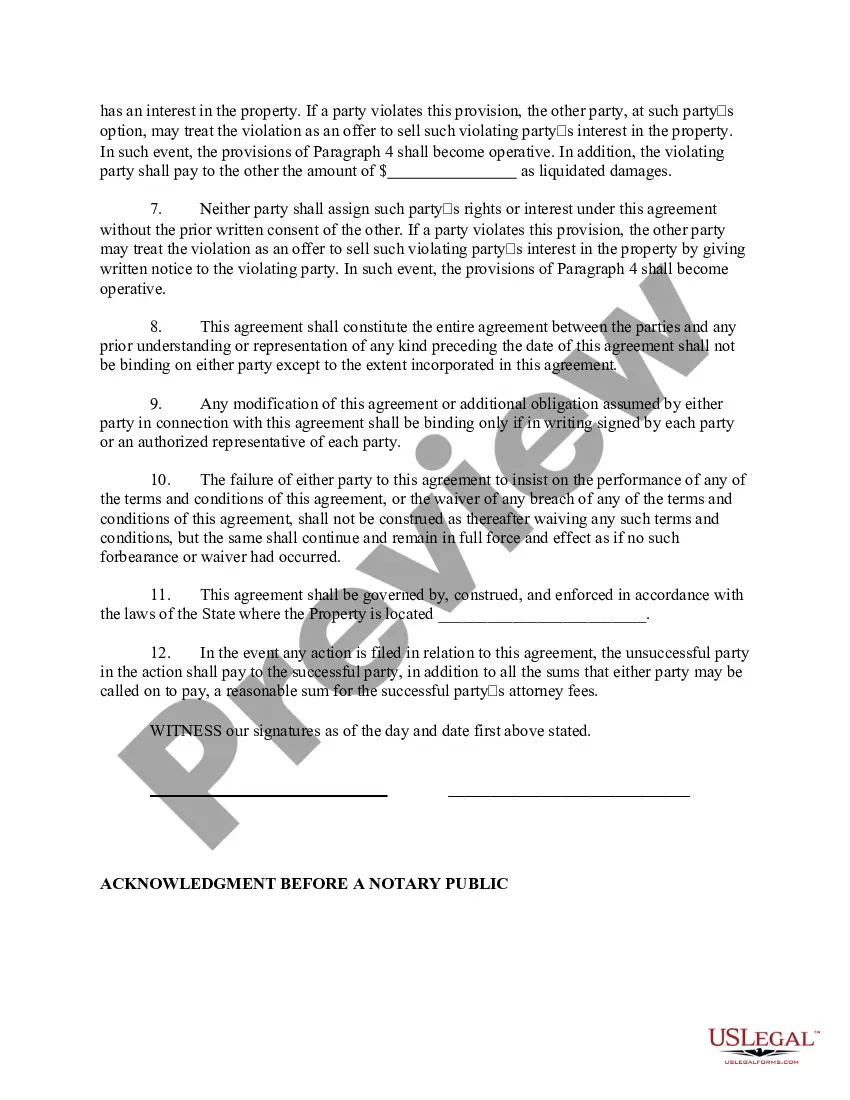
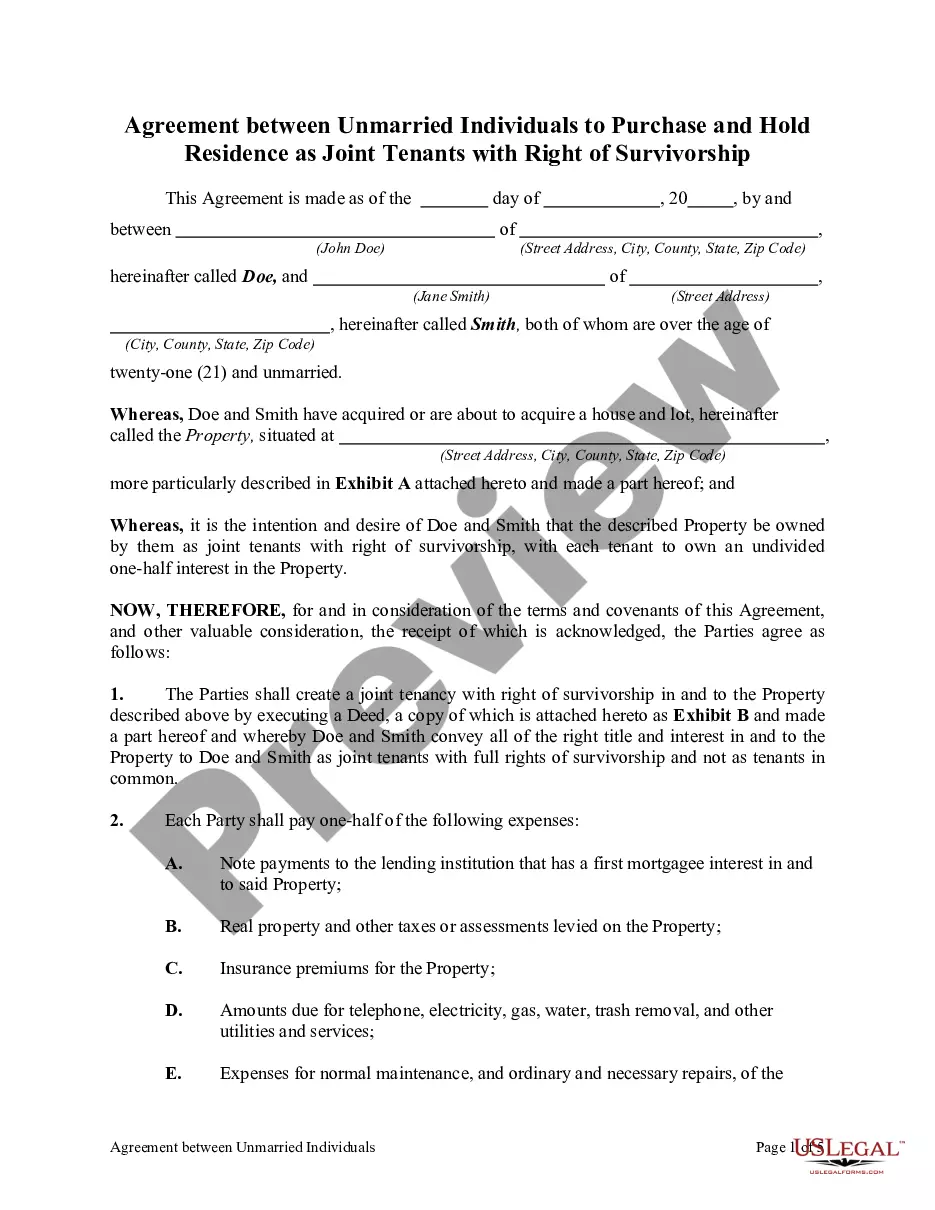
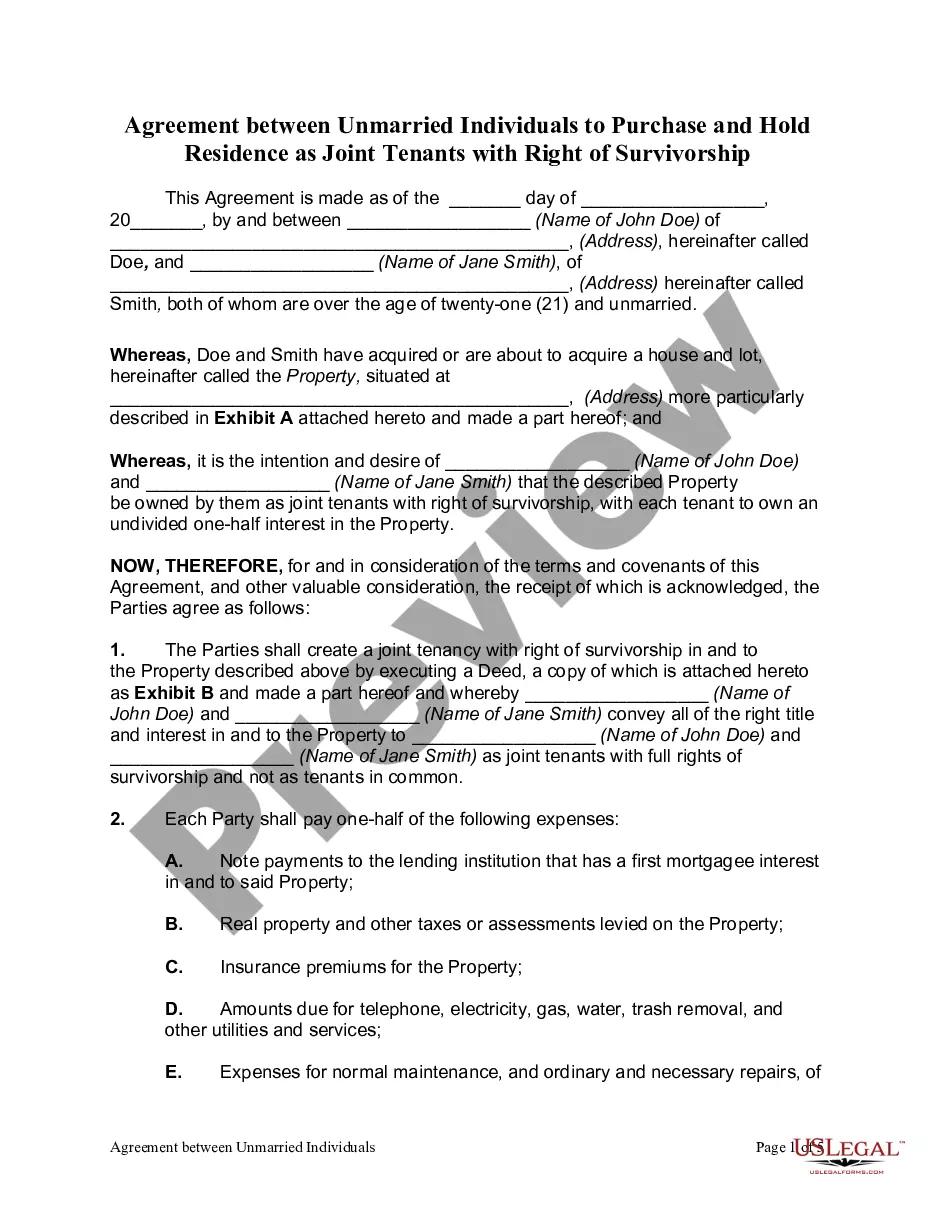
Description

Form popularity
FAQ
Joint Tenants in Illinois In particular, joint tenancies with right of survivorship involve all parties having equal ownership and the right to assume another owner's interest in the event the other owner dies.
Joint tenancy is most common among married couples because it helps property owners avoid probate. Without joint tenancy, a spouse would have to wait for their partner's Last Will to go through a legal review process—which can take months or even years.
Historically, the common law required that in order for a joint tenancy to be created, the co-owners must share the “four unities” of (1) time – the property interest must be acquired by both tenants at the same time; (2) title - both tenants must have the same title to the property in the deed; (3) interest - both ...
Joint tenancy is a type of joint ownership of property in the field of property law , where each owner has an undivided interest in the property. This type of ownership creates a right of survivorship , which means that when one owner dies, the other owners absorb the deceased owner's interest .
Joint tenancy should be used with extreme caution. It can subject a co- owner to unnecessary taxes and liabili- ty for the other co-owner's debts. It can also deprive heirs of bequeathed prop- erty and, in California, leave the joint tenant without right of survivorship.
The difference between a joint tenancy and tenancy in common is significant. Under a joint tenancy with rights to survivorship, upon the death of the first owner, it automatically passes to the surviving owner. In a tenancy in common situation, you each own 50% of the property.
Joint tenancy is a type of joint ownership of property in the field of property law , where each owner has an undivided interest in the property. This type of ownership creates a right of survivorship , which means that when one owner dies, the other owners absorb the deceased owner's interest .
For example, if you bought your home with a sibling under a JTWROS arrangement and your sibling dies, they can't bequeath in their will their ownership interest to their children. Instead, that interest automatically passes to you.
