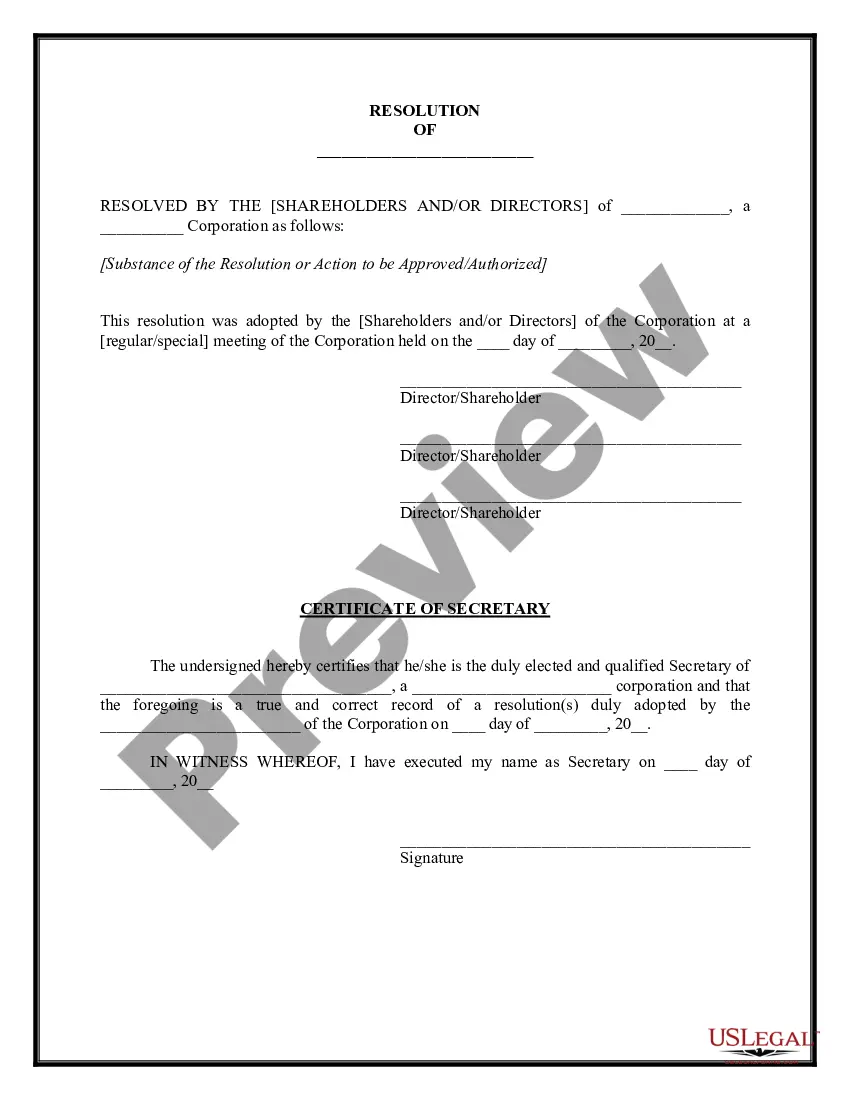
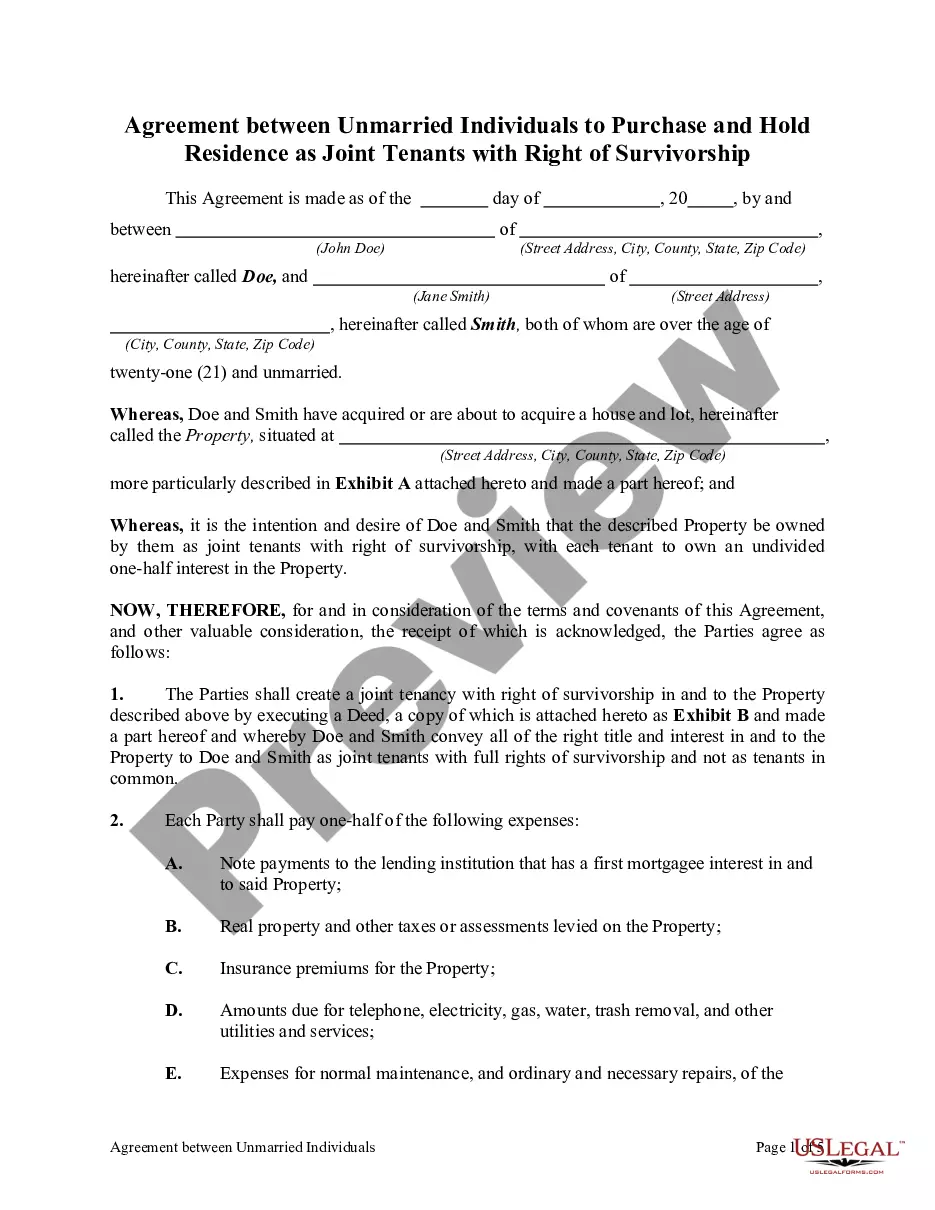
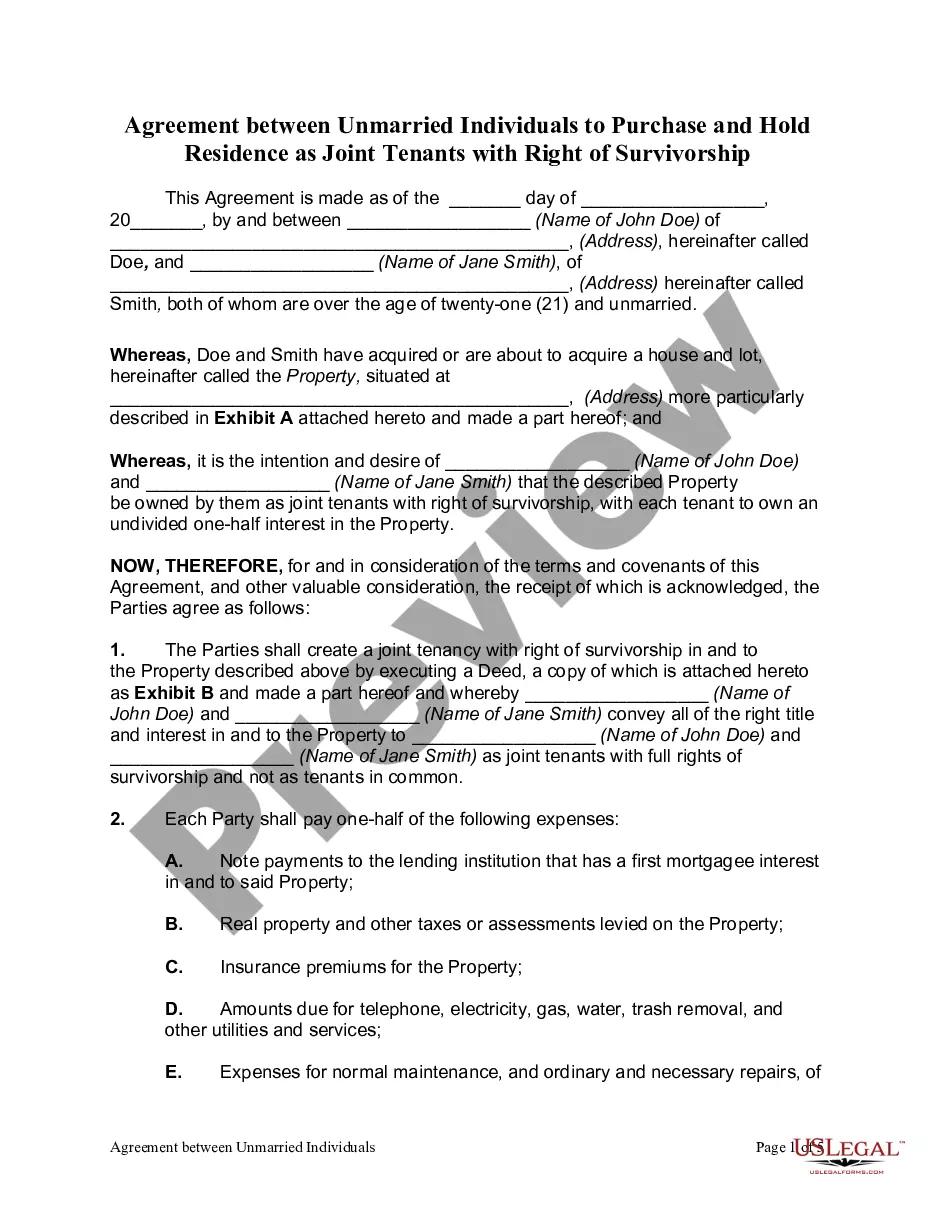
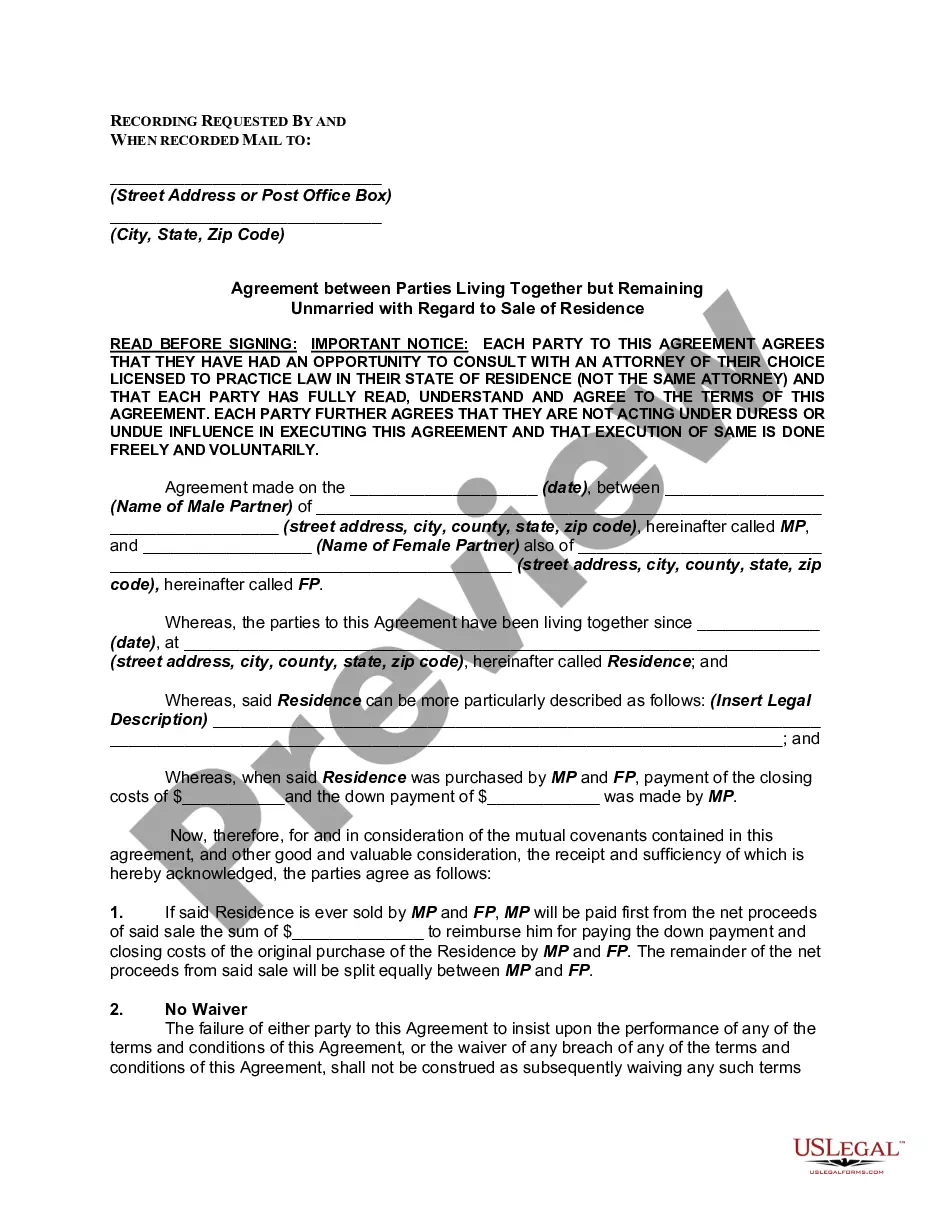
Agreement Unmarried With Child In Clark
Description

Get your form ready online
Our built-in tools help you complete, sign, share, and store your documents in one place.
Make edits, fill in missing information, and update formatting in US Legal Forms—just like you would in MS Word.
Download a copy, print it, send it by email, or mail it via USPS—whatever works best for your next step.
Sign and collect signatures with our SignNow integration. Send to multiple recipients, set reminders, and more. Go Premium to unlock E-Sign.
If this form requires notarization, complete it online through a secure video call—no need to meet a notary in person or wait for an appointment.
We protect your documents and personal data by following strict security and privacy standards.

Make edits, fill in missing information, and update formatting in US Legal Forms—just like you would in MS Word.

Download a copy, print it, send it by email, or mail it via USPS—whatever works best for your next step.

Sign and collect signatures with our SignNow integration. Send to multiple recipients, set reminders, and more. Go Premium to unlock E-Sign.

If this form requires notarization, complete it online through a secure video call—no need to meet a notary in person or wait for an appointment.

We protect your documents and personal data by following strict security and privacy standards.
Looking for another form?








Form popularity
FAQ
In California, when a child is born to an unmarried mother, she is automatically granted full custody. She has both legal and physical custody of the child, meaning she's responsible for making all decisions about the child's care and can determine when and if the child can see the father.
Typically, judges will award both parents joint (or shared) legal custody, which means that they will have to agree about those decisions. Physical custody refers to where the child lives. Typically, one parent has primary physical custody, while the other parent has regular visitation.
When a child is born to an unmarried mother, the mother automatically gains custody. In many cases, the unmarried mother does not need to take any formal legal action in order to establish her custodial rights.
An illegitimate child refers to a child who is born to unmarried parents and does not have a legal relationship with either parent. The concept of illegitimacy has evolved over time, with many countries now providing equal social protection and rights to both legitimate and illegitimate children.
Typically, judges will award both parents joint (or shared) legal custody, which means that they will have to agree about those decisions. Physical custody refers to where the child lives. Typically, one parent has primary physical custody, while the other parent has regular visitation.
An unmarried mother has sole custody of her child when the father refuses to acknowledge paternity; as a mere presumed biological parent, he has no rights. When a man acknowledges paternity, he gains legal parental rights, including a right to custody. Marital status is irrelevant to custody.
Generally speaking, in the United States, "illegitimate" has been supplanted by the phrase "born out of wedlock."
Typically, a parent can gain “sole legal custody” only in cases where the other parent is proven to be an “unfit parent,” an immediate threat to the health or safety of a child, or completely unavailable or unwilling to care for the child.
Custody Rights of Unmarried Parents Rights of the Mother: Generally, the mother has automatic legal and physical custody until a court order states otherwise. Rights of the Father: The father must establish paternity to gain custody rights. This can be done through a voluntary acknowledgment or a court order.
If a court has not made a determination regarding the custody of a child, each parent has joint legal custody and joint physical custody of the child until otherwise ordered by a court of competent jurisdiction. NRS 125C.