Joint Ownership Agreement Format In Chicago
Description

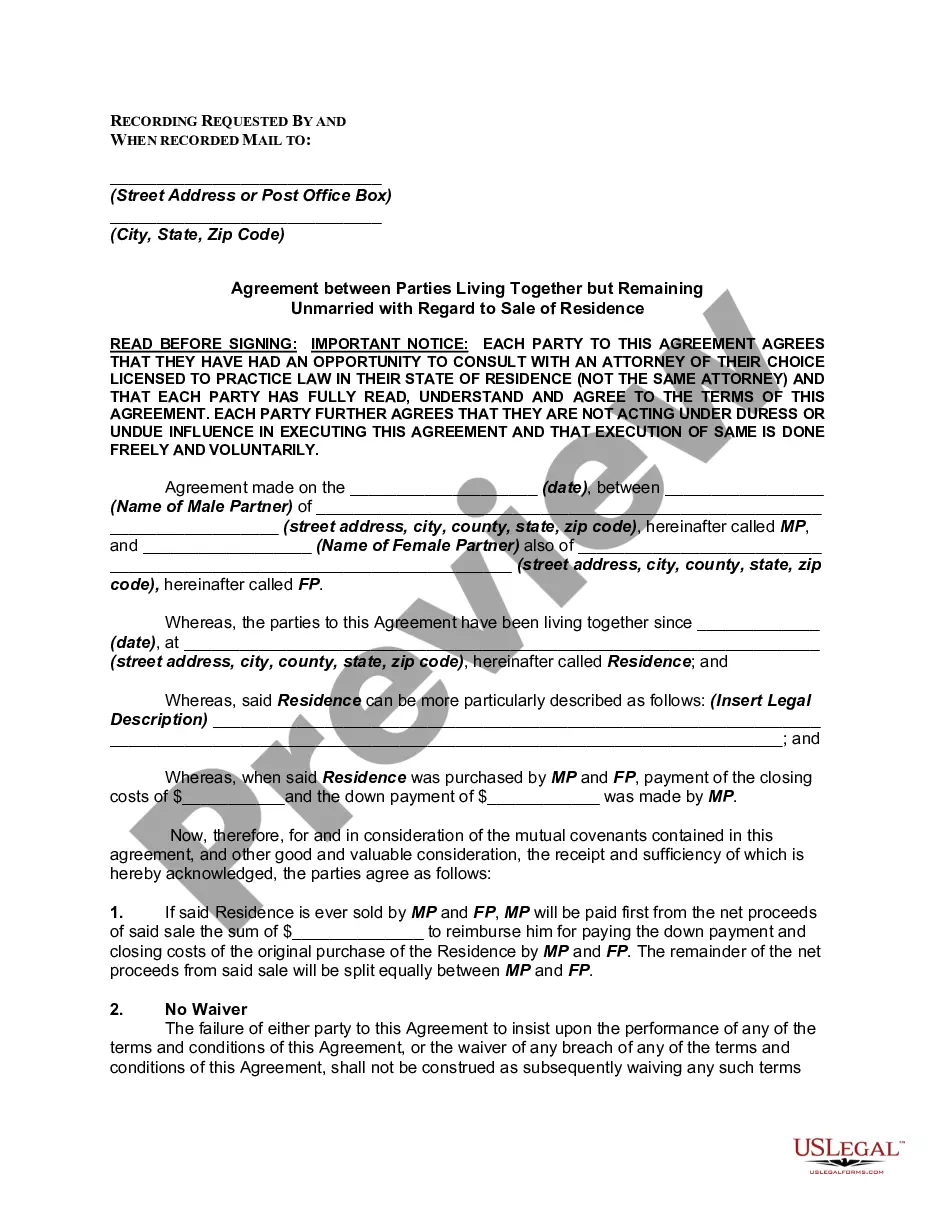
Get your form ready online
Our built-in tools help you complete, sign, share, and store your documents in one place.
Make edits, fill in missing information, and update formatting in US Legal Forms—just like you would in MS Word.
Download a copy, print it, send it by email, or mail it via USPS—whatever works best for your next step.
Sign and collect signatures with our SignNow integration. Send to multiple recipients, set reminders, and more. Go Premium to unlock E-Sign.
If this form requires notarization, complete it online through a secure video call—no need to meet a notary in person or wait for an appointment.
We protect your documents and personal data by following strict security and privacy standards.

Make edits, fill in missing information, and update formatting in US Legal Forms—just like you would in MS Word.

Download a copy, print it, send it by email, or mail it via USPS—whatever works best for your next step.

Sign and collect signatures with our SignNow integration. Send to multiple recipients, set reminders, and more. Go Premium to unlock E-Sign.

If this form requires notarization, complete it online through a secure video call—no need to meet a notary in person or wait for an appointment.

We protect your documents and personal data by following strict security and privacy standards.
Looking for another form?

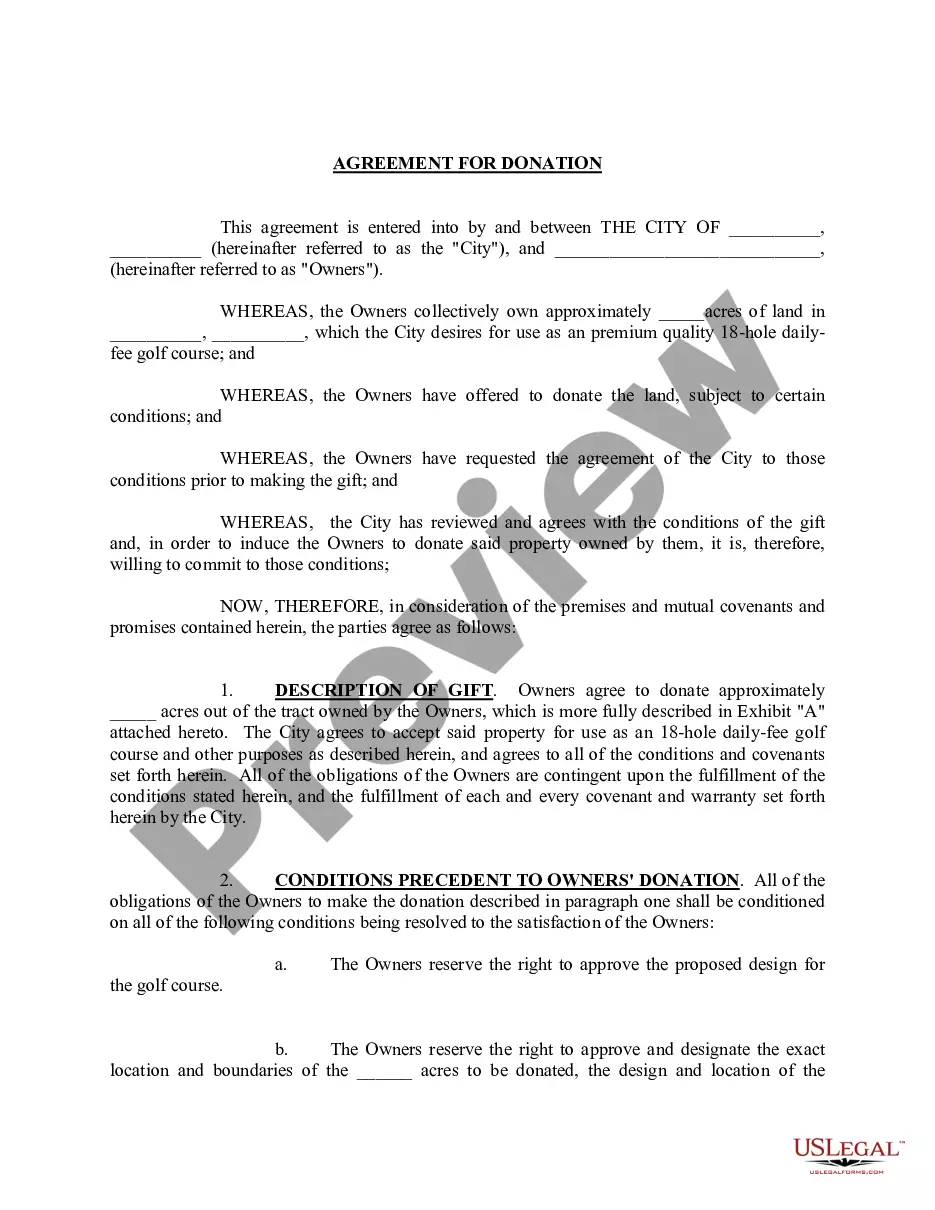
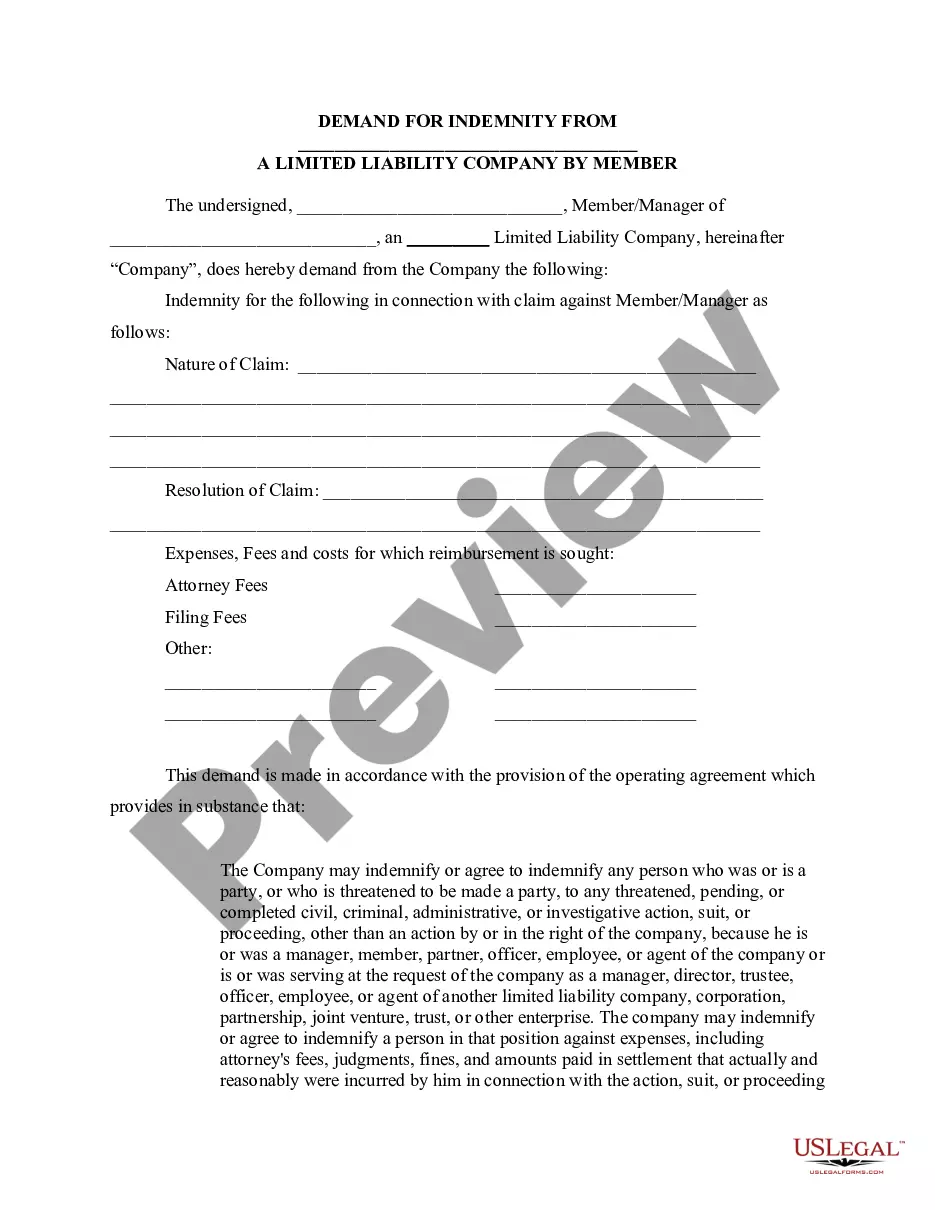



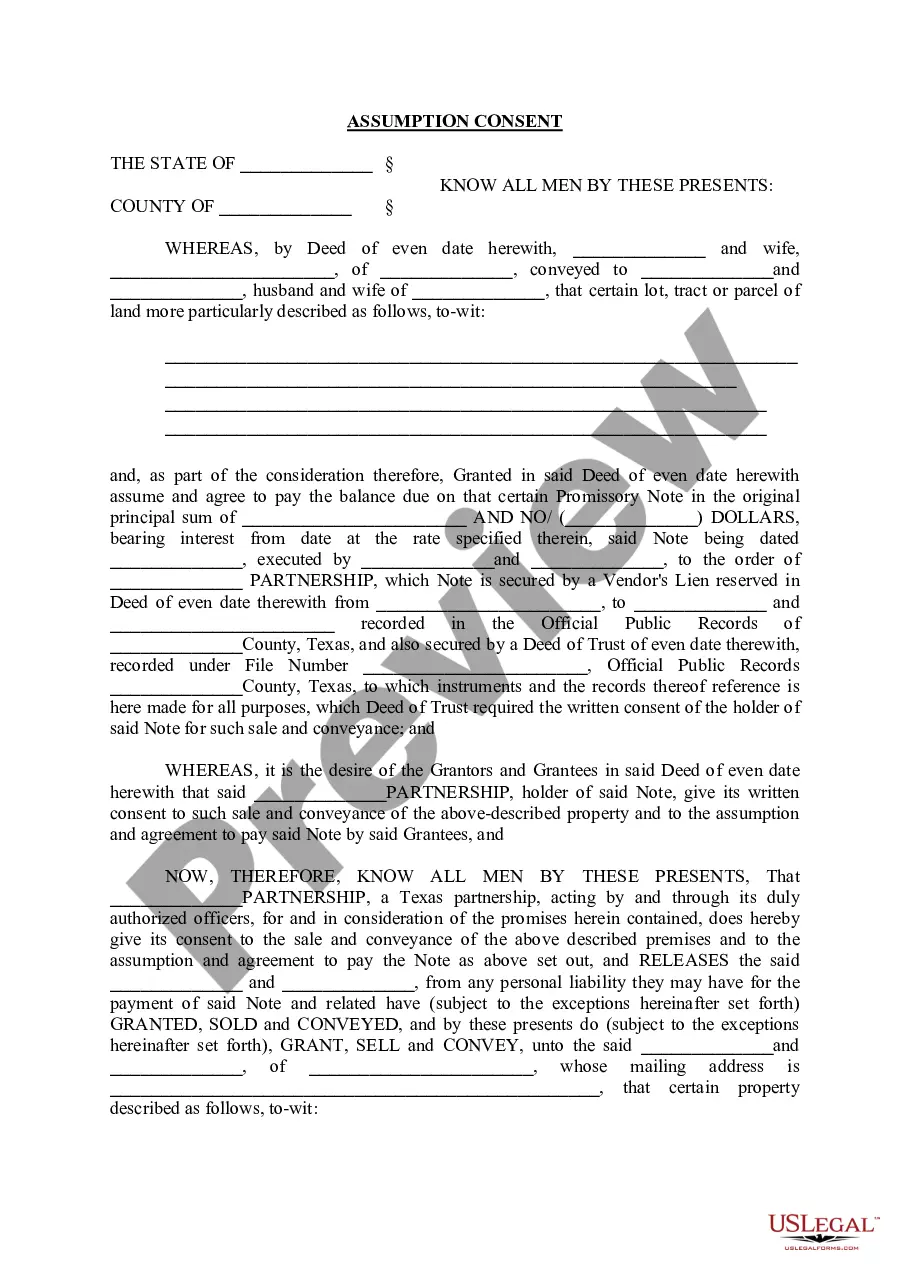


Form popularity
FAQ
Choosing the Right Type of Co-Ownership While joint tenancy and tenancy in common are widely recognised as the most common types of co-ownership, the increasing popularity of fractional ownership, made possible at August, shows that there is a growing diversity in how people approach property ownership.
Co-ownership empowers people to own property and build equity while lowering the financial and logistical burdens of buying and owning a whole home. Joint ownership and TIC are options for people who are not married to each other. Owners have unique rights to the property depending on co-ownership type.
The primary pitfalls are the need for agreement, the potential for assets to be frozen, and loss of control over the distribution of assets after death. Tenancy in common is an alternative to joint tenancy that avoids some of its drawbacks.
A comprehensive property co-ownership agreement template should include the following sections: Introduction. - Names of co-owners: Clearly list all parties involved in the co-ownership. Ownership shares. Financial obligations. Property management. Dispute resolution. Transfer of ownership. Miscellaneous provisions.
Joint tenancy should be used with extreme caution. It can subject a co- owner to unnecessary taxes and liabili- ty for the other co-owner's debts. It can also deprive heirs of bequeathed prop- erty and, in California, leave the joint tenant without right of survivorship.
The flexibility offered by co-ownership of properties can cater to various needs and preferences. Joint property ownership typically requires all owners to have similar needs and wants, limiting customisation.
Choosing the best form of ownership for joint property can simplify things if one of the owners passes away. Joint tenancy is commonly used to avoid probate, which can be a lengthy, costly, and public process of distributing a deceased person's assets in court.
Disadvantages. Limited Control: Joint Ownership: Joint owners each have equal control over the property. This may lead to conflicts or decisions that are not aligned with the original owner's intentions.
Jointly-held assets are open to claims by the creditors of any joint owner should they run into difficulty, whether it's financial trouble, divorce proceedings, or legal action.
