Joint Tenants With Rights Of Survivorship Nc In Bexar
Description

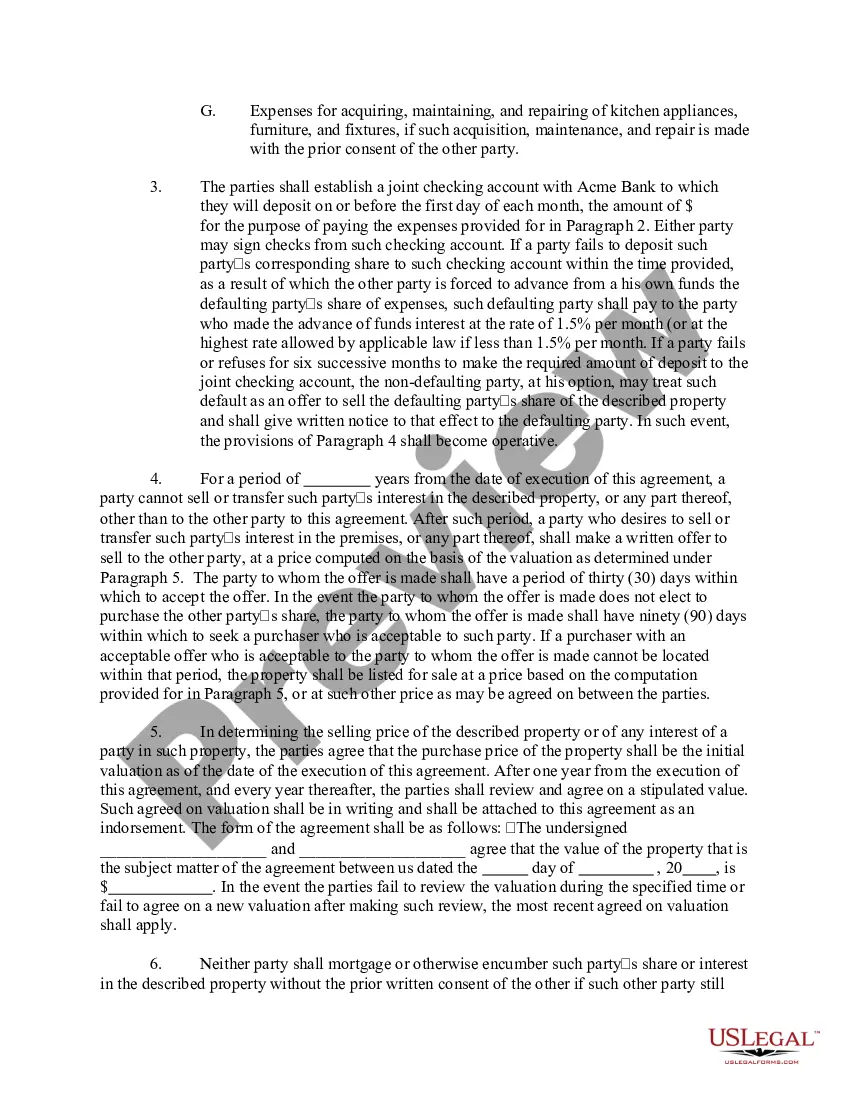
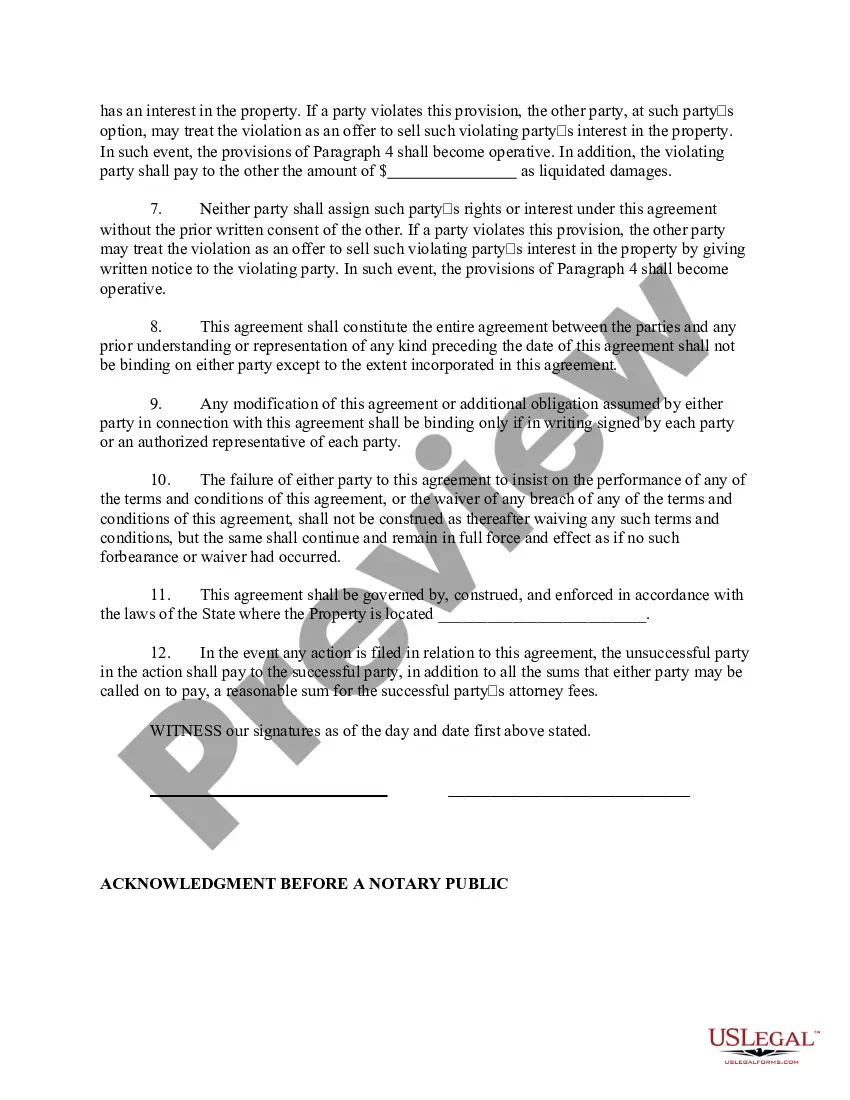
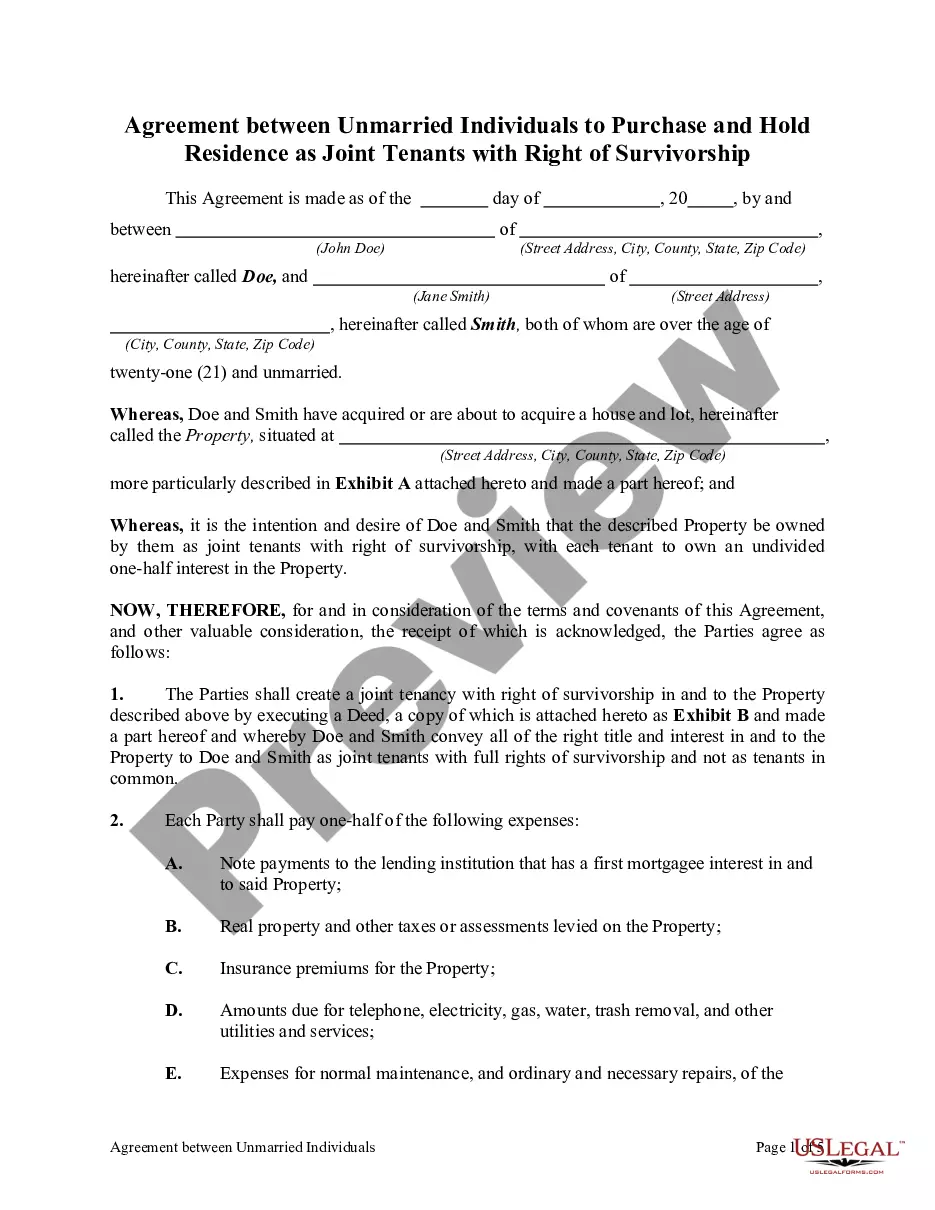
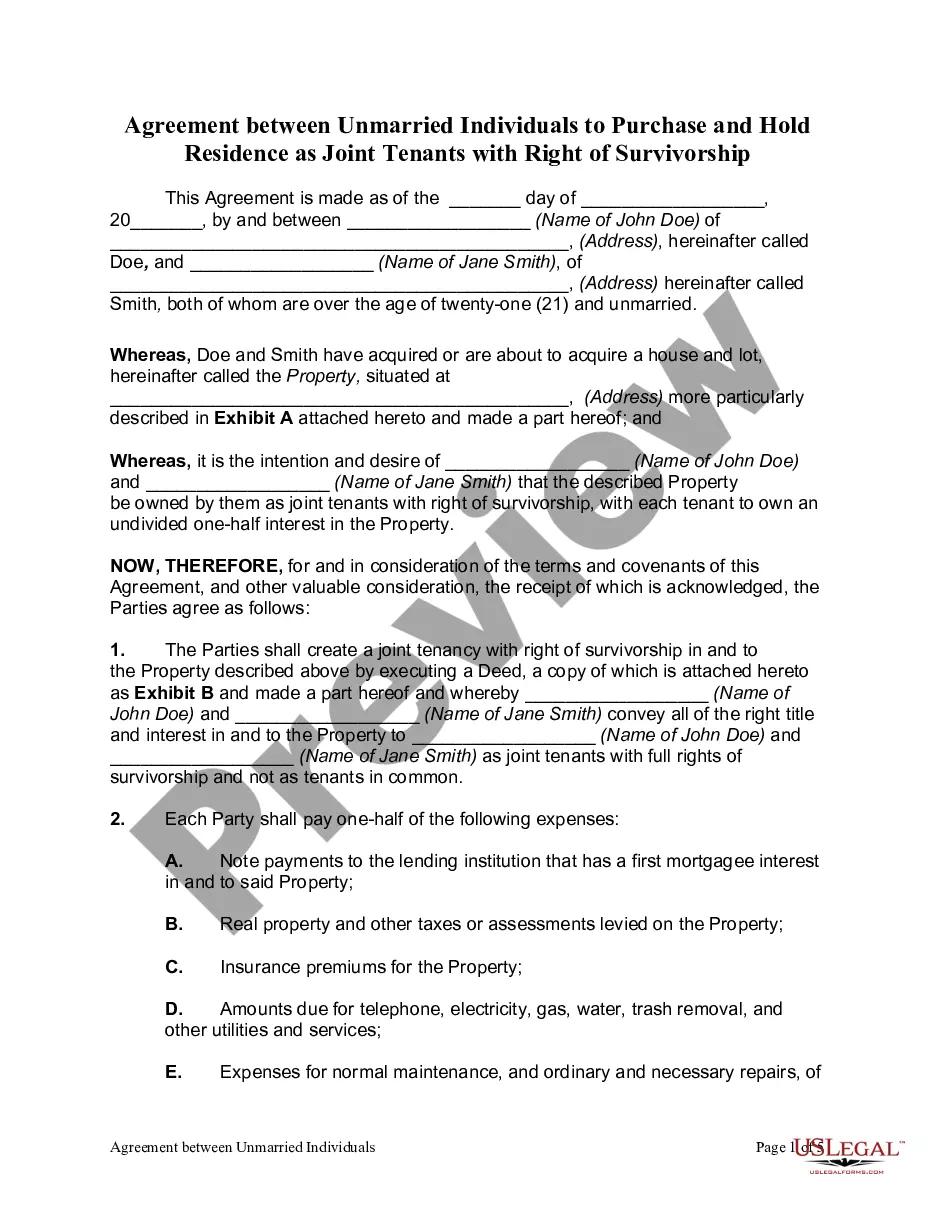
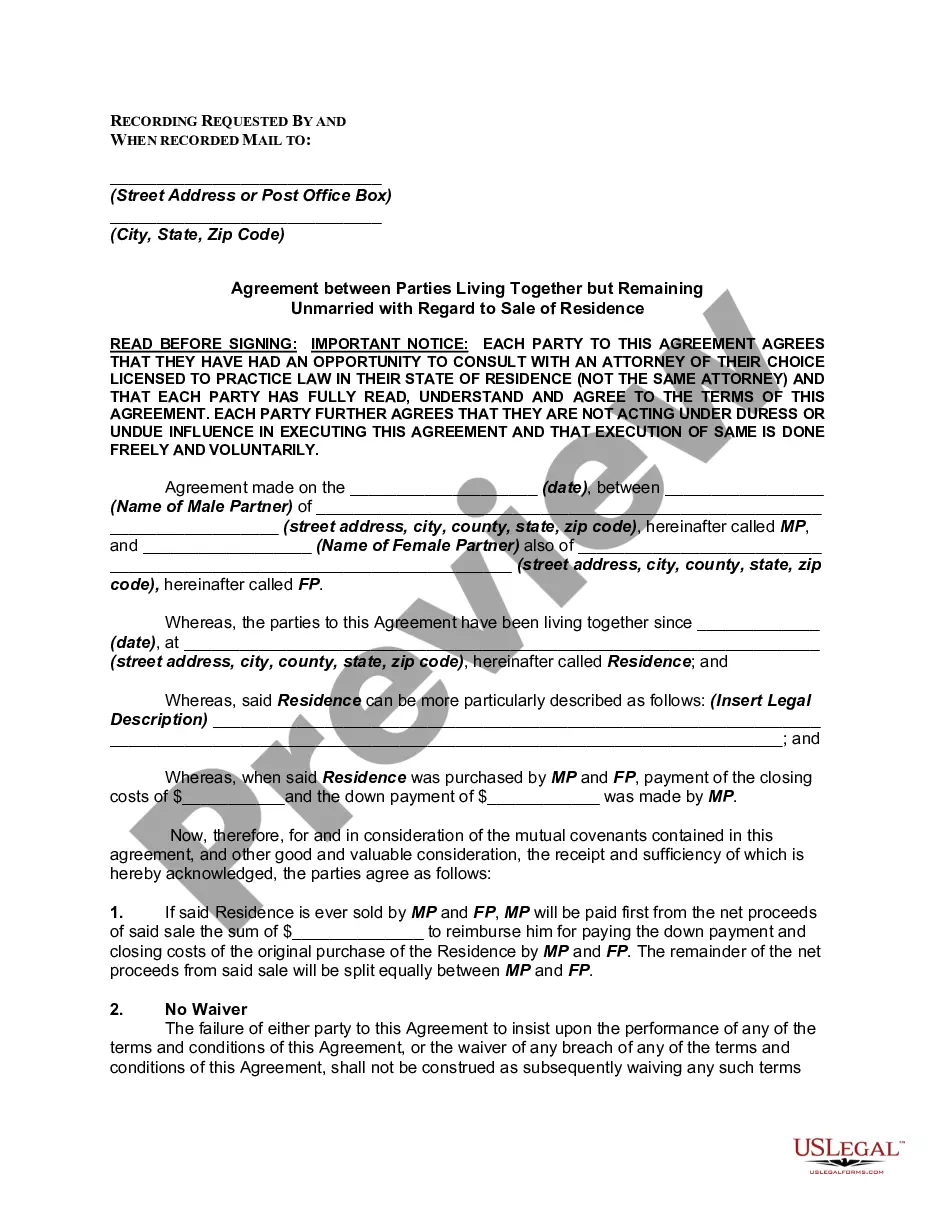
Get your form ready online
Our built-in tools help you complete, sign, share, and store your documents in one place.
Make edits, fill in missing information, and update formatting in US Legal Forms—just like you would in MS Word.
Download a copy, print it, send it by email, or mail it via USPS—whatever works best for your next step.
Sign and collect signatures with our SignNow integration. Send to multiple recipients, set reminders, and more. Go Premium to unlock E-Sign.
If this form requires notarization, complete it online through a secure video call—no need to meet a notary in person or wait for an appointment.
We protect your documents and personal data by following strict security and privacy standards.

Make edits, fill in missing information, and update formatting in US Legal Forms—just like you would in MS Word.

Download a copy, print it, send it by email, or mail it via USPS—whatever works best for your next step.

Sign and collect signatures with our SignNow integration. Send to multiple recipients, set reminders, and more. Go Premium to unlock E-Sign.

If this form requires notarization, complete it online through a secure video call—no need to meet a notary in person or wait for an appointment.

We protect your documents and personal data by following strict security and privacy standards.
Looking for another form?










Form popularity
FAQ
Joint tenancy is a relatively common type of property ownership. It has a lot of potential advantages. Indeed, most married couples who own a home in Union County, North Carolina own their property with a joint tenancy with a right of survivorship.
North Carolina recognizes joint tenancy with right of survivorship as a common form of joint ownership for non-spouses.
Joint tenancy property passes to the surviving joint tenant and no one else, no matter what you do. If it is your intent to leave your property to your spouse and then to your children, joint tenancy is not for you.
If the property owner is deceased, he or she can no longer sign the deed. In that case, you need something different such as an Affidavit of Heirship, a probated Will or a court order determining heirship. First the deceased owner's name must be removed from the record ownership of the house (the title).
Real estate acquired during the marriage with joint funds is generally considered community property. If a spouse dies without a will, their share of the community real estate will typically pass to the surviving spouse.
If one owner wants to sell a jointly owned property but the other owner(s) refuse, the party seeking to sell can file a partition action. This legal procedure allows a court to intervene and force the sale of the property, dividing the proceeds among the owners ing to their ownership interests.
Unlike most states Texas does not automatically recognize joint tenancies as having a right of survivorship. Instead the parties must agree, in writing, to include a right of survivorship.
In a joint tenancy, when one owner dies, their share of the property passes to the decedent's heirs or the persons named in the decedent's will. In a joint tenancy with right of survivorship, when an owner dies, their share of the property goes to the other owners.
