What Is Acceptable Noise From Neighbours
Description

Get your form ready online
Our built-in tools help you complete, sign, share, and store your documents in one place.
Make edits, fill in missing information, and update formatting in US Legal Forms—just like you would in MS Word.
Download a copy, print it, send it by email, or mail it via USPS—whatever works best for your next step.
Sign and collect signatures with our SignNow integration. Send to multiple recipients, set reminders, and more. Go Premium to unlock E-Sign.
If this form requires notarization, complete it online through a secure video call—no need to meet a notary in person or wait for an appointment.
We protect your documents and personal data by following strict security and privacy standards.

Make edits, fill in missing information, and update formatting in US Legal Forms—just like you would in MS Word.

Download a copy, print it, send it by email, or mail it via USPS—whatever works best for your next step.

Sign and collect signatures with our SignNow integration. Send to multiple recipients, set reminders, and more. Go Premium to unlock E-Sign.

If this form requires notarization, complete it online through a secure video call—no need to meet a notary in person or wait for an appointment.

We protect your documents and personal data by following strict security and privacy standards.
Looking for another form?
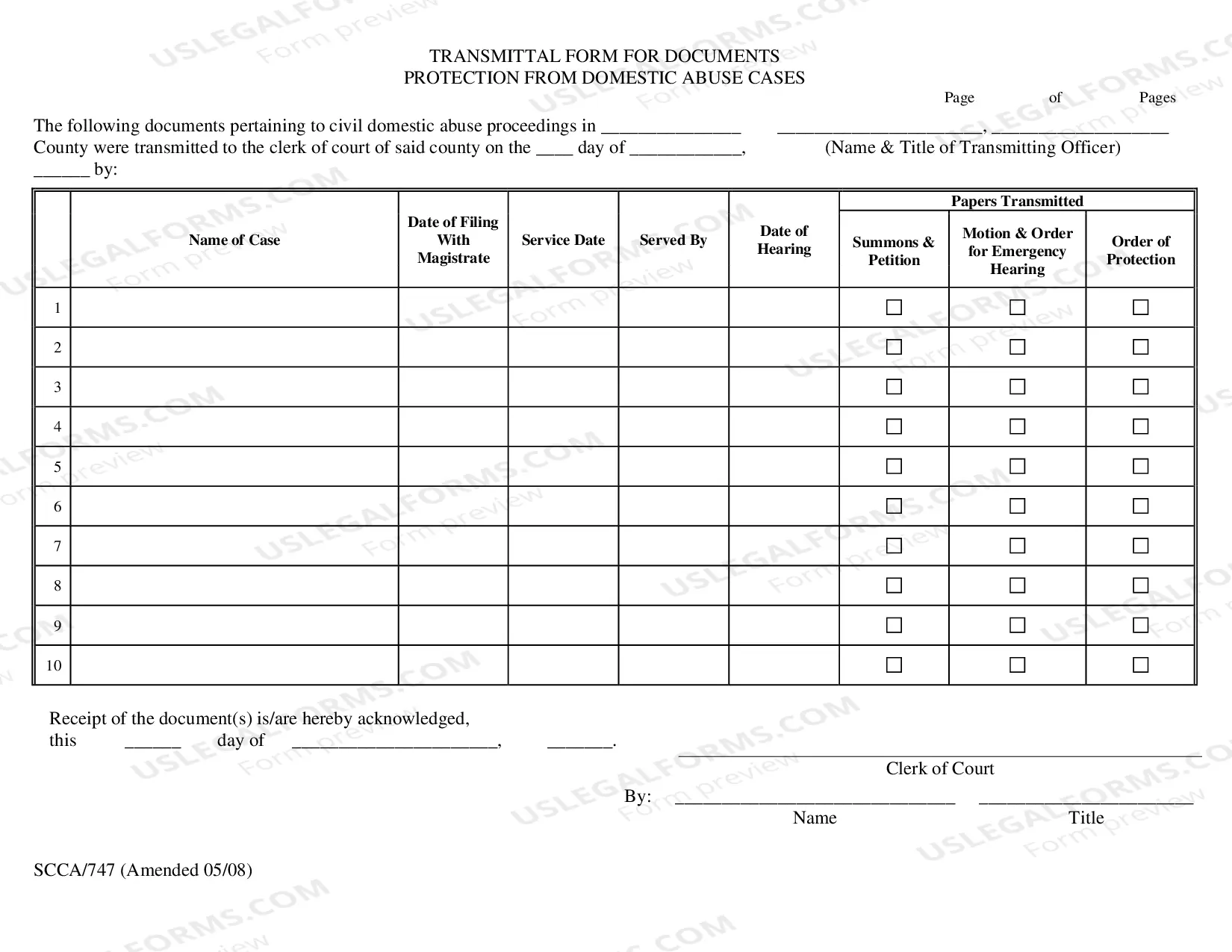

How to fill out Agreement To Lease Condominium Unit - Condo Rental?
- Evaluate the noise level and frequency. Determine if it indeed goes beyond what is considered acceptable noise in your area.
- Document the incidents. Keep a record of dates, times, and descriptions of the disruptive noise to support your complaint if necessary.
- Communicate with your neighbour. Often, a polite conversation can resolve the issue without further escalation. Be respectful and express your concerns clearly.
- Review local noise ordinances. Check your local laws to understand the acceptable noise levels and the regulations governing noise disturbances in your area.
- Consider legal action if necessary. If the problem persists, explore the option of filing a formal complaint or seeking legal assistance.
Using US Legal Forms can significantly benefit you in this process. Their extensive library offers over 85,000 easy-to-use legal forms, ensuring you find the necessary templates to address your noise complaint. Additionally, premium experts are available to assist with form completion, ensuring that your documents are legally sound and tailored to your needs.
In conclusion, knowing what is acceptable noise from neighbours can help you maintain a harmonious living environment. With the right documentation from US Legal Forms, you can effectively address noise complaints. Start your journey towards peaceful coexistence by exploring the resources available at US Legal Forms today!
Form popularity
FAQ
You can record your noisy neighbor, but rules may vary by state regarding legality. As long as you observe the laws of your jurisdiction, documenting noises can help illustrate what is acceptable noise from neighbours. Make sure not to record conversations without consent, as this could lead to legal complications. If you find the noise intolerable, consider using recording evidence as part of your complaint with local authorities or mediation.
Yes, several apps can help you record noisy neighbours effectively. Look for options that allow recording, timestamping, and even noise level measurement, providing a comprehensive picture of the disturbances. Utilizing these apps can support your claim by supplying evidence of what is acceptable noise from neighbours. Popular applications include noise meters and voice recorders available on both Android and iOS platforms.
Yes, you can often file a noise complaint anonymously, depending on your local laws and regulations. However, providing your identity might strengthen the complaint, especially if authorities begin an investigation into what is acceptable noise from neighbours. Check with your local authorities to understand their anonymous reporting policies. Remember, each jurisdiction may have different procedures, so do your research before proceeding.
To record noisy neighbours for evidence, start by documenting the date and time of the disturbances. Use your smartphone or a digital recorder to capture the noise clearly, ensuring the microphone is close enough to pick up the sound. Collect multiple recordings over a period to establish a pattern of noise that may exceed what is acceptable noise from neighbours. This documentation will support your case if you decide to file a complaint or seek legal action.
Acceptable noise levels for residential areas typically sit between 55 and 65 decibels during the day, tapering down at night. Understanding these levels helps you gauge what is acceptable noise from neighbours. Local noise ordinances play a critical role in these determinations. For personalized guidance, platforms like UsLegalForms can provide helpful resources and legal information.
Generally, noise levels above 70 decibels during the evening may be deemed too loud for neighbours. However, local regulations can dictate these thresholds, especially during quiet hours. Familiarizing yourself with what is acceptable noise from neighbours can prevent disputes. If noise levels consistently exceed acceptable limits, it may require a discussion or intervention.
A noise level considered a nuisance often exceeds 55 decibels during the night or is persistent and disruptive. Many local jurisdictions define a nuisance as any noise that hinders the enjoyment of your property. Understanding what is acceptable noise from neighbours can help you identify and address nuisances effectively. Residents may need to seek assistance from local authorities if the problem persists.
Disturbing the peace in Missouri could involve any behaviour that creates excessive noise and disrupts the community's tranquility. This includes loud music, shouting, or other disruptive activities. If the noise exceeds what is acceptable noise from neighbours, it may be classified as a disturbance. Reporting such incidents can lead to resolution and better community relations.
The maximum noise level allowed at home generally falls within the local regulations, usually peaking at around 70 decibels for daytime. Excessive levels during night hours are often lower. Familiarizing yourself with what is acceptable noise from neighbours is essential for maintaining harmony. Always refer to your specific city’s noise ordinances for clarity.
Quiet hours in Missouri commonly range from 10 PM to 6 AM, but this can differ between communities. During these hours, any noise that disrupts others’ peace may be considered unacceptable. Knowing these quiet hours helps you understand what is acceptable noise from neighbours. Residents should check local rules for the exact hours.