Lease With Apartment In Ohio
Description

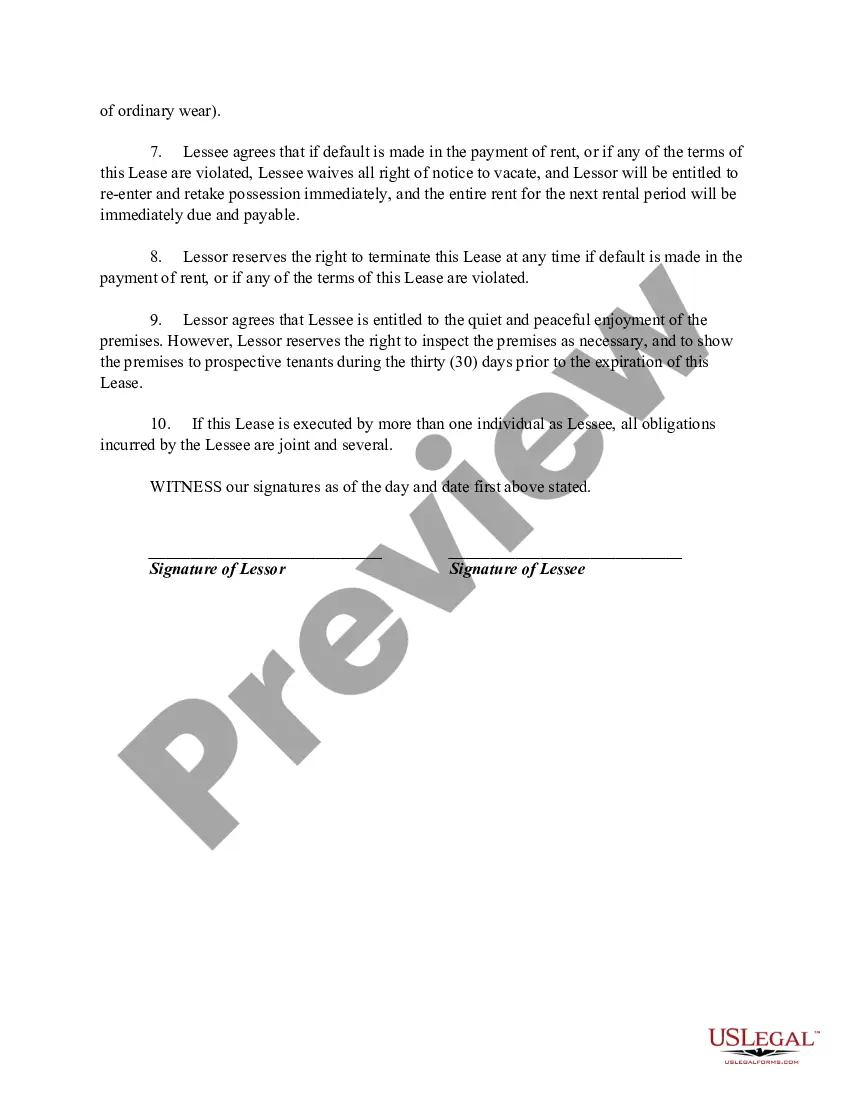
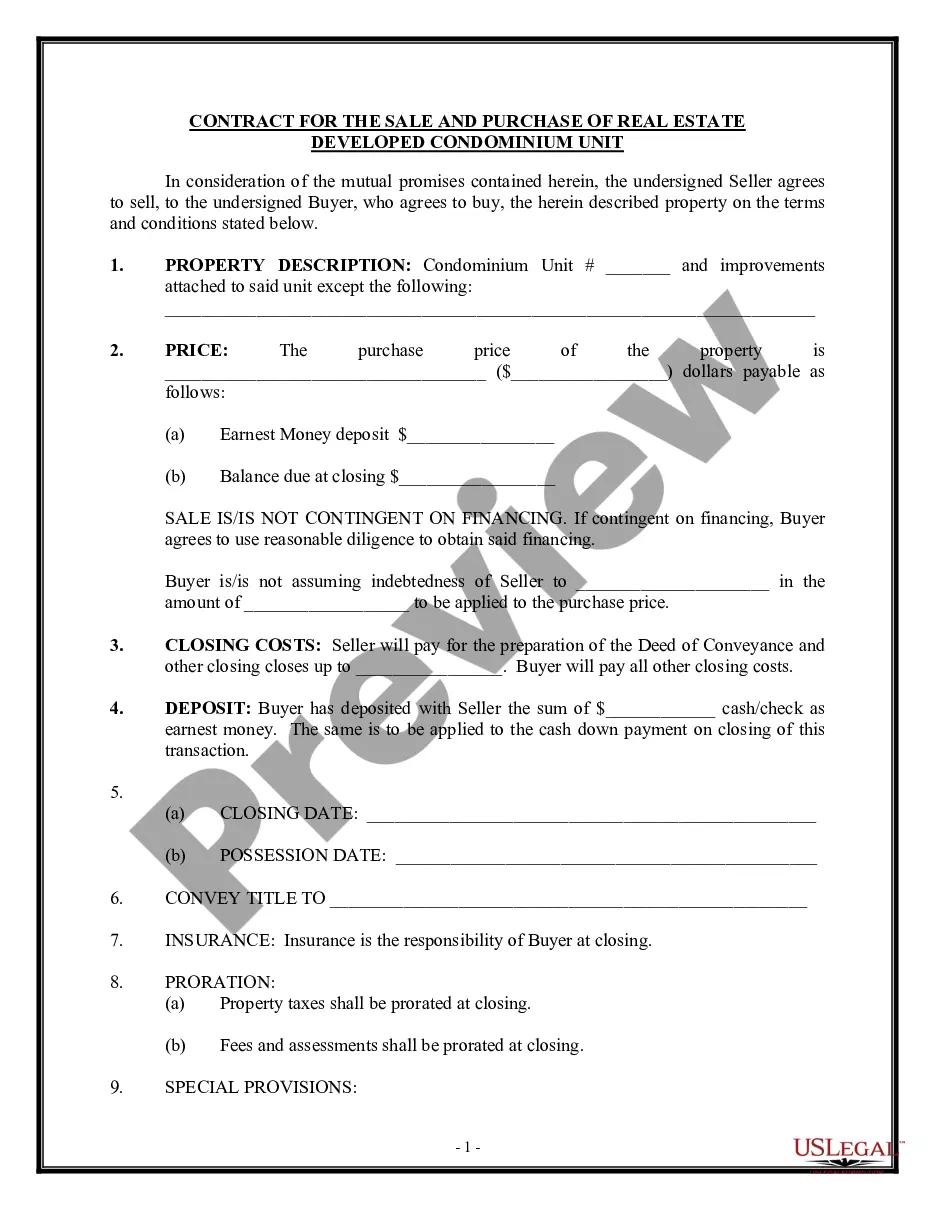
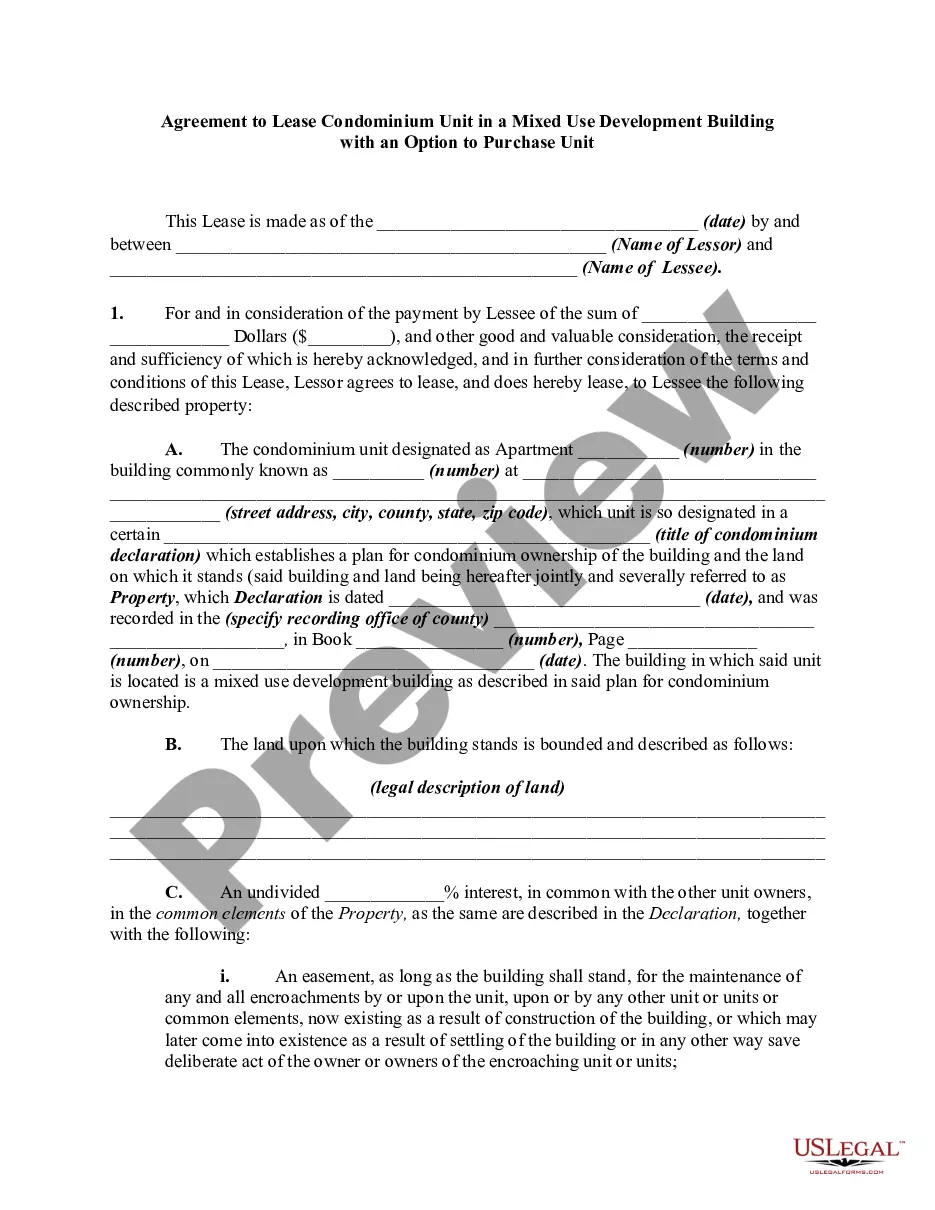
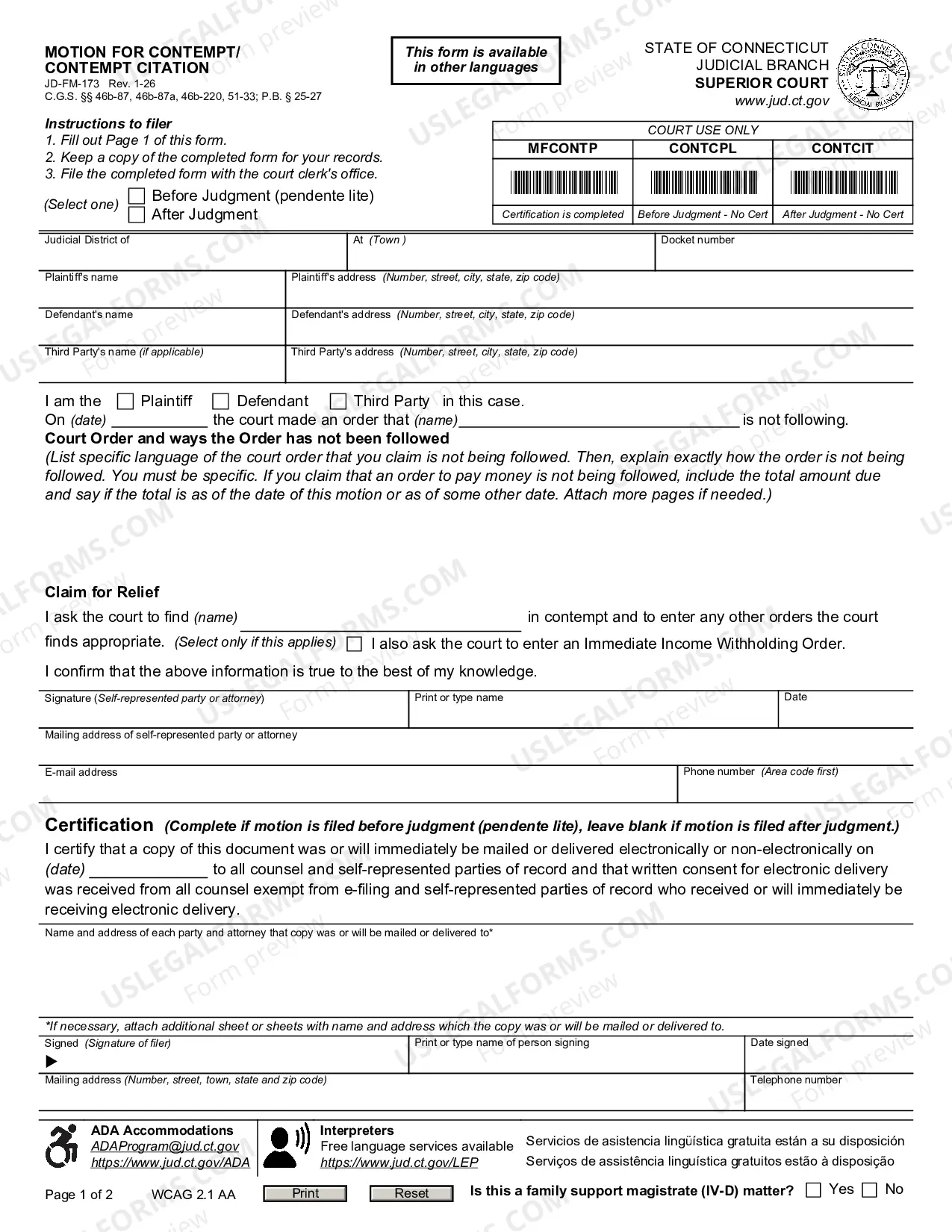
Get your form ready online
Our built-in tools help you complete, sign, share, and store your documents in one place.
Make edits, fill in missing information, and update formatting in US Legal Forms—just like you would in MS Word.
Download a copy, print it, send it by email, or mail it via USPS—whatever works best for your next step.
Sign and collect signatures with our SignNow integration. Send to multiple recipients, set reminders, and more. Go Premium to unlock E-Sign.
If this form requires notarization, complete it online through a secure video call—no need to meet a notary in person or wait for an appointment.
We protect your documents and personal data by following strict security and privacy standards.

Make edits, fill in missing information, and update formatting in US Legal Forms—just like you would in MS Word.

Download a copy, print it, send it by email, or mail it via USPS—whatever works best for your next step.

Sign and collect signatures with our SignNow integration. Send to multiple recipients, set reminders, and more. Go Premium to unlock E-Sign.

If this form requires notarization, complete it online through a secure video call—no need to meet a notary in person or wait for an appointment.

We protect your documents and personal data by following strict security and privacy standards.
Looking for another form?







Form popularity
FAQ
Ohio laws do not provide any specific guidance on how to sublet legally, so you should follow your lease terms and communicate with your landlord. The Bottom Line: Since Ohio laws are silent on the subject of subletting, you should abide by the terms of your lease.
The parties should record the lease or record a short form of the lease. Ohio law requires that the lease be recorded in the office of the county recorder where the land exists or it will not be valid against a purchaser of the land who lacks knowledge of the lease.
Ohio law mandates that a tenant must obtain written permission from their landlord to sublease. This permission is often part of the lease agreement, but if not, the tenant should seek separate written approval. Without consent, a tenant might face eviction risks due to unauthorized subletting.
Ohio Rental Application Requirements Personal information and references: This includes their full name, date of birth, contact details, and social security number (SSN). Employment details: These include their current employment status, the name of their employer, their monthly income, and their duration of employment.
Cons of Subleasing Not all subleasers are dependable; sometimes, they sublet because they can't make ends meet, which can be an issue. Although the original tenant is financially responsible, that doesn't remove all risk for landlords.
Most leases do require the landlord's Consent to Sublease, as well as the landlord's approval of any new subtenant. When an agreement does not mention subleasing, tenants may still want to consider talking to their landlord first to maintain a good landlord-tenant relationship.
Subletting regulations in California primarily revolve around lease agreements. If your lease doesn't explicitly prohibit sublets, you generally have the right to sublet. However, landlords retain the authority to reject proposed subtenants based on reasonable objections.
Ohio is considered a landlord-friendly state since there are few to no regulations for rent control policies and mandatory disclosures. This means that a landlord may be more flexible while charging and increasing rent prices.
Typically, the rental application involves the landlord reviewing the applicant's rental history, credit score, and employment background. This information will help them identify potential red flags, such as with criminal records, through background checks.
