Job Application Sample For Cover Letter In Washington
Description

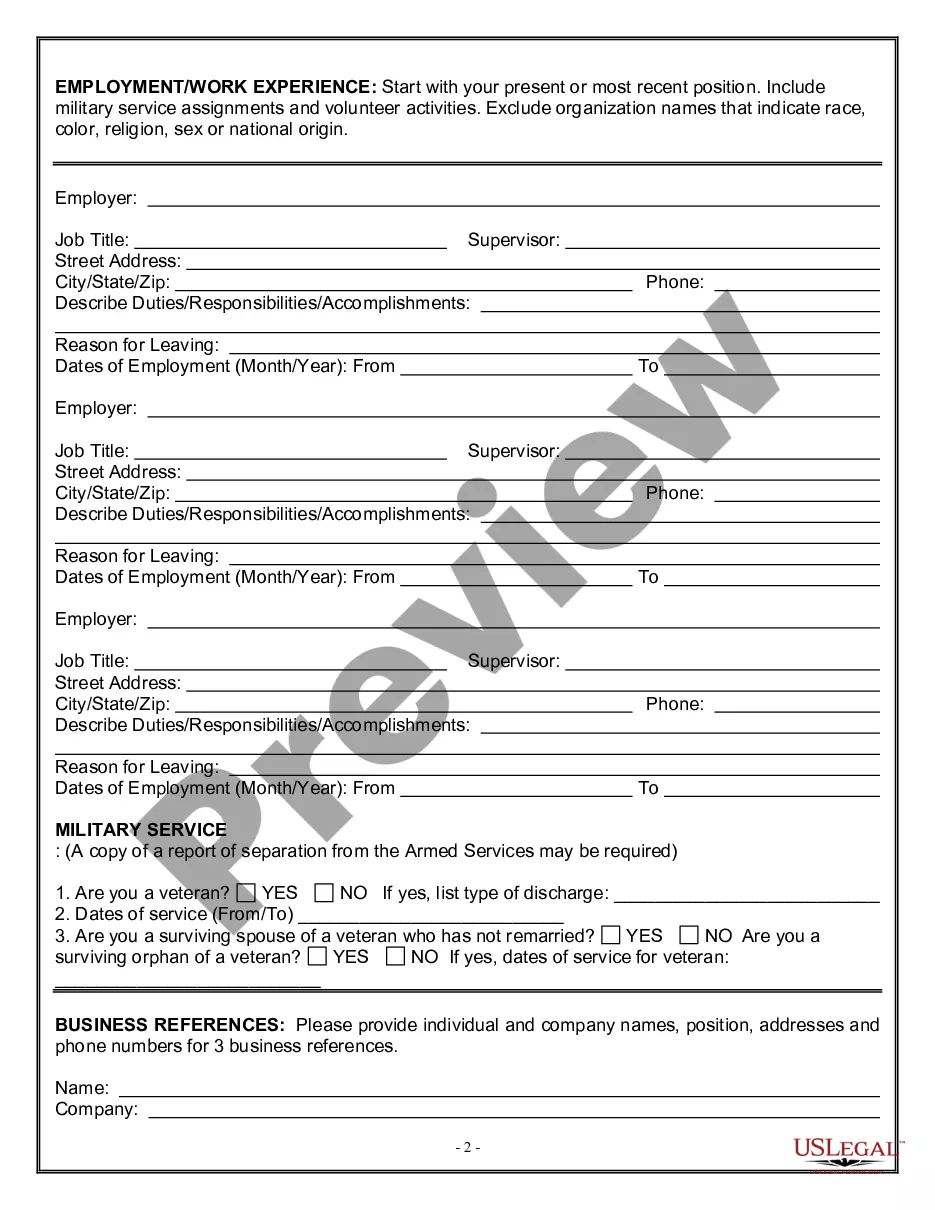
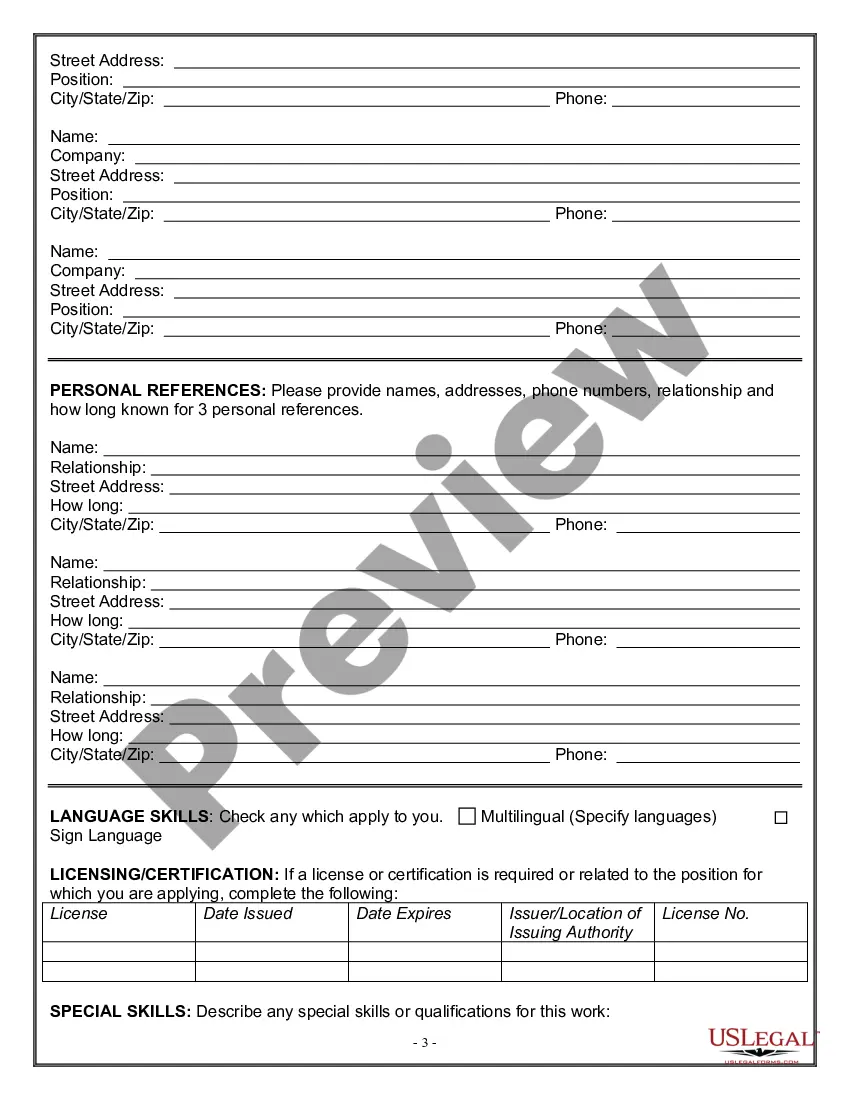
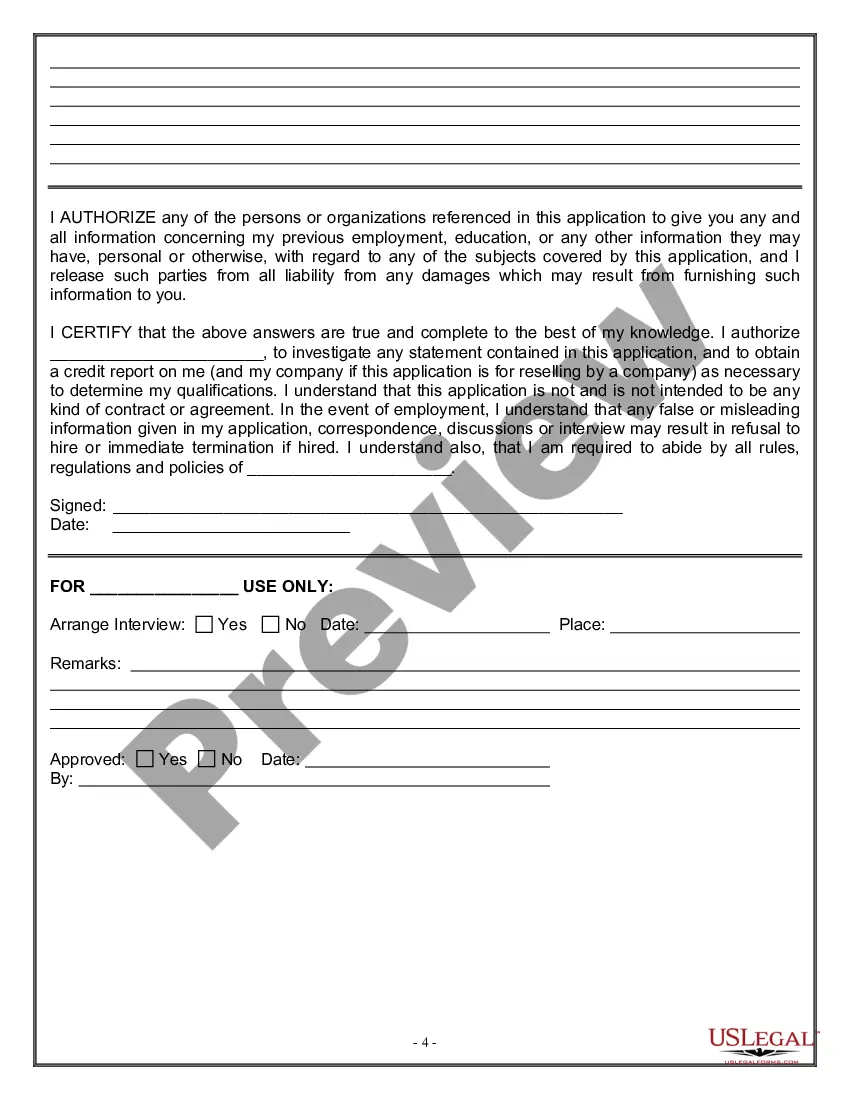
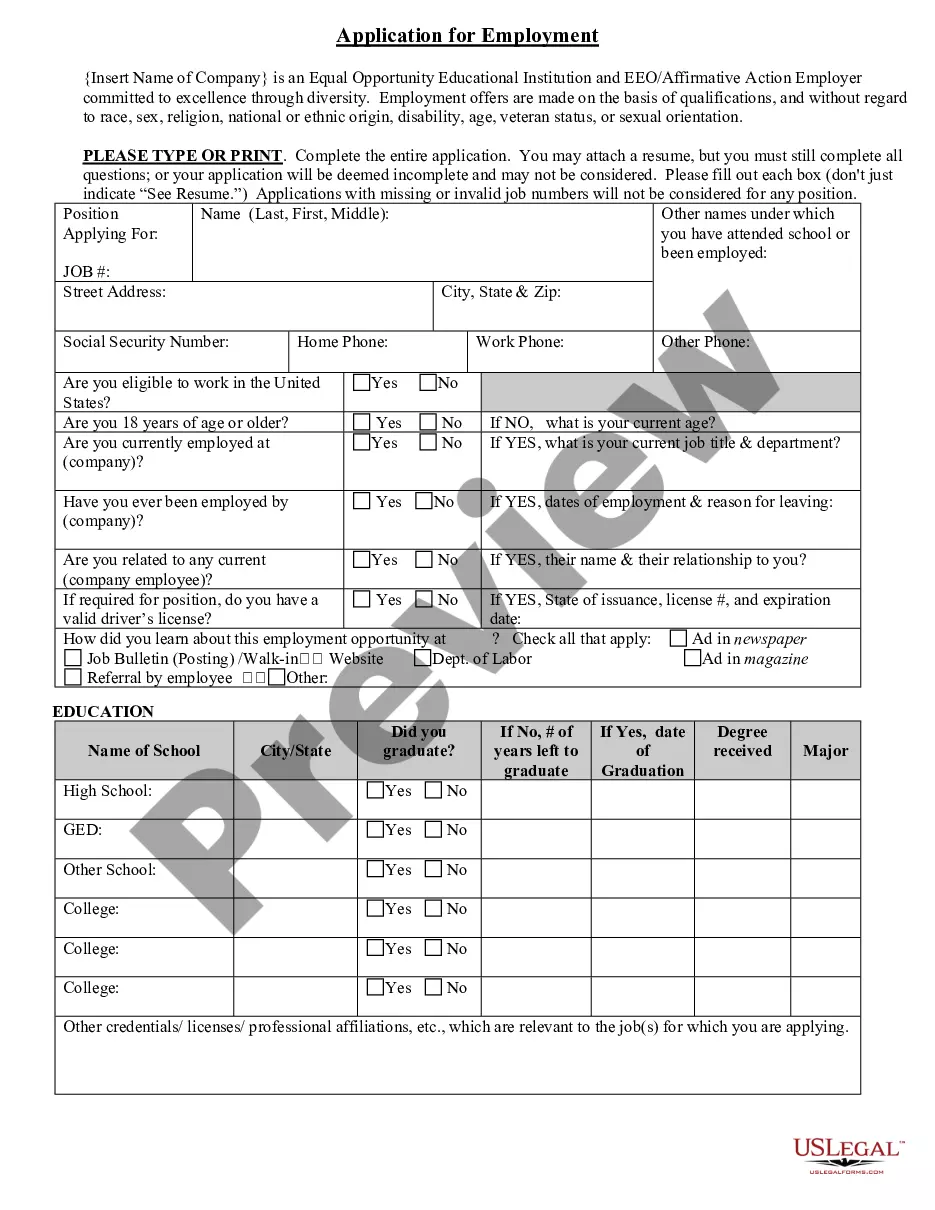
Get your form ready online
Our built-in tools help you complete, sign, share, and store your documents in one place.
Make edits, fill in missing information, and update formatting in US Legal Forms—just like you would in MS Word.
Download a copy, print it, send it by email, or mail it via USPS—whatever works best for your next step.
Sign and collect signatures with our SignNow integration. Send to multiple recipients, set reminders, and more. Go Premium to unlock E-Sign.
If this form requires notarization, complete it online through a secure video call—no need to meet a notary in person or wait for an appointment.
We protect your documents and personal data by following strict security and privacy standards.

Make edits, fill in missing information, and update formatting in US Legal Forms—just like you would in MS Word.

Download a copy, print it, send it by email, or mail it via USPS—whatever works best for your next step.

Sign and collect signatures with our SignNow integration. Send to multiple recipients, set reminders, and more. Go Premium to unlock E-Sign.

If this form requires notarization, complete it online through a secure video call—no need to meet a notary in person or wait for an appointment.

We protect your documents and personal data by following strict security and privacy standards.
Looking for another form?

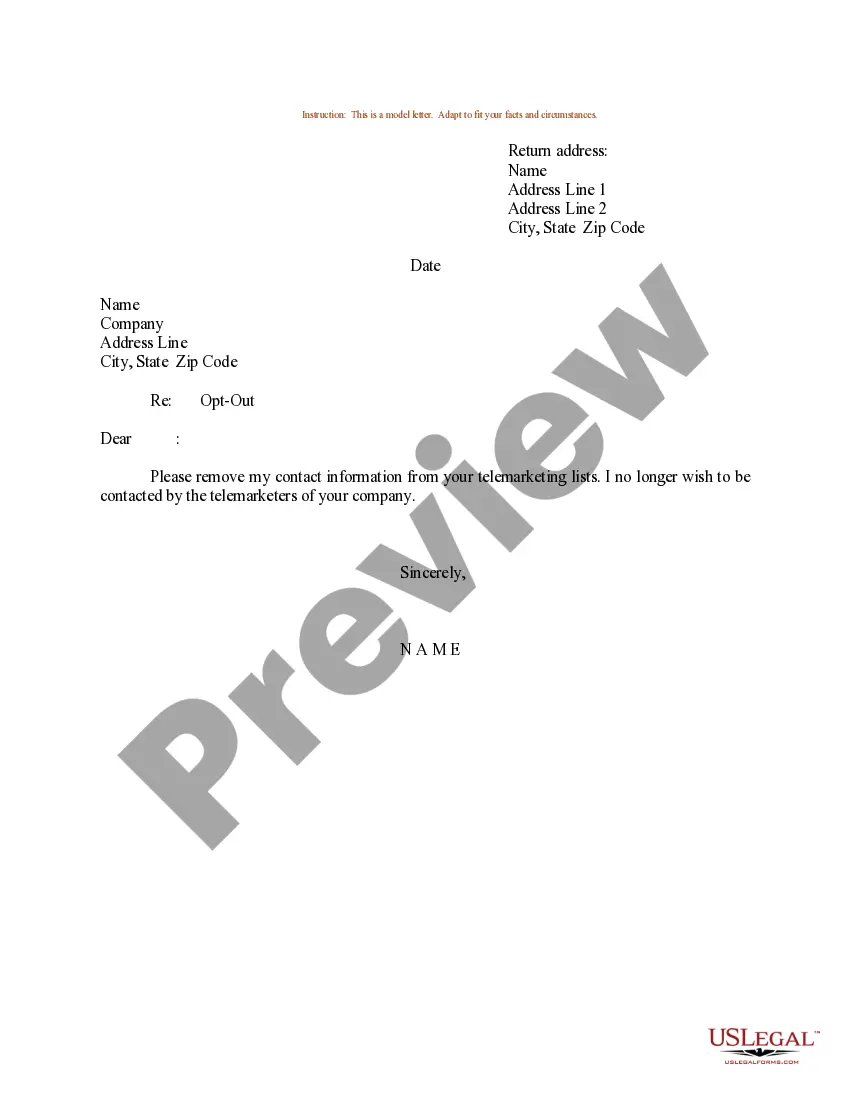








Form popularity
FAQ
How To Write Experience In A Resume? Include your previous employers. Mention your job location. Specify the dates of employment. Write your job title. List your responsibilities. Mention your promotions. List your awards and recognitions. Choose the right work experience format.
Example: I'd like to officially apply for the marketing manager position at Company X. Over the past 7 years, I've worked with 6 clients, helping them drive more than $2,000,000 worth of sales. I am confident that my marketing skills and proven sales results make me a perfect match for the position.
Here are few steps to write a good cover letter: Address it to the right person or use a general salutation. Start strong with an attention-grabbing opening sentence. Customize it for each job. Showcase your achievements with specific examples. Keep it concise, professional, and focused on the company's culture.
A cover letter should be between a half and a full page long. Generally, you should aim for a cover letter word count of 250 to 400 words and about three to six paragraphs. A short, concise cover letter serves as a written introduction to a prospective employer and outlines why you're the best fit for the job.
Cover letters should be: Well-organized, focused, and concise. Individually tailored — never use a form letter. Addressed to an individual by name. Written in your own words. Centered on the page with one inch margins. No more than one page in length. Closed with a request for action (i.e. meeting, phone conversation)
Use good formatting and the same font as your resume. Set the margin to 1 inch on all sides. Use single spacing. Left align the text. Make sure to use the same font style and size on your resume.
How to write a cover letter for a high school student Include your personal details. Greet the hiring manager. Express your interest. List your skills and relevant experience. Thank the hiring manager. Include a professional closing. Review your letter.
Cover letters typically take the following structure: Introduction (1st paragraph) State clearly in your opening sentence the purpose for your letter and a brief professional introduction. Body (2-3 paragraphs) ... Closing (last paragraph)
Cover letter closings End your message with a formal closing, such as Sincerely, Regards or Best regards. If your closing contains more than one word, capitalize only the first word, as in Best regards or Sincerely yours. And be sure to put a comma after your closing.
