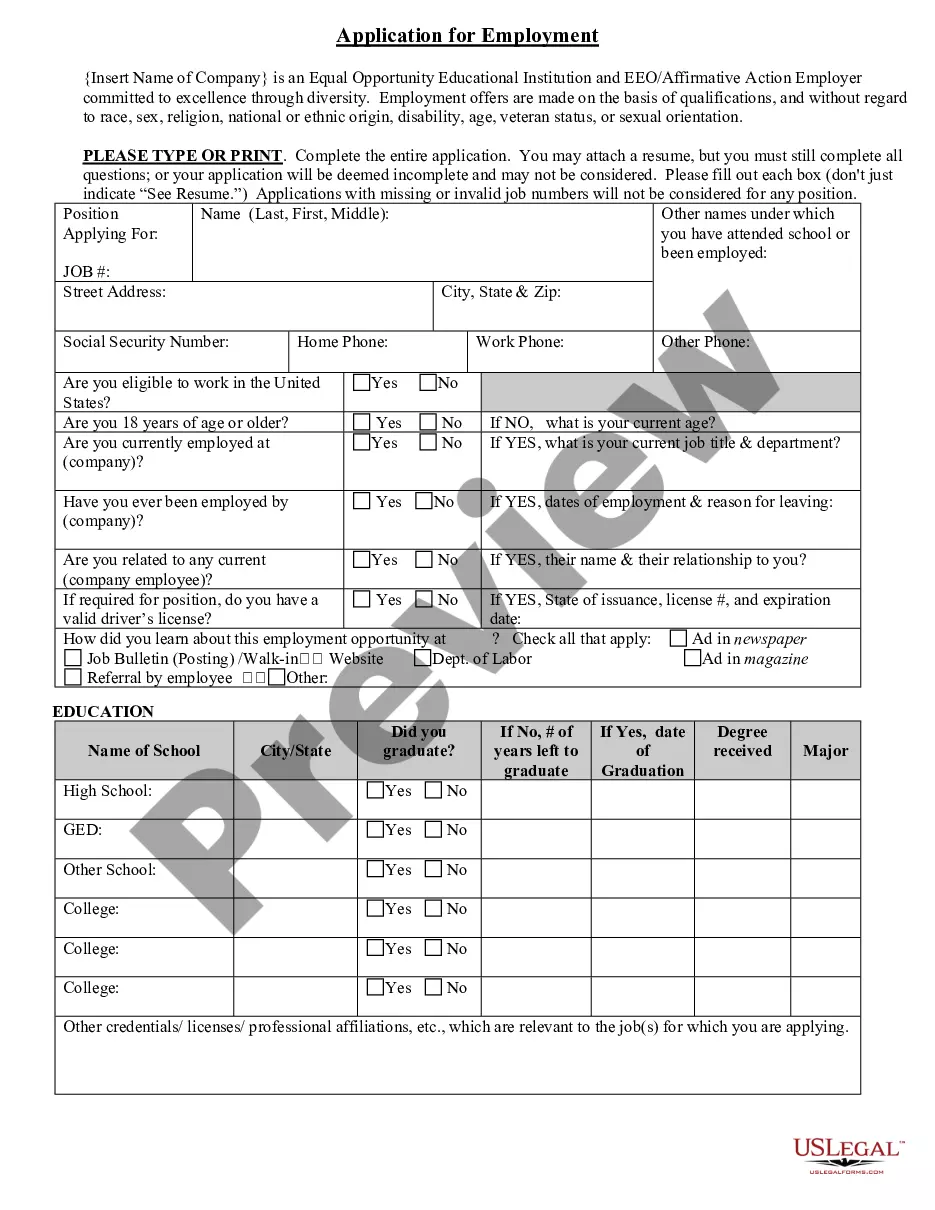
Job Application With Resume Example In Harris
Description

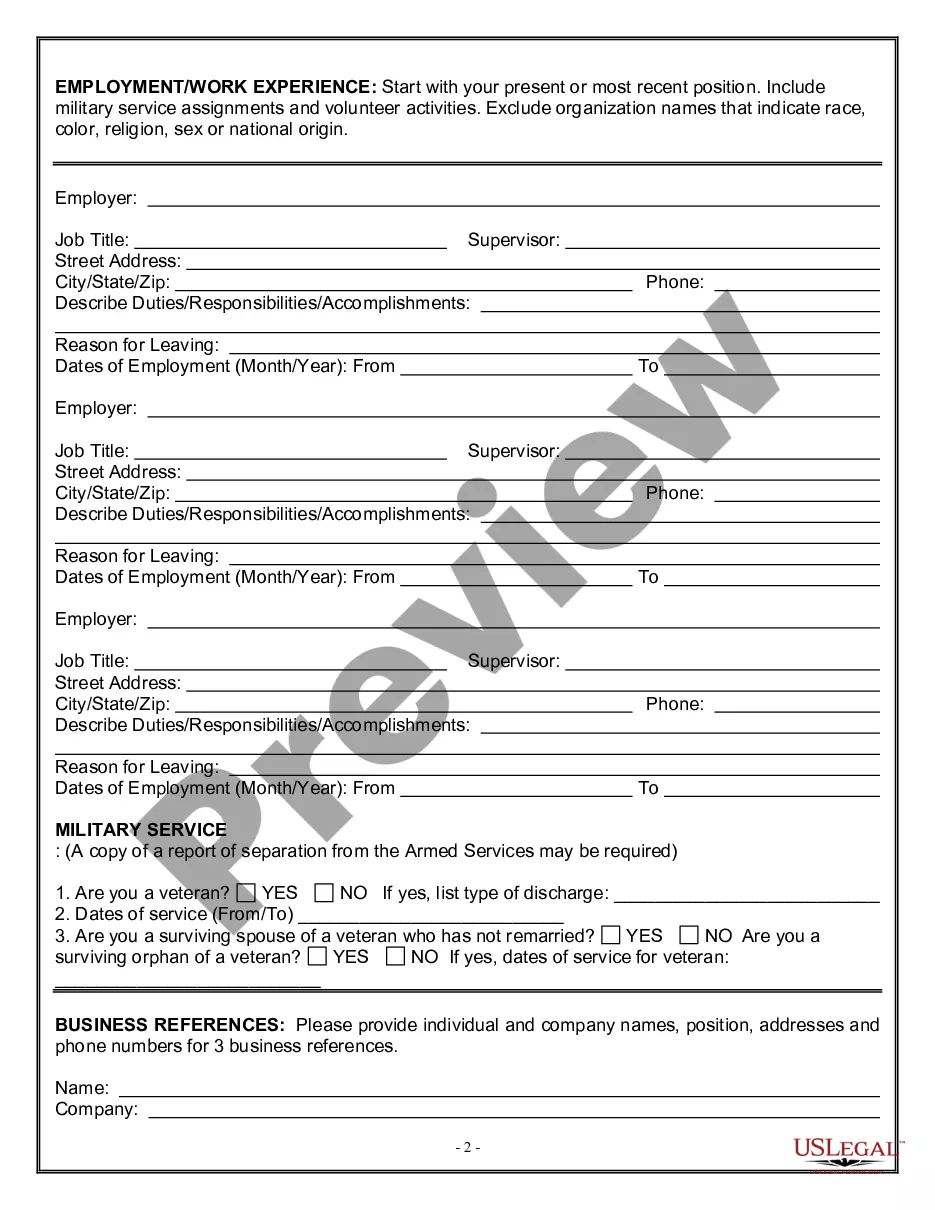
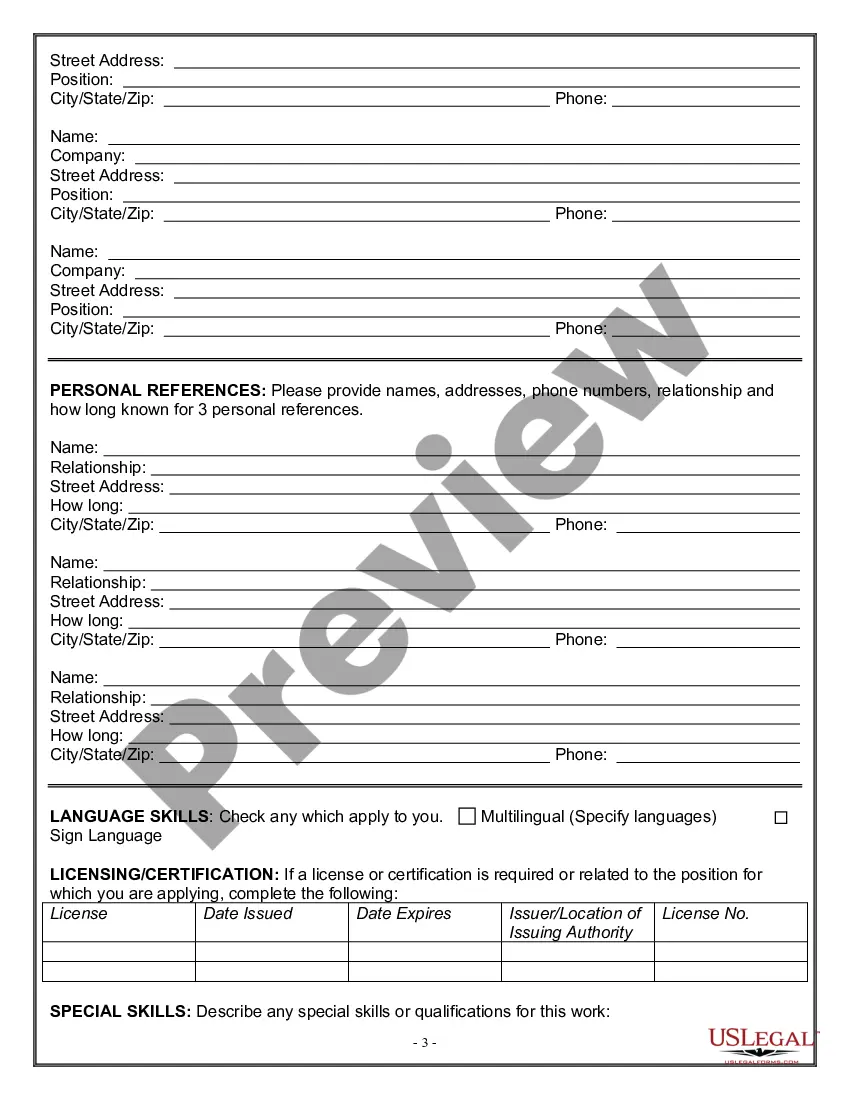
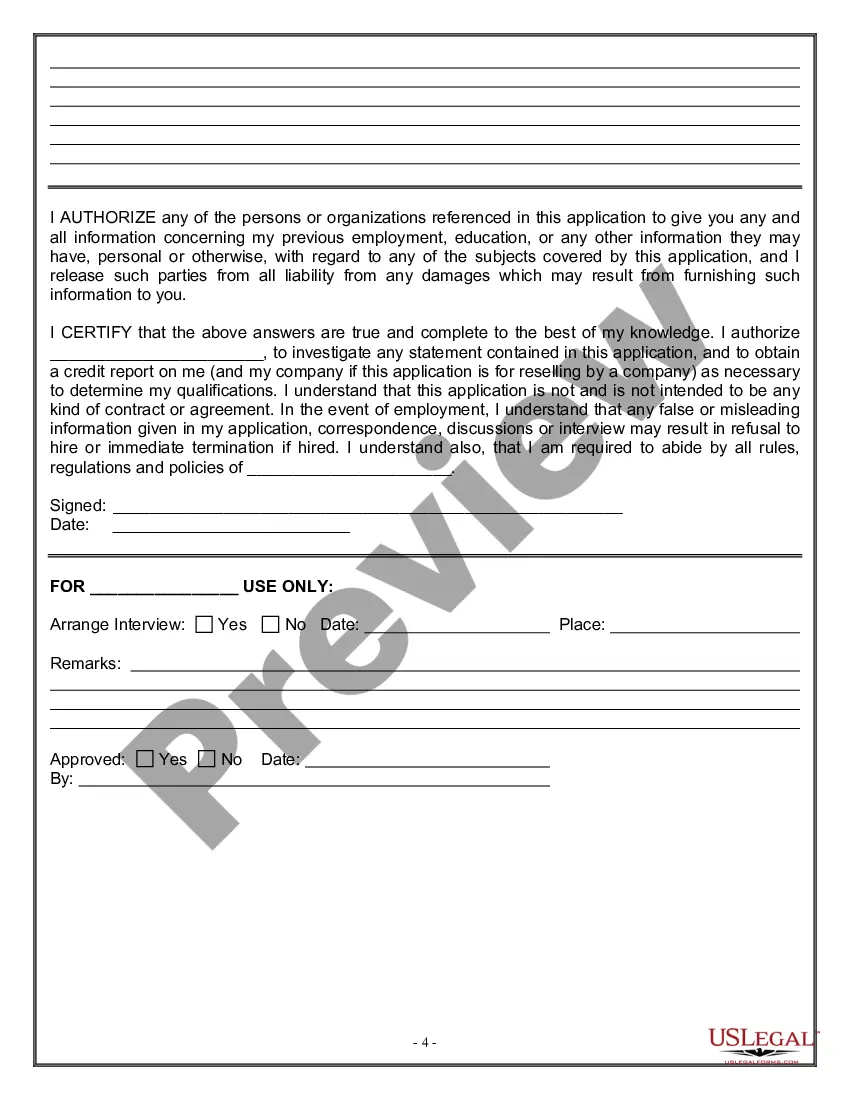
Get your form ready online
Our built-in tools help you complete, sign, share, and store your documents in one place.
Make edits, fill in missing information, and update formatting in US Legal Forms—just like you would in MS Word.
Download a copy, print it, send it by email, or mail it via USPS—whatever works best for your next step.
Sign and collect signatures with our SignNow integration. Send to multiple recipients, set reminders, and more. Go Premium to unlock E-Sign.
If this form requires notarization, complete it online through a secure video call—no need to meet a notary in person or wait for an appointment.
We protect your documents and personal data by following strict security and privacy standards.

Make edits, fill in missing information, and update formatting in US Legal Forms—just like you would in MS Word.

Download a copy, print it, send it by email, or mail it via USPS—whatever works best for your next step.

Sign and collect signatures with our SignNow integration. Send to multiple recipients, set reminders, and more. Go Premium to unlock E-Sign.

If this form requires notarization, complete it online through a secure video call—no need to meet a notary in person or wait for an appointment.

We protect your documents and personal data by following strict security and privacy standards.
Looking for another form?



Form popularity
FAQ
Attach Your Resume and Cover Letter to an Email Message Click on Insert > Attach File. Click to select the file you want to add to your email message, and then click on Insert to attach the document to your email message.
You are here: Open your resume file in a word processor. Choose Select All from the Edit menu of your word processor. Select Copy from the Edit menu of the word processor. Click on your web browser to reopen it. Click inside the Resume text box. Go to the Edit menu in your browser and select Paste.
A CV presents a full history of your academic accomplishments, while a resume presents a concise summary of your qualifications. While both are tailored for the specific position you are applying to, they are used for different purposes with CVs being required for academic positions and resumes being needed otherwise.
Your Resume File Name Matters: How to Name Your Resume Follow any instructions stated in the job description. Include your first and last name. Make your file name reflect your personal brand. Separate words with hyphens or underscores. Exclude version numbers. Keep your resume file name short.
When writing a resume with no experience, focus on transferable skills, academic achievements, volunteer work, internships, and extracurricular activities. Highlight any relevant coursework, projects, or certifications.
Attach Your Resume and Cover Letter to an Email Message Click on Insert > Attach File. Click to select the file you want to add to your email message, and then click on Insert to attach the document to your email message.
How to Write an Application Letter for a Job Step 1: Research the Company and Job Role. Step 2: Use a Professional Format. Step 3: Write an Engaging Introduction. Step 4: Highlight Relevant Skills and Experiences. Step 5: End with a Strong Conclusion.
Introducing yourself professionally on your CV - Tips Go easy on the details. The last thing you want to do is bore your potential employer from the get-go. Use the third person. Use the right adjectives. Highlight key skills and experiences. Quantify your achievements. Tailor to the job. Proofread carefully.
