Dental Office Application With Sedation In Ohio
Description
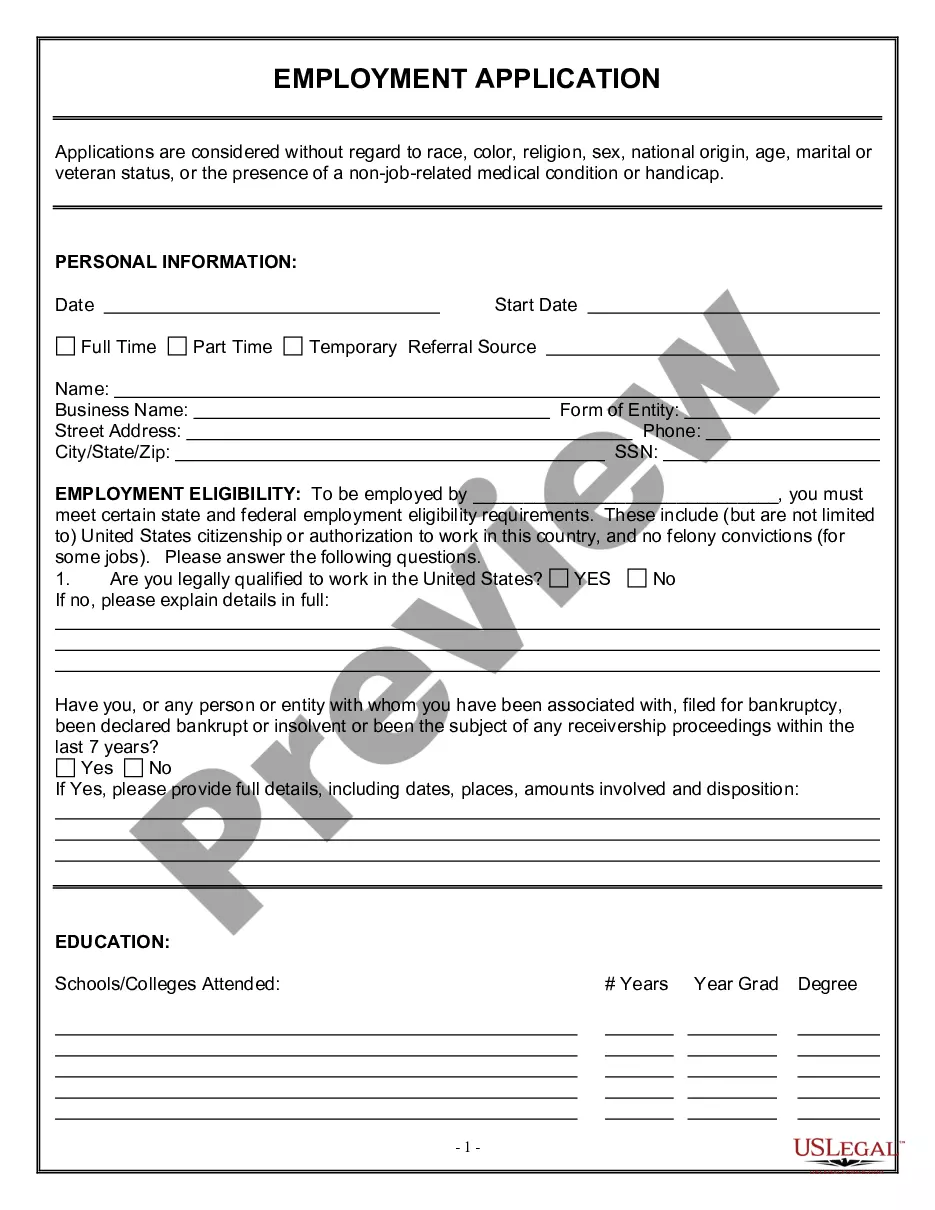
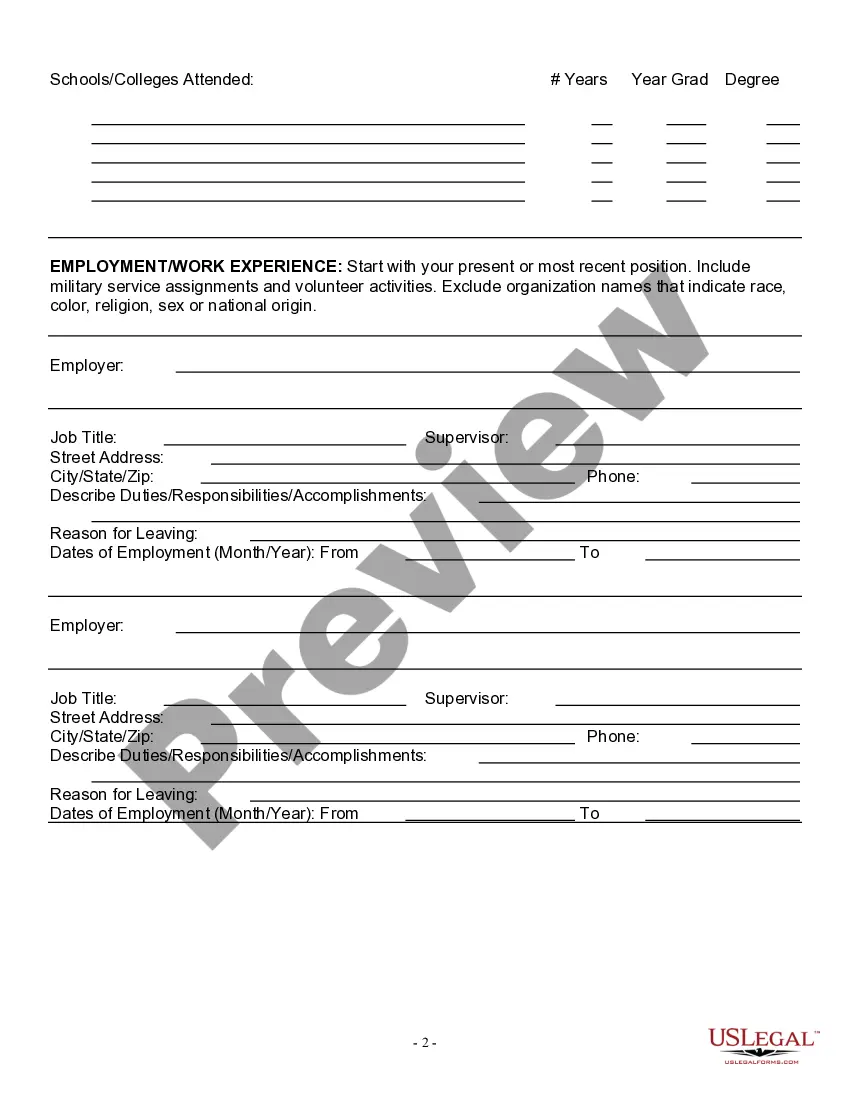
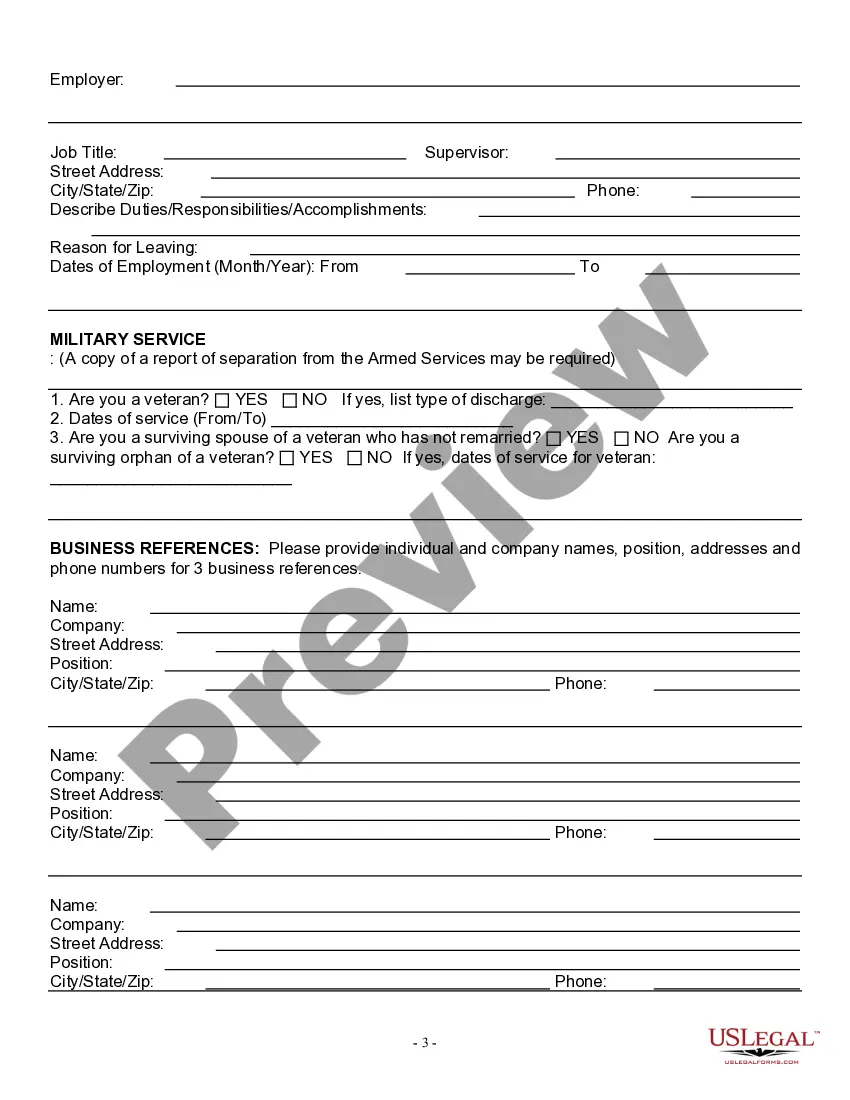
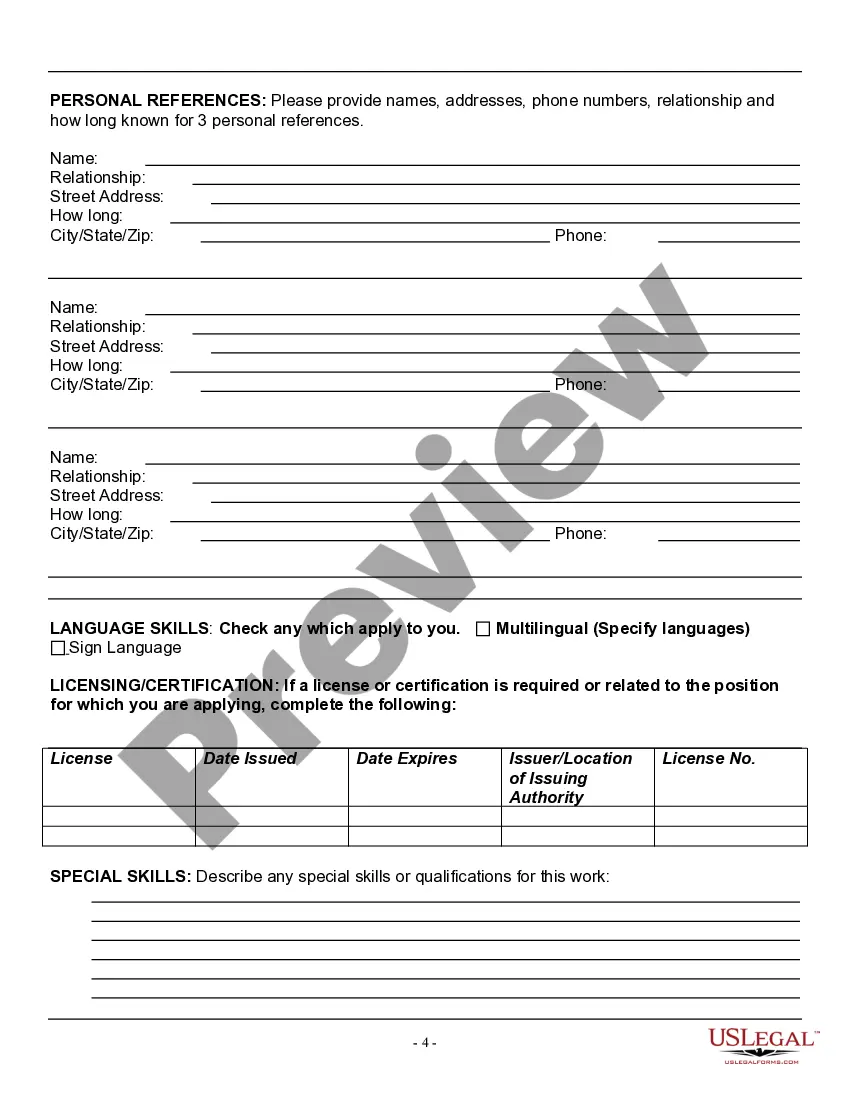
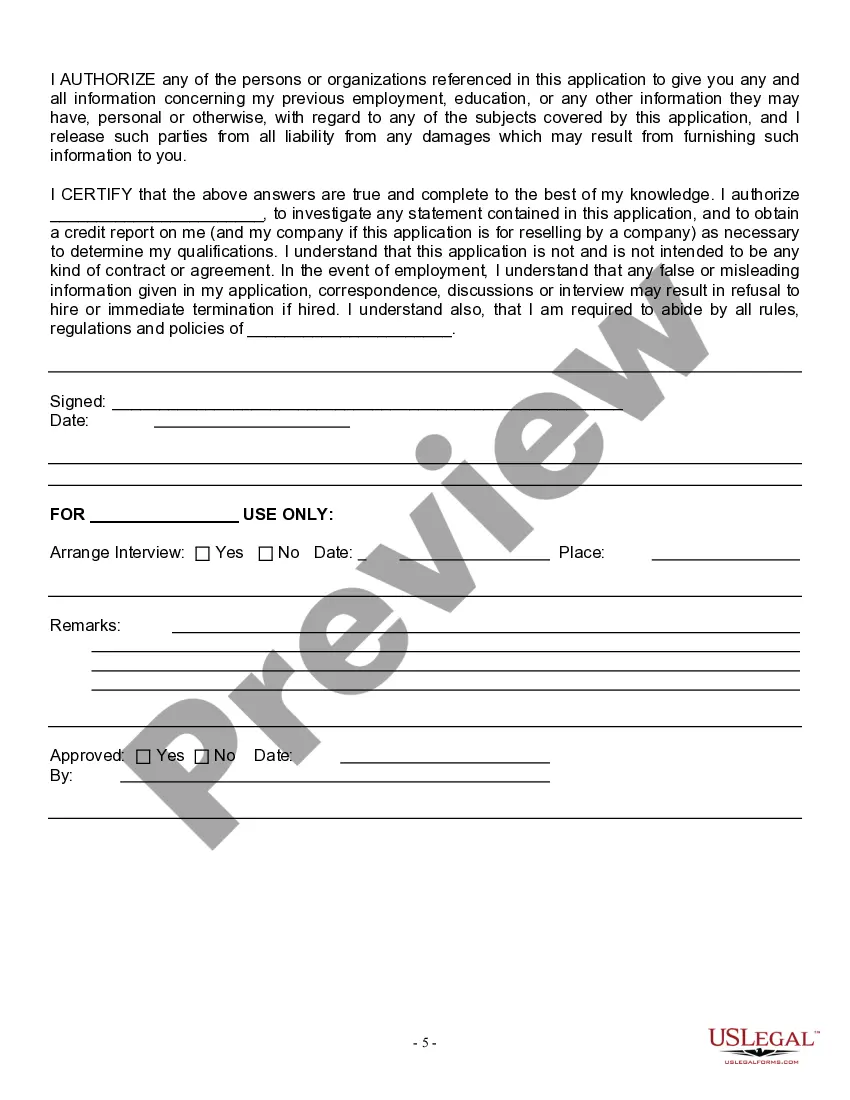
Get your form ready online
Our built-in tools help you complete, sign, share, and store your documents in one place.
Make edits, fill in missing information, and update formatting in US Legal Forms—just like you would in MS Word.
Download a copy, print it, send it by email, or mail it via USPS—whatever works best for your next step.
Sign and collect signatures with our SignNow integration. Send to multiple recipients, set reminders, and more. Go Premium to unlock E-Sign.
If this form requires notarization, complete it online through a secure video call—no need to meet a notary in person or wait for an appointment.
We protect your documents and personal data by following strict security and privacy standards.

Make edits, fill in missing information, and update formatting in US Legal Forms—just like you would in MS Word.

Download a copy, print it, send it by email, or mail it via USPS—whatever works best for your next step.

Sign and collect signatures with our SignNow integration. Send to multiple recipients, set reminders, and more. Go Premium to unlock E-Sign.

If this form requires notarization, complete it online through a secure video call—no need to meet a notary in person or wait for an appointment.

We protect your documents and personal data by following strict security and privacy standards.
Looking for another form?







Form popularity
FAQ
Yes you can ask and most likely dentists will suggest that you get sedated since mouth operation is a bit critical.
Some procedures, such as colonoscopies, may include conscious sedation without a request, but you can ask for different levels of sedation. Sedation can also be given as an alternative to general anesthesia if your risk of complications from anesthesia is too high.
Dental Code D9222 is a specific code used in dentistry to indicate the use of deep sedation or general anesthesia during dental procedures. By understanding this code, patients can gain insight into the importance of deep sedation and general anesthesia in dental treatments.
You may ask your dentist to sedate you if the dentist is properly trained and equipped to provide anesthesia. If not, there may be an anesthesiologist that can provide the service in your dentist's office. Other options would be a surgery center or day surgery at a dentally equipped hospital.
If you're interested in dental treatment assisted by sedation, contact your nearest practice. They'll be able to answer any questions and help you book a treatment consultation, whether it's for an extraction, root canal, dental implants, or something else.
Both children and adults can have dental sedation. Inhalation sedation is usually used to treat children; IV sedation is only suitable in some cases. Some patients may not be eligible for sedation. Your clinician will go through your medical history and medication-use to assess your suitability.
A general dentist, making a recommendation for referral to a specialist, should do so on the basis of what is 'appropriate and best for the patient', in the context of their own level or constraints of experience, expertise and training.
You may ask your dentist to sedate you if the dentist is properly trained and equipped to provide anesthesia. If not, there may be an anesthesiologist that can provide the service in your dentist's office. Other options would be a surgery center or day surgery at a dentally equipped hospital.
