Dental Office Application With No Insurance In Florida
Description
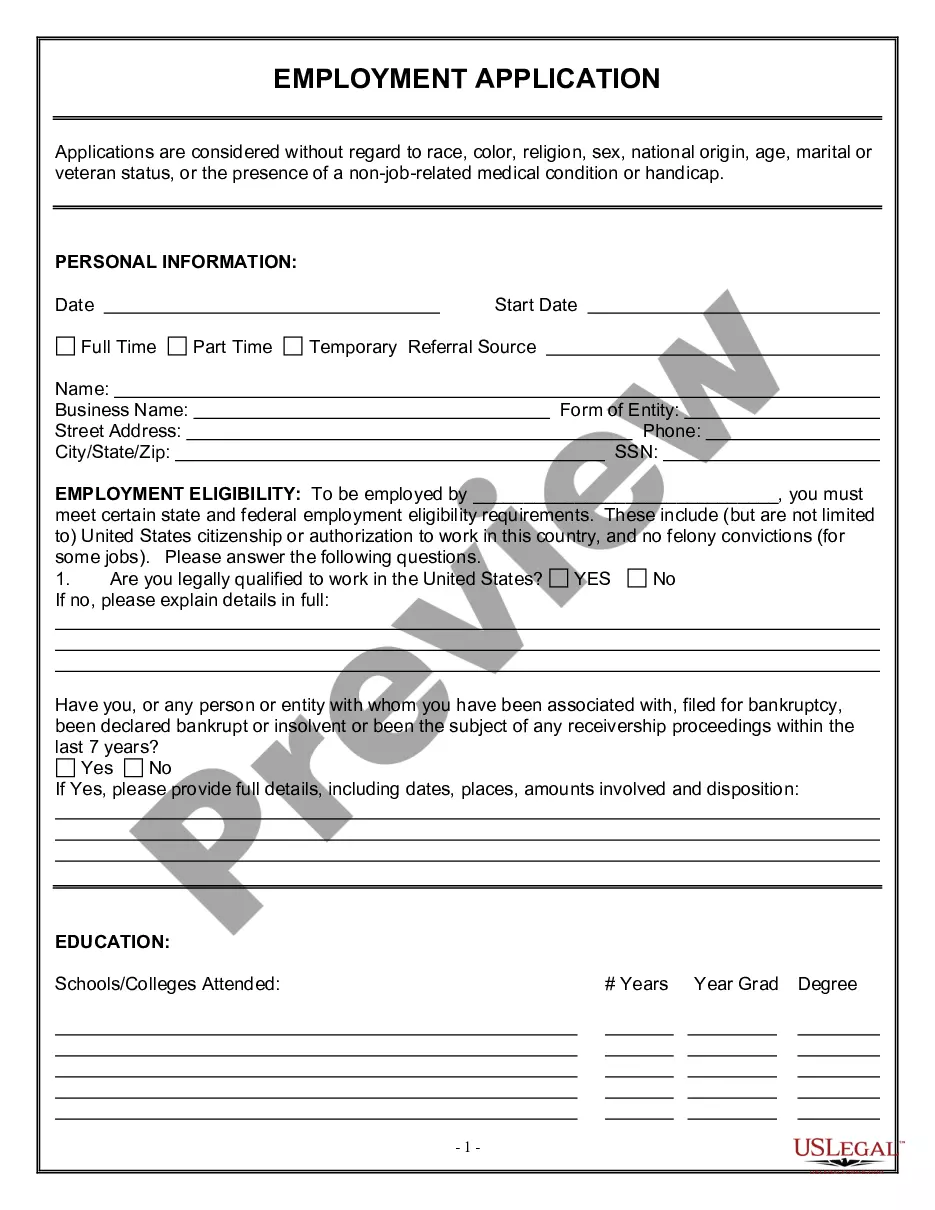
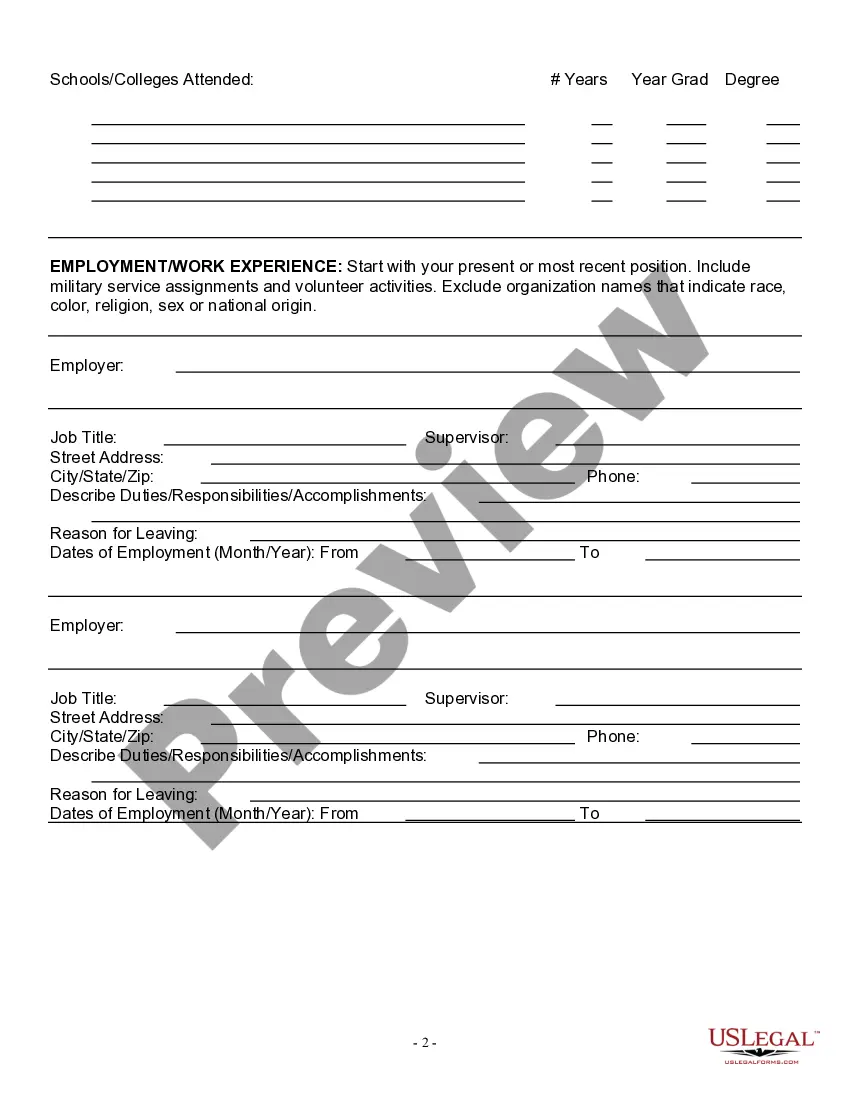
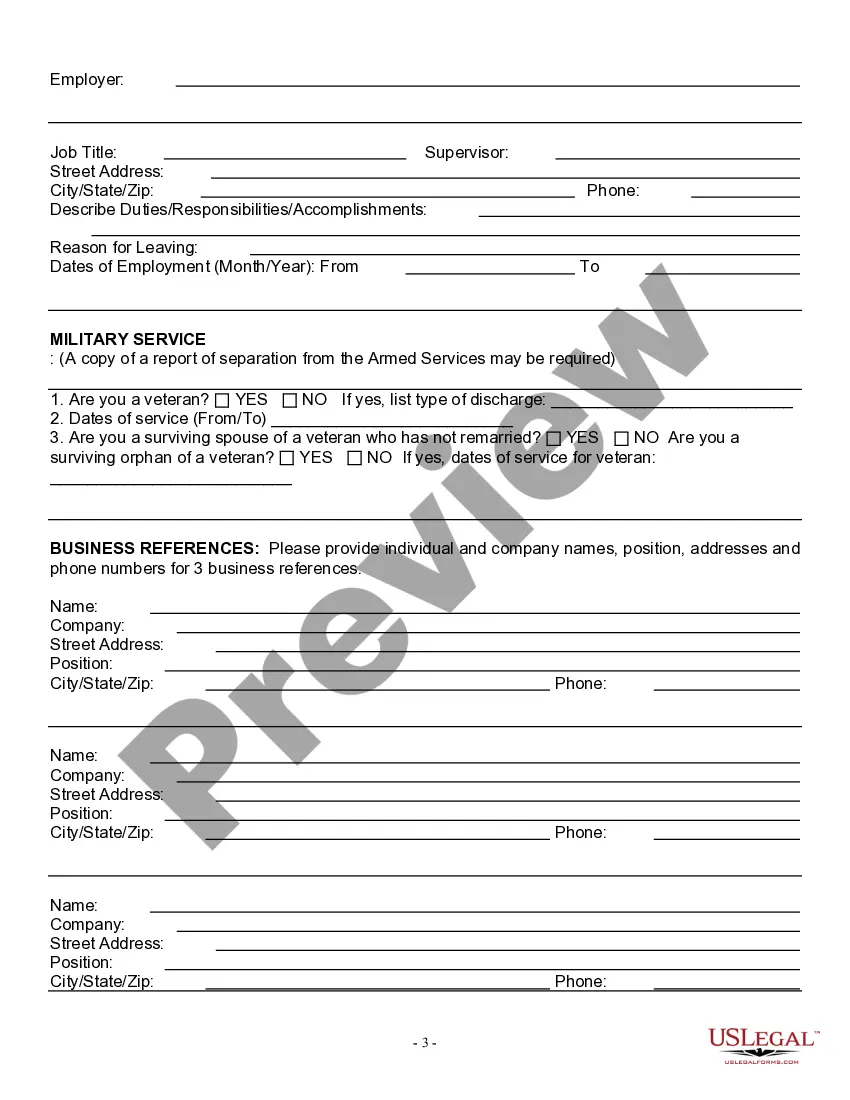
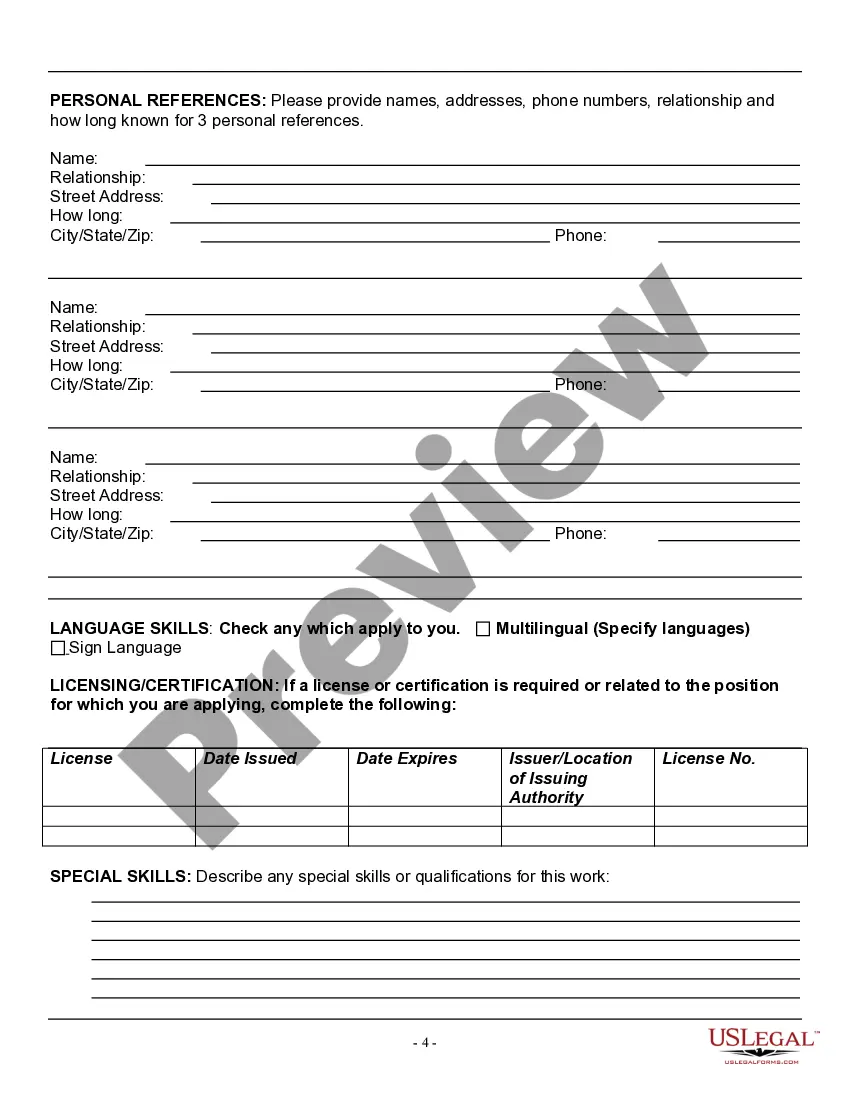
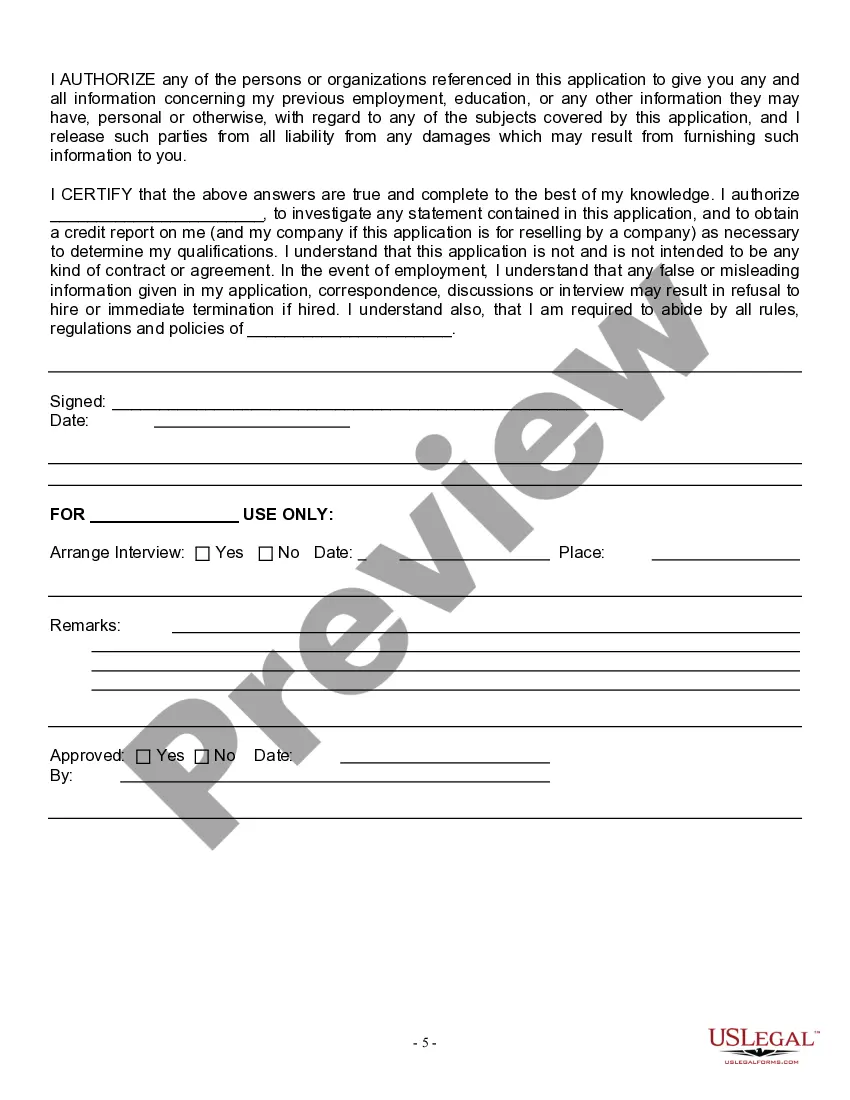
Get your form ready online
Our built-in tools help you complete, sign, share, and store your documents in one place.
Make edits, fill in missing information, and update formatting in US Legal Forms—just like you would in MS Word.
Download a copy, print it, send it by email, or mail it via USPS—whatever works best for your next step.
Sign and collect signatures with our SignNow integration. Send to multiple recipients, set reminders, and more. Go Premium to unlock E-Sign.
If this form requires notarization, complete it online through a secure video call—no need to meet a notary in person or wait for an appointment.
We protect your documents and personal data by following strict security and privacy standards.

Make edits, fill in missing information, and update formatting in US Legal Forms—just like you would in MS Word.

Download a copy, print it, send it by email, or mail it via USPS—whatever works best for your next step.

Sign and collect signatures with our SignNow integration. Send to multiple recipients, set reminders, and more. Go Premium to unlock E-Sign.

If this form requires notarization, complete it online through a secure video call—no need to meet a notary in person or wait for an appointment.

We protect your documents and personal data by following strict security and privacy standards.
Looking for another form?









Form popularity
FAQ
Florida does not allow non-dentists to own a dental practice, Non-dentists may not “direct, control, or interfere with a dentist's clinical judgment.” Florida Statutes 466.0285(1)(c); if one does that they can be charged with a Felony.
Florida does not allow non-dentists to own a dental practice, Non-dentists may not “direct, control, or interfere with a dentist's clinical judgment.” Florida Statutes 466.0285(1)(c); if one does that they can be charged with a Felony.
While it's technically possible for someone to perform dental procedures on themselves, it's highly inadvisable. Dentistry requires extensive training, knowledge of anatomy, sterile techniques, and access to specialized tools and equipment. Here are a few reasons why you shouldn't be your own dentist:
Florida does not place the same corporate prohibitions on medical doctors as it does with dentists and optometrists. Under Florida law, licensed healthcare professionals may organize themselves as professional service corporations (“P.A.”) or as professional limited liability companies (“PLC”).
For those who do not work as an associate before buying their practice, the largest challenge is finding and managing staff. In this situation, you are new to practising yourself, so it is difficult to know exactly what type of staff you need and what types of people you work best with.
You are required to have 3 A levels and the standard offer is AAA. Applicants must be predicted AAA, including Biology/Human Biology and Chemistry. All A2 modules of three subjects must be taken in Year 13. General Studies, Critical Thinking and EPQ are not accepted as a third A level.
Type of program: Some aspiring dentists will complete four years in an undergraduate program , followed by another four years in a dental program. Dentistry programs that combine the undergraduate degree with dentistry training will typically allow students to complete the program in about six years.
Requirements include a high school diploma, three or four years of pre-dental courses at an accredited college or university and four years of dental education at an accredited dental school.
Pass the National Board Dental Examination (NBDE) Parts I and II, or the Integrated National Board Dental Examination (INBDE) Pass the Florida Laws and Rules Examination. Pass the American Dental Licensing Examination (ADLEX) administered by the American Board of Dental Examiners (ADEX)
Four states, California, Hawaii, Ohio, and Texas license foreign-educated dentists without requiring any additional training. All four require applicants to pass the National Board Examination, a special exam known as a “bench test,” and a state or regional practical exam.
