Lease For Goods In Nevada
Description
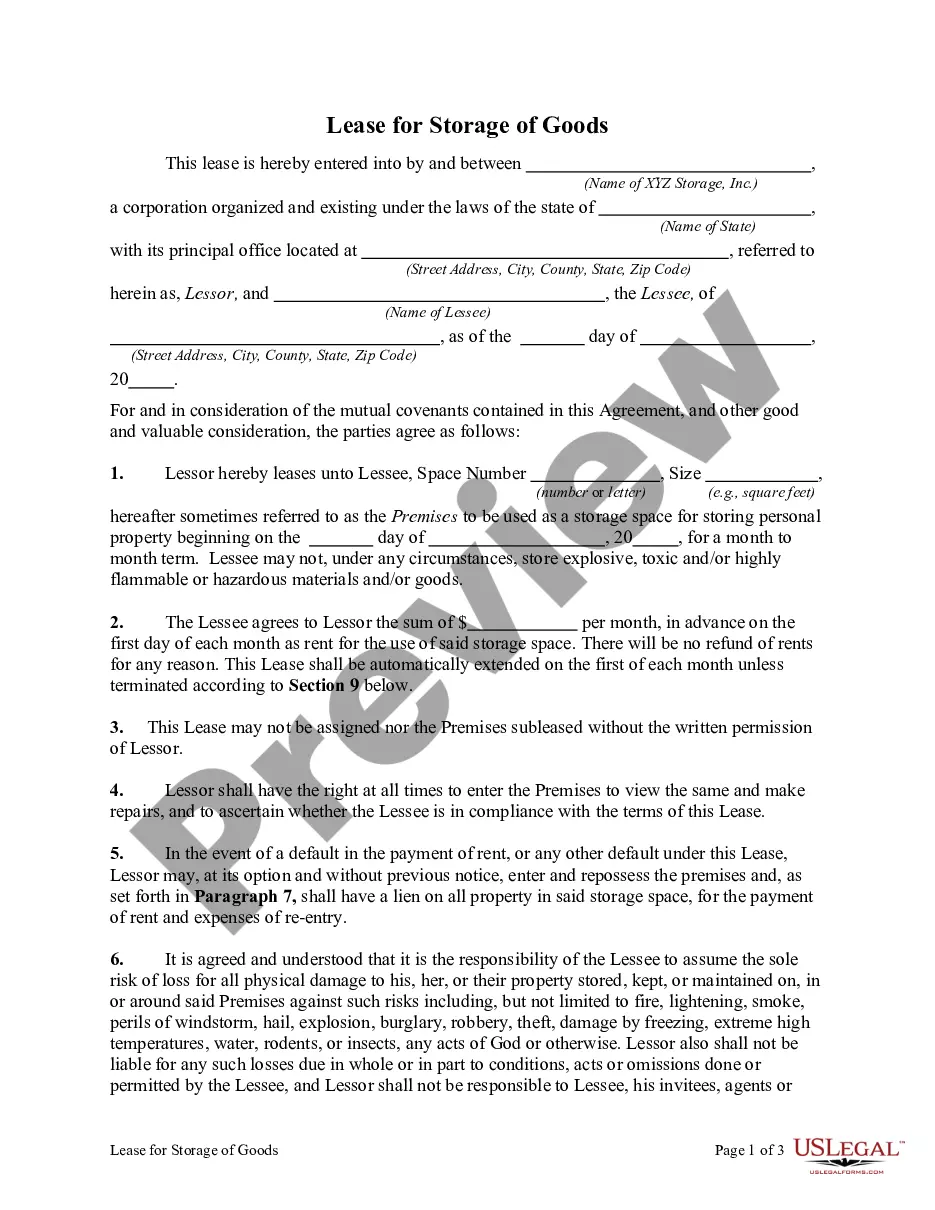
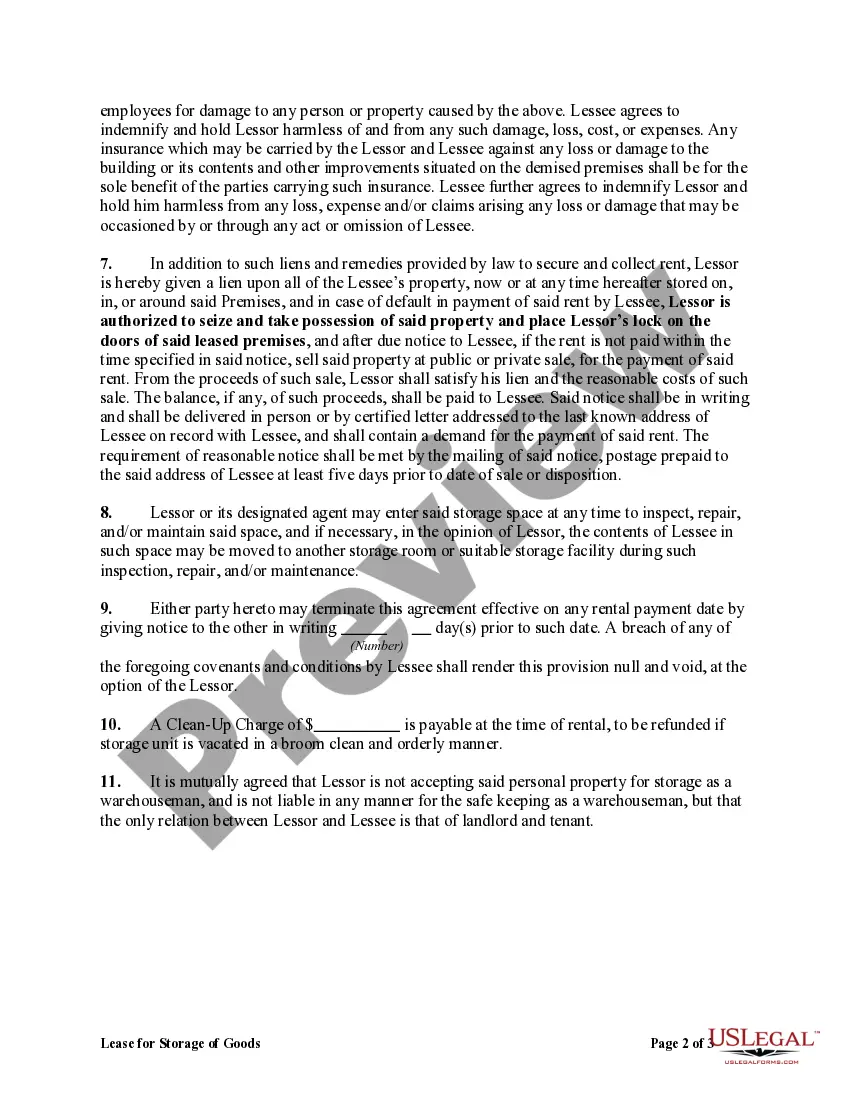
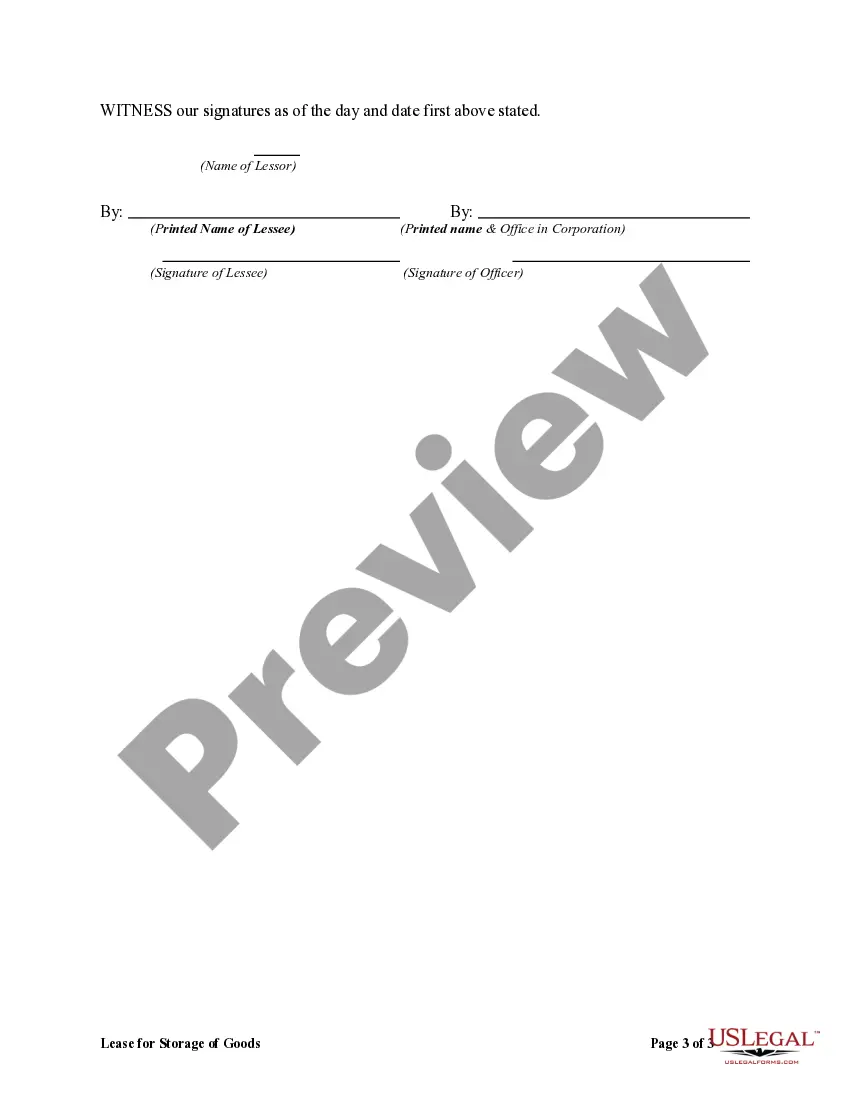
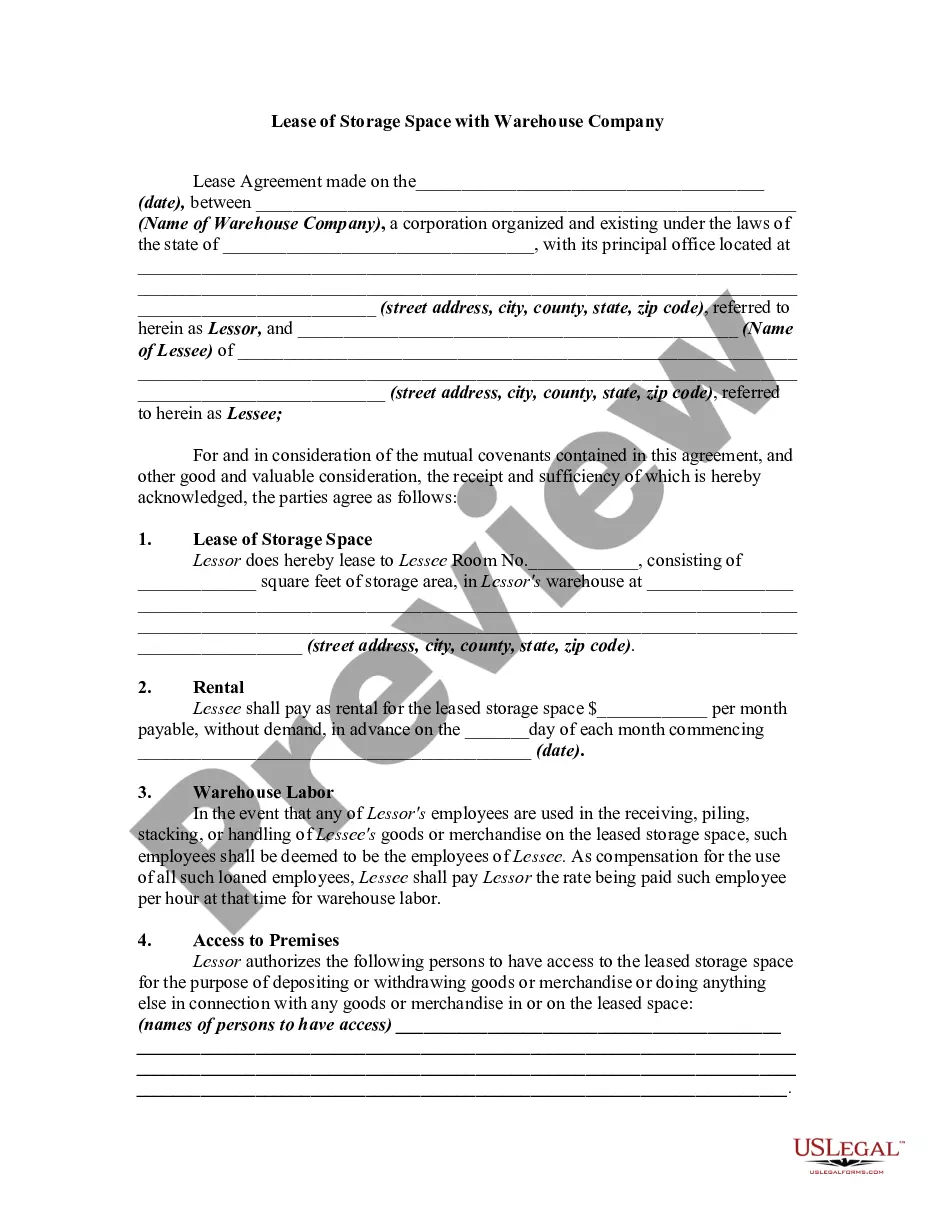
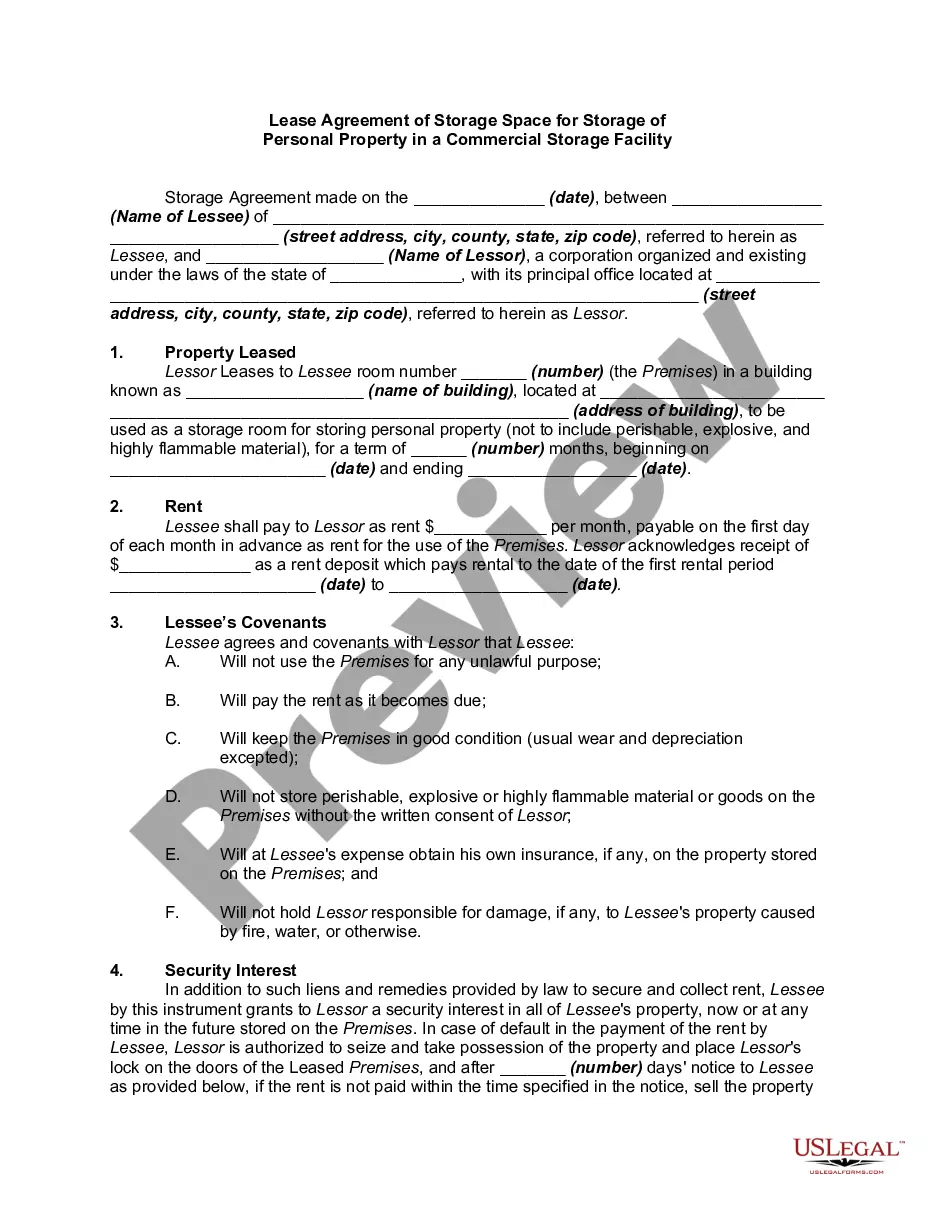
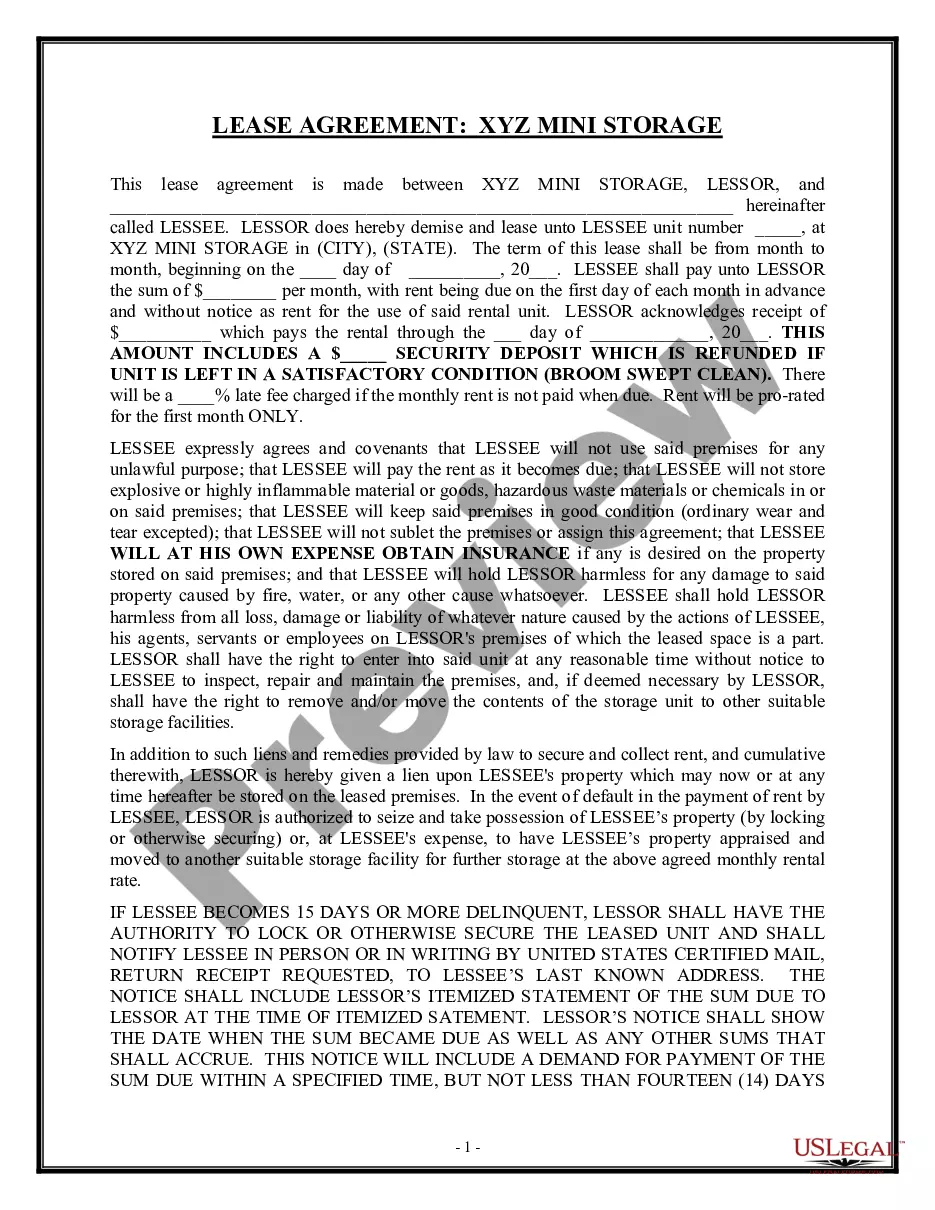
Get your form ready online
Our built-in tools help you complete, sign, share, and store your documents in one place.
Make edits, fill in missing information, and update formatting in US Legal Forms—just like you would in MS Word.
Download a copy, print it, send it by email, or mail it via USPS—whatever works best for your next step.
Sign and collect signatures with our SignNow integration. Send to multiple recipients, set reminders, and more. Go Premium to unlock E-Sign.
If this form requires notarization, complete it online through a secure video call—no need to meet a notary in person or wait for an appointment.
We protect your documents and personal data by following strict security and privacy standards.

Make edits, fill in missing information, and update formatting in US Legal Forms—just like you would in MS Word.

Download a copy, print it, send it by email, or mail it via USPS—whatever works best for your next step.

Sign and collect signatures with our SignNow integration. Send to multiple recipients, set reminders, and more. Go Premium to unlock E-Sign.

If this form requires notarization, complete it online through a secure video call—no need to meet a notary in person or wait for an appointment.

We protect your documents and personal data by following strict security and privacy standards.
Looking for another form?








Form popularity
FAQ
Yes, however, you must give your tenant adequate notice and may not move in until your current tenant leaves.
The landlord must first send a termination notice to the tenant, making clear that the tenancy has been terminated. Terms of the notice vary ing to state law, as do the requirements on delivery of the notice. The tenant may be provided time to remedy the violation, by paying outstanding rent, for example.
Can a landlord break a lease in Nevada? A landlord in Nevada is allowed to break a lease if a tenant intentionally damages the property and/or doesn't comply with the rental agreement, such as not paying rent on time. In either case, a landlord is required to give notice to a tenant.
Yes, it's possible for a landlord to break a rent-to-own contract, but it usually happens for specific reasons. For example, if the landlord is facing difficulties managing the property, they may seek professional assistance.
Unlike a Nevada rental application, a Nevada lease agreement is a legal contract between a Nevada landlord (lessor) and a prospective tenant (lessee) that outlines the terms and conditions for tenancy in Nevada. It provides clarity and protects the rights of both parties involved.
There is a right of publicity in the name, voice, signature, photograph or likeness of every person. The right endures for a term consisting of the life of the person and 50 years after his or her death, regardless of whether the person commercially exploits the right during his or her lifetime.
Nevada law requires a thirty-day notice to the tenant (or a seven-day notice if the tenant pays rent weekly), followed by a second five-day Notice to Quit for Unlawful Detainer (after the first notice period has elapsed) instructing the tenant to leave because tenant's presence is now unlawful.
All remote sellers and marketplace facilitators that have gross revenue from retail sales greater than $100,000 or 200 or more retail sales in the prior or current year are required to collect and remit Nevada sales and use tax.
In Nevada, clothing is generally taxable at the general state and local rate, resulting in a possible total sales tax of up to 8.375%. Clothing items priced at lower than $110 are, however, exempt from this tax.
