Partition Settlement Agreement With Sale In Wayne
Description


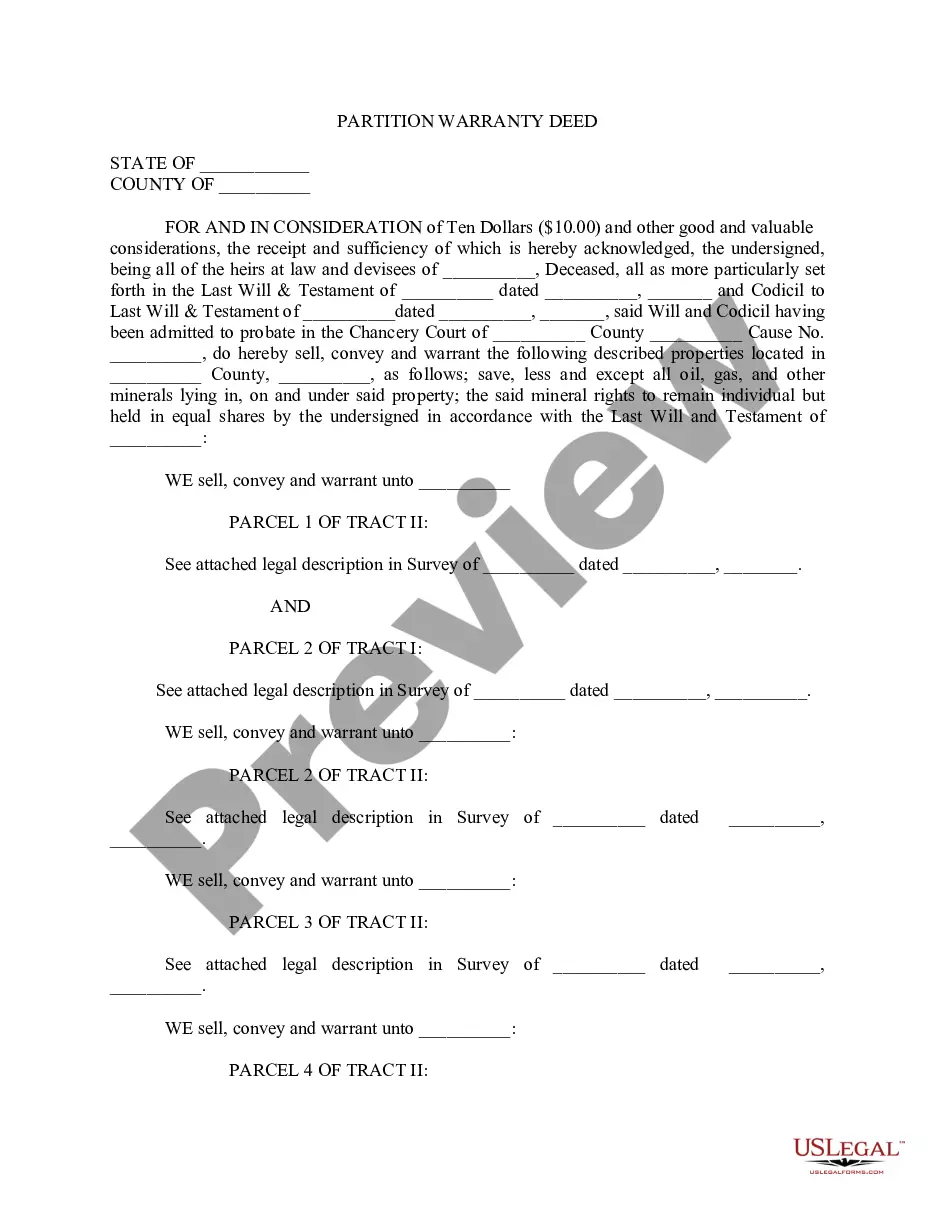
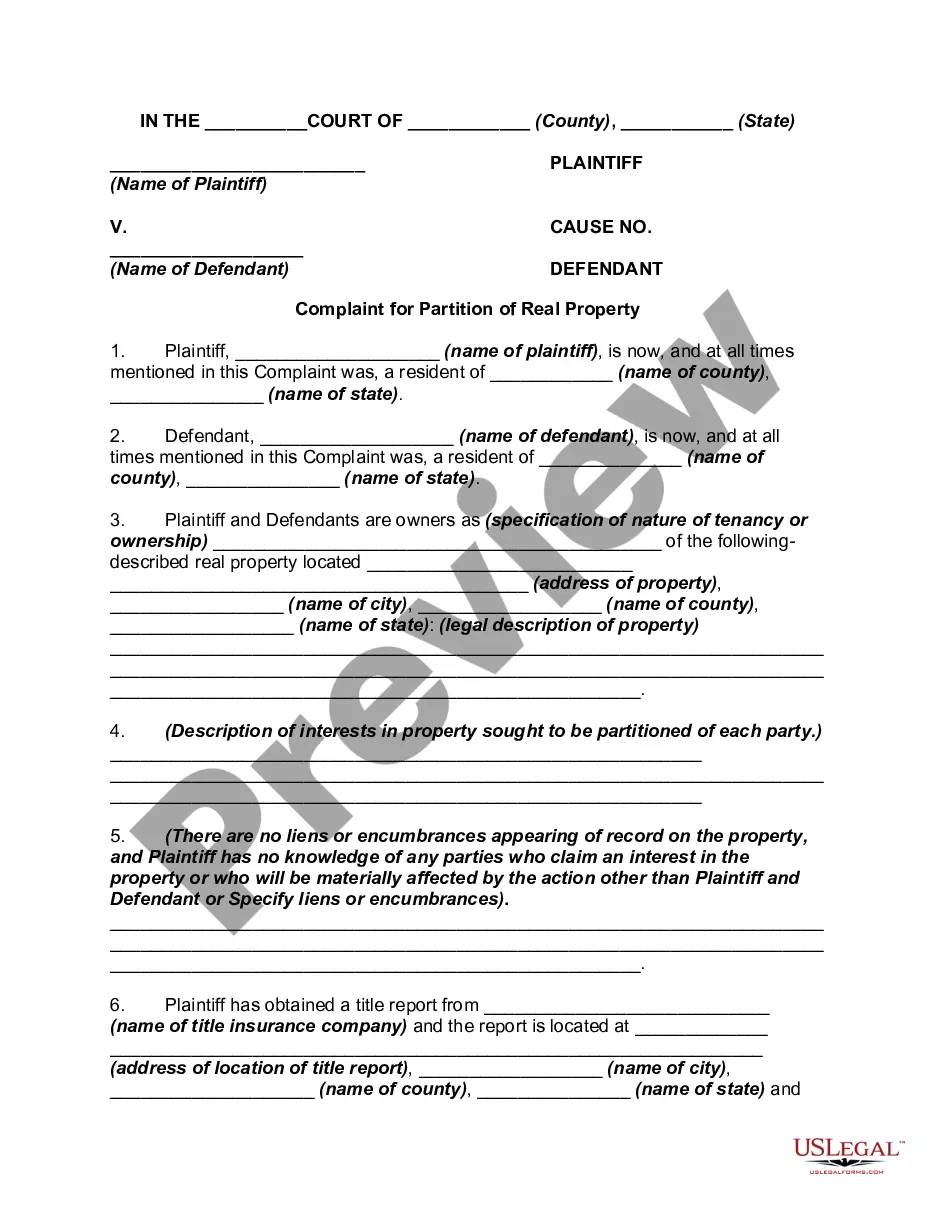
Get your form ready online
Our built-in tools help you complete, sign, share, and store your documents in one place.
Make edits, fill in missing information, and update formatting in US Legal Forms—just like you would in MS Word.
Download a copy, print it, send it by email, or mail it via USPS—whatever works best for your next step.
Sign and collect signatures with our SignNow integration. Send to multiple recipients, set reminders, and more. Go Premium to unlock E-Sign.
If this form requires notarization, complete it online through a secure video call—no need to meet a notary in person or wait for an appointment.
We protect your documents and personal data by following strict security and privacy standards.

Make edits, fill in missing information, and update formatting in US Legal Forms—just like you would in MS Word.

Download a copy, print it, send it by email, or mail it via USPS—whatever works best for your next step.

Sign and collect signatures with our SignNow integration. Send to multiple recipients, set reminders, and more. Go Premium to unlock E-Sign.

If this form requires notarization, complete it online through a secure video call—no need to meet a notary in person or wait for an appointment.

We protect your documents and personal data by following strict security and privacy standards.
Looking for another form?







Form popularity
FAQ
A partition action usually takes between six to nine months depending on the circumstances and the complexity of each case. The most significant factor is whether the partition is being handled by an attorney who practices only in partition law.
The length of a partition action can vary depending on the complexity of the case and whether the co-owners are able to reach an agreement. In general as with any litigation, the process can take several months to a year or more.
The owner who no longer wants ownership of the property can ask the court to force a sale in lieu of partition. Rather than continuing to co-own the property, the court can force the owners to put the house up for sale.
The party seeking the partition action can ask the court to award them attorney's fees and costs from the opposing party or from the proceeds from the sale of the property. The parties also may be able to recover payments they had made that were in addition to their ownership interest.
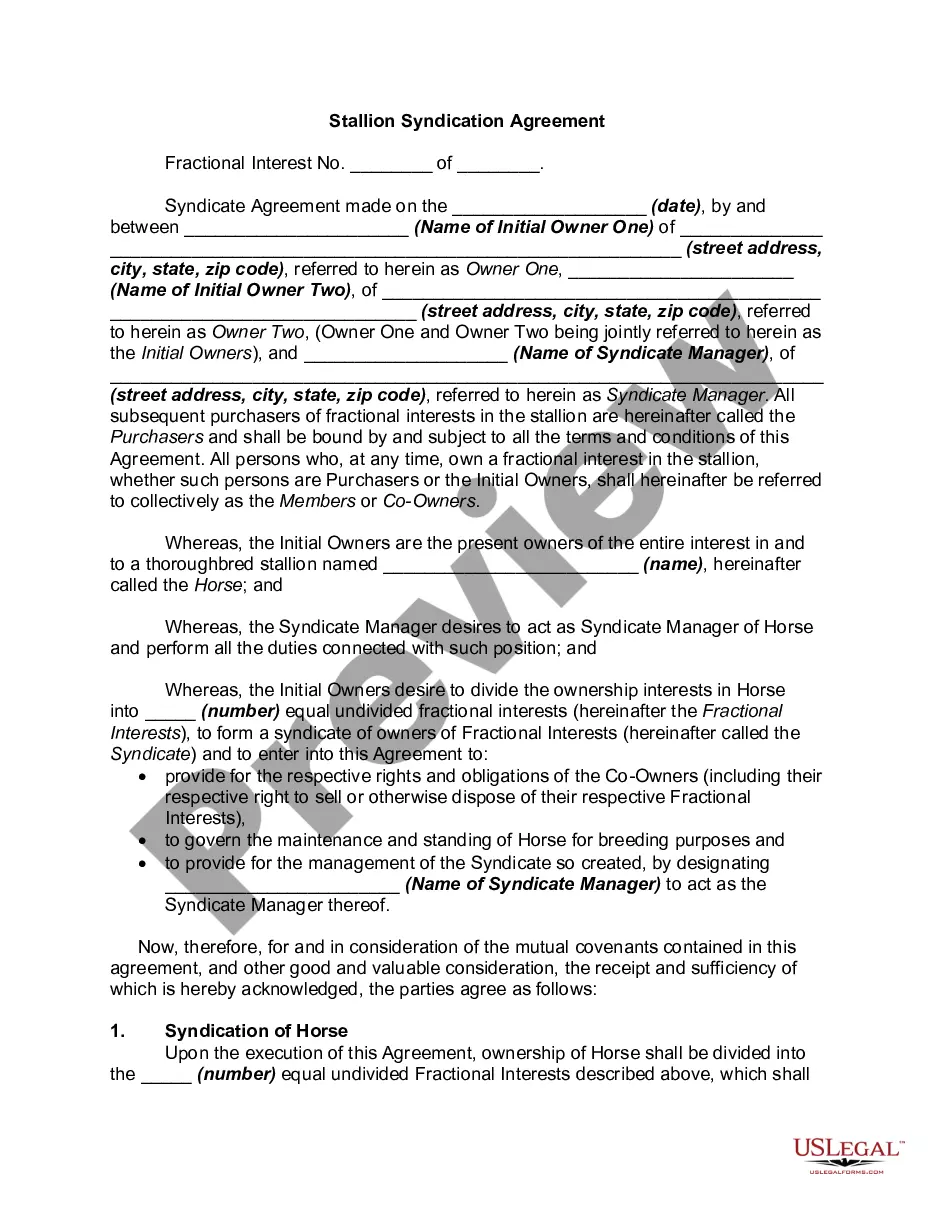
A partition action is a lawsuit that can be filed to divide or sell a property by court order when it is owned by more than one person who have agreed to fair and equitable division of the property.
The California Law Civil Procedure Code section 872.210 states anyone who wants to dissolve ownership that is jointly owned with another person has a legal right to sell his/her interest if desired. Eligibility for Partitions are: Inheritance that is usually family members who inherit real and personal property.
