Texas Partition Agreement With Canada In Virginia
Description


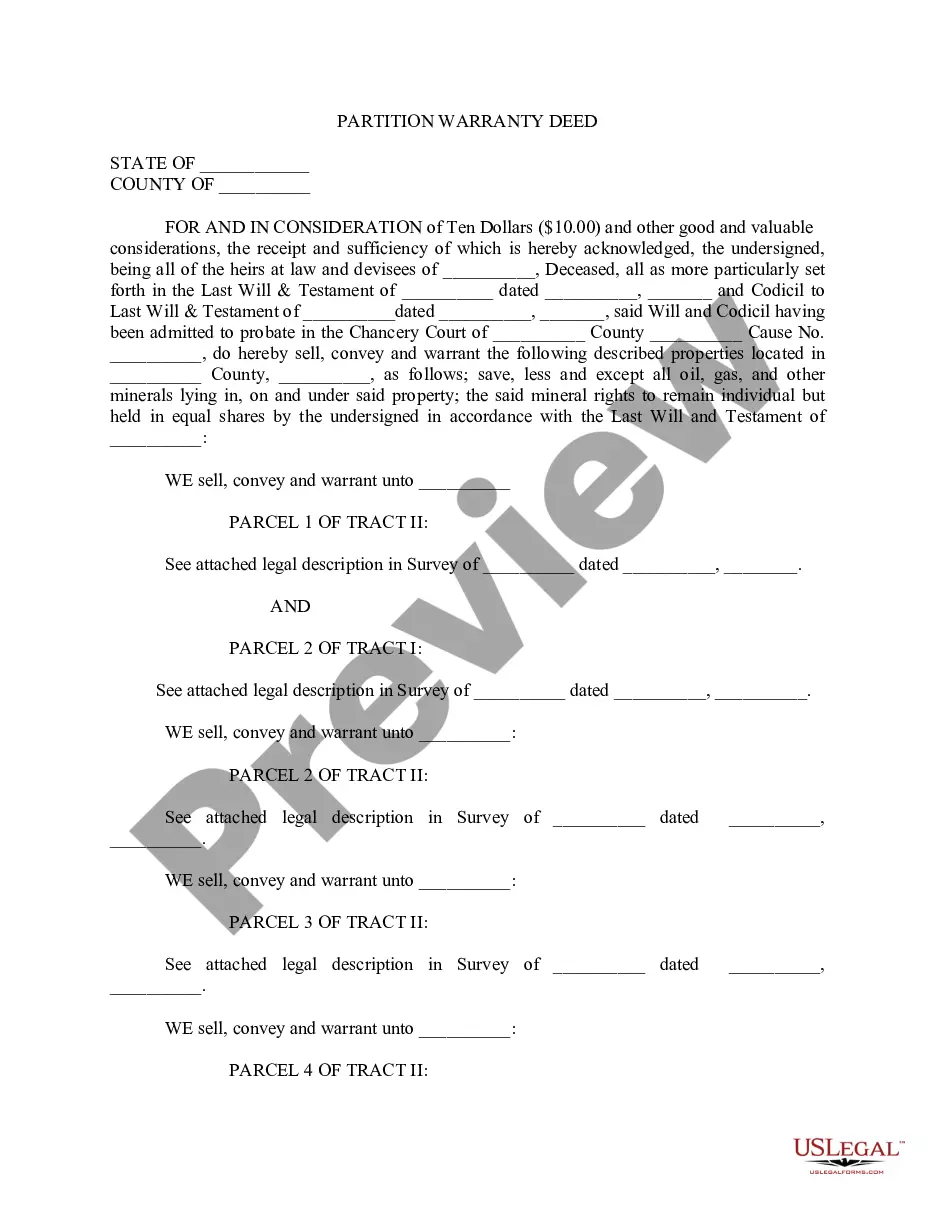
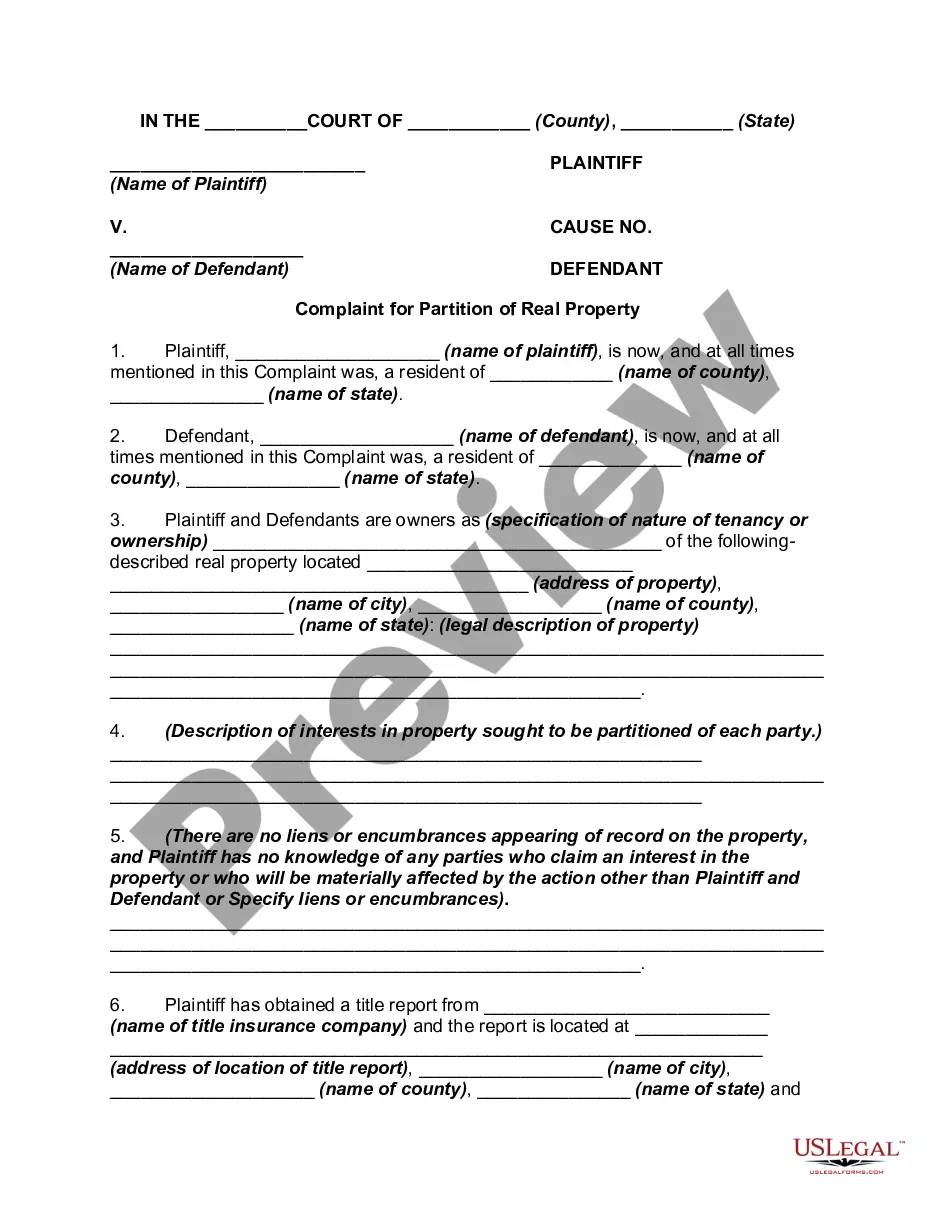
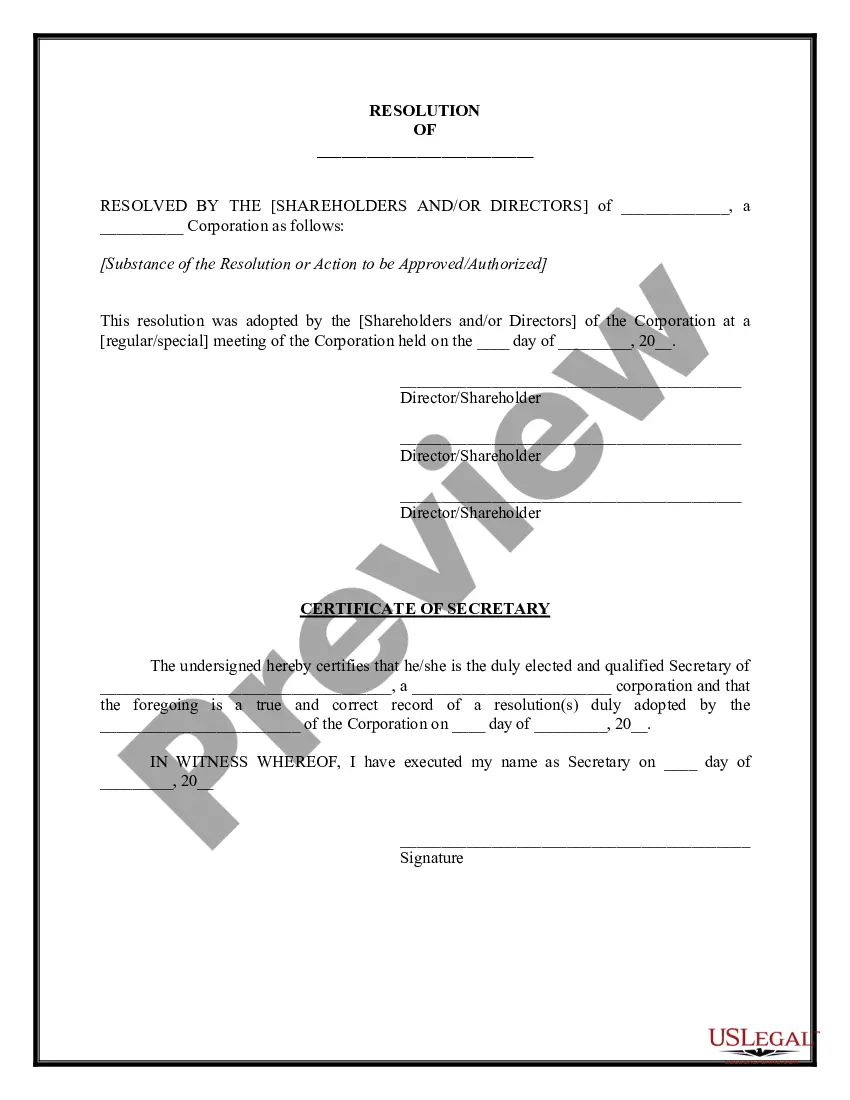
Get your form ready online
Our built-in tools help you complete, sign, share, and store your documents in one place.
Make edits, fill in missing information, and update formatting in US Legal Forms—just like you would in MS Word.
Download a copy, print it, send it by email, or mail it via USPS—whatever works best for your next step.
Sign and collect signatures with our SignNow integration. Send to multiple recipients, set reminders, and more. Go Premium to unlock E-Sign.
If this form requires notarization, complete it online through a secure video call—no need to meet a notary in person or wait for an appointment.
We protect your documents and personal data by following strict security and privacy standards.

Make edits, fill in missing information, and update formatting in US Legal Forms—just like you would in MS Word.

Download a copy, print it, send it by email, or mail it via USPS—whatever works best for your next step.

Sign and collect signatures with our SignNow integration. Send to multiple recipients, set reminders, and more. Go Premium to unlock E-Sign.

If this form requires notarization, complete it online through a secure video call—no need to meet a notary in person or wait for an appointment.

We protect your documents and personal data by following strict security and privacy standards.
Looking for another form?








Form popularity
FAQ
To initiate a partition lawsuit in Virginia, a co-owner must file a complaint in the circuit court of the city or county where the property is located. The complaint should outline the details of the co-ownership, the nature of the dispute, and the requested relief (division or sale).
A partition agreement divides, or partitions, a married couple's community estate into two separate estates. It is sometimes called a post-nuptial or post-marital agreement and is similar to a prenuptial agreement, except that it is executed by a married couple.
If one owner wants to sell a jointly owned property but the other owner(s) refuse, the party seeking to sell can file a partition action. This legal procedure allows a court to intervene and force the sale of the property, dividing the proceeds among the owners ing to their ownership interests.
The process of partition action starts with one or more owners filing a petition in court. The court then examines the real estate details and the owners' interests to decide on the best division method.
If the court orders partition in kind, the court shall allocate to the parties that are unknown, unlocatable, or the subject of a default judgment a part of the property representing the combined interests of such parties as determined by the court, and such part of the property shall remain undivided.
