Partition Settlement Agreement With Confidentiality Clause In Virginia
Description

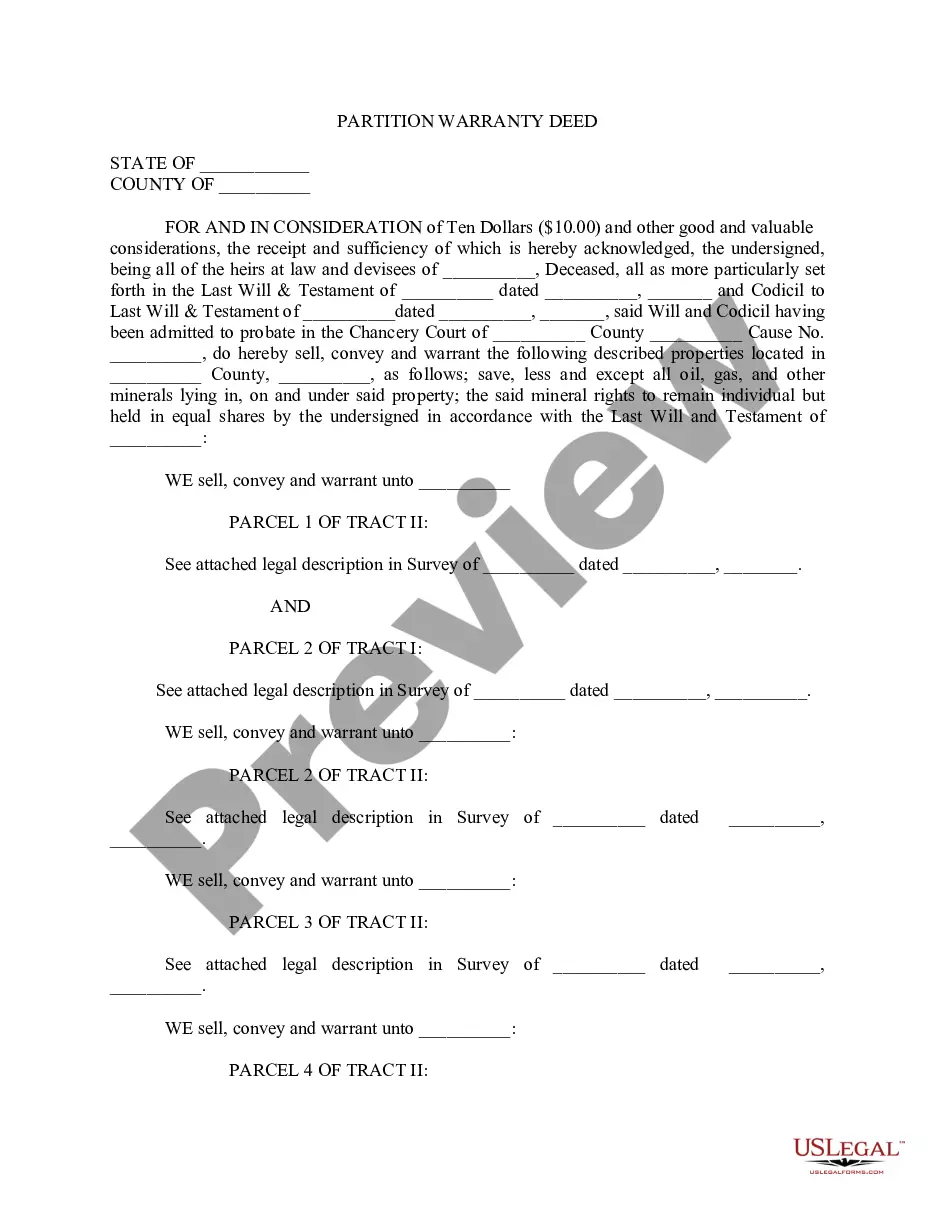
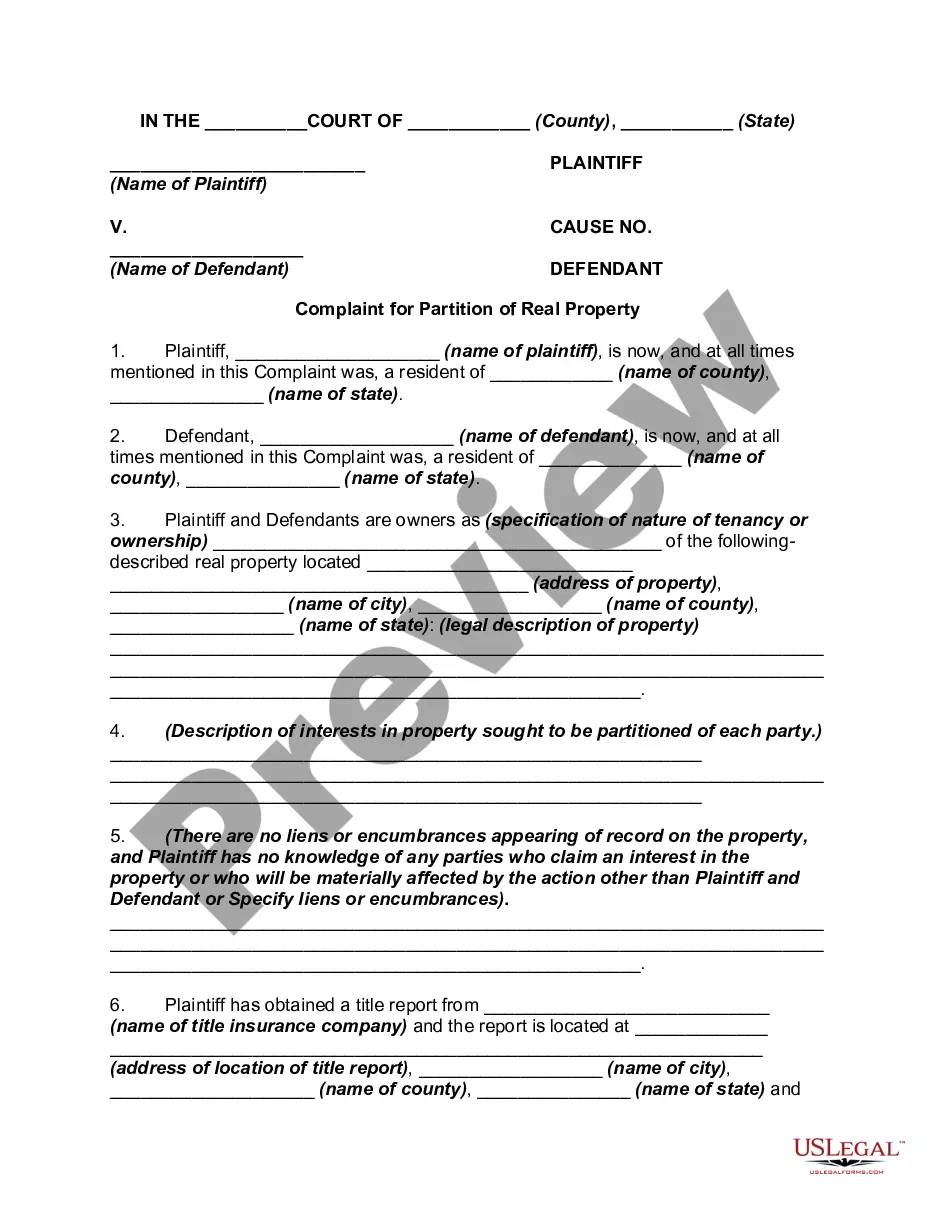
Get your form ready online
Our built-in tools help you complete, sign, share, and store your documents in one place.
Make edits, fill in missing information, and update formatting in US Legal Forms—just like you would in MS Word.
Download a copy, print it, send it by email, or mail it via USPS—whatever works best for your next step.
Sign and collect signatures with our SignNow integration. Send to multiple recipients, set reminders, and more. Go Premium to unlock E-Sign.
If this form requires notarization, complete it online through a secure video call—no need to meet a notary in person or wait for an appointment.
We protect your documents and personal data by following strict security and privacy standards.

Make edits, fill in missing information, and update formatting in US Legal Forms—just like you would in MS Word.

Download a copy, print it, send it by email, or mail it via USPS—whatever works best for your next step.

Sign and collect signatures with our SignNow integration. Send to multiple recipients, set reminders, and more. Go Premium to unlock E-Sign.

If this form requires notarization, complete it online through a secure video call—no need to meet a notary in person or wait for an appointment.

We protect your documents and personal data by following strict security and privacy standards.
Looking for another form?




Form popularity
FAQ
For a non-disclosure agreement to hold up in court, the information it stated as confidential must remain as such. If the disclosing party shares that information with others, the validity of the NDA may be challenged.
In California, confidentiality of terms and existence of a settlement can be maintained. Generally, there is a presumption of allowing public access to court records. But in certain cases, such documents can be sealed.
NDAs, or non-disclosure agreements, are legally enforceable contracts that create a confidential relationship between a person who has sensitive information and a person who will gain access to that information. A confidential relationship means one or both parties has a duty not to share that information.
Each party receiving confidential information shall hold such information in confidence and shall not disclose it to any third party nor to the public without the prior written authorization from the party providing that information, except to fulfill obligations under agreements between the parties, or to fulfill ...
Settlement negotiations play a key role in legal disputes. They can be a quick and efficient way to resolve or avoid a lawsuit. Generally, if you're negotiating a settlement and it doesn't work out, those talks are confidential and can't be used in court.
Defendants often prefer confidentiality clauses so external parties aren't aware of their situations. They might not want their reputations damaged or details of their finances made public. While these clauses provide privacy and security to all parties involved in the case, they aren't always the best option.
Confidentiality clauses often survive termination to protect sensitive information shared during the contract's duration.
A confidentiality clause can limit your ability to discuss the settlement publicly or share your experience in the future, such as in interviews, books, or media, so it's important to consider how this might affect your personal or professional life.
There are three main stages of reaching a settlement with the other parties involved in your case: initial investigation, making settlement demands, and reaching a settlement agreement.
An arrangement or adjustment, as of business affairs or a disagreement. an agreement signed after labor negotiations between union and management. the terms reached in this agreement. the settling of persons in a new country or place.
