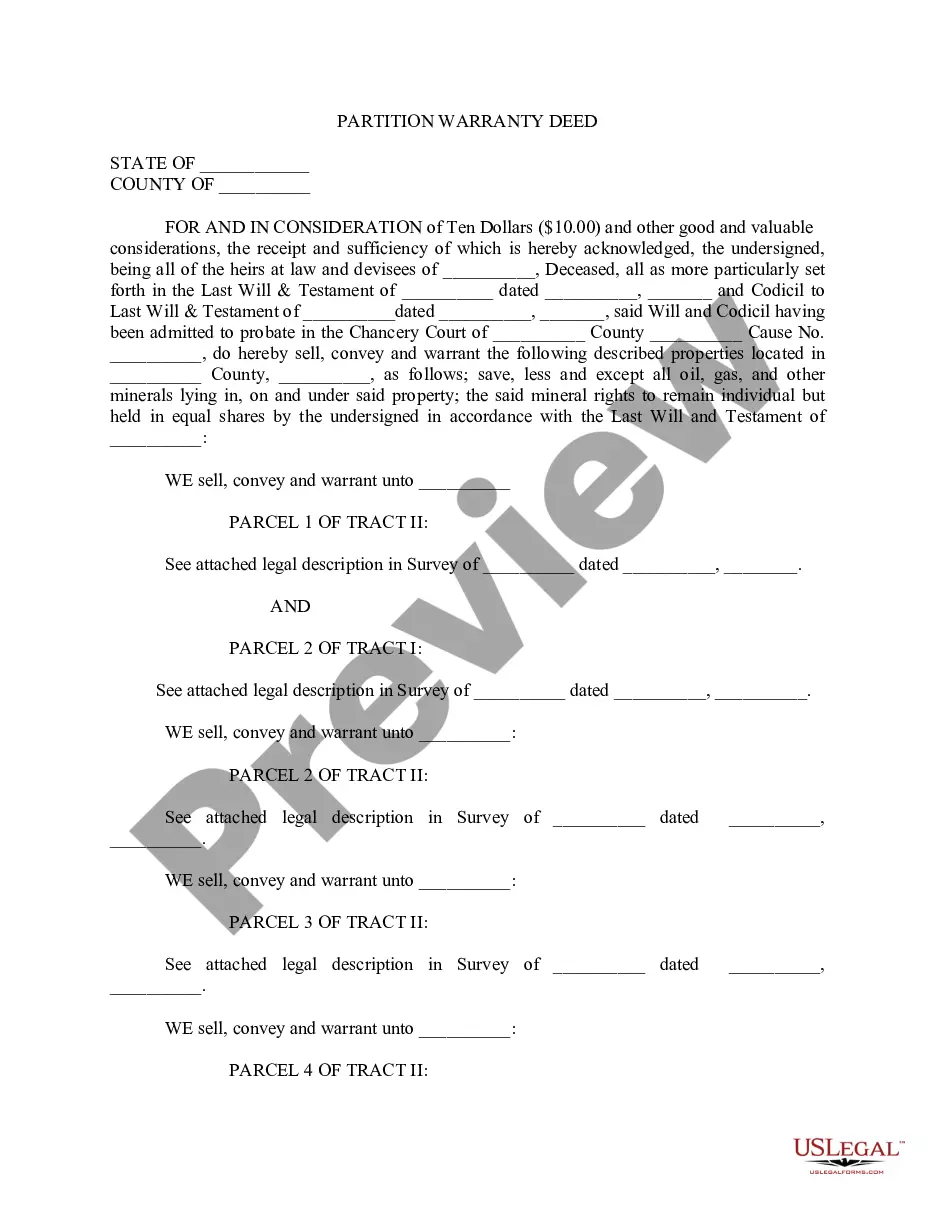
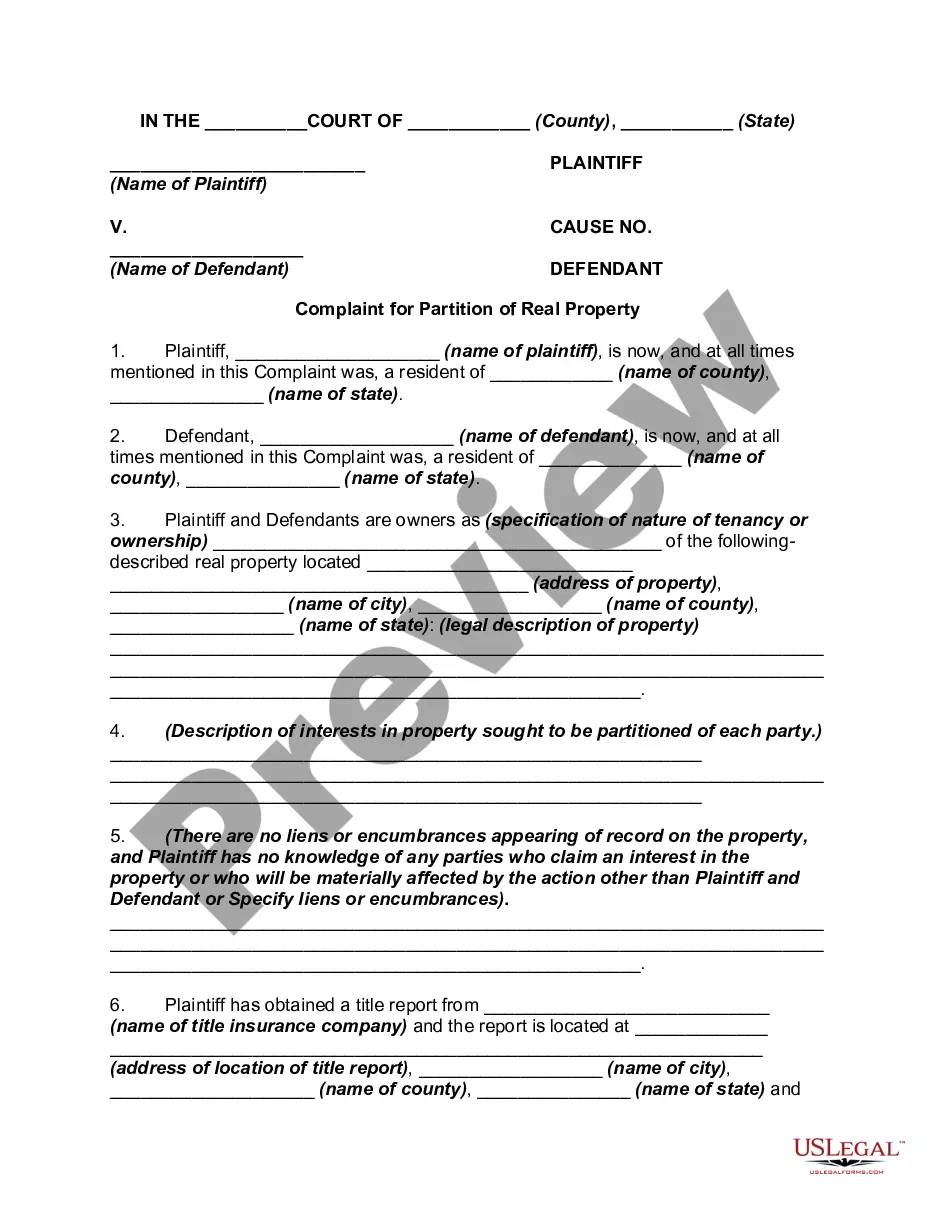
Partition Settlement Agreement With Waiver Of Rights In San Diego
Description

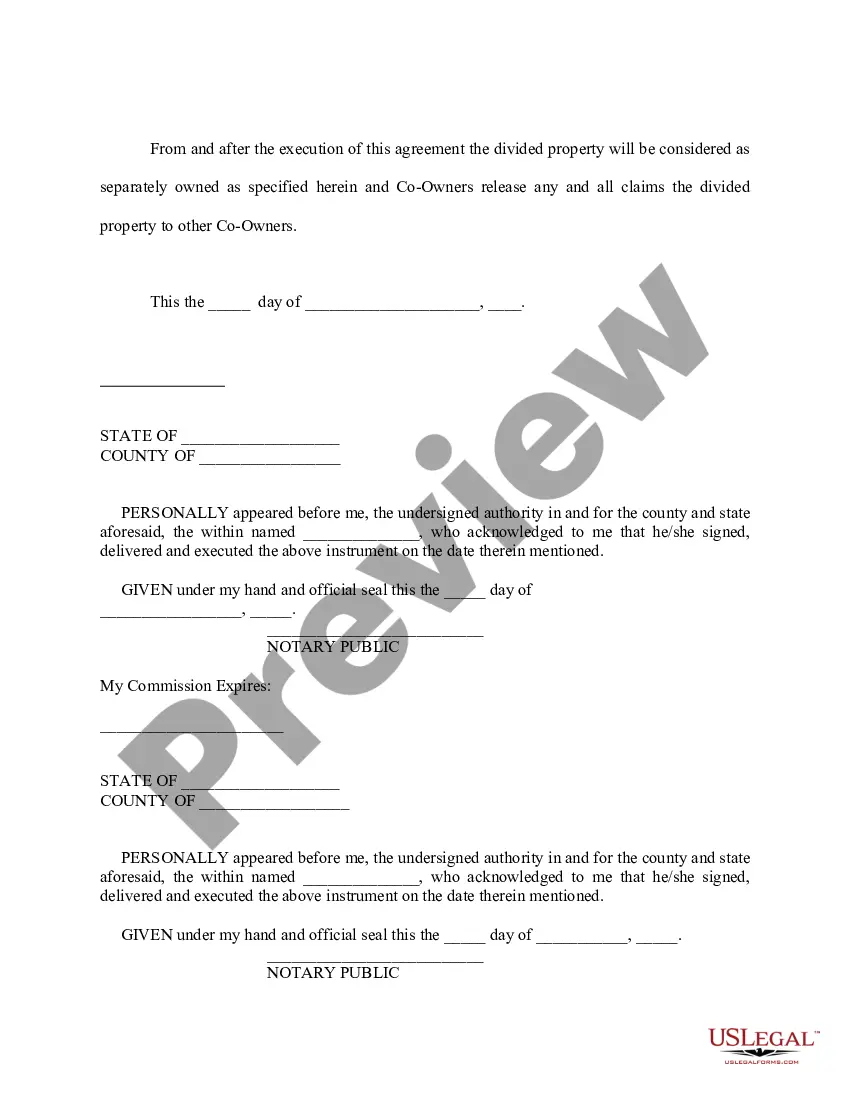
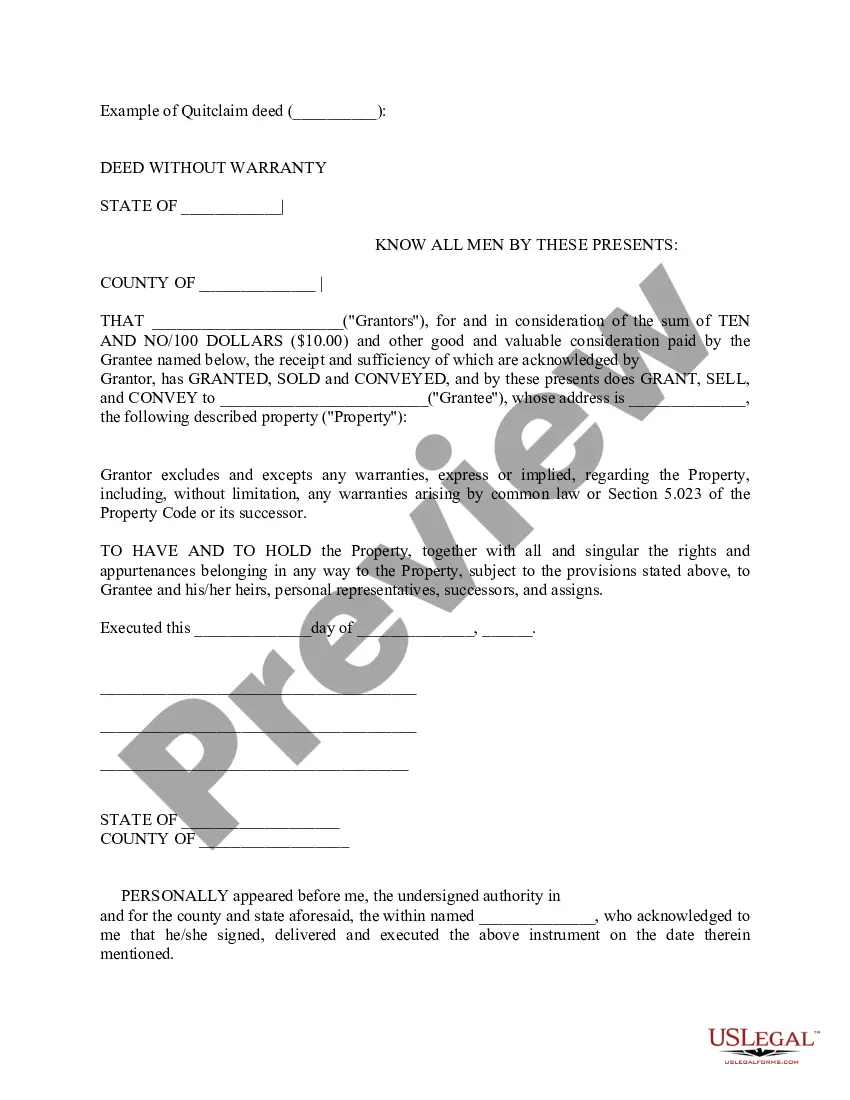

Get your form ready online
Our built-in tools help you complete, sign, share, and store your documents in one place.
Make edits, fill in missing information, and update formatting in US Legal Forms—just like you would in MS Word.
Download a copy, print it, send it by email, or mail it via USPS—whatever works best for your next step.
Sign and collect signatures with our SignNow integration. Send to multiple recipients, set reminders, and more. Go Premium to unlock E-Sign.
If this form requires notarization, complete it online through a secure video call—no need to meet a notary in person or wait for an appointment.
We protect your documents and personal data by following strict security and privacy standards.

Make edits, fill in missing information, and update formatting in US Legal Forms—just like you would in MS Word.

Download a copy, print it, send it by email, or mail it via USPS—whatever works best for your next step.

Sign and collect signatures with our SignNow integration. Send to multiple recipients, set reminders, and more. Go Premium to unlock E-Sign.

If this form requires notarization, complete it online through a secure video call—no need to meet a notary in person or wait for an appointment.

We protect your documents and personal data by following strict security and privacy standards.
Looking for another form?



Form popularity
FAQ
Self-defense , entrapment , insanity , necessity , and respondeat superior are some examples of affirmative defenses. Under the Federal Rules of Civil Procedure Rule 56 , any party may make a motion for summary judgment on an affirmative defense.
An affirmative defense is a defense that brings up new facts or issues not in the Complaint that, if true, would be a legal reason why the plaintiff should not win, or should win less than they're asking for. It is not a denial that you did what the plaintiff says you did.
These defenses include arguments like laches, estoppel, and unclean hands. For example: Laches: Asserts that the plaintiff unreasonably delayed in bringing the action, causing prejudice to the defendant. Estoppel: Prevents the plaintiff from asserting claims inconsistent with their previous actions or statements.
These defenses include arguments like laches, estoppel, and unclean hands. For example: Laches: Asserts that the plaintiff unreasonably delayed in bringing the action, causing prejudice to the defendant. Estoppel: Prevents the plaintiff from asserting claims inconsistent with their previous actions or statements.
Here are three of the most popular strategies defendants will use to stop someone from selling jointly owned real estate: Review contractual agreements. Sell your share to another co-owner. Secure a buyout of your co-owner's share.
The California partition statutes explain that “partition as to…the property shall be as of right unless barred by a valid waiver.” “'Waiver' means the intentional relinquishment or abandonment of a known right.
How Long Does a Partition Action Take? While most lawsuits in California are supposed to take two years or more, there are a number of steps that an experienced partition lawyer can take to ensure that a partition action takes in less time.
Here is an overview on how a partition action will play out in court. The party who wishes to initiate the action (the “Plaintiff”) must file a verified complaint for partition. The court will first determine the ownership interests of each of the co-owners.
Hourly rates in California by practice area Practice AreaAverage Hourly Rate Criminal $325 Elder Law $365 Employment Labor $381 Family $36827 more rows
A partition action is filed in the Court by submitting a "complaint" that complies with all of the requirements of the Code of Civil Procedure. In California, almost all of the partition actions are filed by attorneys on behalf of parties because there are a number of technical legal requirements for filing a lawsuit.
