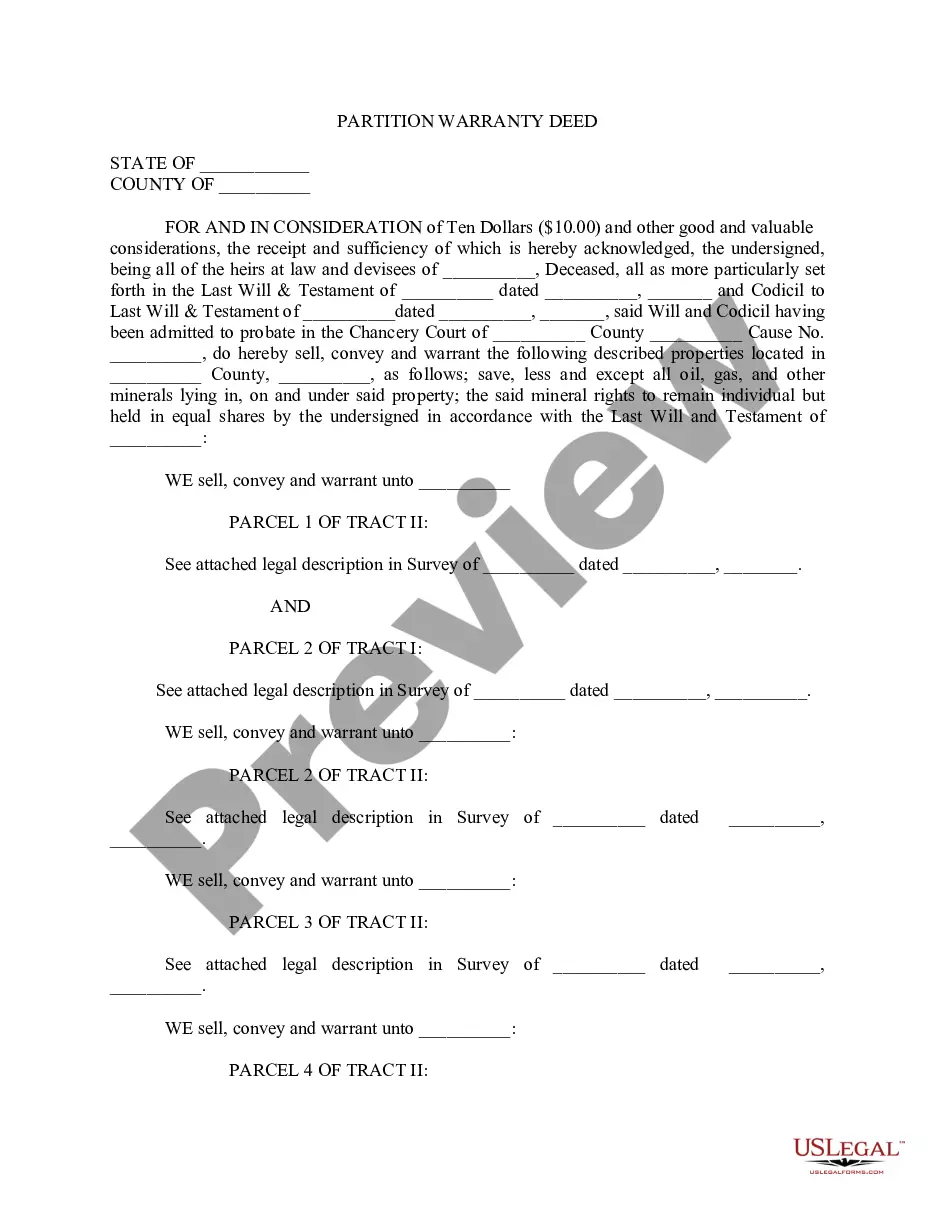
Partition Agreement Of Property In Maricopa
Description

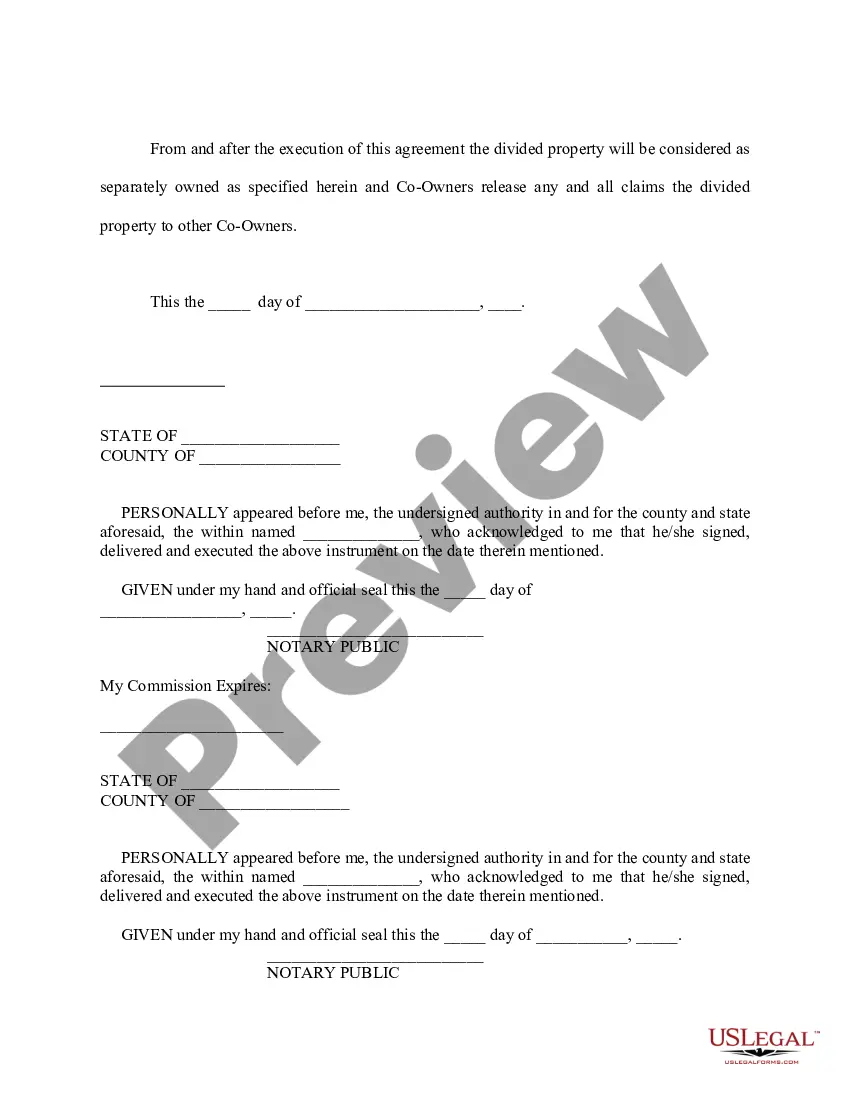
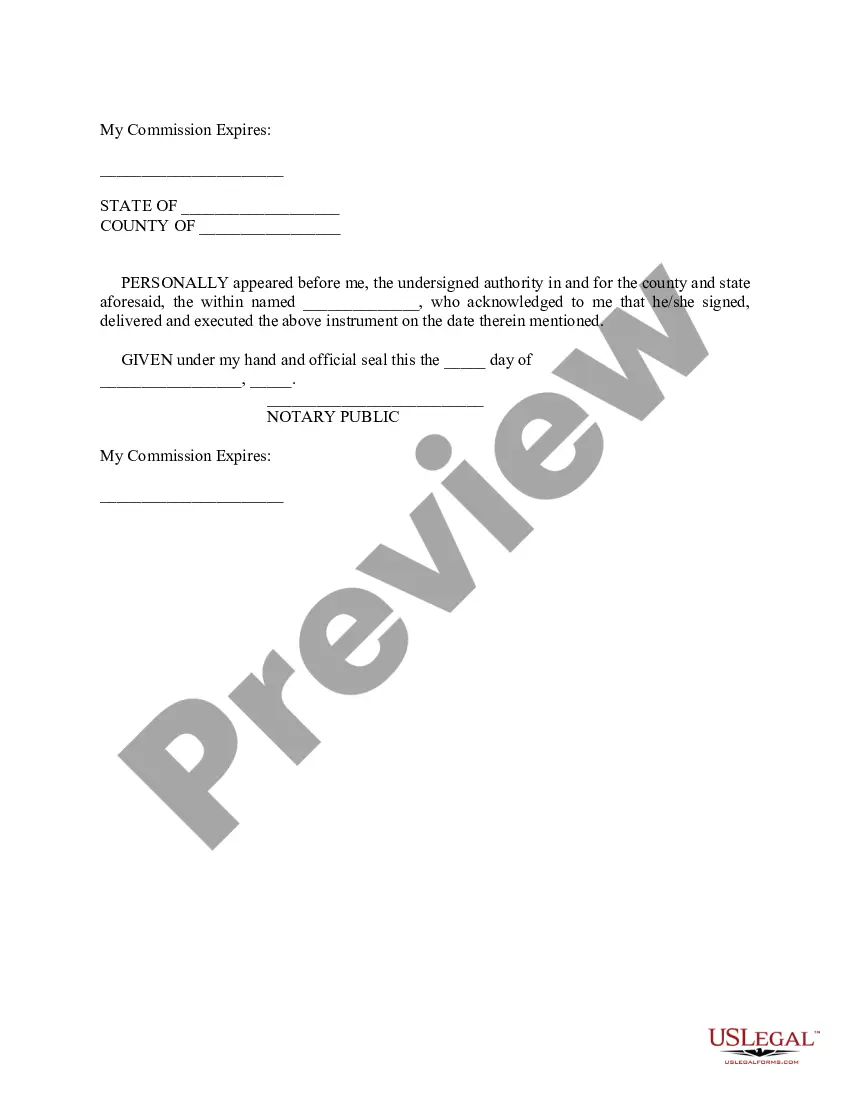
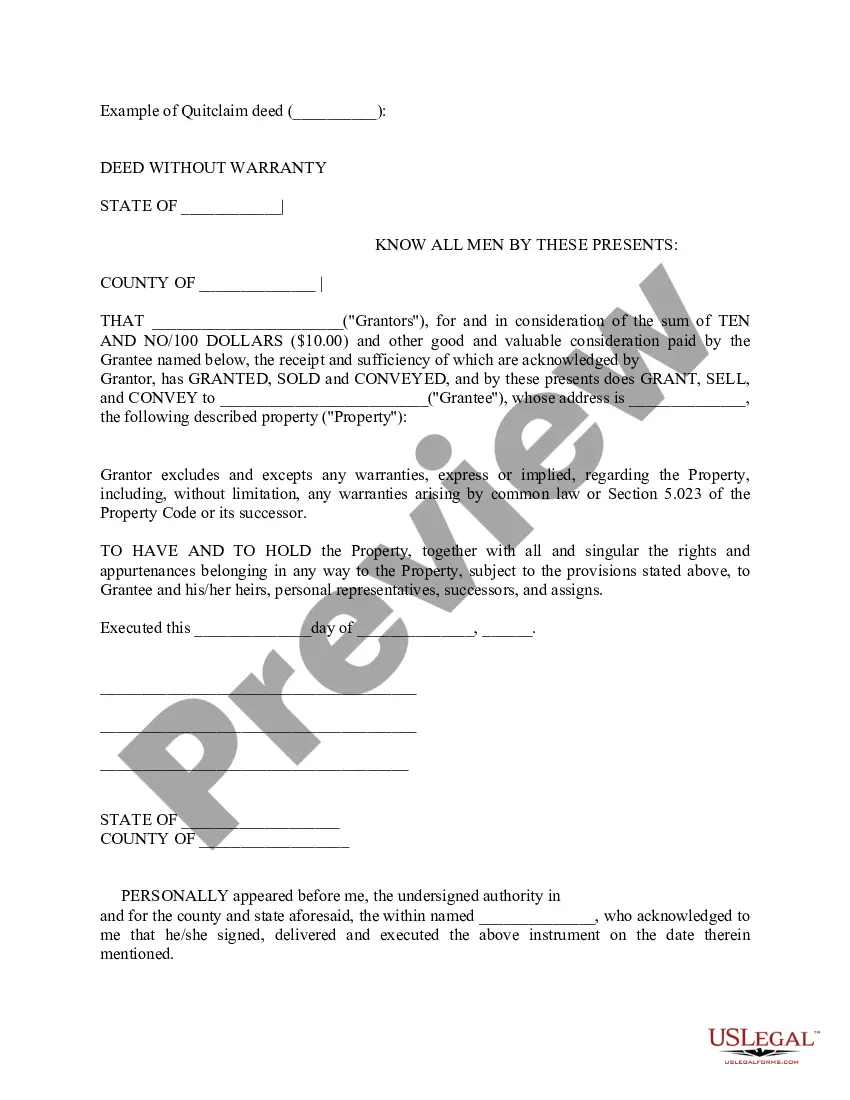
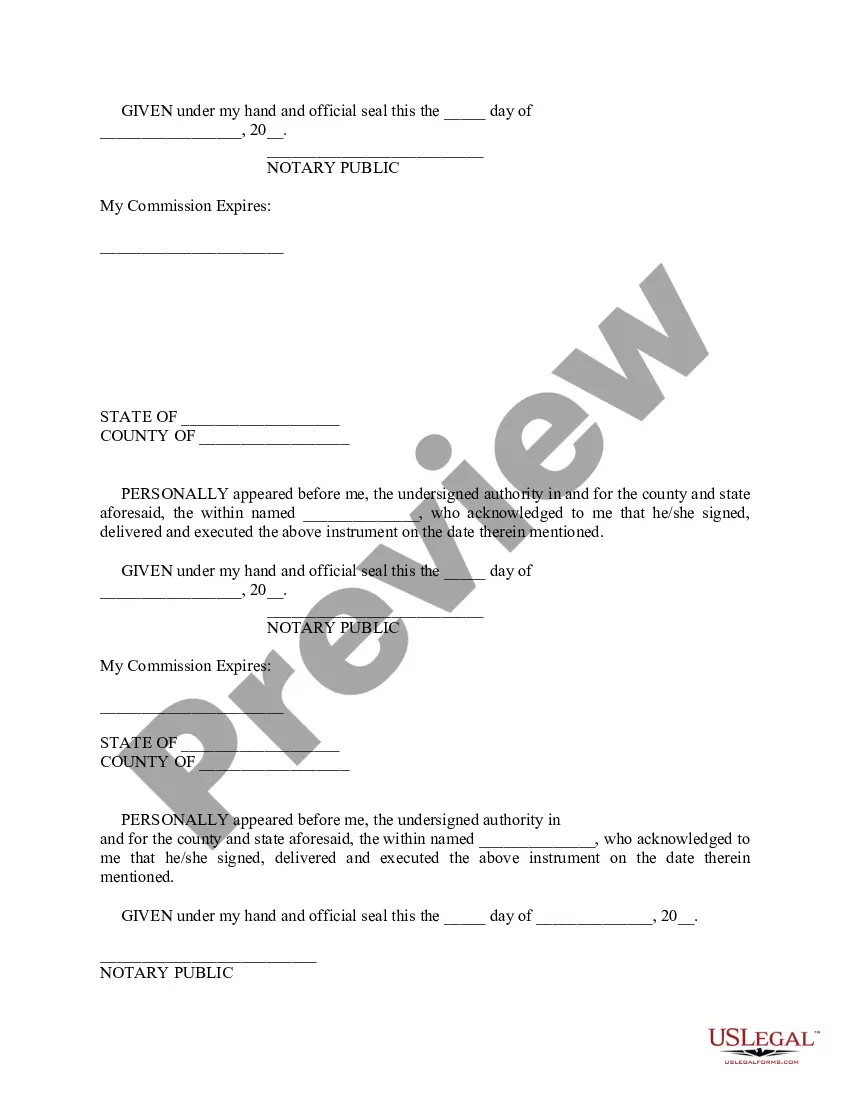

Get your form ready online
Our built-in tools help you complete, sign, share, and store your documents in one place.
Make edits, fill in missing information, and update formatting in US Legal Forms—just like you would in MS Word.
Download a copy, print it, send it by email, or mail it via USPS—whatever works best for your next step.
Sign and collect signatures with our SignNow integration. Send to multiple recipients, set reminders, and more. Go Premium to unlock E-Sign.
If this form requires notarization, complete it online through a secure video call—no need to meet a notary in person or wait for an appointment.
We protect your documents and personal data by following strict security and privacy standards.

Make edits, fill in missing information, and update formatting in US Legal Forms—just like you would in MS Word.

Download a copy, print it, send it by email, or mail it via USPS—whatever works best for your next step.

Sign and collect signatures with our SignNow integration. Send to multiple recipients, set reminders, and more. Go Premium to unlock E-Sign.

If this form requires notarization, complete it online through a secure video call—no need to meet a notary in person or wait for an appointment.

We protect your documents and personal data by following strict security and privacy standards.
Looking for another form?





Form popularity
FAQ
First, search by your address or parcel number to locate your property. The current deed will be located under the "Deed Number" under the section "Owner Information". Once you locate your document, you may view an unofficial copy online. Select the colored box under the section "Pages" to view your document.
You will find a recorded deed through the local county government office in which your property is located. The correct office or division will vary from county to county, but it is typically along the lines of your county register, registrar, clerk, or recorder's office.
First, search by your address or parcel number to locate your property. The current deed will be located under the "Deed Number" under the section "Owner Information". Once you locate your document, you may view an unofficial copy online. Select the colored box under the section "Pages" to view your document.
A partition is a term used in the law of real property to describe an act, by a court order or otherwise, to divide up a concurrent estate into separate portions representing the proportionate interests of the owners of property. It is sometimes described as a forced sale.
Luckily, Arizona law provides a solution, called a partition action. In a partition action, the Court can divide, or partition, property by ordering that it be sold, with the net proceeds distributed to the owners in proportion to their individual ownership interests.
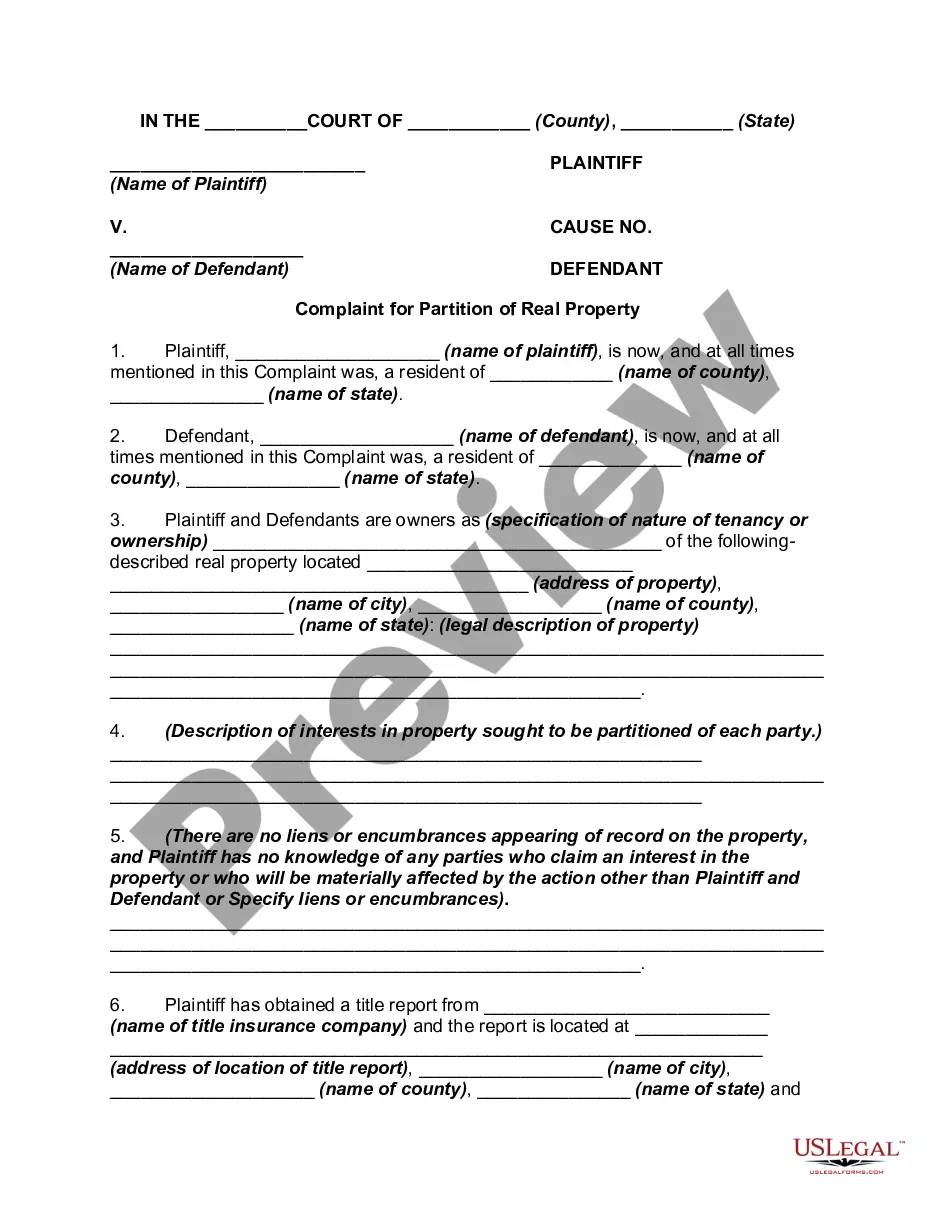
Here is an overview on how a partition action will play out in court. The party who wishes to initiate the action (the “Plaintiff”) must file a verified complaint for partition. The court will first determine the ownership interests of each of the co-owners.
On Jan. 1, 2022, California Senate Bill 9 went into effect with the sole purpose of maximizing housing potential on single-family residential lots. One way is through the lot-split provision, which allows homeowners to split their single-family lot into two separate lots.
A California partition action happens when one co-owner of real property wants to sell but other co-owners do not want to sell their ownership rights. Partition means division. The opposing co-owners have the absolute right by law to divide the property and sell their portion with the legal remedy of “Partition”.
How Long Does a Partition Action Take? While most lawsuits in California are supposed to take two years or more, there are a number of steps that an experienced partition lawyer can take to ensure that a partition action takes in less time.
