Sample Partition Agreement With Waiver Of Rights In Georgia
Description

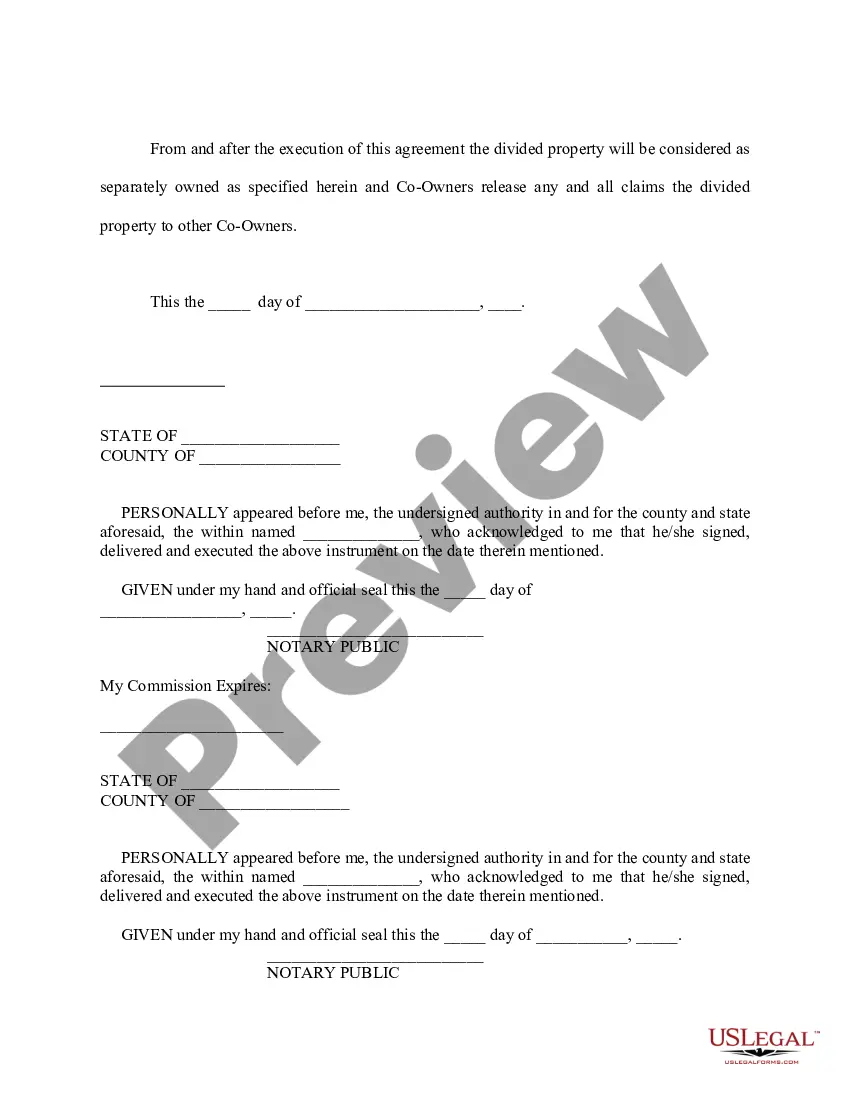
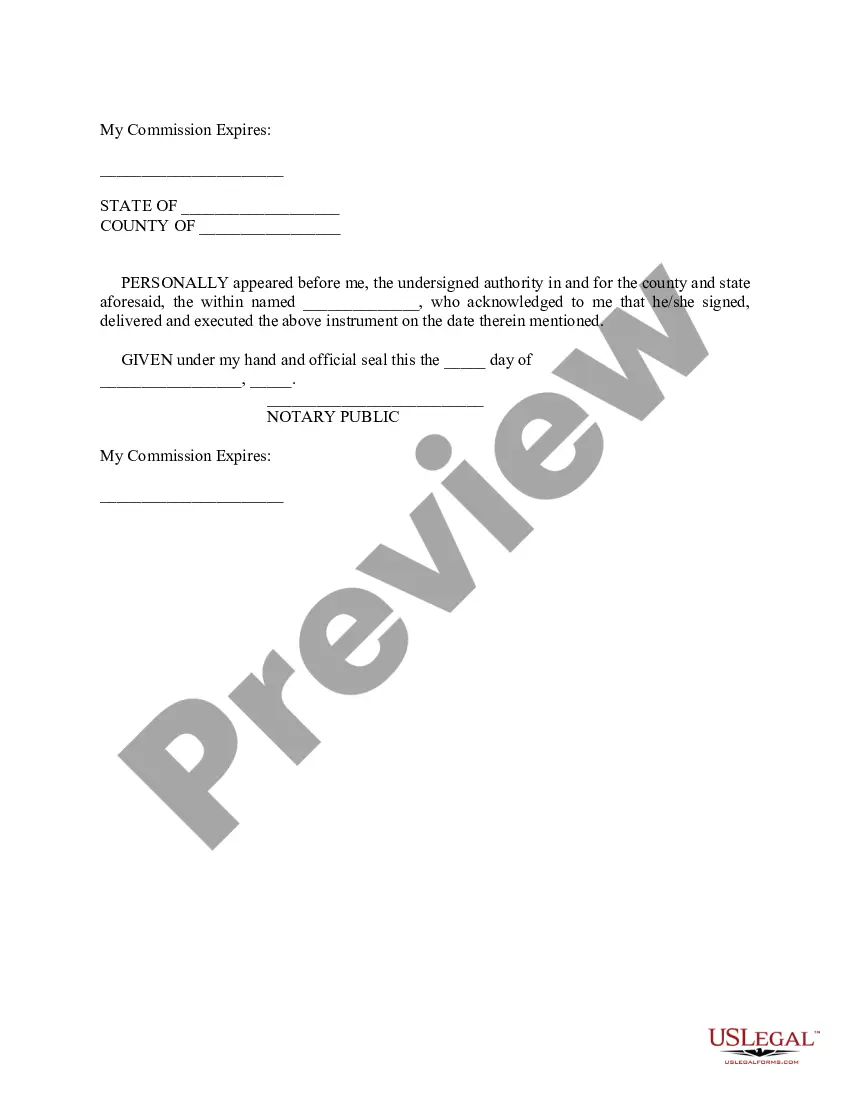
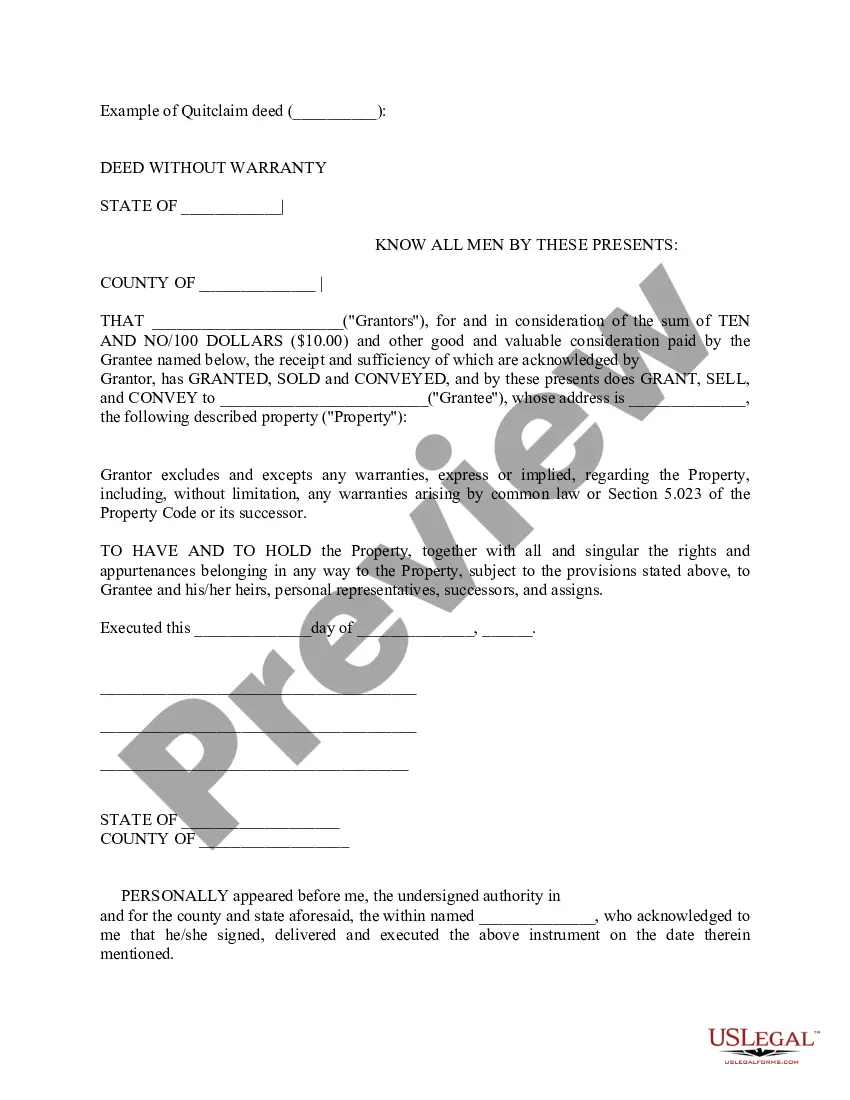
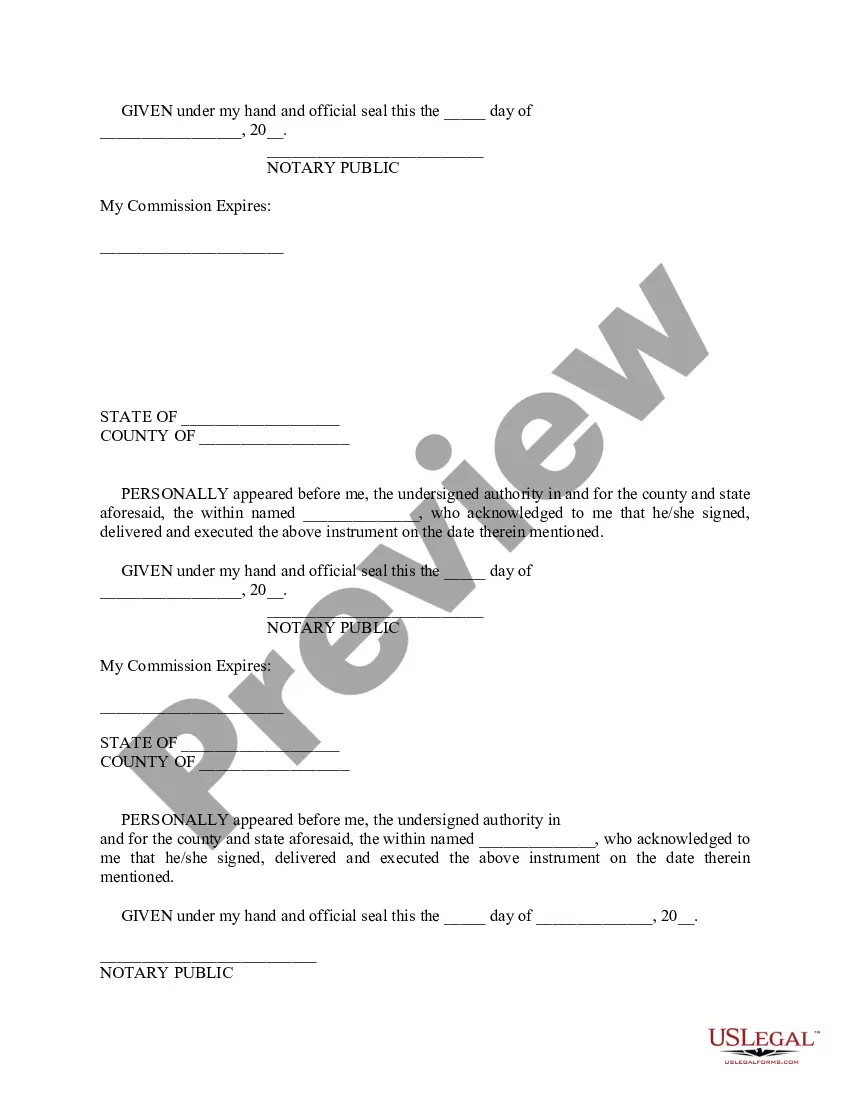

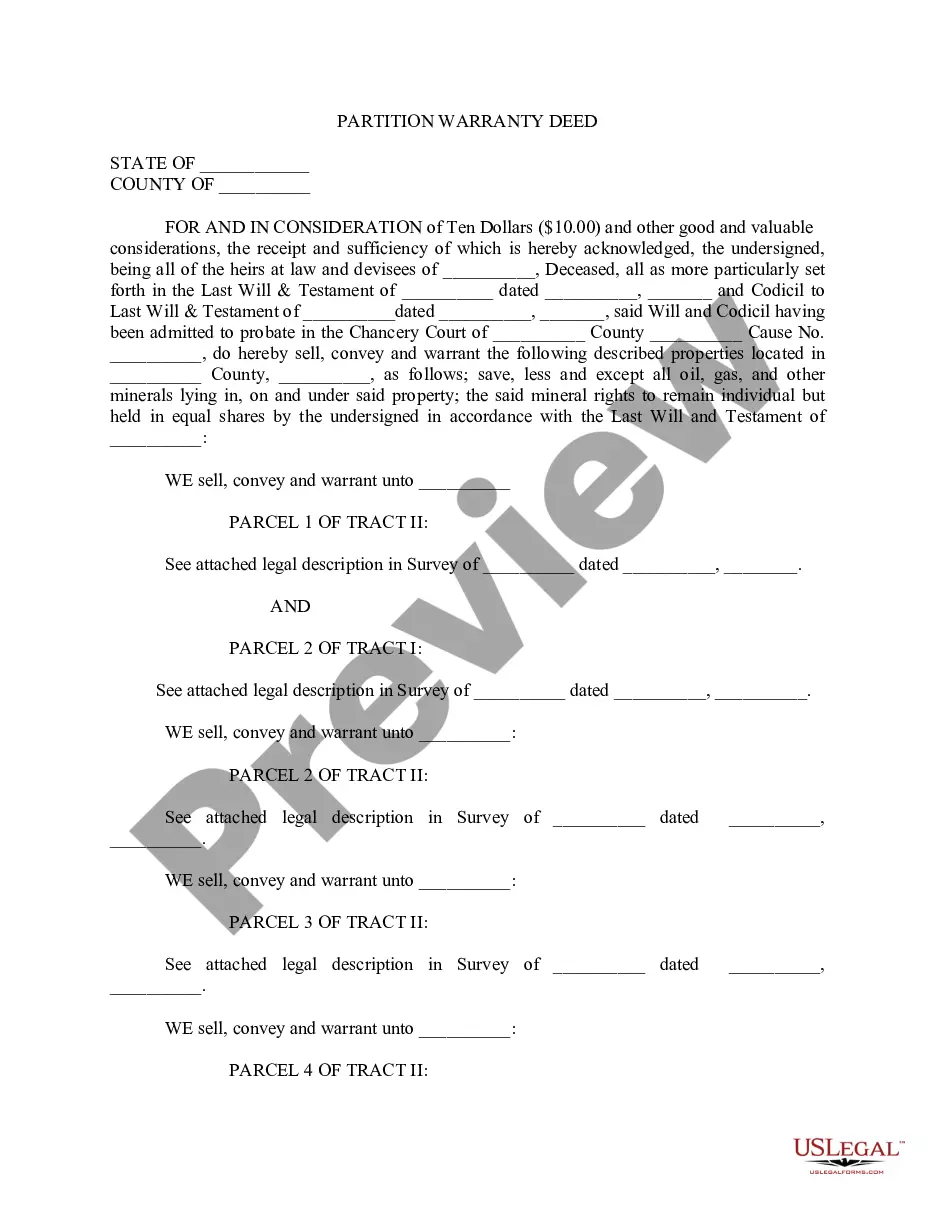
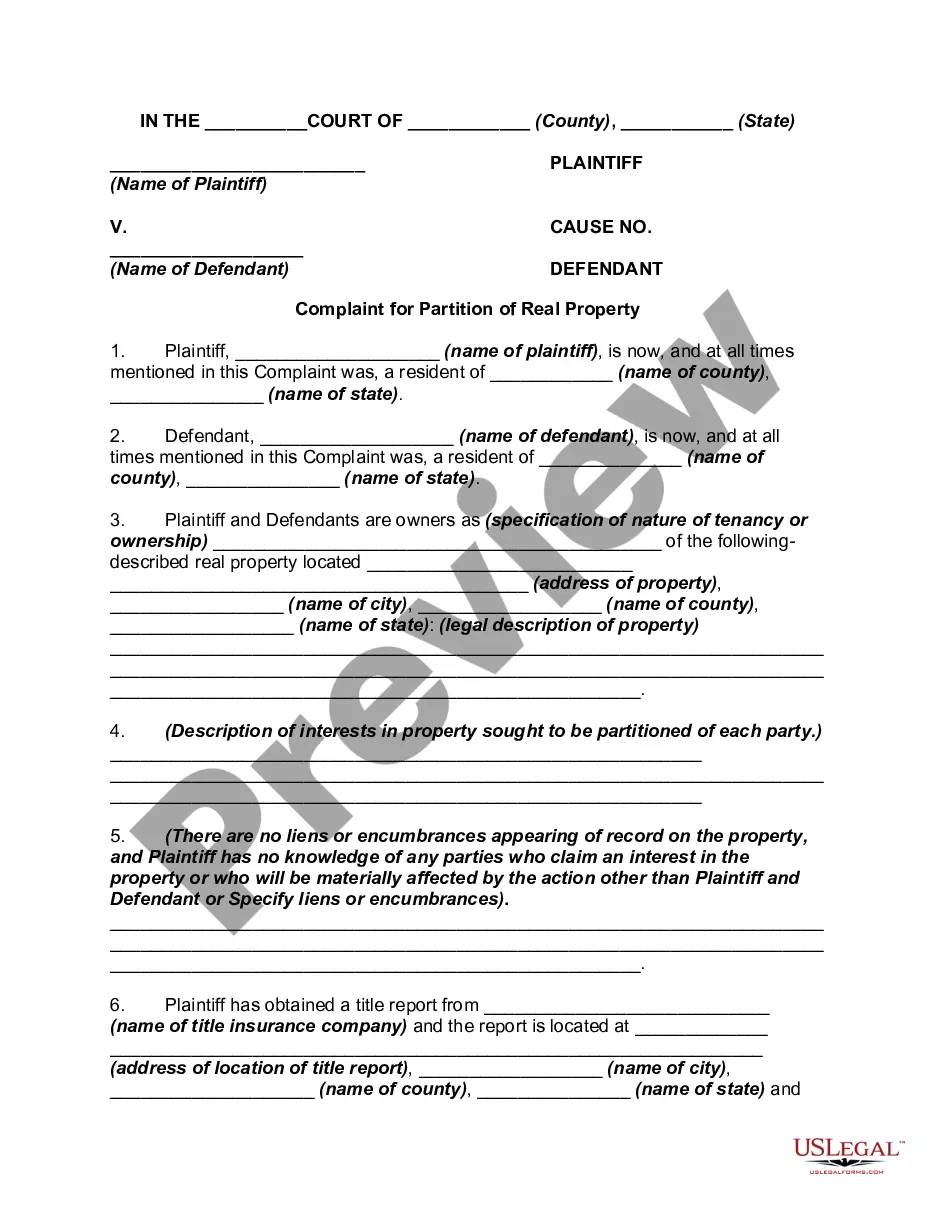
Get your form ready online
Our built-in tools help you complete, sign, share, and store your documents in one place.
Make edits, fill in missing information, and update formatting in US Legal Forms—just like you would in MS Word.
Download a copy, print it, send it by email, or mail it via USPS—whatever works best for your next step.
Sign and collect signatures with our SignNow integration. Send to multiple recipients, set reminders, and more. Go Premium to unlock E-Sign.
If this form requires notarization, complete it online through a secure video call—no need to meet a notary in person or wait for an appointment.
We protect your documents and personal data by following strict security and privacy standards.

Make edits, fill in missing information, and update formatting in US Legal Forms—just like you would in MS Word.

Download a copy, print it, send it by email, or mail it via USPS—whatever works best for your next step.

Sign and collect signatures with our SignNow integration. Send to multiple recipients, set reminders, and more. Go Premium to unlock E-Sign.

If this form requires notarization, complete it online through a secure video call—no need to meet a notary in person or wait for an appointment.

We protect your documents and personal data by following strict security and privacy standards.
Looking for another form?







Form popularity
FAQ
The Georgia Waiver of Borrowers Rights (Cx1009) is an agreement where a borrower waives all rights regarding receiving notice or having a judicial hearing before the lender exercises its right to non-judicially foreclose on a property.
The Georgia Acknowledgment and Waiver of Borrower Rights, includes the following acknowledgment provisions: Right to accelerate debt and power given to sell by nonjudicial foreclosure without any judicial hearing and no notice outside of that required by the security instrument.
In short, to force the sale of jointly owned property, you must first confirm title, then attempt a voluntary sale or buyout, file and serve a partition lawsuit, get an appraisal, sell the property, and finally divide the sale proceeds fairly.
As the name implies, an heirs partition applies exclusively to the partition of real property that is jointly owned by the heirs of that property. In such cases, Georgia law requires that heirs partitions adhere to the heir-specific protections created by the Uniform Partition of Heirs Property Act.
A partition action usually takes between six to nine months depending on the circumstances and the complexity of each case. The most significant factor is whether the partition is being handled by an attorney who practices only in partition law.
Costs and Challenges of Partition Actions The process is also time-consuming, with most partition cases taking one to two years to resolve due to delays caused by discovery, court schedules, and valuation disputes. Emotionally, partition actions often strain relationships, particularly among family members.
Any co-owner may apply for partition writ. - Statute relating to partition of realty expressly provides that, in all cases where two or more persons are common owners of land by descent, any one of such owners may apply for a writ of partition. Evans v. Little, 246 Ga. 219, 271 S.E.2d 138 (1980) (see O.C.G.A.
The actual time it takes from when a partition case is filed to when the land is partitioned physically, by sale, or by set-off varies from case to case. In general, partition cases can take several months or even years to resolve.
