Deed Agreement Meaning In Florida
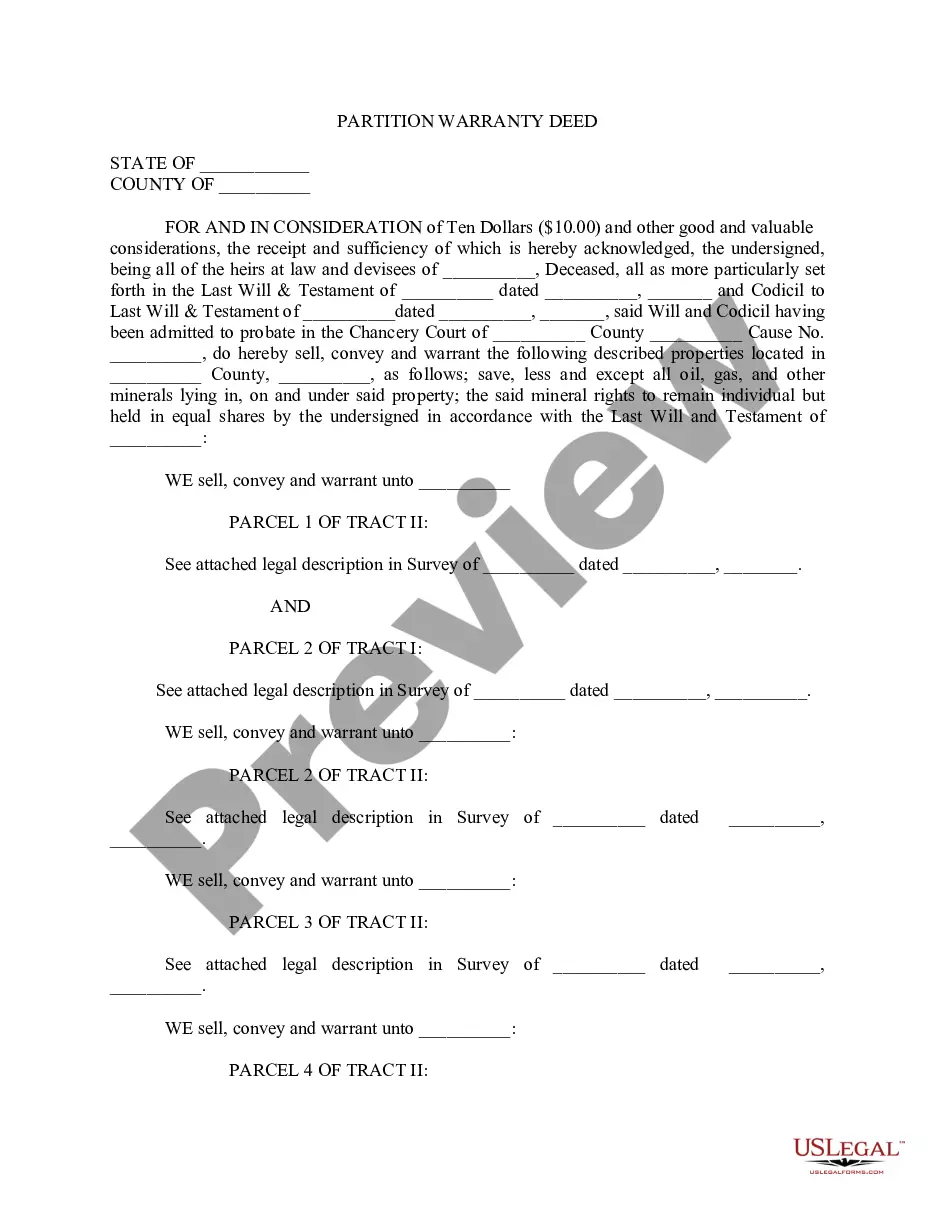
Description

Get your form ready online
Our built-in tools help you complete, sign, share, and store your documents in one place.
Make edits, fill in missing information, and update formatting in US Legal Forms—just like you would in MS Word.
Download a copy, print it, send it by email, or mail it via USPS—whatever works best for your next step.
Sign and collect signatures with our SignNow integration. Send to multiple recipients, set reminders, and more. Go Premium to unlock E-Sign.
If this form requires notarization, complete it online through a secure video call—no need to meet a notary in person or wait for an appointment.
We protect your documents and personal data by following strict security and privacy standards.

Make edits, fill in missing information, and update formatting in US Legal Forms—just like you would in MS Word.

Download a copy, print it, send it by email, or mail it via USPS—whatever works best for your next step.

Sign and collect signatures with our SignNow integration. Send to multiple recipients, set reminders, and more. Go Premium to unlock E-Sign.

If this form requires notarization, complete it online through a secure video call—no need to meet a notary in person or wait for an appointment.

We protect your documents and personal data by following strict security and privacy standards.
Looking for another form?




Form popularity
FAQ
If you have lost or misplaced your original deed (or other legal document which has been recorded), you can obtain a certified copy from the Recording Office where the original document was recorded. A certified copy has the legal validity of the original document.
A Deed. The biggest difference between a title and a deed is the physical component. A deed is an official written document declaring a person's legal ownership of a property, while a title is a legal concept that refers to ownership rights.
Deed in Florida – Explaining the Concept At the closing process, both the buyer and the seller must sign the deed to settle the real estate transaction. Unlike the title, the deed is a physical document that must be kept in a safe place by the buyer.
Deed or official record: Original deed, warranty deed or deed of trust to the property. A utility bill dated between April 2022 and present, must also be included. Mortgage documentation: Mortgage statement, mortgage promissory note or the closing disclosure form.
A will does not override a deed in Florida. If someone lists a beneficiary of their property in their will but has deeded the property to someone else, the deed takes precedence. The rationale is that the deed is a public record, providing transparency and protecting the rights of the property owner.
If the Grantor suspects foul play or fraud, then it is up to him to bring a lawsuit against the party that committed the fraud in order to have the court enter a judgment declaring the deed void. Thereafter, awarding title back to the original grantor.
Since revocable trusts become operative before the will takes effect at death, the trust takes precedence over the will, in the event that there are issues between the two.
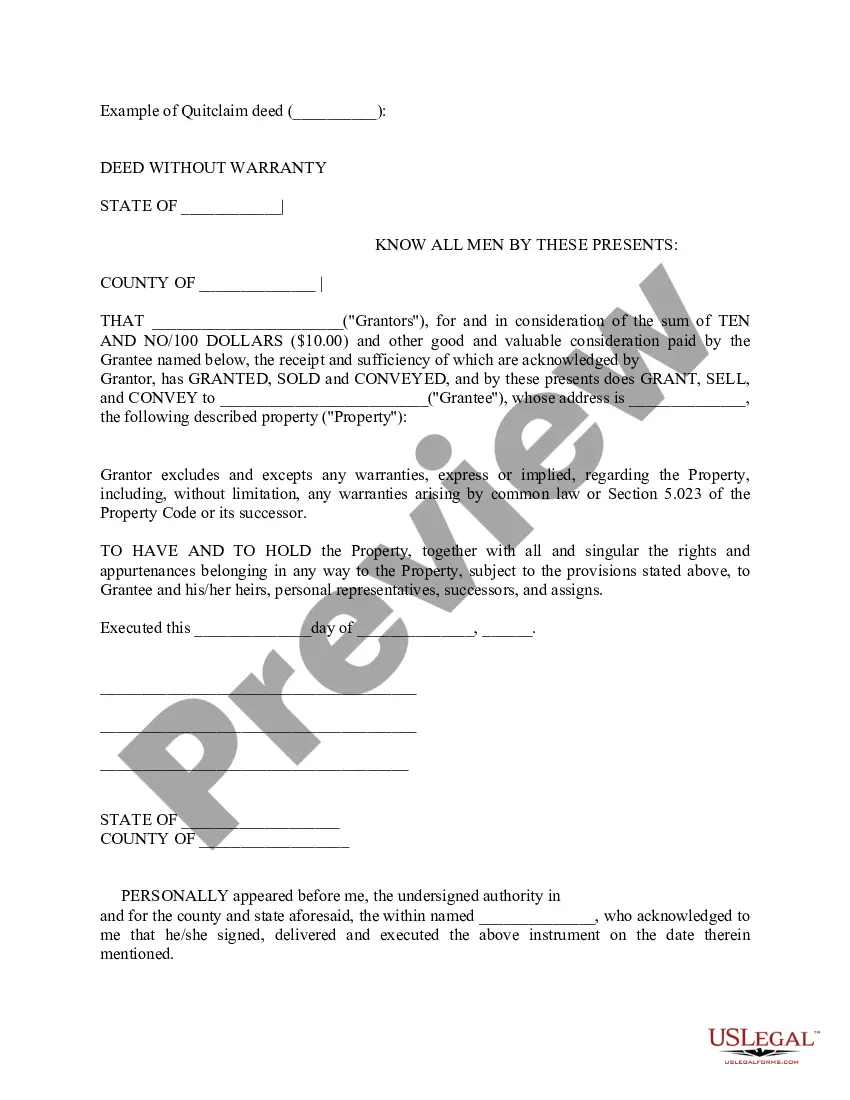
A deed of agreement is a binding promise to do something. In commercial terms, the signing of a deed indicates a serious commitment by the person or company executing it to perform certain duties and obligations.
Deed in Florida – Explaining the Concept At the closing process, both the buyer and the seller must sign the deed to settle the real estate transaction. Unlike the title, the deed is a physical document that must be kept in a safe place by the buyer.
Courts May Only Invalidate a Will Under Certain Circumstances. While a will can be declared void if it was procured by fraud, duress, or undue influence, a mistake in the drafting or execution of a will may not be grounds to invalidate the entire document.
