Land Partition Rules In Broward
Description

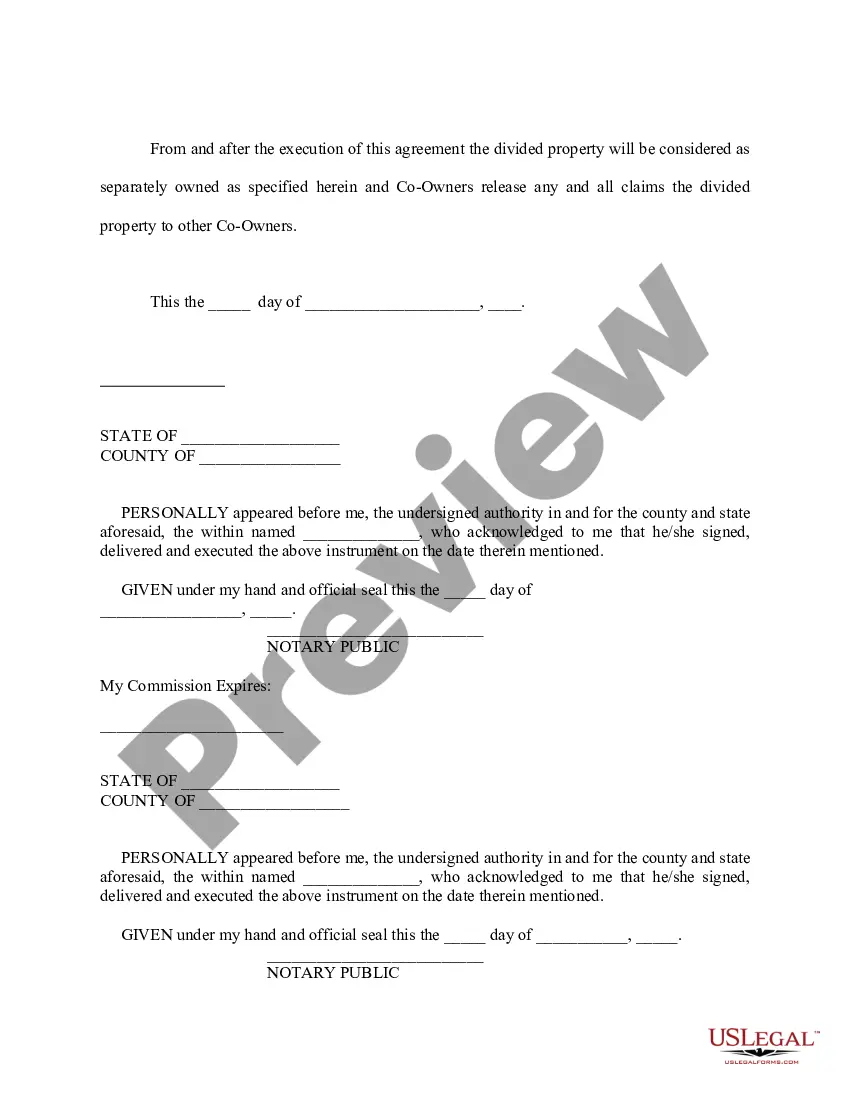
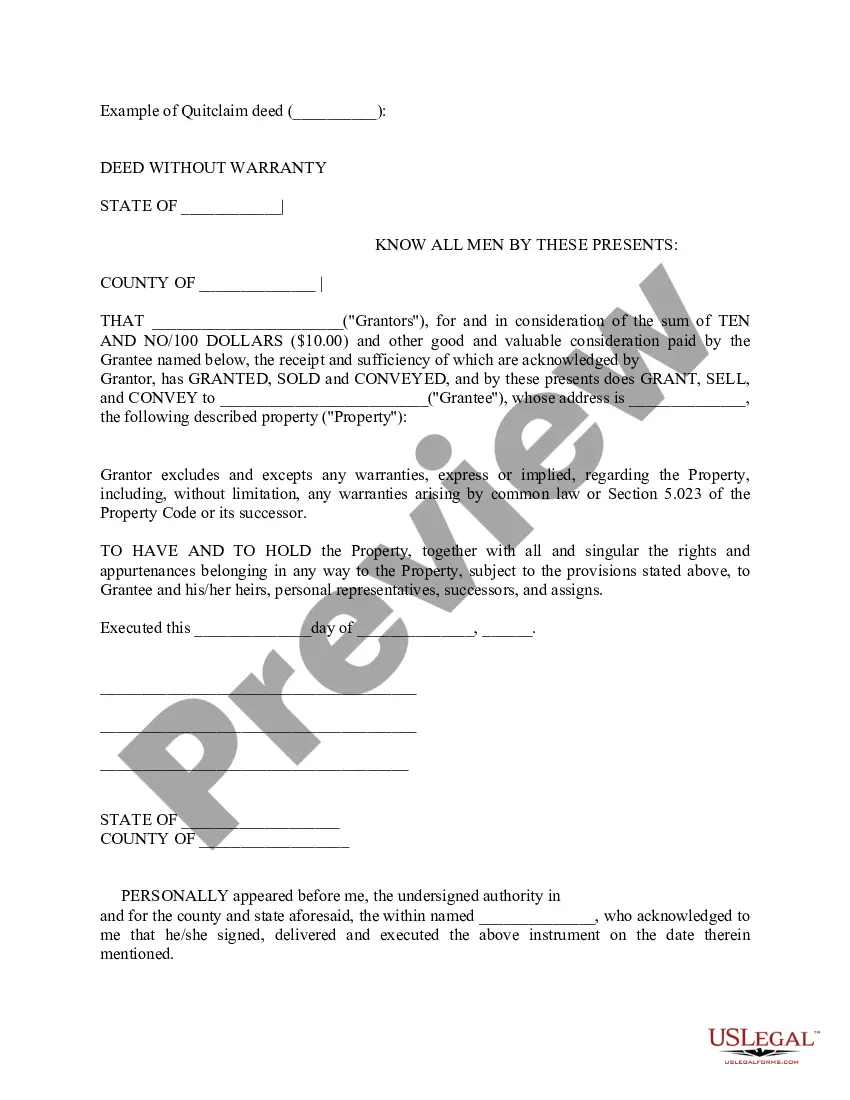

Get your form ready online
Our built-in tools help you complete, sign, share, and store your documents in one place.
Make edits, fill in missing information, and update formatting in US Legal Forms—just like you would in MS Word.
Download a copy, print it, send it by email, or mail it via USPS—whatever works best for your next step.
Sign and collect signatures with our SignNow integration. Send to multiple recipients, set reminders, and more. Go Premium to unlock E-Sign.
If this form requires notarization, complete it online through a secure video call—no need to meet a notary in person or wait for an appointment.
We protect your documents and personal data by following strict security and privacy standards.

Make edits, fill in missing information, and update formatting in US Legal Forms—just like you would in MS Word.

Download a copy, print it, send it by email, or mail it via USPS—whatever works best for your next step.

Sign and collect signatures with our SignNow integration. Send to multiple recipients, set reminders, and more. Go Premium to unlock E-Sign.

If this form requires notarization, complete it online through a secure video call—no need to meet a notary in person or wait for an appointment.

We protect your documents and personal data by following strict security and privacy standards.
Looking for another form?







Form popularity
FAQ
The Uniform Partition of Heirs Property Act preserves the right of a tenant in common to sell their interest in inherited real estate while ensuring that the other tenants in common will have the necessary due process to prevent a forced sale . Due process includes notice, appraisal and right of first refusal.
To successfully bring a property partition case, the parties must demonstrate an irreconcilable difference in their asset holdings. They should also argue that the division of assets would be in the best interests of both parties.
Home » Do All Heirs Need to Consent to the Sale of the Homestead? Quick Answer: In Florida, all heirs typically need to consent to sell inherited homestead property unless the will specifically instructs otherwise.
A partition action is a lawsuit between co-owners of real property who cant agree as to any aspect of the management of the property, or for example, whether to sell the real property. Partition actions are governed by Chapter 64, Florida Statutes.
How Long Does A Typical Partition Action Take In Florida? A partition action can be quite speedy if you and the other party can agree quickly on what to do. Some cases can be resolved in three months, whereas others take up to a year. This can depend on the valuation of the property and how complex the parcel is.
While it is possible to file a partition lawsuit without a lawyer or “Pro Se” in Florida, it is highly recommended to seek the assistance of an experienced partition attorney. The process can become complex, and having a knowledgeable litigator on your side can help protect your interests and maximize your recovery.
In this article, the term partitioning means the process of physically dividing data into separate data stores. It is not the same as SQL Server table partitioning.
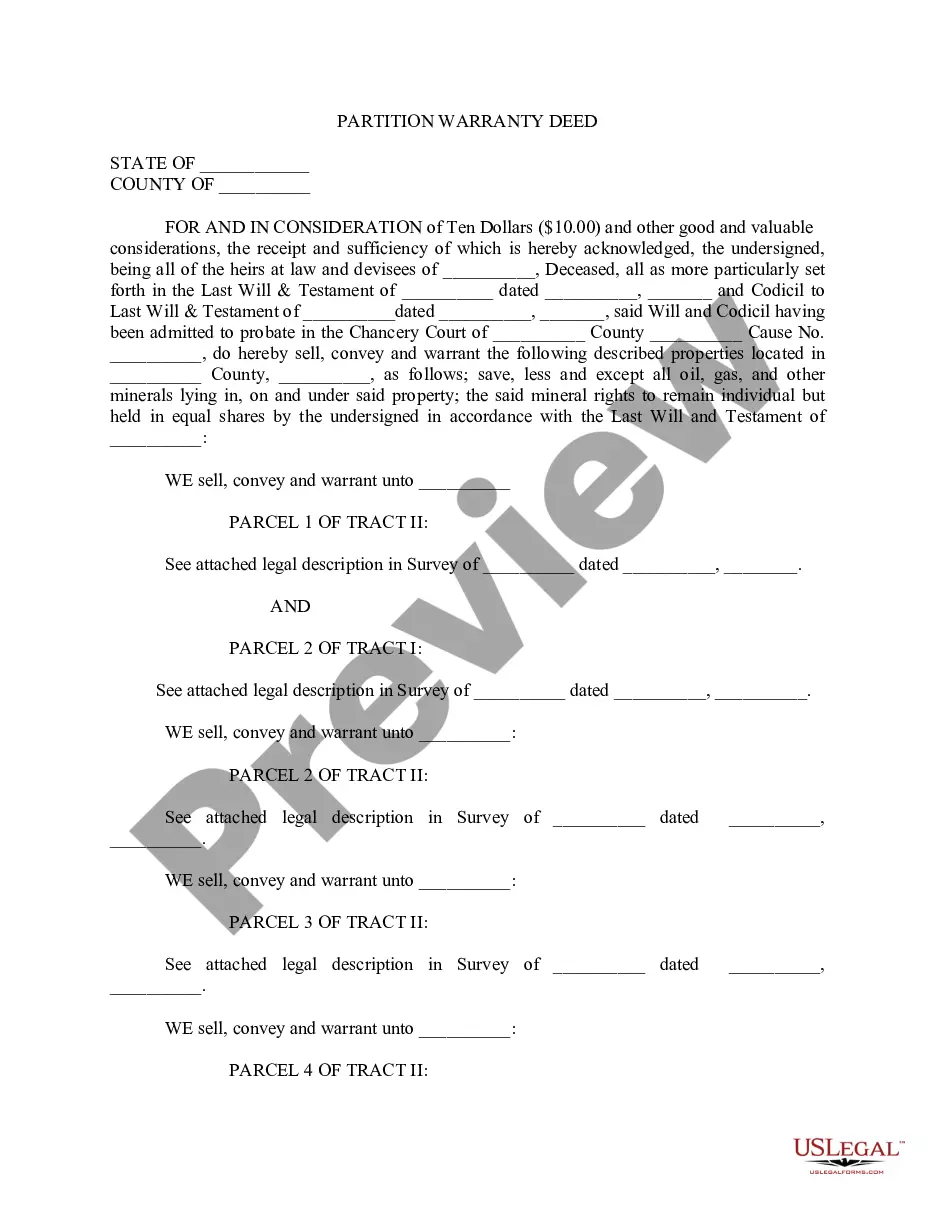
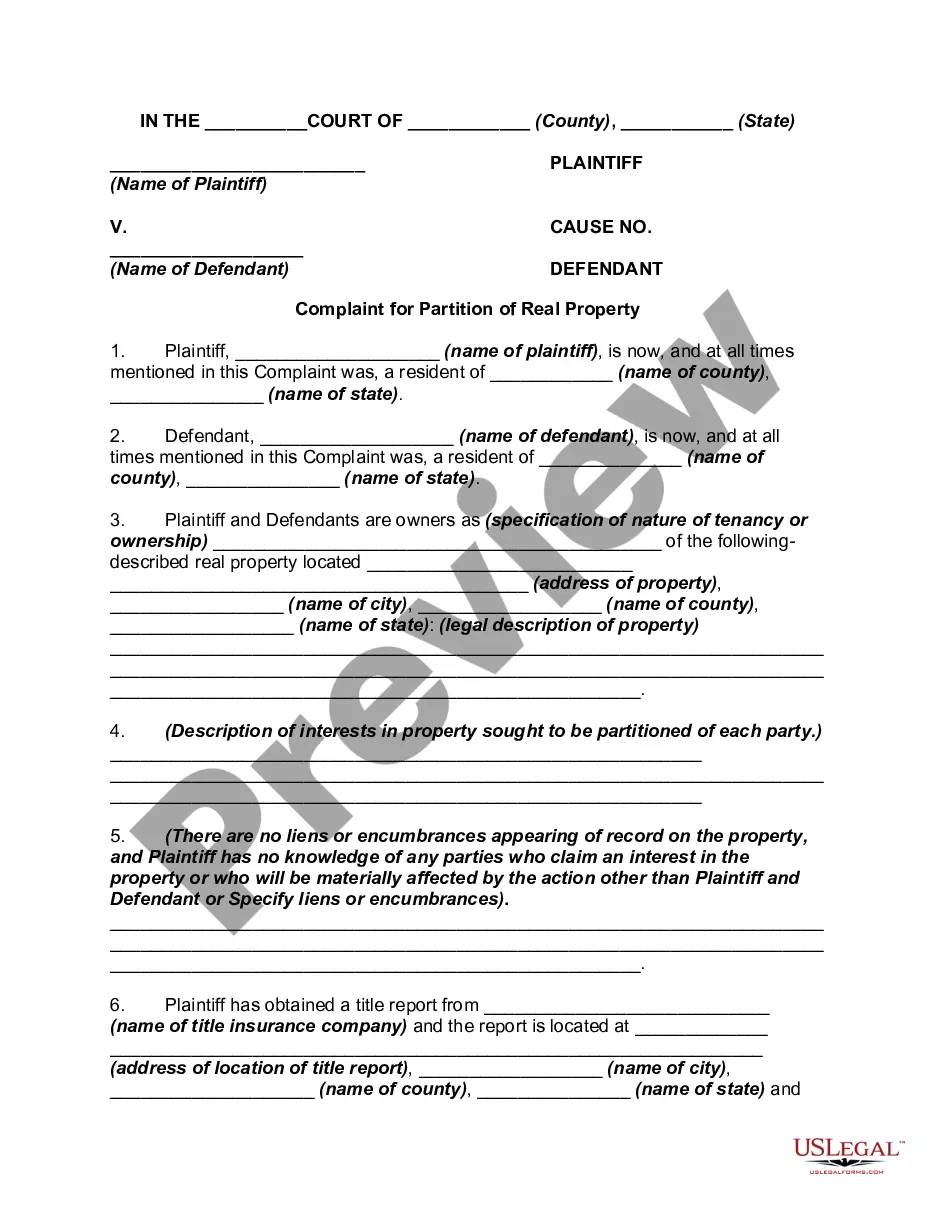
Under Florida law, the partition process must comply with the Florida Statutes – Chapter 64 – titled “Partition of Property.” The first part of the partition action is the filing of the complaint. By statute, the complaint shall include the following: “A description of the lands of which partition is demanded”
In another words, it is a way for co-owners of land to terminate their relationship with the other co-owners. In a partition case, the Court will order an equal division of the property if the property can be spilt into equal parts of equal value or apportioned ing to ownership interests.
