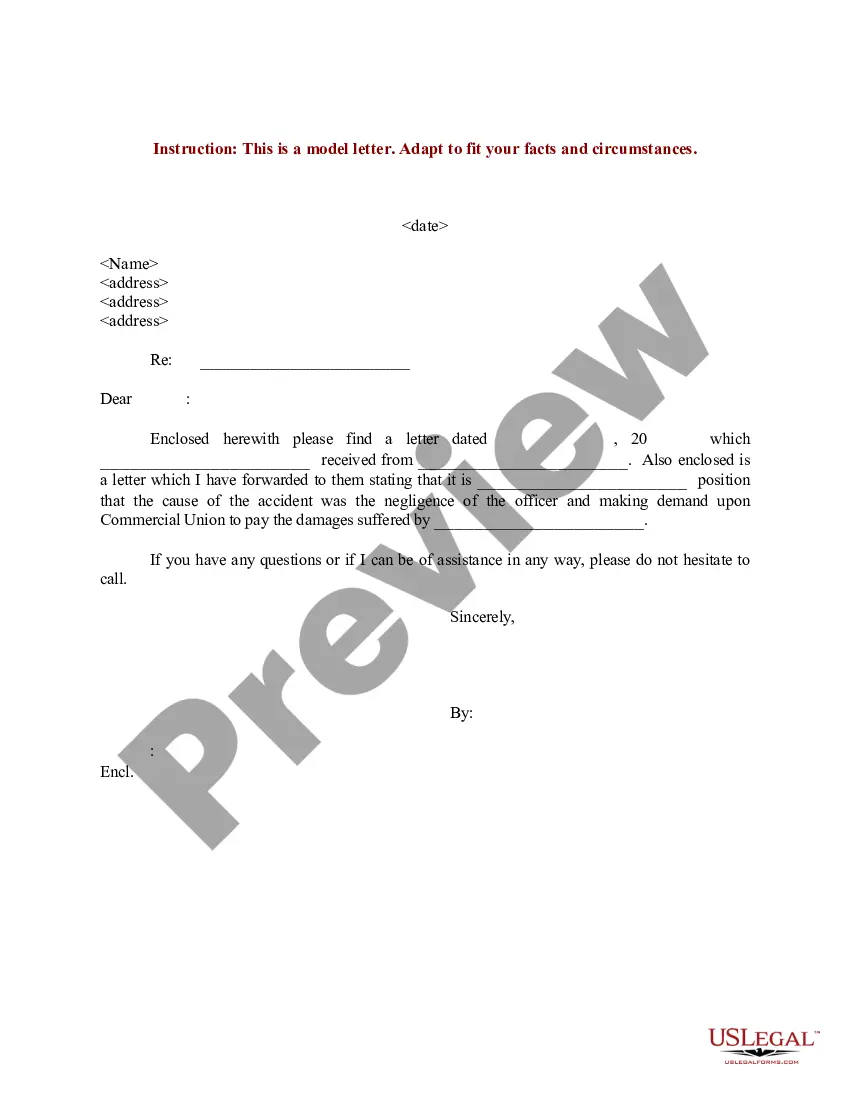
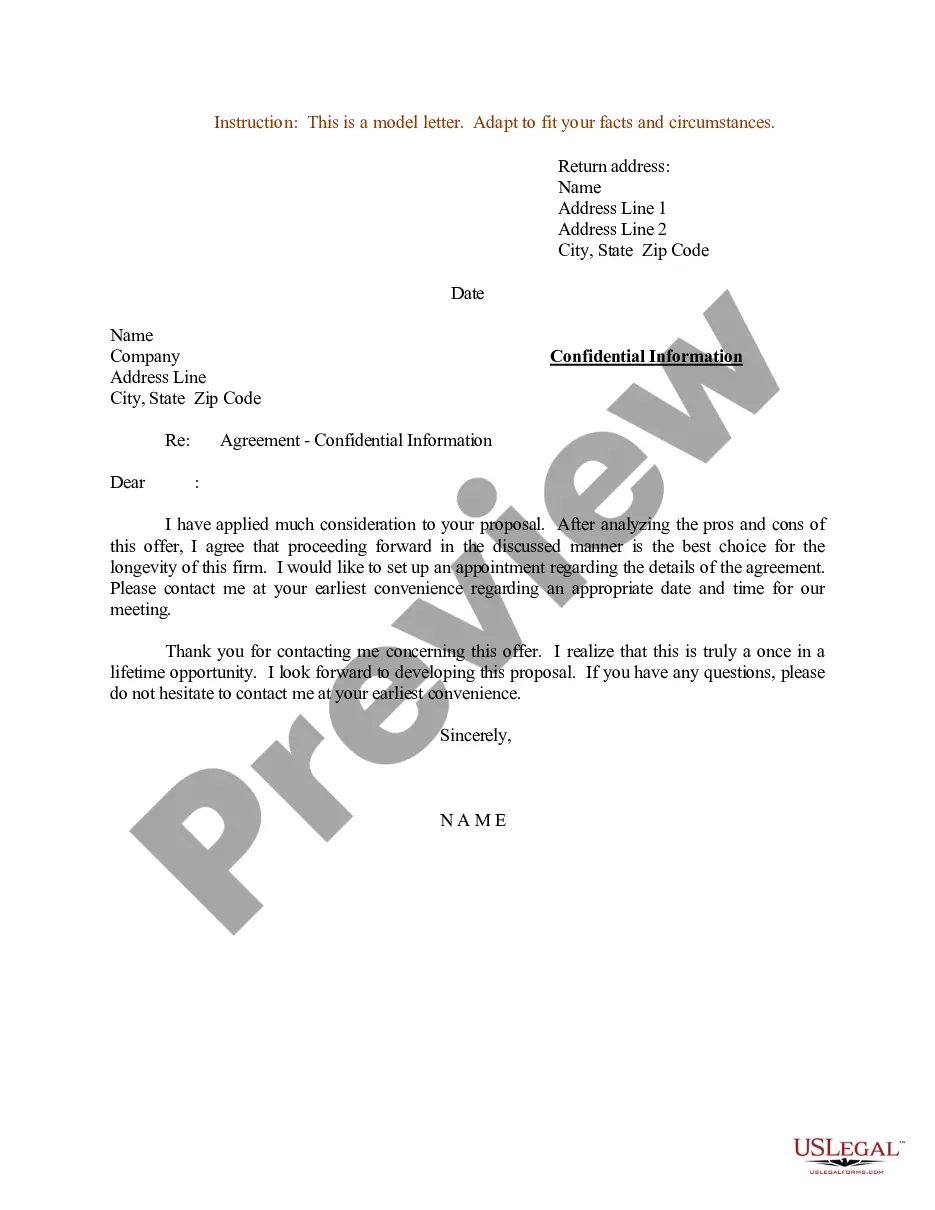
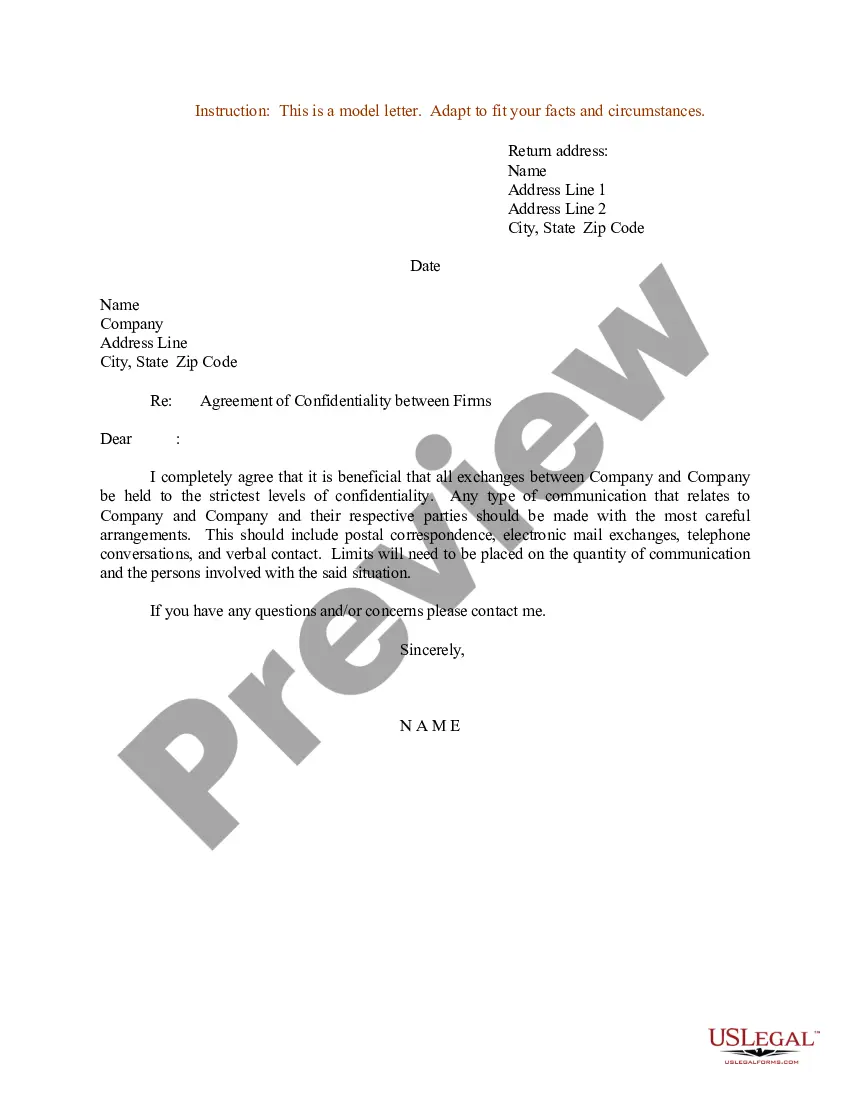
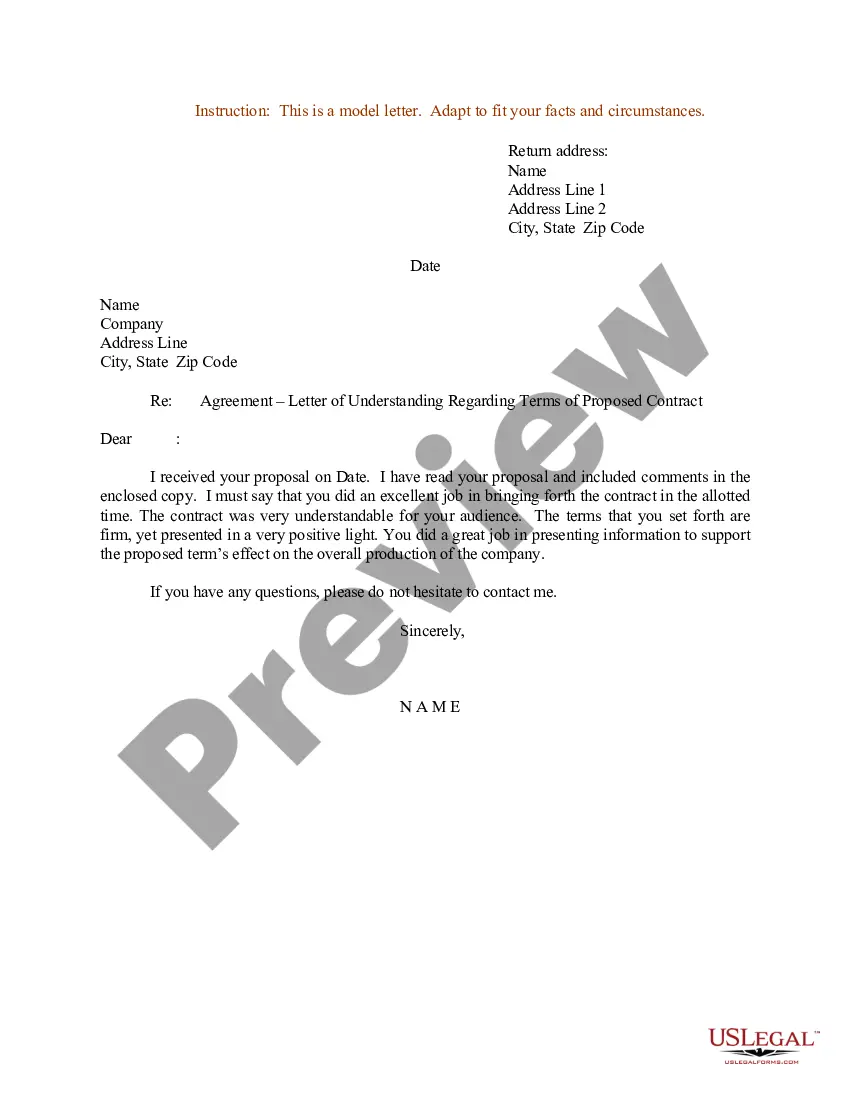
Private And Confidential Letter Sample With Attached Resume In Tarrant
Description

Get your form ready online
Our built-in tools help you complete, sign, share, and store your documents in one place.
Make edits, fill in missing information, and update formatting in US Legal Forms—just like you would in MS Word.
Download a copy, print it, send it by email, or mail it via USPS—whatever works best for your next step.
Sign and collect signatures with our SignNow integration. Send to multiple recipients, set reminders, and more. Go Premium to unlock E-Sign.
If this form requires notarization, complete it online through a secure video call—no need to meet a notary in person or wait for an appointment.
We protect your documents and personal data by following strict security and privacy standards.

Make edits, fill in missing information, and update formatting in US Legal Forms—just like you would in MS Word.

Download a copy, print it, send it by email, or mail it via USPS—whatever works best for your next step.

Sign and collect signatures with our SignNow integration. Send to multiple recipients, set reminders, and more. Go Premium to unlock E-Sign.

If this form requires notarization, complete it online through a secure video call—no need to meet a notary in person or wait for an appointment.

We protect your documents and personal data by following strict security and privacy standards.
Looking for another form?

Form popularity
FAQ
In 98% of cases, you should include a cover letter in your job application. Although recruiters might not always read it, they expect candidates to submit one. A cover letter will considerably boost your chances and set you apart from other candidates with similar backgrounds and resumes.
Here's a template of what to include when emailing a CV:Dear hiring manager's name, Sir/Madam or To Whom It May Concern,Please find my CV and cover letter attached for the role job title.If there's any additional information you need, please let me know.Thank you very much for your consideration.
Do I Need a Cover Letter For My Resume. Short answer: yes, you should submit a cover letter alongside your resume. Here's why: Most job openings require you to submit a cover letter.
Even if the job description doesn't require a cover letter, submitting one can demonstrate your enthusiasm for the job and help you differentiate yourself from other candidates.
How to combine a cover letter and resume into one document Determine which document to add first. Revise and review both documents. Open a new document. Insert each document into the new file. Create a page break. Confirm in an email.
In summary, avoid stating ``company confidential'' on your resume and instead highlight your qualifications in a way that respects confidentiality while still demonstrating your capabilities.
The truth is that you only need to include a cover letter with your resume if it's specifically mentioned in the job ad. You may still want to include one if you're really excited about a role, though. There are two reasons why I recommend you include a cover letter for positions that excite you.
Yes, it's best to send one unless they specifically tell you not to do it. It's both professional and something that more employers are actually looking at. Remember, it takes less time to read or skim a cover than a resume or CV. So as a time saver, cover letters are helpful to...
Hi (Recipient's name), I have attached my resume for the position of (insert details). You'll find details of my previous work experience, professional qualifications, and personal qualities in my CV. I've reviewed the job description and believe I meet all the essential requirements.
How to combine a cover letter and resume into one document Determine which document to add first. Revise and review both documents. Open a new document. Insert each document into the new file. Create a page break. Confirm in an email.