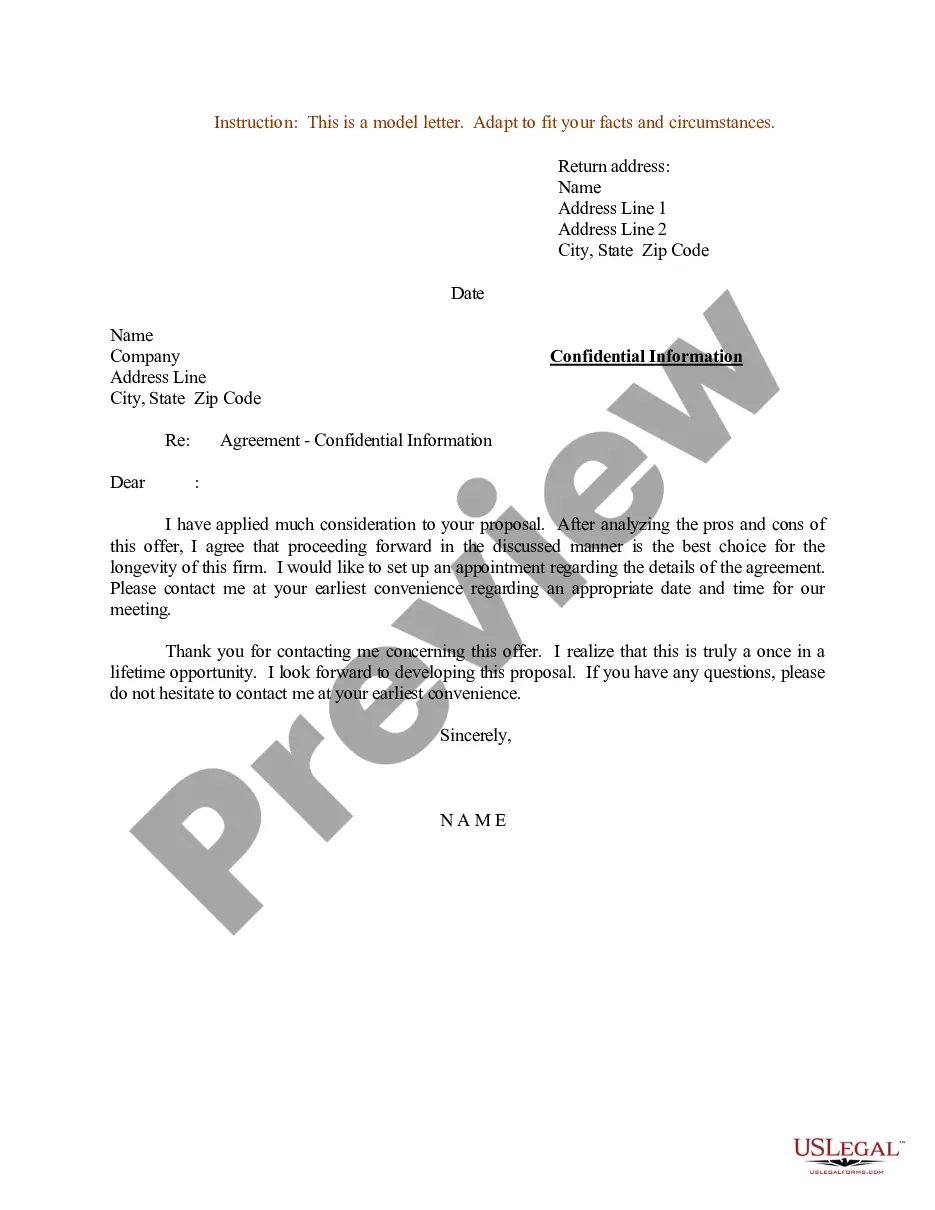
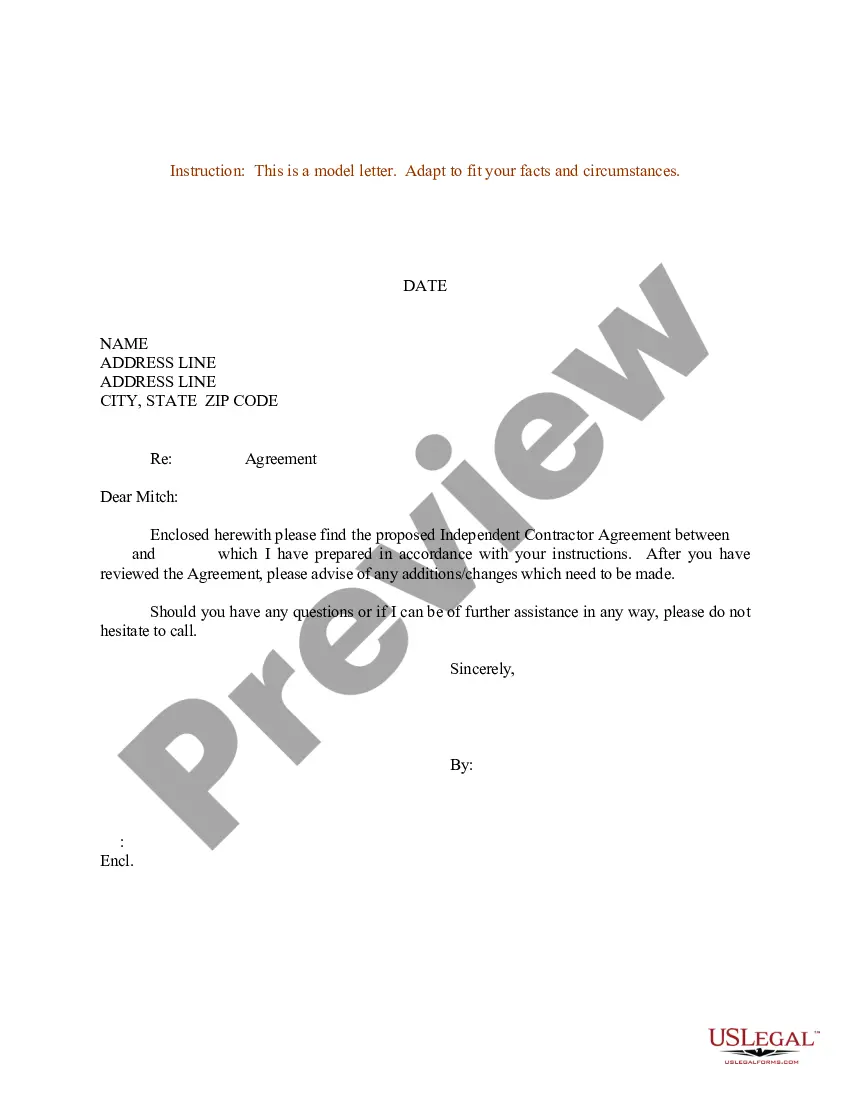
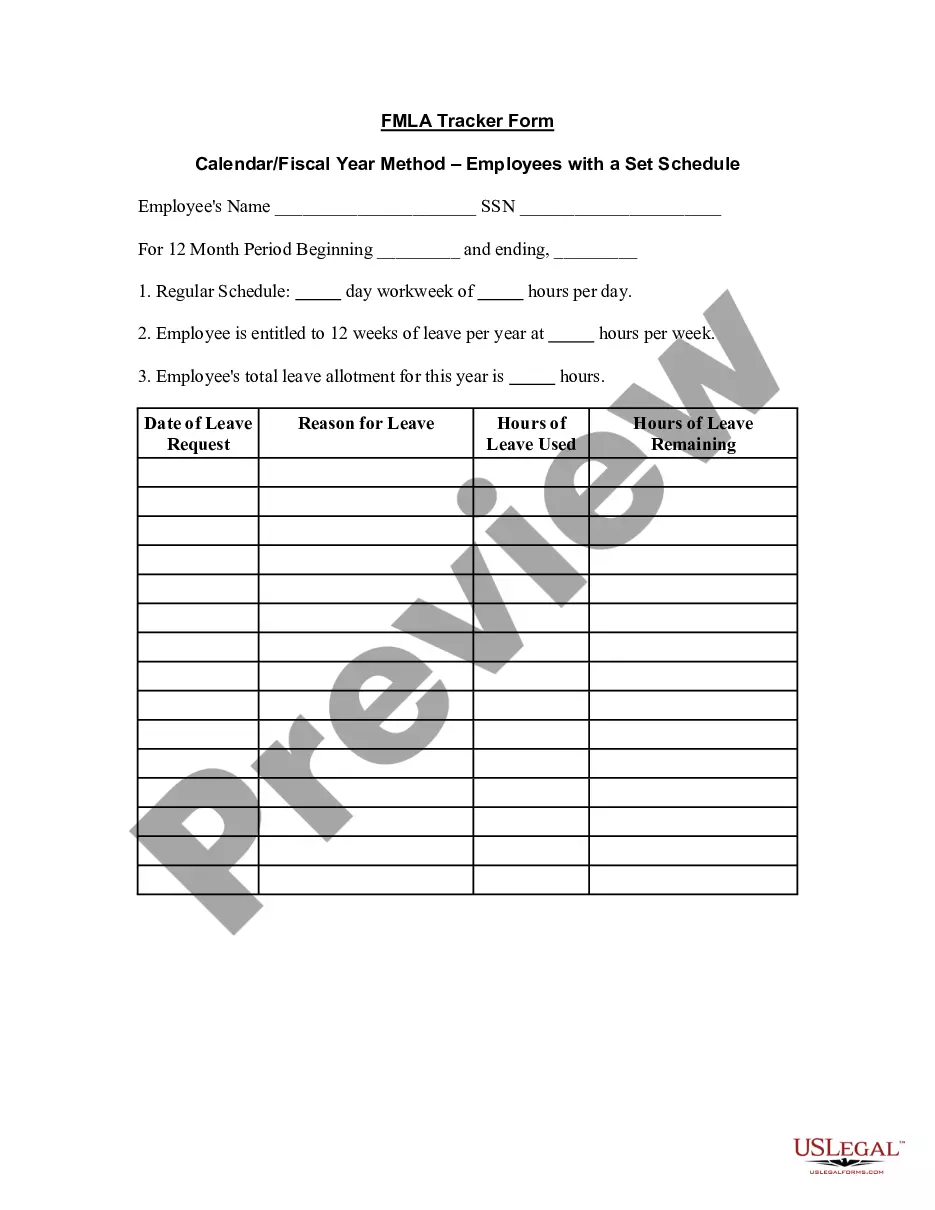
Sample Letter For Disclosing Confidential Information Without Consent In Santa Clara
Description


Get your form ready online
Our built-in tools help you complete, sign, share, and store your documents in one place.
Make edits, fill in missing information, and update formatting in US Legal Forms—just like you would in MS Word.
Download a copy, print it, send it by email, or mail it via USPS—whatever works best for your next step.
Sign and collect signatures with our SignNow integration. Send to multiple recipients, set reminders, and more. Go Premium to unlock E-Sign.
If this form requires notarization, complete it online through a secure video call—no need to meet a notary in person or wait for an appointment.
We protect your documents and personal data by following strict security and privacy standards.

Make edits, fill in missing information, and update formatting in US Legal Forms—just like you would in MS Word.

Download a copy, print it, send it by email, or mail it via USPS—whatever works best for your next step.

Sign and collect signatures with our SignNow integration. Send to multiple recipients, set reminders, and more. Go Premium to unlock E-Sign.

If this form requires notarization, complete it online through a secure video call—no need to meet a notary in person or wait for an appointment.

We protect your documents and personal data by following strict security and privacy standards.
Looking for another form?
Form popularity
FAQ
The disclosure of such information might subject a respondent to loss of reputation, employment, or civil or criminal penalties.
Failing to protect confidential information results in breaches, eroding trust with clients and the public. It can also cause contract termination and expensive legal actions. Breaches of confidentiality happen to companies each and every day throughout the nation.
Consequences may extend to dismissal, criminal prosecution or civil legal action against the individual and organisation involved. information which may cause harm, or could give an unfair advantage if lost, damaged or released without authorisation.
In the workplace, a breach of confidence can take place when a worker, either intentionally or unintentionally, discloses or uses information that could damage the employer's business, clients, or employees. If a worker breaches confidentiality, legal action may be taken against them by their employer.
The general rule under the Privacy Act is that an agency cannot disclose a record contained in a system of records unless the individual to whom the record pertains gives prior written consent to the disclosure. There are twelve exceptions to this general rule.
Clear identification of confidential information An effective confidential email disclaimer should clearly identify the type of information that is considered confidential. This helps recipients understand what they should keep private and protects your organization from unintentional disclosures.
I understand that any information concerning the identities and information shared by people participating in project-related focus groups, individual interviews, or other needs assessment activities is to be kept confidential at all times.
Clear identification of confidential information An effective confidential email disclaimer should clearly identify the type of information that is considered confidential. This helps recipients understand what they should keep private and protects your organization from unintentional disclosures.