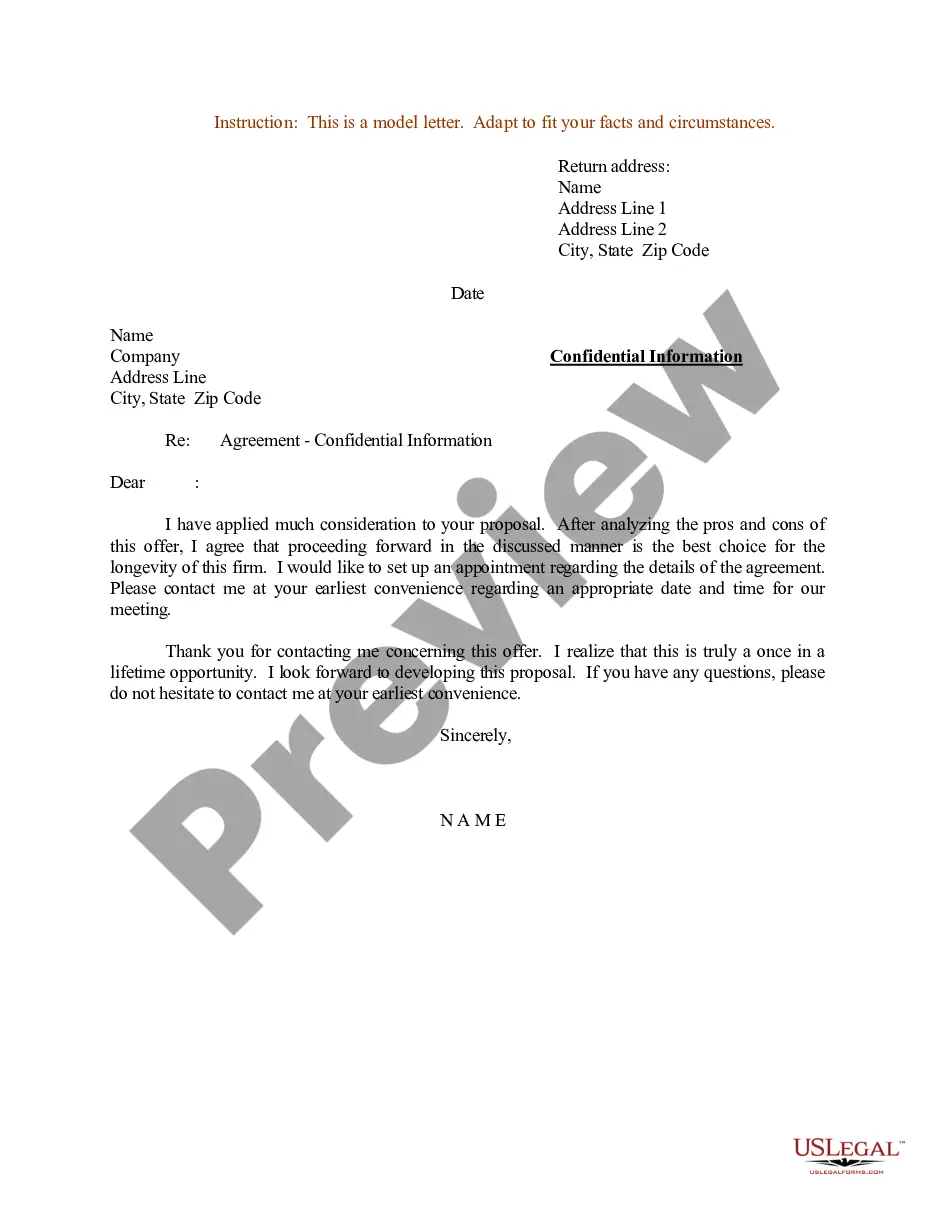
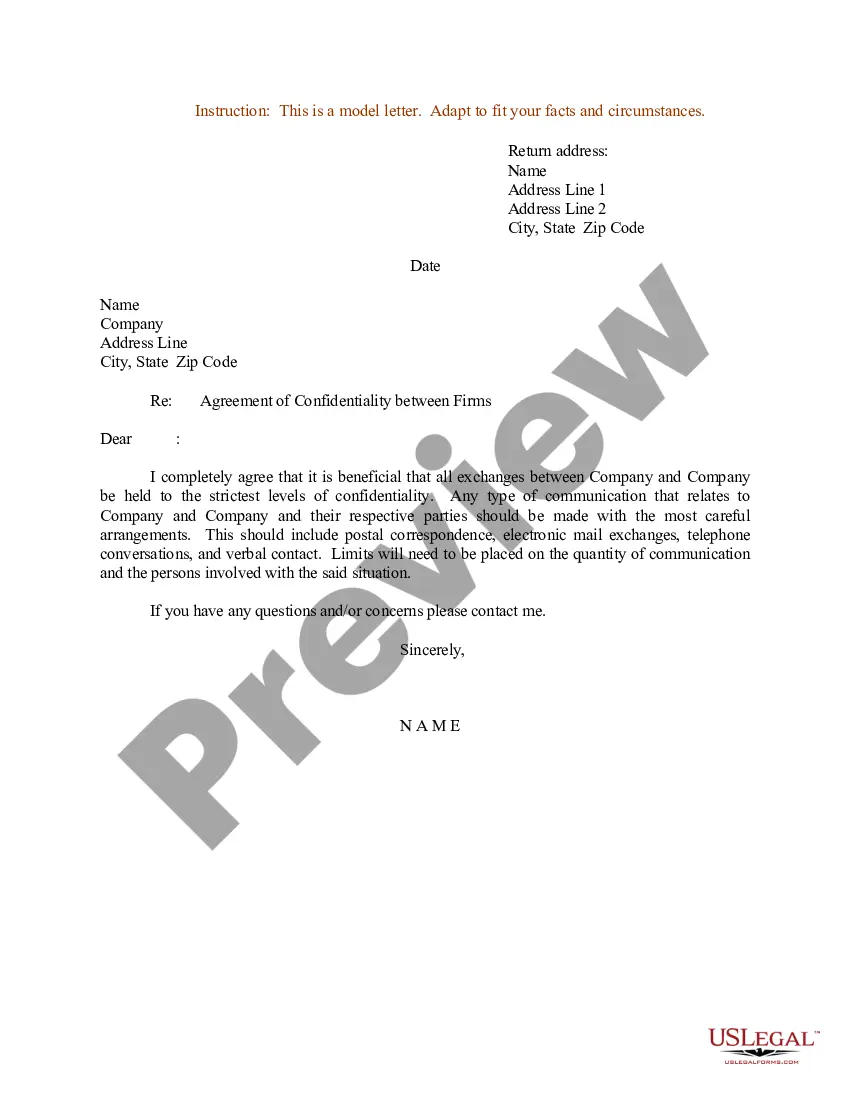
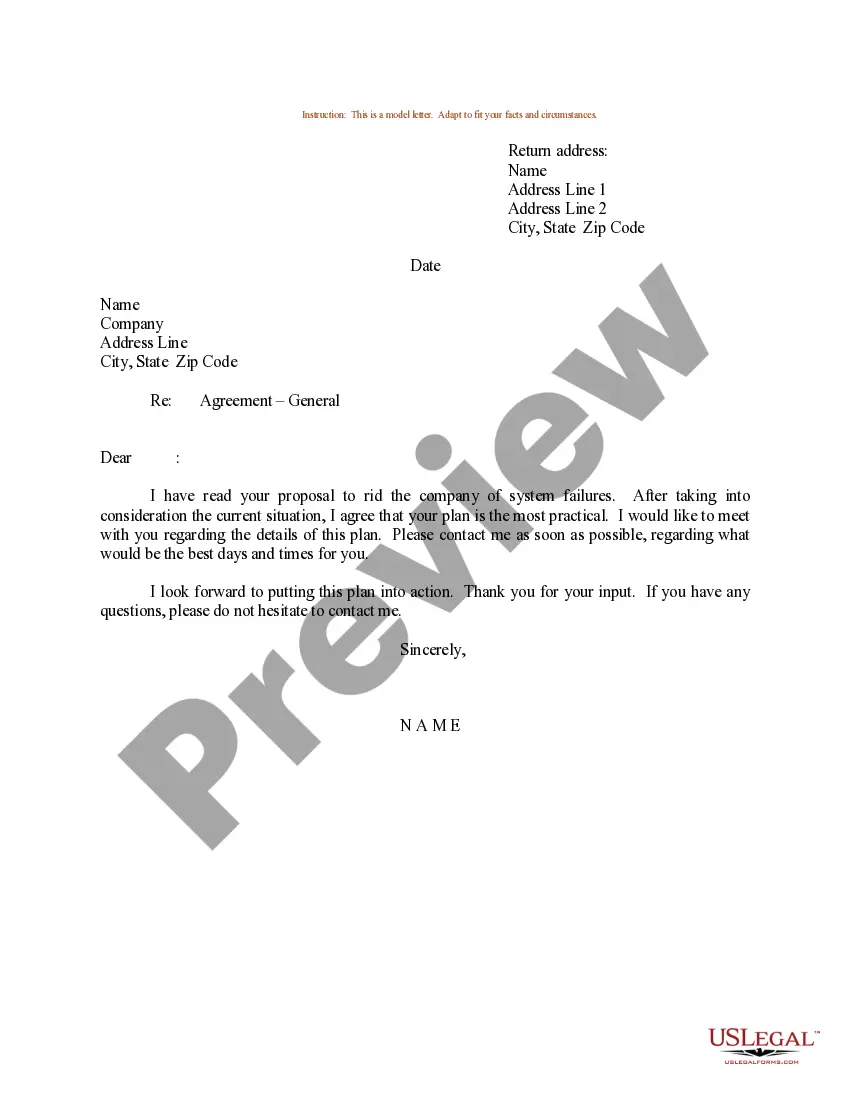
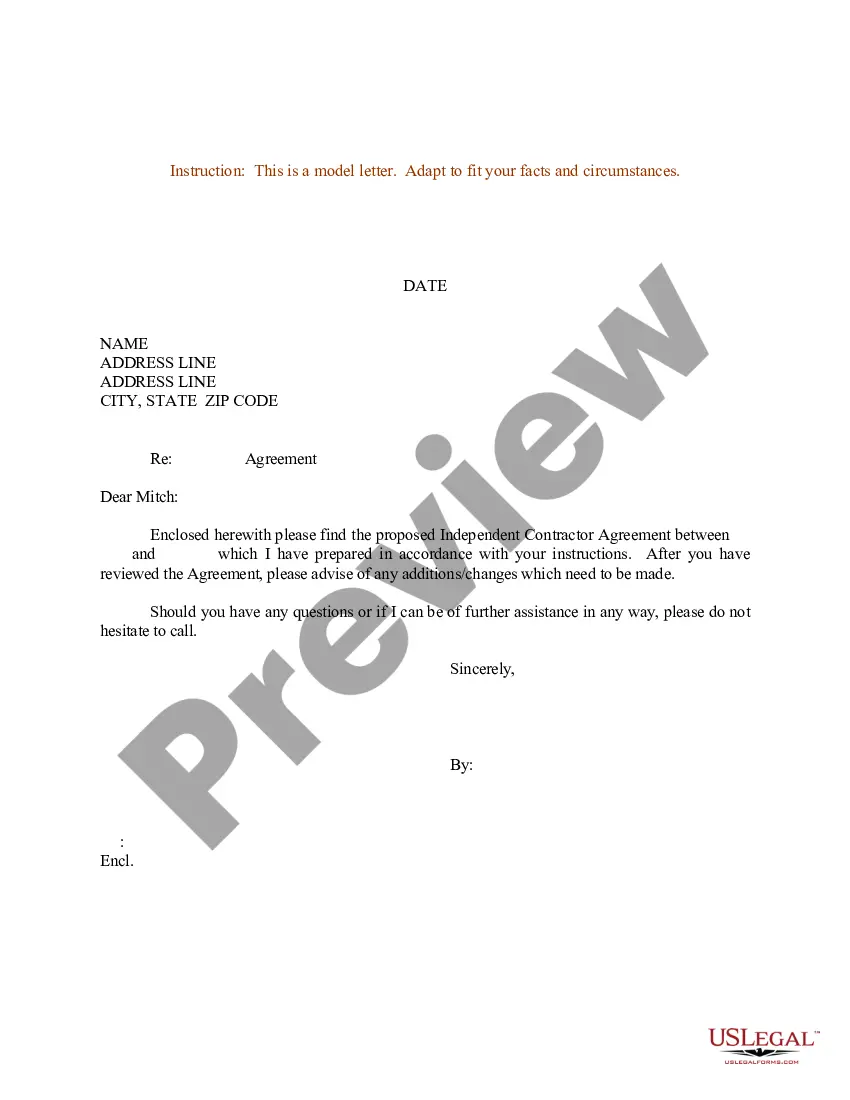
Sample Letter For Disclosing Confidential Information For Employee
Description
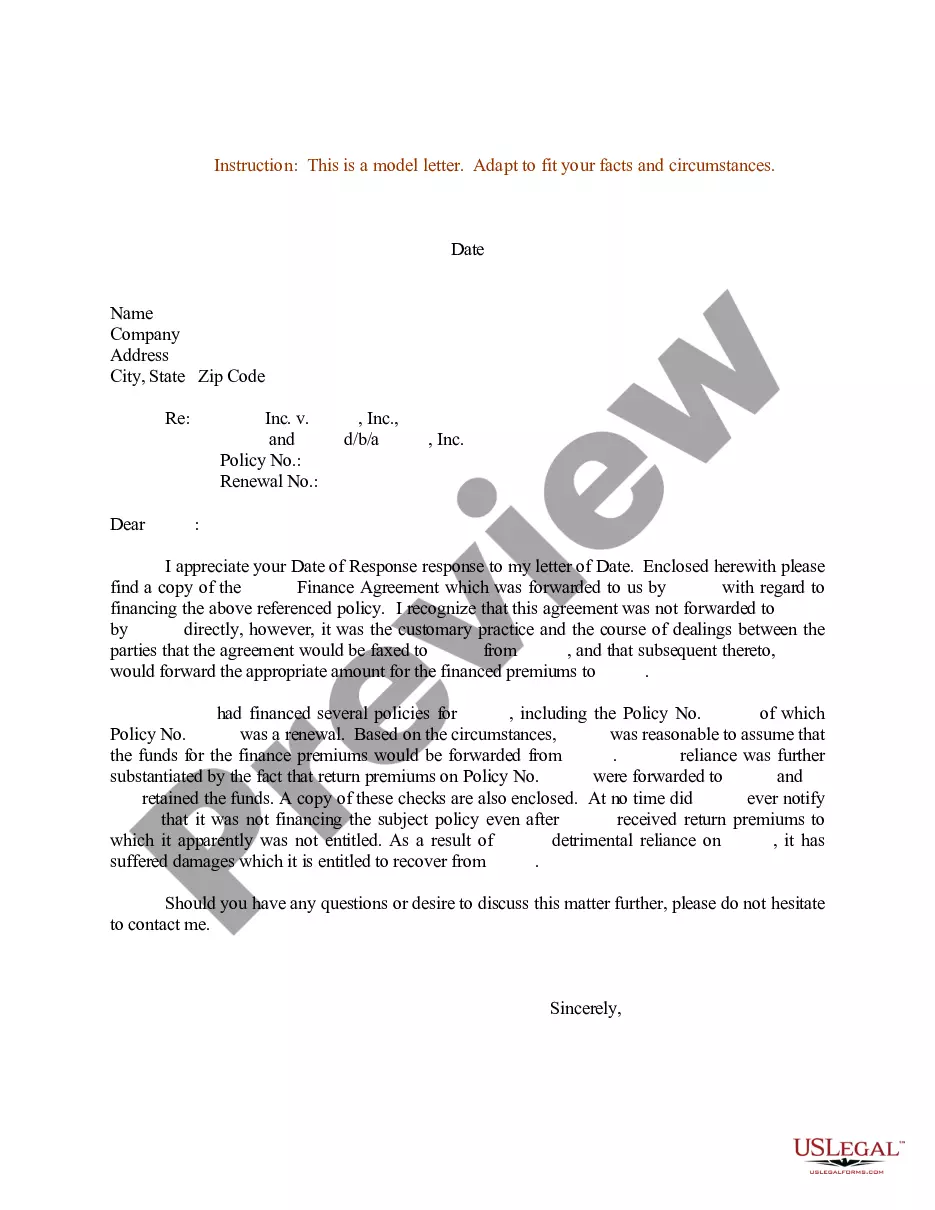
Get your form ready online
Our built-in tools help you complete, sign, share, and store your documents in one place.
Make edits, fill in missing information, and update formatting in US Legal Forms—just like you would in MS Word.
Download a copy, print it, send it by email, or mail it via USPS—whatever works best for your next step.
Sign and collect signatures with our SignNow integration. Send to multiple recipients, set reminders, and more. Go Premium to unlock E-Sign.
If this form requires notarization, complete it online through a secure video call—no need to meet a notary in person or wait for an appointment.
We protect your documents and personal data by following strict security and privacy standards.

Make edits, fill in missing information, and update formatting in US Legal Forms—just like you would in MS Word.

Download a copy, print it, send it by email, or mail it via USPS—whatever works best for your next step.

Sign and collect signatures with our SignNow integration. Send to multiple recipients, set reminders, and more. Go Premium to unlock E-Sign.

If this form requires notarization, complete it online through a secure video call—no need to meet a notary in person or wait for an appointment.

We protect your documents and personal data by following strict security and privacy standards.
Looking for another form?
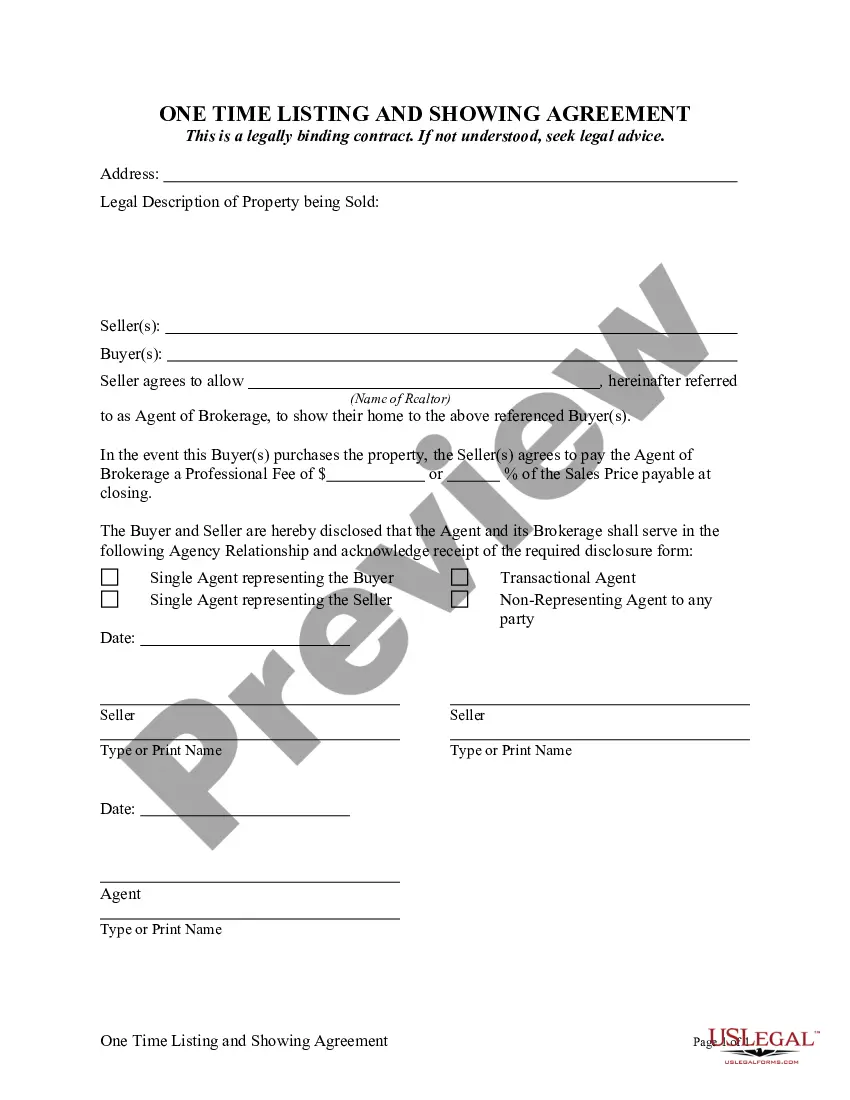
Form popularity
FAQ
To include confidentiality in a letter, start by explicitly stating which parts of the correspondence are confidential. Use phrases such as 'This information is confidential and should not be shared with others.' Adding a section at the end of the letter reiterating the importance of confidentiality can enhance clarity. Referring to a sample letter for disclosing confidential information for employees can provide useful templates for such disclosures.
To write a confidentiality statement, clearly define what information is confidential and the responsibilities of the parties involved. Consider including the duration of the confidentiality obligation and any exceptions to the rule. Utilizing a sample letter for disclosing confidential information for employees can help you formulate a comprehensive statement that effectively communicates these aspects.
When writing a confidentiality letter, start with a clear statement of the purpose of the letter, followed by details of the confidential information involved. Ensure that you specify the obligations of both parties regarding the information discussed. A well-crafted sample letter for disclosing confidential information for employees can streamline this process and ensure all critical points are covered.
To designate a document as confidential, include a clear label at the top or in the footer that states 'CONFIDENTIAL'. Additionally, you might consider adding a brief disclaimer explaining the nature of the information and warning against unauthorized disclosure. A sample letter for disclosing confidential information for employees can offer practical examples of how to write these statements.
Writing up an employee for a breach of confidentiality involves documenting the specific incident and outlining the details of the violation. Include any relevant evidence that supports your claims, and clearly state the company's confidentiality policies. When addressing the issue, it may also be useful to refer to a sample letter for disclosing confidential information for employees to reinforce the expectations of confidentiality.
An employee confidentiality statement should clearly state that the employee agrees to keep sensitive information private. It can include specific definitions of what constitutes confidential information, such as trade secrets or client details. A sample letter for disclosing confidential information for employees can guide the structure and tone of such statements.
To disclose confidential information properly, ensure that the recipient is authorized to receive it. Use secure methods of communication, such as encrypted emails or password-protected files. Additionally, providing a written document, like a sample letter for disclosing confidential information for employees, can help clarify the intent and maintain a record of the disclosure.
When discussing confidentiality, it is essential to outline the information that is considered confidential, how it will be protected, and the consequences of unauthorized disclosure. Often, a sample letter for disclosing confidential information for employees can serve as a guideline for drafting effective communications. Be clear and precise to establish expectations and restrictions.
To denote confidential information in a letter, place the word 'Confidential' prominently at the top of the document. Additionally, you can include a confidentiality statement within the body of the letter, clarifying the nature of the information. Using a sample letter for disclosing confidential information for an employee can guide you in properly formatting and articulating this information. This assures that the recipients understand the importance of maintaining confidentiality.
A confidentiality disclaimer serves as a notice regarding the sensitive nature of the information shared. An example could be, 'This document contains confidential information intended only for the personal use of the recipient. If you are not the intended recipient, please notify the sender and delete this communication immediately.' Including such a disclaimer in a sample letter for disclosing confidential information for an employee helps protect the disclosing party legally.