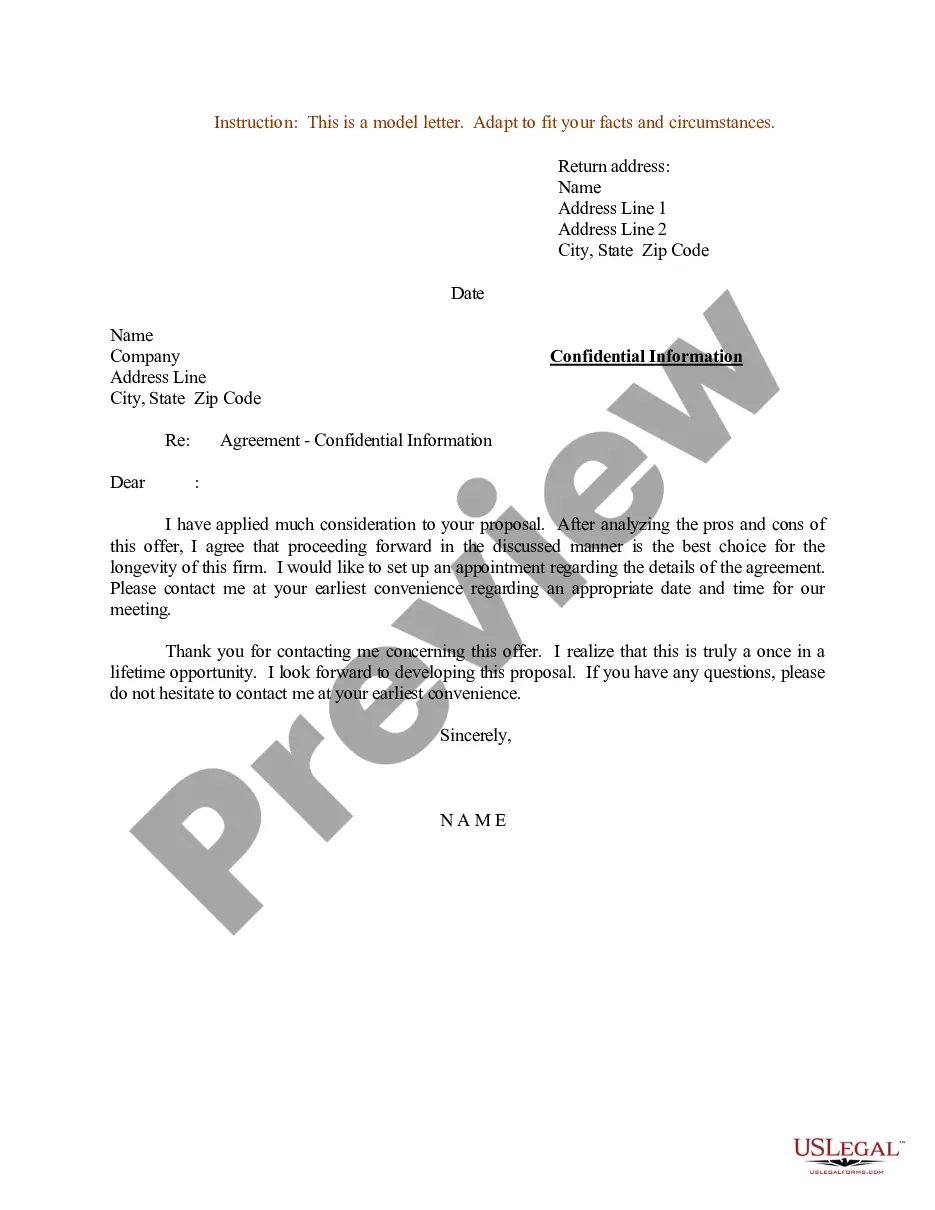
Private And Confidential Letter Sample For Resume In Michigan
Description
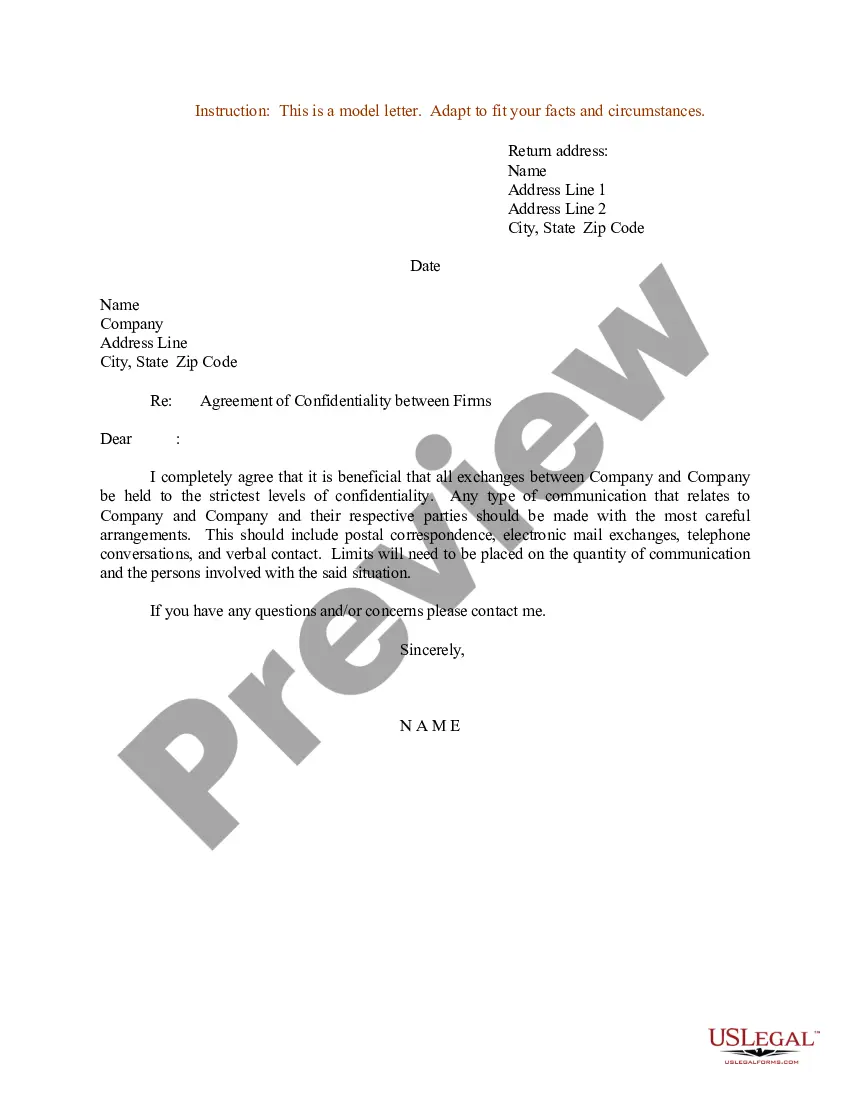

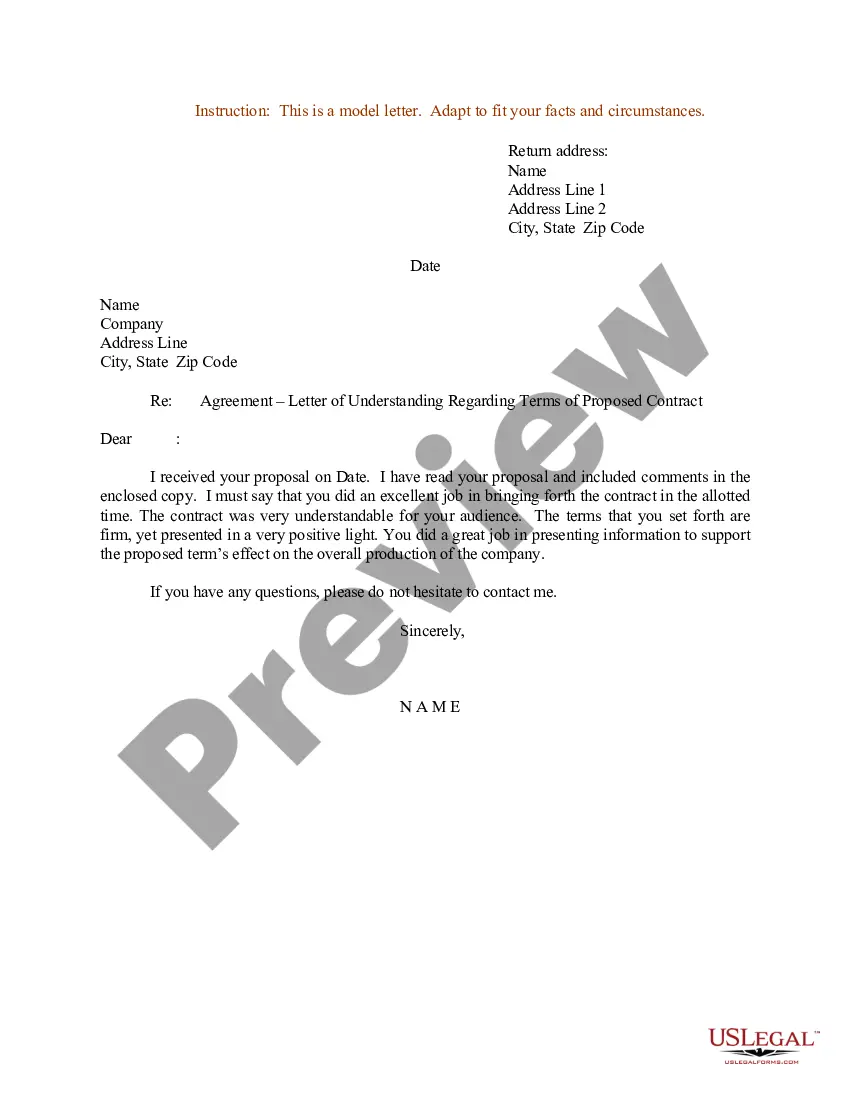
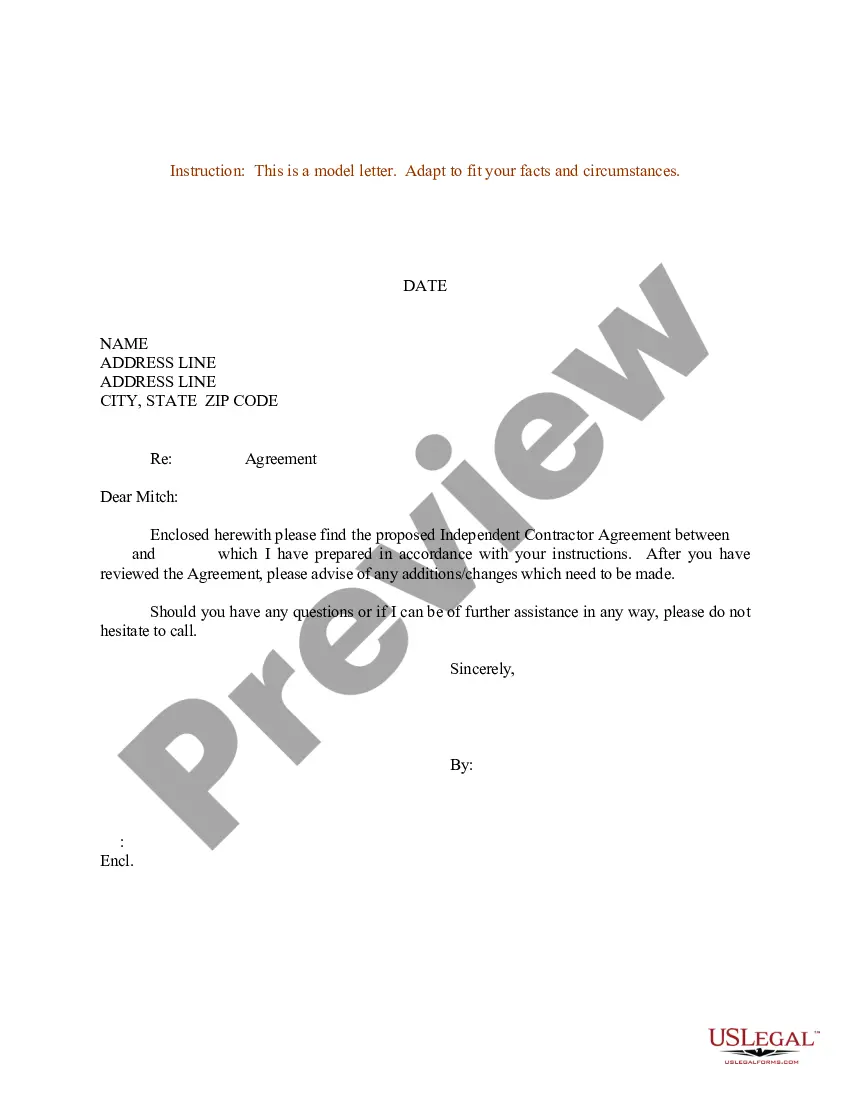
Get your form ready online
Our built-in tools help you complete, sign, share, and store your documents in one place.
Make edits, fill in missing information, and update formatting in US Legal Forms—just like you would in MS Word.
Download a copy, print it, send it by email, or mail it via USPS—whatever works best for your next step.
Sign and collect signatures with our SignNow integration. Send to multiple recipients, set reminders, and more. Go Premium to unlock E-Sign.
If this form requires notarization, complete it online through a secure video call—no need to meet a notary in person or wait for an appointment.
We protect your documents and personal data by following strict security and privacy standards.

Make edits, fill in missing information, and update formatting in US Legal Forms—just like you would in MS Word.

Download a copy, print it, send it by email, or mail it via USPS—whatever works best for your next step.

Sign and collect signatures with our SignNow integration. Send to multiple recipients, set reminders, and more. Go Premium to unlock E-Sign.

If this form requires notarization, complete it online through a secure video call—no need to meet a notary in person or wait for an appointment.

We protect your documents and personal data by following strict security and privacy standards.
Looking for another form?

Form popularity
FAQ
A confidential resume is an acceptable way in which to maintain your privacy while showcasing your value to potential employers. For the most part, employers understand this need for privacy, particularly in cases where candidates wish to keep their job search discreet while they are currently employed.
Firstly, one must have confidence that when one applies for a vacant position, one's CV will be treated confidentially and forwarded only with express permission.
Posting your resume online with personal information makes you a prime target for identity thieves and cybercriminals.
In summary, avoid stating ``company confidential'' on your resume and instead highlight your qualifications in a way that respects confidentiality while still demonstrating your capabilities.
How to write a cover letter for a confidential job posting Create a professional letter header. You can start your letter by creating a professional header. Use a formal salutation. Write an opening paragraph. Add body paragraphs. Add a conclusion and closing. Research the company.
Employers will only see your resume file if you share it with them when you apply. These are the optional fields you can complete: Work experience. Education.
Your resume or cover letter is private by default but could be seen by other people if you share a link or a file with them.
The best technical skills to put on your private security resume Patrolling procedures. Weapons handling (handguns, tasers, etc.) Metal detector operation. Restraining trespassers. Crime and theft prevention. Monitoring surveillance equipment. Completing incident reports. Physical strength and stamina.
Your cover letter should answer who, what, when, where and why you are applying for the opportunity. Introduction. State the position for which you are applying. Body Paragraphs. These paragraphs will highlight your qualifications and strengths that are most relevant to the organization and position. Conclusion.
If you don't know the recipient's name, begin your cover letter with a generic salutation such as ``Dear Hiring Manager'' or ``To Whom It May Concern.'' While it's ideal to address the letter to a specific individual, using a generic greeting is acceptable when the recipient's name is unknown.