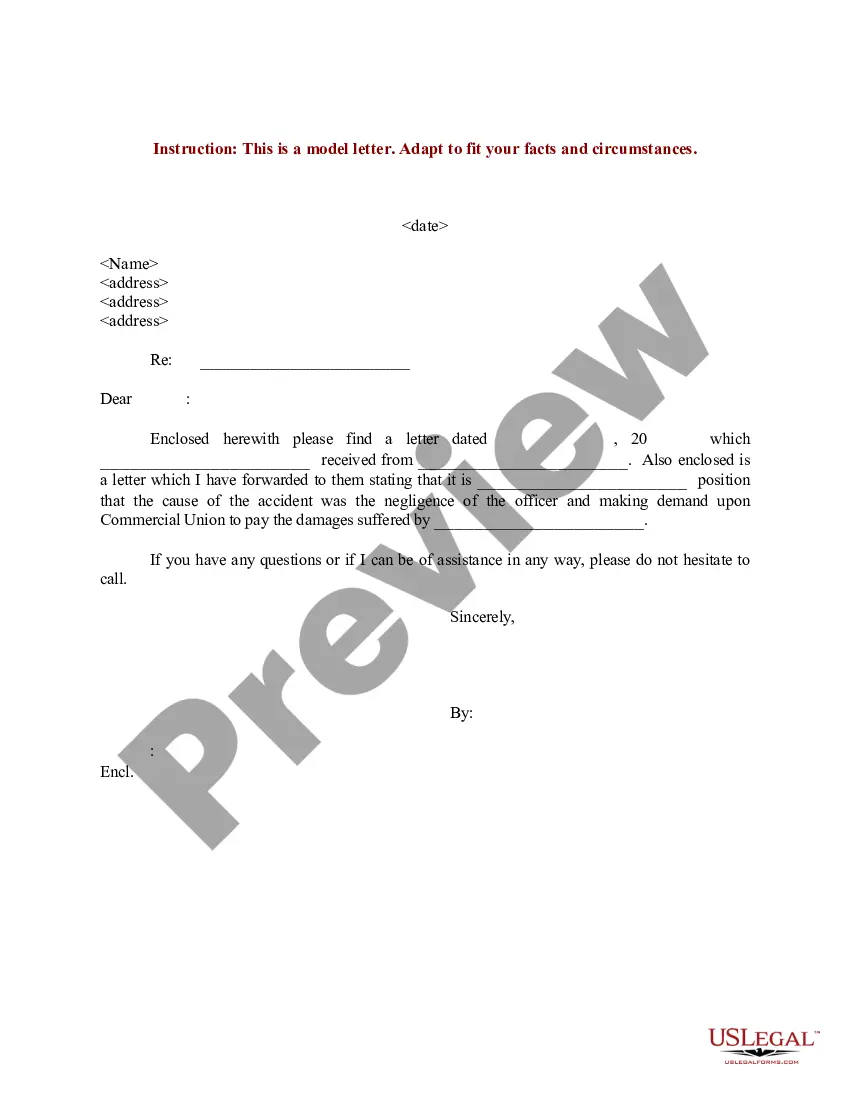
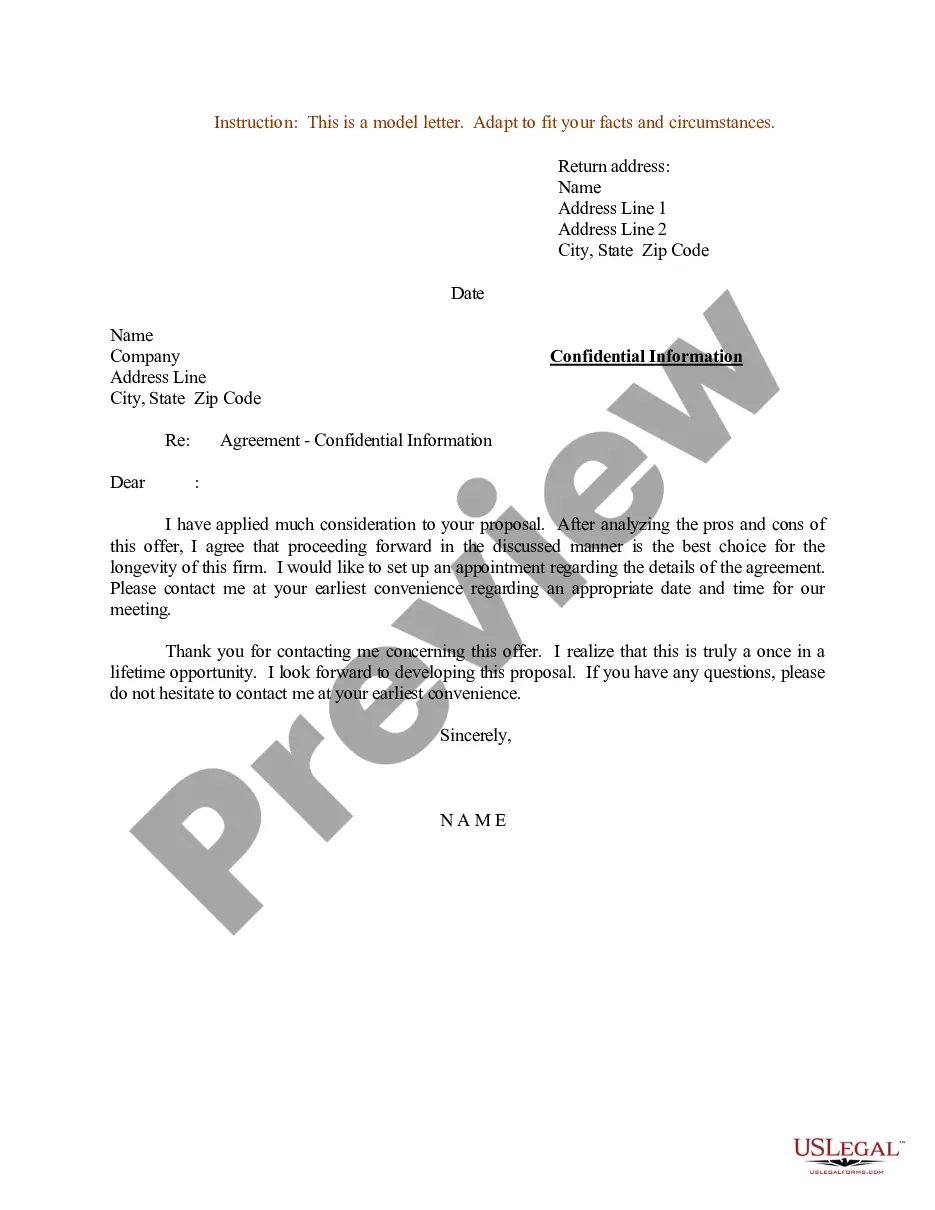
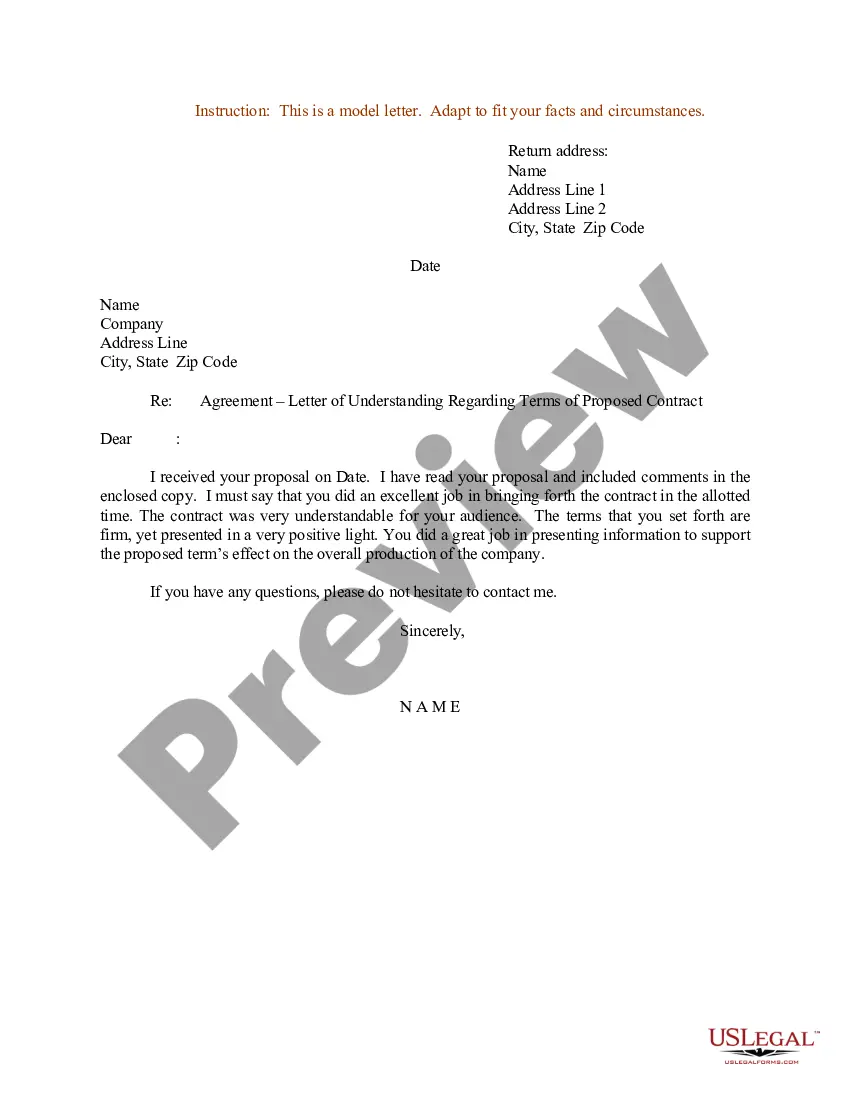
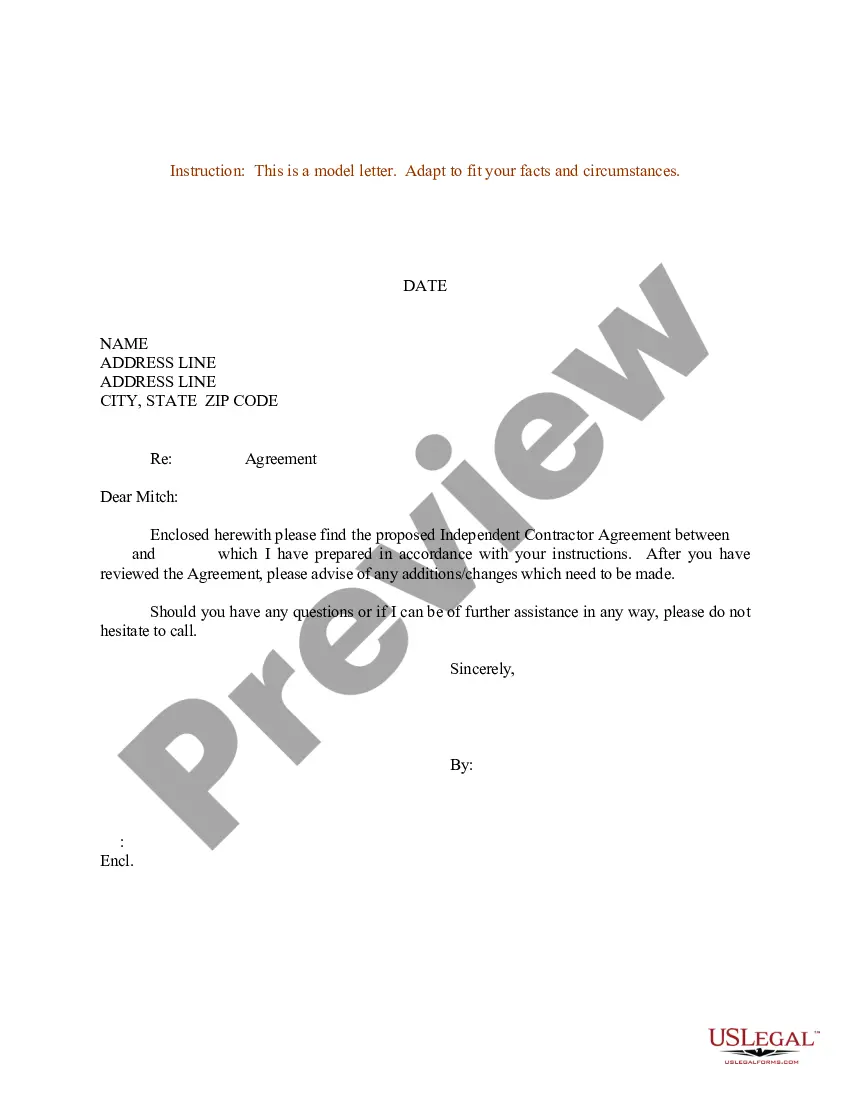
Private And Confidential Letter Sample With Pictures In Massachusetts
Description


Get your form ready online
Our built-in tools help you complete, sign, share, and store your documents in one place.
Make edits, fill in missing information, and update formatting in US Legal Forms—just like you would in MS Word.
Download a copy, print it, send it by email, or mail it via USPS—whatever works best for your next step.
Sign and collect signatures with our SignNow integration. Send to multiple recipients, set reminders, and more. Go Premium to unlock E-Sign.
If this form requires notarization, complete it online through a secure video call—no need to meet a notary in person or wait for an appointment.
We protect your documents and personal data by following strict security and privacy standards.

Make edits, fill in missing information, and update formatting in US Legal Forms—just like you would in MS Word.

Download a copy, print it, send it by email, or mail it via USPS—whatever works best for your next step.

Sign and collect signatures with our SignNow integration. Send to multiple recipients, set reminders, and more. Go Premium to unlock E-Sign.

If this form requires notarization, complete it online through a secure video call—no need to meet a notary in person or wait for an appointment.

We protect your documents and personal data by following strict security and privacy standards.
Looking for another form?
Form popularity
FAQ
A disclaimer should be clear, concise, and polite. For example, you may write: "This letter and its enclosures are confidential and intended for the exclusive use of the addressee. If you are not the intended recipient, please notify the sender immediately and destroy this letter and its enclosures.
Exceptions to the Duty of Confidentiality Waiver. A person who confides in a professional can waive the protection of professional secrecy. In Case of Danger. Committing a Crime. Infectious Diseases. Inspection and Investigation by Professional Orders. Search for the Truth. Protection of Children.
Massachusetts law (Chapter 112) and Federal law (45 CFR; HIPAA, 1996) require that you are advised regarding how personal information about you may be used and disclosed and how you can get access to this information.
Confidential information is personal information shared with only a few people for a designated purpose. The person who is receiving the information from you, the receiver, generally cannot take advantage and use your information for their personal gain, such as giving the information out to unauthorized third parties.
Licensed Mental Health Counselors shall not communicate either verbally or in writing with others about a client without the client's express written consent, including any legal proceedings, except when the limits of confidentially may legally be invoked, such as, but not limited to, cases of potential harm to the ...
When there is an indication of abuse of a child, dependent adult or elderly adult. If you become gravely disabled. If information is required by a court subpoena or court order.
That said: In rare and serious cases, you may have an ethical and legal obligation to break client confidentiality. Mandatory reporting laws, or mandated reporting, require therapists to report to authorities when a person is being harmed or is in danger of being harmed.
As in the Tarasoff ruling, the statute notes that the principle of duty to warn is an exception to the general principle that a social worker shall not "disclose any information about a client acquired from or revealed in the course of or in connection with the performance of the social worker's professional services." ...
This message contains confidential information and is intended only for the individual named. If you are not the named addressee you should not disseminate, distribute or copy this e-mail. Please notify the sender immediately by e-mail if you have received this e-mail by mistake and delete this e-mail from your system.
These disclaimers generally include statements like: 'the contents of this email are confidential' and 'confidentiality is not waived if you receive it in error'. Much like stamping a document 'confidential' or 'commercial in confidence', these disclaimers do not automatically make the email confidential.