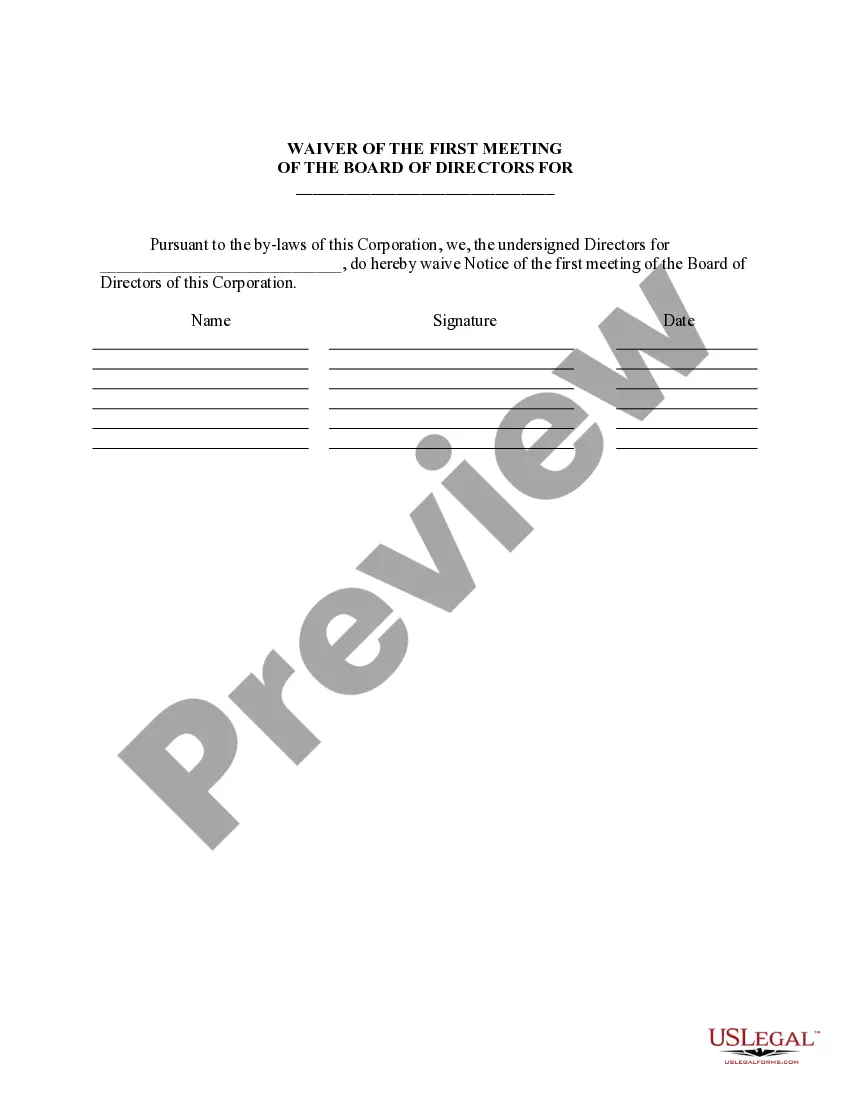
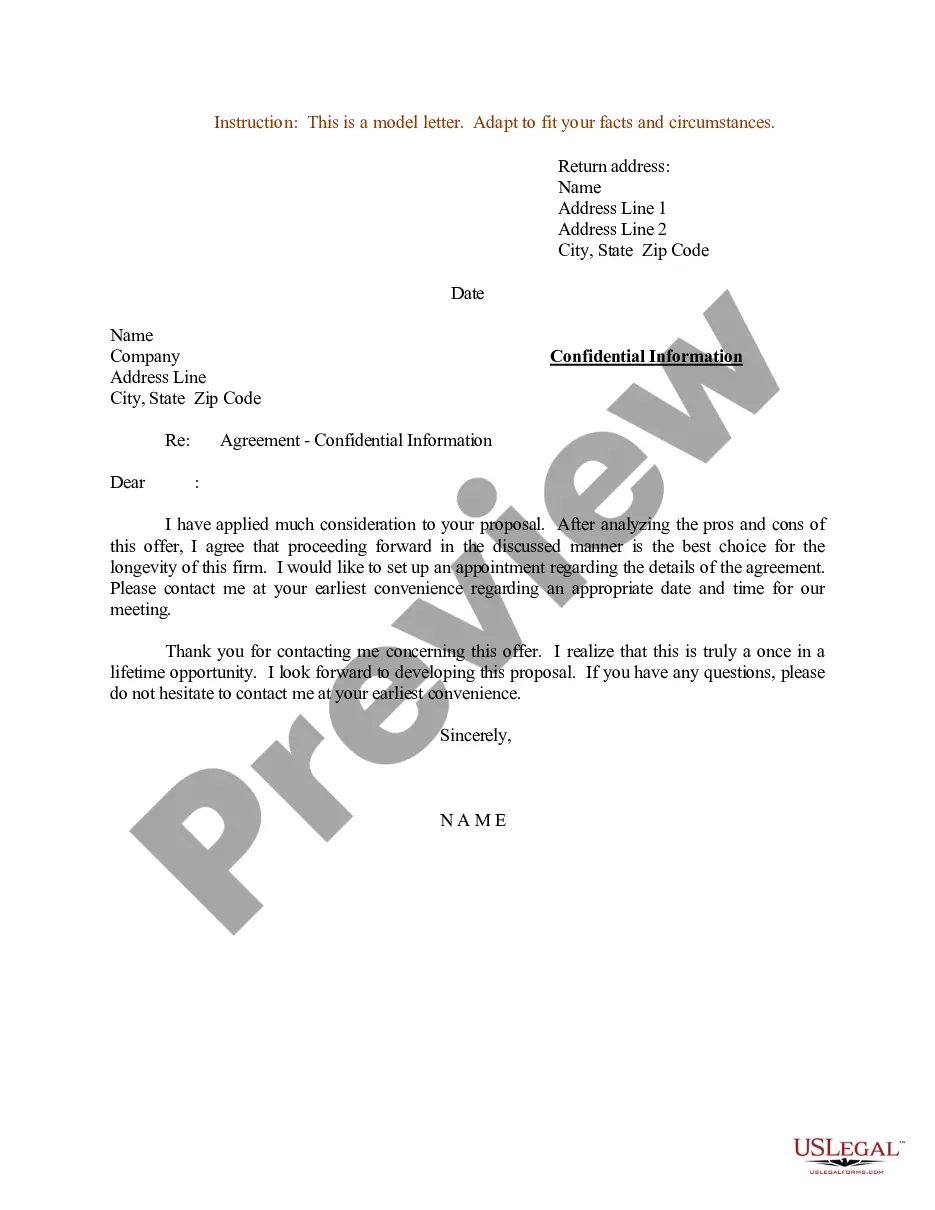
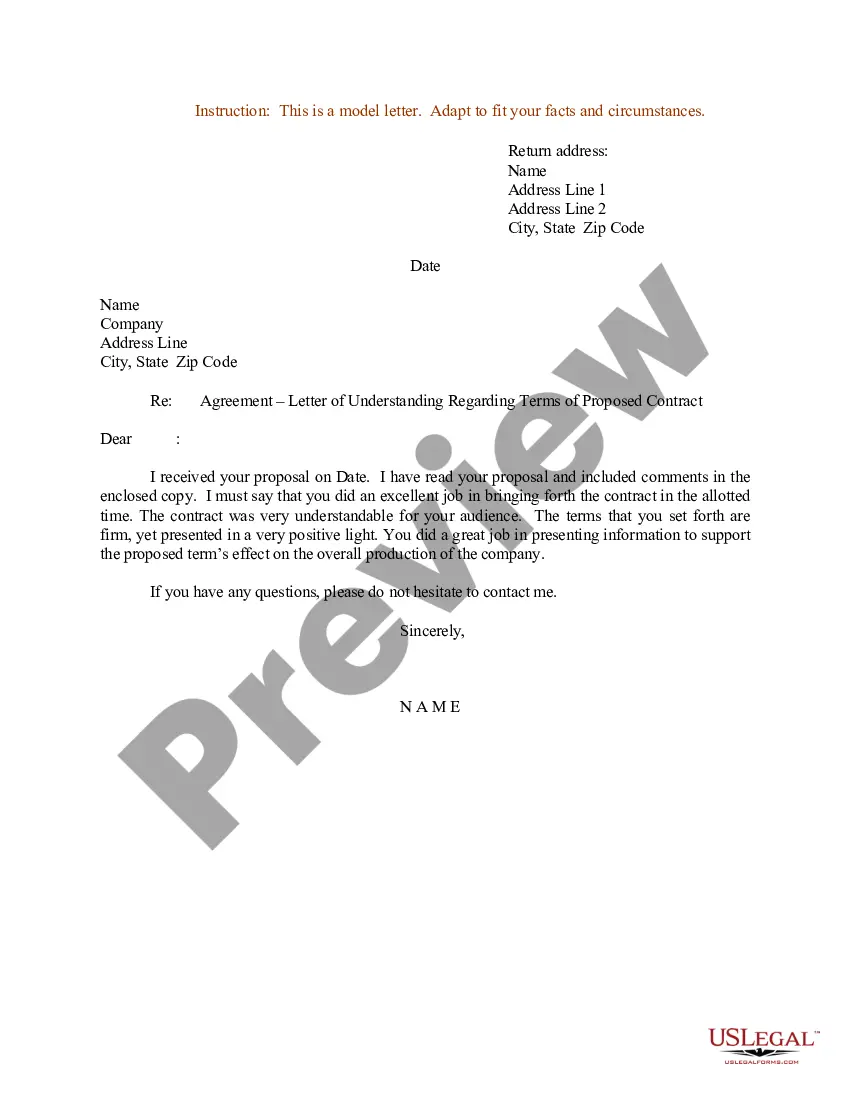
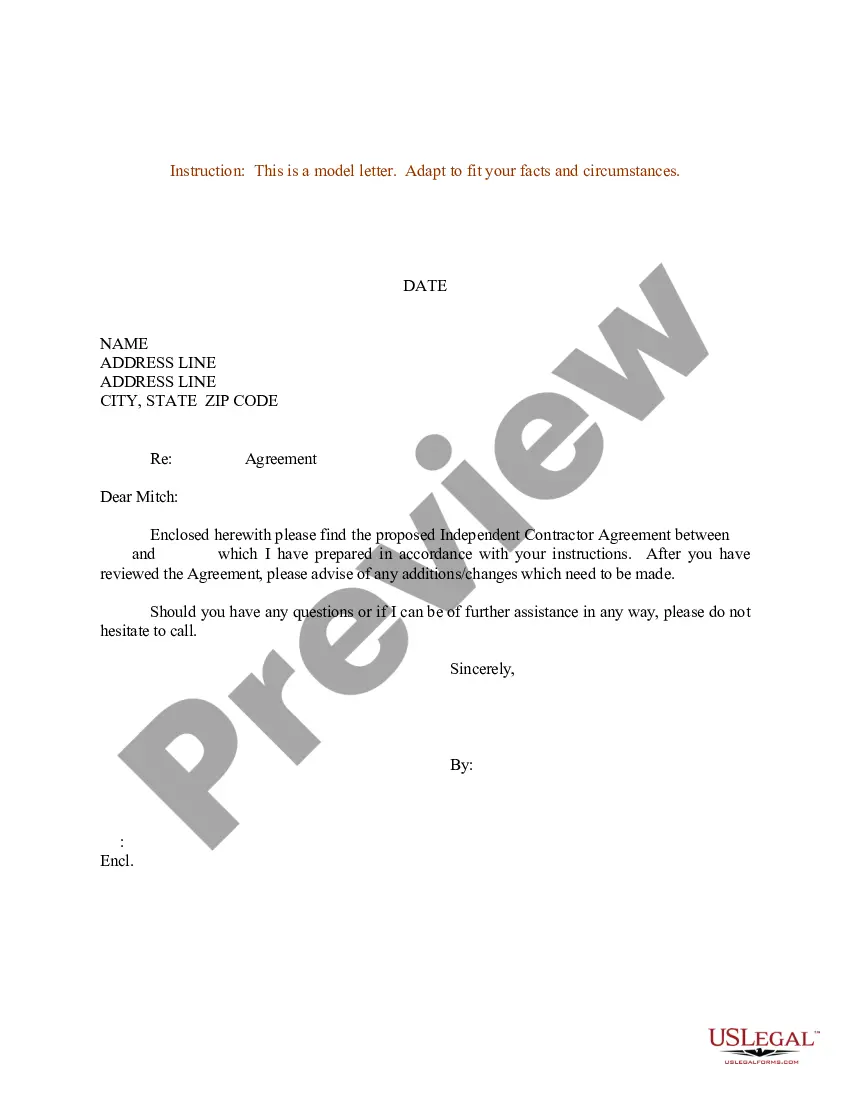
Private And Confidential Letter Sample With No Experience In Kings
Description


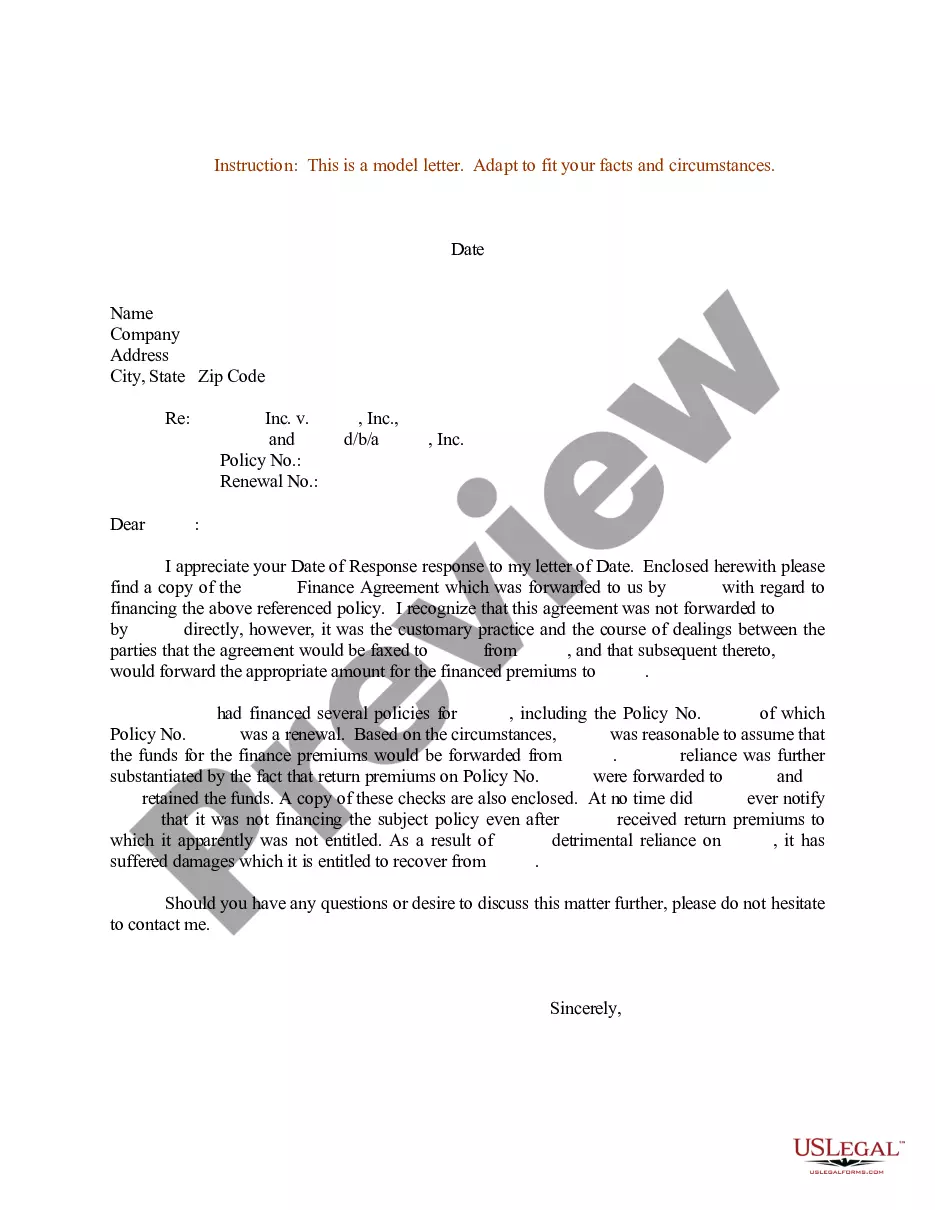
Get your form ready online
Our built-in tools help you complete, sign, share, and store your documents in one place.
Make edits, fill in missing information, and update formatting in US Legal Forms—just like you would in MS Word.
Download a copy, print it, send it by email, or mail it via USPS—whatever works best for your next step.
Sign and collect signatures with our SignNow integration. Send to multiple recipients, set reminders, and more. Go Premium to unlock E-Sign.
If this form requires notarization, complete it online through a secure video call—no need to meet a notary in person or wait for an appointment.
We protect your documents and personal data by following strict security and privacy standards.

Make edits, fill in missing information, and update formatting in US Legal Forms—just like you would in MS Word.

Download a copy, print it, send it by email, or mail it via USPS—whatever works best for your next step.

Sign and collect signatures with our SignNow integration. Send to multiple recipients, set reminders, and more. Go Premium to unlock E-Sign.

If this form requires notarization, complete it online through a secure video call—no need to meet a notary in person or wait for an appointment.

We protect your documents and personal data by following strict security and privacy standards.
Looking for another form?


Form popularity
FAQ
A confidentiality agreement should include the names and addresses of the parties to the contract. Consider also including: Reason for the agreement: Explain why you're sharing this information. The information disclosed: Be specific about the subject matter and what exactly is included in the agreement.
How to write a cover letter for a confidential job posting Create a professional letter header. You can start your letter by creating a professional header. Use a formal salutation. Write an opening paragraph. Add body paragraphs. Add a conclusion and closing. Research the company.
Clearly label all confidential information as “confidential”. This means writing “confidential” on documents or any folder you keep them in. If you are sending an email, make sure the title clearly identifies it as confidential.
This message contains confidential information and is intended only for the individual named. If you are not the named addressee you should not disseminate, distribute or copy this e-mail. Please notify the sender immediately by e-mail if you have received this e-mail by mistake and delete this e-mail from your system.
Such markings are typically intended to indicate that the contents of the letter are private and should not be opened by anyone other than the intended recipient. Opening a personal or confidential letter without permission can be considered a violation of privacy or even illegal in some contexts.
When a user needs to print confidential data, watermarks are a powerful, visual aid that reminds users of the need to properly handle, protect and dispose of printed material. Obvious examples of watermarks include shaded text phrases like “Top Secret”, “Confidential”, and “Internal Use Only”.
The value of the words 'Private and Confidential' in a legal sense depends on the context in which they are used. Often these words are written on correspondence merely to emphasise that the intended recipient must open the letter, rather than someone else.
A disclaimer should be clear, concise, and polite. For example, you may write: "This letter and its enclosures are confidential and intended for the exclusive use of the addressee. If you are not the intended recipient, please notify the sender immediately and destroy this letter and its enclosures.
Short answer: No, it's not. Read on for the much longer answer… The value of the words 'Private and Confidential' in a legal sense depends on the context in which they are used.
Interviews with Yale students and AO's (and some alums) will be virtual unless conducted on campus. They will take between 30 minutes to an hour typically.